Of Saints and Satellites

333

333

Saints and satellites help paint the story of Saint-Émilion

The Saint:

History tells of a Benedictine Monk named Émilion who lived in Brittany during the eighth century. He swore his loyalty to a count in southwest France and agreed to go with him and work in his household. Émilion was a baker and would often give some of his master’s bread to the poor. When the count found this out, he fired Émilion from his service and threw him out of his house.

Upon his ousting, Émilion vowed to spend the rest of his life in worship and solitude. He journeyed a ways up the Dordogne River and settled near an enormous piece of limestone rock. Émilion spent the next several years carving an underground cave out of the limestone, complete with a stone bed and chair carved into the wall. With time, it was said that Émilion was able to perform miracles, and people began to visit the hermit monk for healing. Faithful people soon developed into a following who lived with him, helping him carve out his cave. Émilion lived the rest of his days in the cave with his followers. He died in 787.

The Monolithic Church of Saint-Émilion

The Monolithic Church of Saint-Émilion

After his death successive generations of monks carried on with Émilion’s project and carved a vast network of underground caves and catacombs. The fame of the area, now known as the town of Saint-Émilion, grew and it became a major religious center. Many faithful passed through on the pilgrimage route to Santiago de Compostela. Some of these faithful remained and these followers are credited with the planting of vineyards and the growth of the region’s wine industry. With time, the tiny town of Saint-Émilion became a center of religious importance with a reputation for its excellent wine.

The Monolithic Church of Saint-Émilion was originally constructed in the early twelfth century from the same limestone rock where Émilion first dug his cave. The now-famous church stands watch over the 2,000 inhabitants of Saint-Émilion as well as the world-renowned vineyards that surround the town. Deep below the church–with its three naves, its gothic windows, and its 175-foot high bell tower–lies the original cave of Émilion, the hermit monk.

The Satellites:

Today the town of Saint-Émilion is a UNESCO World Heritage site with Romanesque ruins, religious monuments, and a maze of medieval streets. It is also one of the leading wine regions of the world, renowned for its red wines based on the Right Bank version of the Bordeaux blend–heavy on the Merlot, a good dose of Cabernet Franc, a sprinkle of Cabernet Sauvignon and filled out (perhaps) with tiny touches of Malbec, Petit Verdot, and Carmenère.
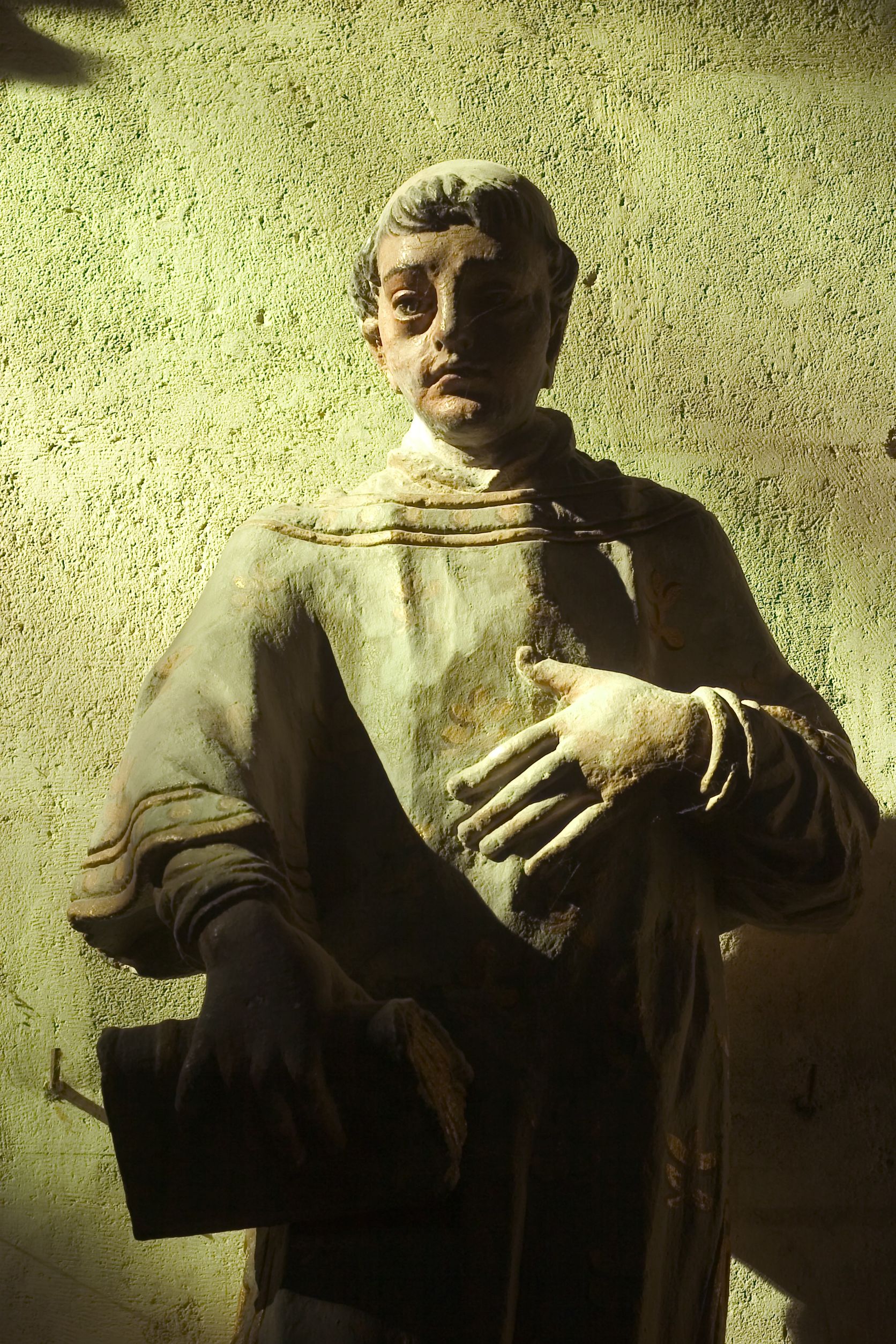
Statue of Saint-Émilion

Statue of Saint-Émilion

The four leading properties of the region–the Premier Grand Cru Classé A châteaux of Cheval Blanc, Angélus, Ausone, and Pavie–are known to wine students and wine lovers alike. (You may even be able to recite the 14 châteaux of the Grand Cru Classé-Classé B, and if you are really good, take a stab at the other 64 properties of the Grand Cru Classé.)

Surrounding this luscious region are several villages that produce deep, flavorful red wine similar in style and standards to those of Saint-Émilion itself. Four of these have earned the right to append the name of Saint-Émilion onto the name of their village in the labeling of their wines and are thus considered to the satellites of Saint-Émilion. These four satellites are the villages of Saint-Georges, Montagne, Puisseguin, and Lussac.

Saint-Georges-Saint-Émilion: Located directly to the north of Saint-Émilion, the Saint-Georges-Saint-Émilion AOC is the smallest of the four satellites and occupies a tiny spot along the edge of the Saint-Émilion region itself. The vineyards are planted to approximately 75% Merlot, 20% Cabernet Franc, and 5% Cabernet Sauvignon. The village of Saint-Georges (often referred to as a hamlet) has a population of around 500 people and is part of the Montagne Commune. The wines produced from the vineyards of Saint-Georges are allowed to use either name (Saint-Georges or Montagne).

Montagne-Saint-Émilion: The Montagne-Saint-Émilion AOC literally surrounds the Saint-Georges region and lies along the remainder of the northern boundary of the Saint-Émilion AOC, which is itself–for the most part–defined by the path of the Barbanne River (La Barbanne). Montagne is the largest of the satellites of Saint-Émilion. The Montagne (the Butte de Calon) itself is the highest point on the Right Bank. The soils range from sand and clay in the north, to a central plateau of clay and limestone and limestone slopes in the south. Vineyards are believed to be planted to 75% Merlot, 20% Cabernet Franc, and 5% Cabernet Sauvignon. The wines of Montagne-Saint-Émilion are known to be full-bodied and rich with supple tannins.

...

Puisseguin-Saint-Émilion: The Puisseguin-Saint-Émilion AOC is located north of the border with Montage and east of Lussac. The town of Puisseguin (population: 861) is filled with ruins from Roman times, and takes its name from two words, “Puy” and “Seguin.” Puy is an old Celtic term for “the hill of powerful wine.” Seguin is the name of a Roman officer who served under Charlemagne and settled in the region around 800 AD. The terroir of Puisseguin is similar to that of the surrounding regions and contains a mix limestone, clay, alluvial gravel, and sandstone soils. The vineyards are reported to be planted to 80% Merlot, with the remainder mainly Cabernet Franc (and a bit of Cabernet Sauvignon). The wines of the region have been described a quite fruit-forward while young, with aromas and flavors of licorice, mint, and other herbs evolving as the wines reach 6 to 8 years of age.

Lussac-Saint-Émilion: The appellation of Lussac-Saint-Émilion is the northernmost of the satellites. The village of Lussac, named for a gentleman called Lucius or Lucaniacus who is credited with introducing viticulture to the area during Roman times, is so low-key that the tourist bureau lists a visit to the town of Saint-Émilion (5 miles away) as the top tourist activity. The topography of Lussac- Saint-Émilion is diverse; the south-east covered with slopes of clay and limestone, the north a mix of gravel, clay, and sand; while the west, a slightly elevated plateau, is mostly sandy gravel. Vineyards are reportedly planted 70% to Merlot and 20% Cabernet Franc, leaving just 10% planted to Cabernet Sauvignon (with a rare sprinkling–perhaps–of Malbec, Carmenère, and Petit Verdot). The wines of Lussac-Saint-Émilion tend to be elegant, velvety, and generous and are often compared to those of Montage-Saint-Émilion–its neighbor to the south.
...

The Lost Satellites: Between 1936 (when the AOCs for Saint-Émilion and its satellites were approved) and the 1970s, two other regions–Parsac and Sables–were allowed to append their names to that of the Saint-Émilion AOC. However, they are no more. Sometime in the 1970s, Parsac merged with Montagne, and Sables was annexed into the Saint-Émilion AOC.

Click here for an excellent handbook of the regions of Saint-Émilion (and the rest of the Right Bank as well), provided by the Union des Maisons de Bordeaux.

References/for further information:

The Bubbly Professor is “Miss Jane” Nickles of Austin, Texas… missjane@prodigy.net

The Murray, the Darling, and the Alps of Australia

...

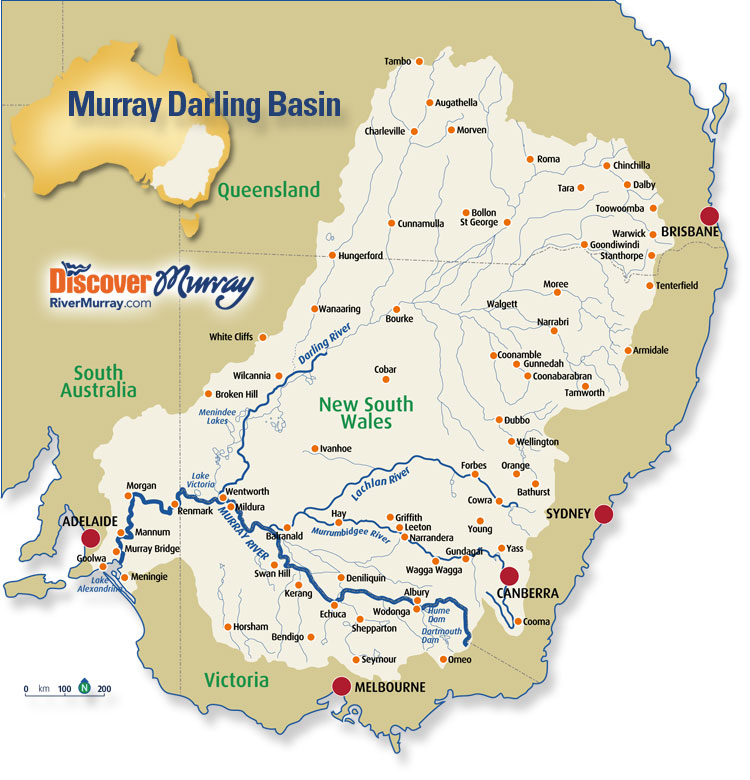
Murray Darling (as serious wine students certainly will know) is a wine region in Australia. Known primarily for Chardonnay but also widely planted with Shiraz and Cabernet Sauvignon, it is a big region–the second largest (by geographical area) in the country.

The Murray Darling wine region transcends political boundaries to an extent, as it straddles the borders of two states–Victoria and New South Wales. The New South Wales portion of the region is considered to be part of the Big Rivers viticultural zone–which makes total sense as it is named for the longest and the third longest rivers in Australia.

The longer of the two rivers–the Murray–is the longest river in Australia, clocking in at 1,558 miles (2,508 km) long. The source of the Murray is in the Australian Alps, and from there it flows down the western side of the mountains, twisting and turning across the inland plains and forming part of the border between the states of New South Wales and Victoria before it reaches the state of South Australia. From there, the Murray heads southward for almost 200 miles (315 km) before it joins the Southern Ocean (also known as the South Pacific Ocean) at Lake Alexandria.

Kosciuszko National Park, Australia

Kosciuszko National Park, Australia

Wait a minute–did she just say the Australian Alps? Yes, she did–and that’s the thing that led to this post. Before doing a bit of digging into the background of the Murray Darling region I had no idea that Australia had its own Alps.

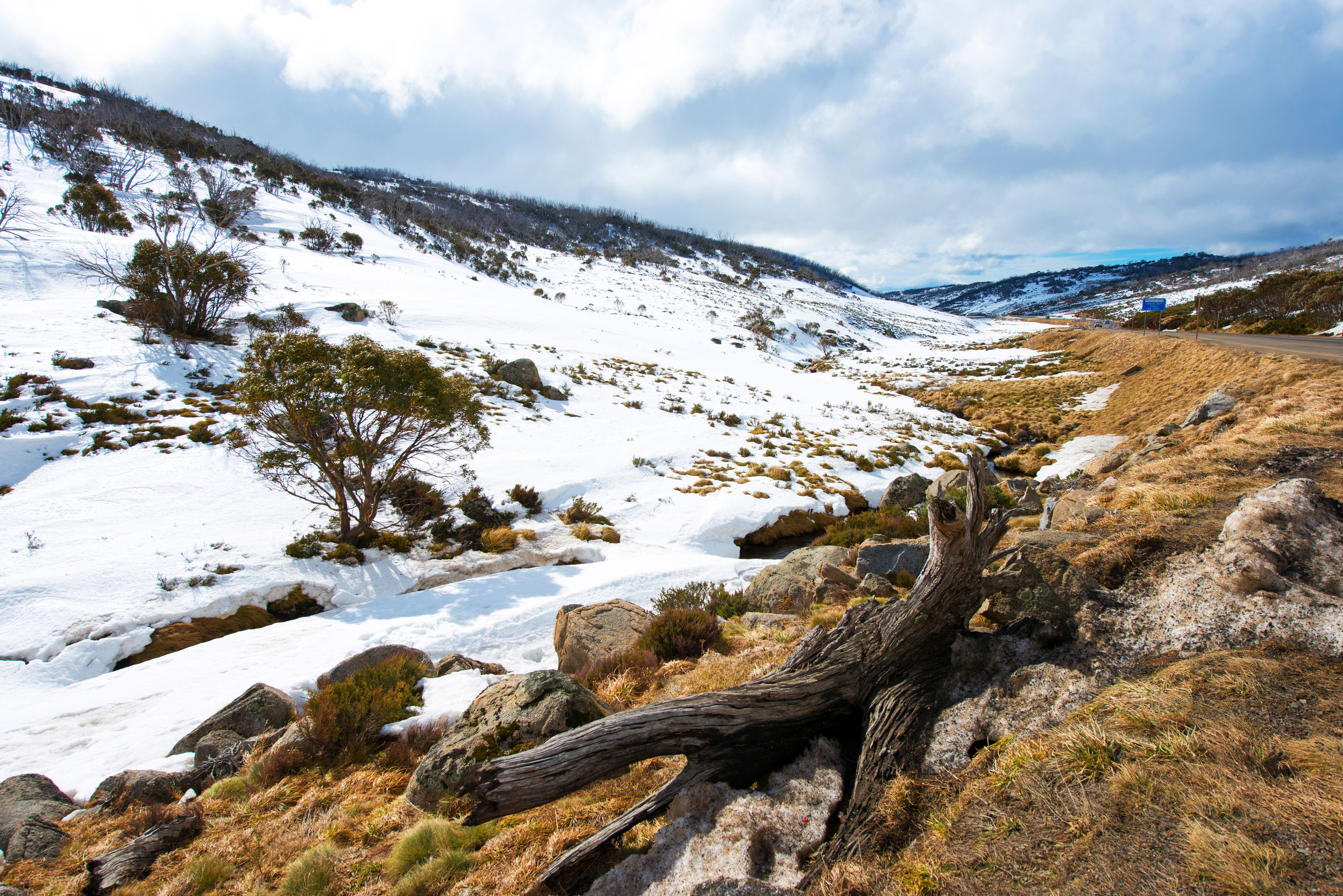
The Australian Alps, it turns out, are part of the Great Dividing Range (now it starts to make sense). The Alps are the highest mountain range in Australia, and the only place in Australia that receives deep snow fall every year. Mount Kosciuszko, the highest point in Australia (7,310 feet/2,228 meters above sea level) is part of the Alps system. There is even a system of Alpine National Parks, understandably  a center for skiing and other mountain sports in Australia.

So–back to our rivers. The source of the Darling River is also in the Great Dividing Range, yet far to the north of the Murray in the northern portion of New South Wales. The Darling River, the third longest river in Australia, flows south-southwest across New South Wales to the border of the state of Victoria, where it joins the Murray.

The combined Murray-Darling catchment system provides irrigation for one seventh of Australia’s total landmass, including most of Victoria, New South Wales, southern Queensland, and parts of South Australia. This area is of great agricultural significance and has even earned the nickname of the “food bowl” of the nation. The agriculture output of the Murray-Darling Basin includes dairy, citrus, stone fruit, livestock, cotton, almonds, and over half of Australia’s cereal crops.

Of course, of great interest to me are the grapes, as a great majority of the wine regions of New South Wales and Victoria–as well as a portion of South Australia–fall under the water catchment of the Murray-Darling. The importance of these rivers (as well as the other rivers in the basin, which include the Lachlan and the Murrumbidgee) really cannot be overstated. We can thank these rivers for Hunter Valley Semillon, Mudgee Cabernet, Rutherglen Muscat, Heathcote Shiraz, and Murray Darling Chardonnay. Thank you!

References/For more information:

The Bubbly Professor is “Miss Jane” Nickles of Austin, Texas… missjane@prodigy.net
 

Misfits of Tuscany

...

Tuscany is red wine country. By last count, nearly 85% of her vineyards were dedicated to red grapes, led by Tuscan super-star Sangiovese. We all recognize the famous Sangiovese-based reds of Tuscany–the Chiantis, the Brunellos, and the Rossos. We also admire the deep red wines that invited international grapes to the party–Bolgheri Sassicaia and the rest of the Super Tuscans, Carmignano, and a host of lesser-known wines such as Cortona, Suvereto, and Val di Cornia.

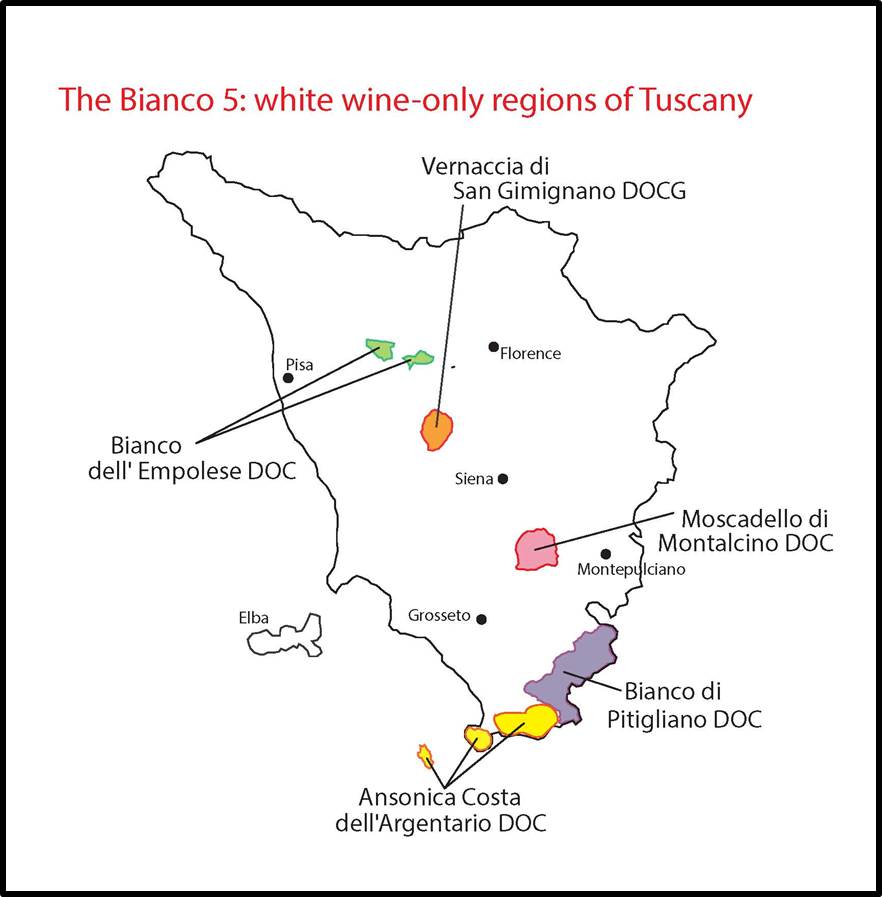
That’s a lot of red wine. However, white wine has—both traditionally and in modern times—played a role in the wines and wine culture of Tuscany, but you may just have to hunt for it. Out of Tuscany’s 53 DOPs (at last count, 41 DOCs plus 12 DOCGs), only five of them are approved for white wines only. I like to call these 5 wines—four DOCs plus the rightfully famous DOCG of Vernaccia di San Gimignano— the “misfits of Tuscany” (misfit used in the kindest, gentlest of fashions, of course).

Read on to read about these brave outliers, the white-wine only DOCs—and lone DOCG—of Tuscany:

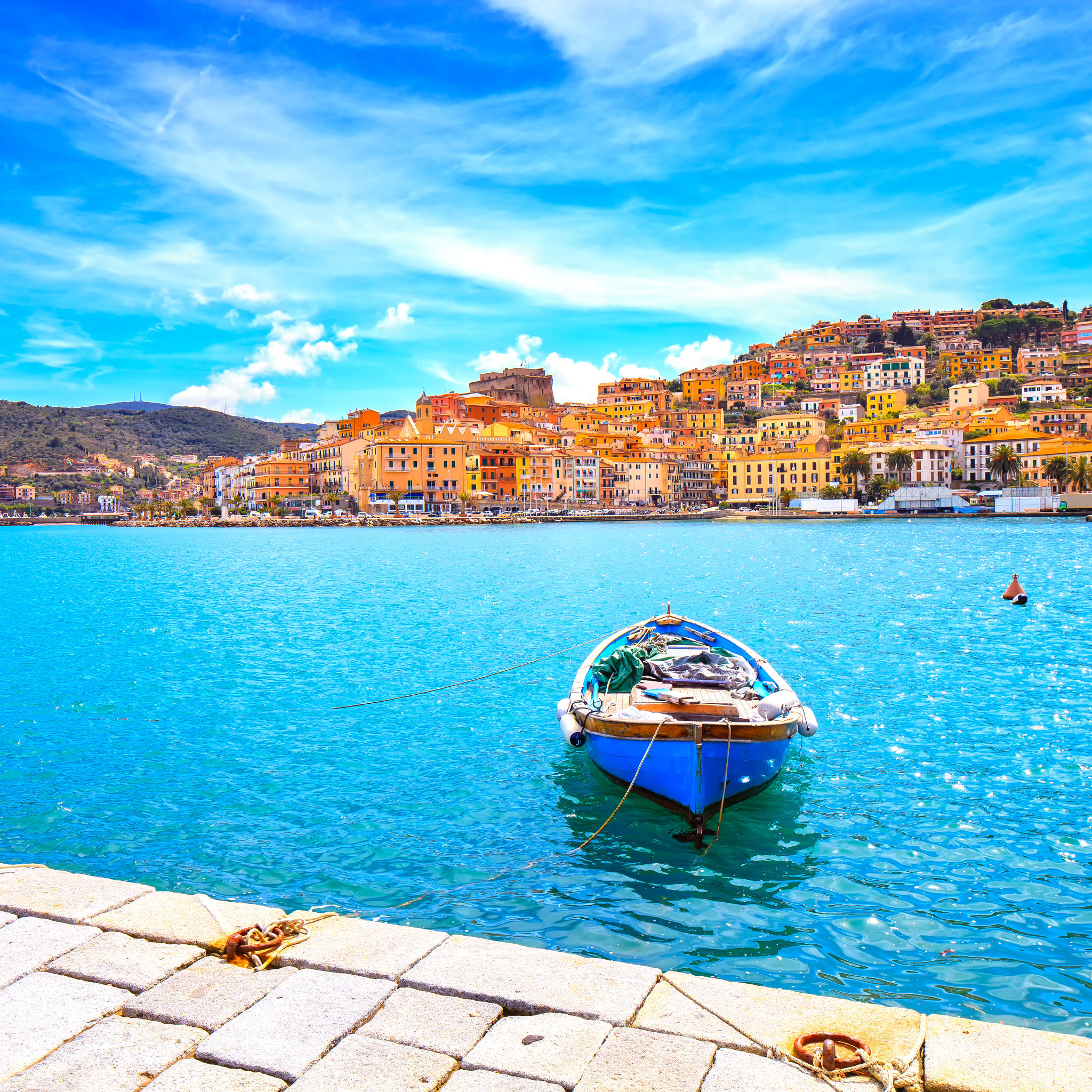
Ansonica Costa dell’Argentario: The Ansonica Costa dell’Argentario DOC is located in the far southwest corner of Tuscany, on (and named for) the Monte Argentario Peninsula. This fascinating place is a former island that is now connected to the Tuscan coast by three narrow strips of land. The DOC also includes the small island of Giglio, located 10 miles (16 km) from the mainland.

The Porto Santo Stefano waterfront (Monte Argentario)

The Porto Santo Stefano waterfront (Monte Argentario)

Ansonica Costa dell’Argentario is a white wine-only DOC approved for dry wines produced from the Ansonica grape variety (minimum 85%). Ansonica is believed to be native to Sicily and spread from there to Sardinia as well as Elba, Giglio, and other islands of the Tuscan archipelago. It is grown in small amounts on the Tuscan coast and inland, but mainly in the southern section of the region. The grape is a mainstay in the wines of Sicily, where it is known as Inzolia, and stars in many of the islands DOCs, including Marsala.

The Ansonica Costa dell’Argentario is the only Tuscan DOC to produce a wine required to be based on a majority of the Ansonica grape variety. Ansonica is considered to be a late-ripening grape. Oak aging and sur lie contact are sometimes used in its production. Excellent versions of Ansonica Costa dell’Argentario are described as medium-bodied with medium acidity as well as aromas and flavors of tropical fruit, ripe pear, green plum, hazelnuts, herbs, and minerals.

Bianco dell’Empolese:  The Bianco dell’Empolese DOC is located in the western portion of the province of Firenze near the town of Empoli, for which it is named.  The region rests in a rather cozy valley, surrounded on three sides by hills and mountains of the Montealbano range. The mountains block some of the colder winds and moisture coming down from the north and in from the west, and grapes here enjoy warm temperatures and sunshine.

...

The Bianco dell’Empolese DOC produces dry white wines and vin santo, both based on a minimum of 60% Trebbiano Toscano. The vin santo may be either secco or amabile and must be aged for three years in caratelli (small wood barrels of approximately 100 liters [26.4 gallons]). Bianco dell’Empolese DOC white wines are refreshingly acidic and light-bodied with aromas of pear, peach, apricot, citrus and flowers.

  • A note on Trebbiano: The name Trebbiano is actually used for a variety of grape varieties, some related and some not. Trebbiano di Lugana and Trebbiano di Soave are actually not-exactly-Trebbiano and should otherwise be known as Verdicchio. Trebbiano d’Abruzzo is considered to be the highest-quality of the True Trebbianos, and is related to Trebbiano di Spoletino, a variety grown mostly in and around Umbria. Trebbiano Toscano is, alas, not related to any of the above but is the same grape known in many parts of the world as Ugni Blanc.

Bianco di Pitigliano DOC:  Located in the far south of Tuscany, almost to the border with Lazio, the Bianco di Pitigliano DOC is named for the town of Pitigliano; itself located about 50 miles (80 km) southeast of Grosseto.  This is a mountainous area, famous for its cliffs, caves, and picturesque cliff-side houses.  The northwest portion of the region overlaps with the Morellino di Scansano DOCG, so red wines are produced in this area as well.

Cliff-side houses of Pitigliano

Cliff-side houses of Pitigliano

The Bianco di Pitigliano DOC produces dry white wines (normale and superiore), sparkling white wines, and vin santo, all based on a minimum of 40% Trebbiano Toscana (100% Trebbiano may also be used). A variety of grapes including Greco, Verdello, Grechetto, Ansonica, Chardonnay, Viognier, Pinot Bianco, and Riesling Italico–among others–are allowed for use as the remainder (some in varying amounts). Dry Bianco di Pitigliano DOC can be described as crisp, light- to medium-bodied with fruity, floral, and mineral notes with a touch of lemon-peel bitterness on the finish; Superiore versions have a bit more complexity and, perhaps, an added spicy or nutty flavor.

Moscadello di Montalcino DOC: Don’t be too surprised that a sweet, sometimes fizzy white wine is made in the shadows of big, bold Brunello (after all, it works pretty well for Moscato d’Asti)! The Moscadello di Montalcino DOC area overlaps in terms of geographic area with its big brothers Brunello and Rosso (di Montalcino), but produces sweet/semi-sweet white wines with a minimum of 3.5% residual sugar. Moscadello di Montalcino is produced in still (tranquillo),fizzy (frizzante), and late-harvest (vendemmia tardiva) versions, all based on a minimum of 85% Moscato Bianco (aka Muscat Blanc à Petits Grains).

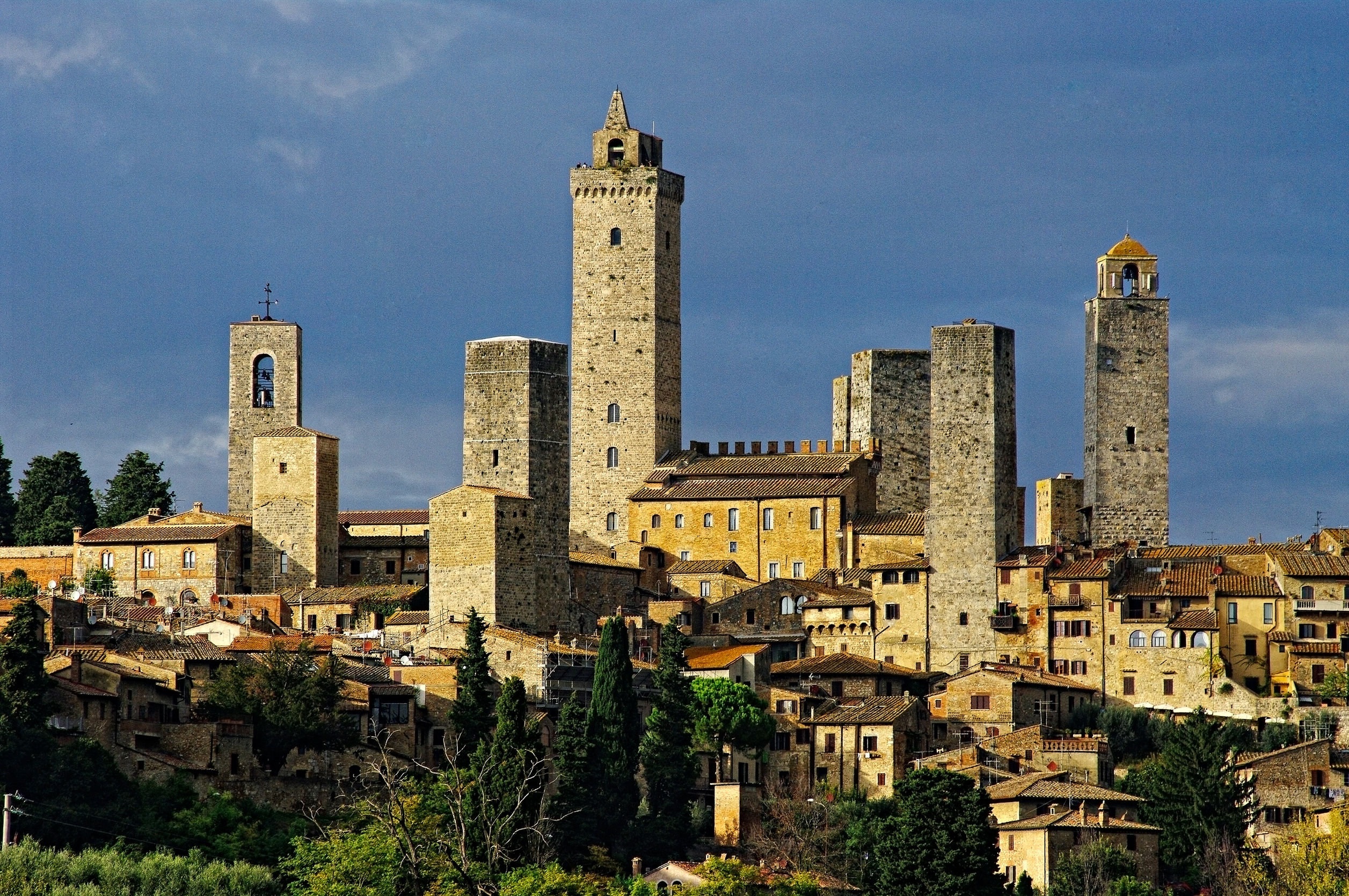
San Gimignano - the "Medieval Manhattan"

San Gimignano – the “Medieval Manhattan”

Vernaccia di San Gimignano DOCG: Almost as famous as its red wine-producing brethren, Vernaccia di San Gimignano has been a white wine-only DOCG since 1993 (and was among the first of Italy’s DOCs, back in 1966). This wine, produced from a minimum of 85% Vernaccia grapes, is widely distributed throughout Europe and the US. Unless you live in or are a regular visitor to Tuscany, it might just be the only wine on this list of lovable misfits that you have actually had!

Produced in and around the lovely hilltop town of San Gimignano, expect Vernaccia di San Gimignano DOCG to be dry, crisp, light- to medium-bodied with aromas and flavors of lemon, green plum, peach, apricots, flowers, and (perhaps) a bit of almond, with a slight hint of green apple skin-like bitterness on the finish.

References:

The Bubbly Professor is “Miss Jane” Nickles of Austin, Texas… missjane@prodigy.net


Misfits of the Loire

Close-up of a window in Château de Chaumont (Chaumont-sur-Loire)

Close-up of a window in Château de Chaumont     (Chaumont-sur-Loire)

A good wine student can most likely give you an excellent overview of the wines of the Loire. Perhaps it would go something like this:

The Pays Nantais is the westernmost region of the Loire Valley. It is adjacent to the Atlantic Ocean and overall the coolest area of the Loire, focusing on dry white wines produced using the Melon de Bourgogne grape variety. The majority of the wine here is produced in one of the four AOCs bearing the name “Muscadet.”

Moving inland, the Anjou-Saumur region focuses on white wines, both still and sparkling and in various levels of sweetness, produced from Chenin Blanc. Still reds, still rosés, and some sparkling wines are also produced in Anjou-Saumur, primarily using the main red grapes of the area–Cabernet Franc, Pinot Noir, Gamay and Côt (Malbec). Moving further east, the region of Touraine produces white wines using Chenin Blanc, but further inland as the soils and climate evolve, the focus moves to Sauvignon Blanc. Red wine and rosé is produced here as well. The easternmost region of the Loire, referred to as the Eastern Loire or Upper Loire, focuses on crisp whites made using Sauvignon Blanc; a few Pinot-Noir and Cabernet Franc-based reds are produced in the Eastern Loire as well.

Kitchen garden at the Château de Villandry

Kitchen garden at the Château de Villandry

So how did our wine student do? Pretty well, I would say. That’s a nice overview of the Loire!

However…if we want to dig a bit deeper, we will learn that the 300 mile-long Loire Valley wine region actually contains close to 50 AOCs and 5 IGPs, and among them over two dozen grape varieties are grown and made into Loire Valley wines.

Here are a few that I found that produce unique wines using grapes that are (somewhat) unusual for the Loire Valley. I like to call these wines “Misfits of the Loire” (in the most endearing use of the term, of course).

Cour-Cheverny AOC: The Cheverny AOC is tucked into the easternmost part of Touraine, just south of the Loire River. The subregion of Cour-Cheverny (named for a tiny commune with around 2,000 inhabitants) is, in turn, tucked into the southeast part of the Cheverny AOC. Here you’ll find the only Loire Valley plantings of the Romorantin grape variety (and, perhaps the only Romorantin vines left in France). The Cour-Cheverny AOC produces dry to off-dry wines.

Romorantin is a white grape variety closely related to Chardonnay–its parentage appears to the be same as Chardonnay (Pinot X Gouis Blanc) however, the “Pinot” in the case of Romorantin is not Pinot Noir (thought to be the parent of Chardonnay), but rather a rare Pinot mutation known as Pinot Fin Teinturier—making Romorantin and Chardonnay something akin to step-sisters whose fathers were fraternal twins (thank goodness we’re talking about grapes).

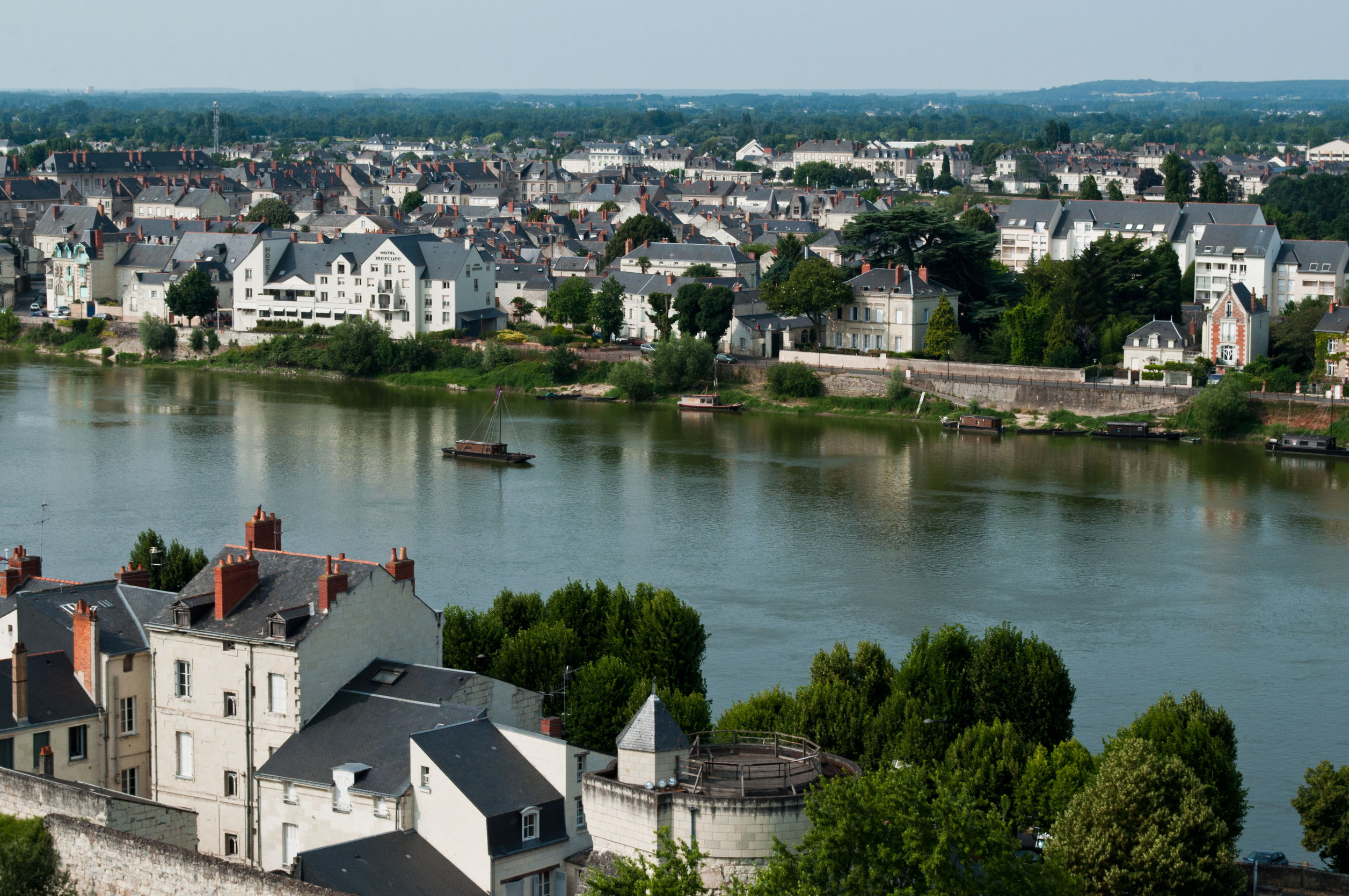
Panorama of Saumur

Panorama of Saumur

Cour-Cheverny was promoted to an AOC (from its former VDQS status) in 1993. It currently has just under 180 acres (73 ha) of vines, all planted to Romorantin. Dry wines produced in the Cour-Cheverny AOC tend to be light-bodied, crisply acidic, and lightly aromatic with aromas and flavors of citrus, green apple, and peach. Richer, off-dry wines–some of them lightly affected by botrytis–can have a waxy texture along with flavors of tropical fruit and honey.

Pouilly-sur-Loire AOC: The Pouilly-sur-Loire AOC actually occupies the same location as Pouilly-Fumé (which might be called its “much-more-famous brother”). As all good wine students know, Pouilly-Fumé produces crisp, dry, white wines from 100% Sauvignon Blanc grapes. The Pouilly-sur-Loire AOC, in contrast, produces dry white wines using 100% Chasselas–a grape mostly known for its (likely) origin near Lake Geneva as well as its widespread use in the wines of Switzerland. Chasselas is currently grown throughout France, although it is usually used for table grapes or grape juice. It is, however, an allowed grape in the Alsace AOC (albeit typically used in blends) and Vin de Savoie AOC. Known as Gutedel, it is also grown in small amounts in Germany and Austria.

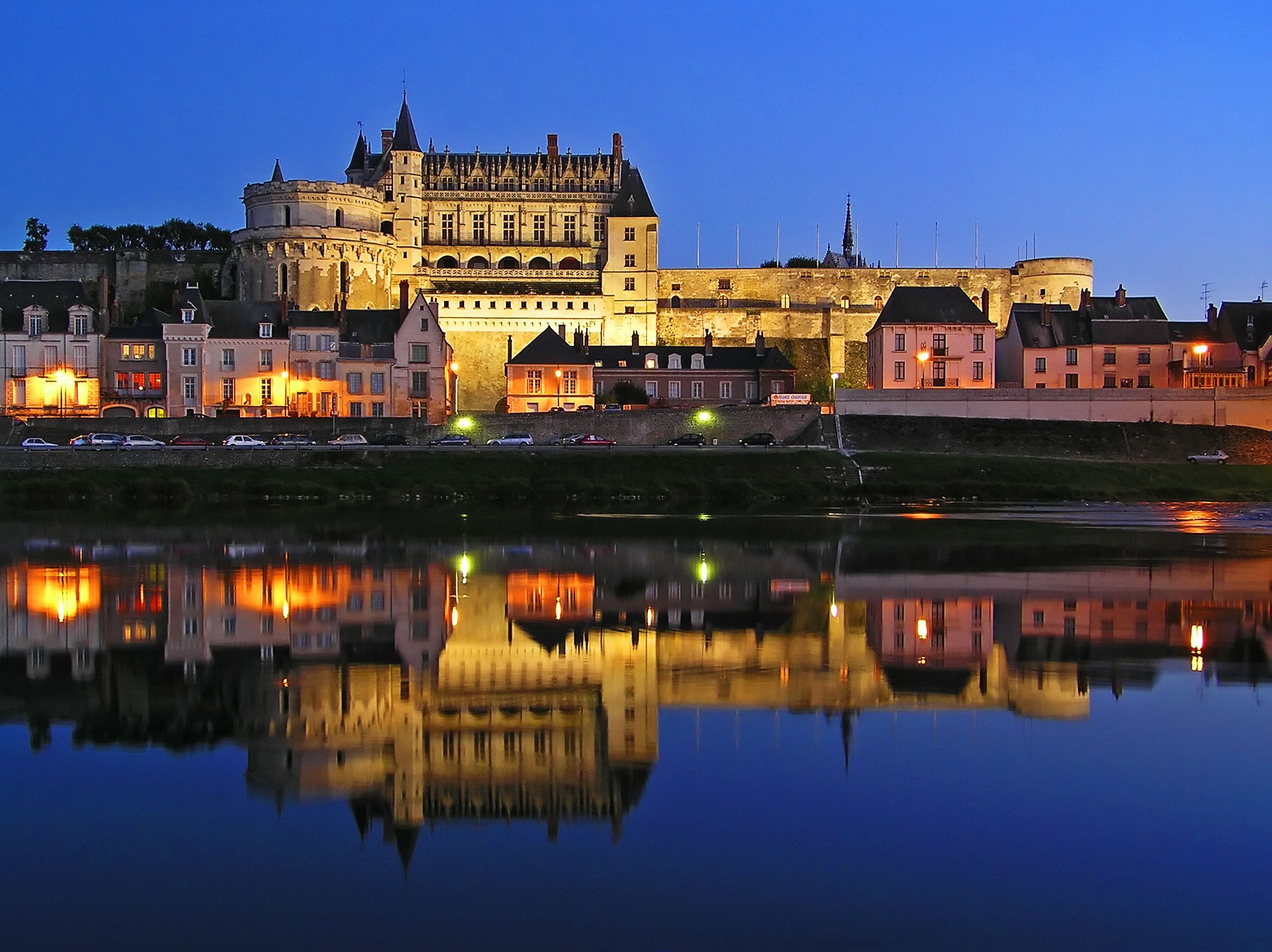
Château d’Amboise (Indre-et-Loire)

Château d’Amboise (Indre-et-Loire)

The wines of Pouilly-sur-Loire AOC are the only AOC wines in the Loire allowed to use the Chasselas grape variety.  Pouilly-sur-Loire wines are somewhat rare, but Domaine Saget makes a version described on their website as “pale gold with hints of yellow, aromas of white fruit, plum, and almond; pure and crisp with mineral notes.”

Touraine Noble-Joué AOC: The Touraine Noble-Joué is a rosé-only AOC tucked in between two tributaries of the Loire River—the Cher and the Indre–just south of the town of Tours. Rosé-only AOCs are not uncommon in the Loire Valley–others include the AOCs of Rosé d’Anjou, Cabernet d’Anjou, Cabernet de Saumur and Rosé de Loire. However, the Touraine Noble-Joué AOC in unique in that it requires the wines to be produced using a blend of the “three Pinots” – and one of them is white.

The required blend for Touraine Noble-Joué AOC is as follows: a minimum of 40% Pinot Meunier, a minimum of 20% Pinot Gris, and at least 10% Pinot Noir. No other grapes are allowed.

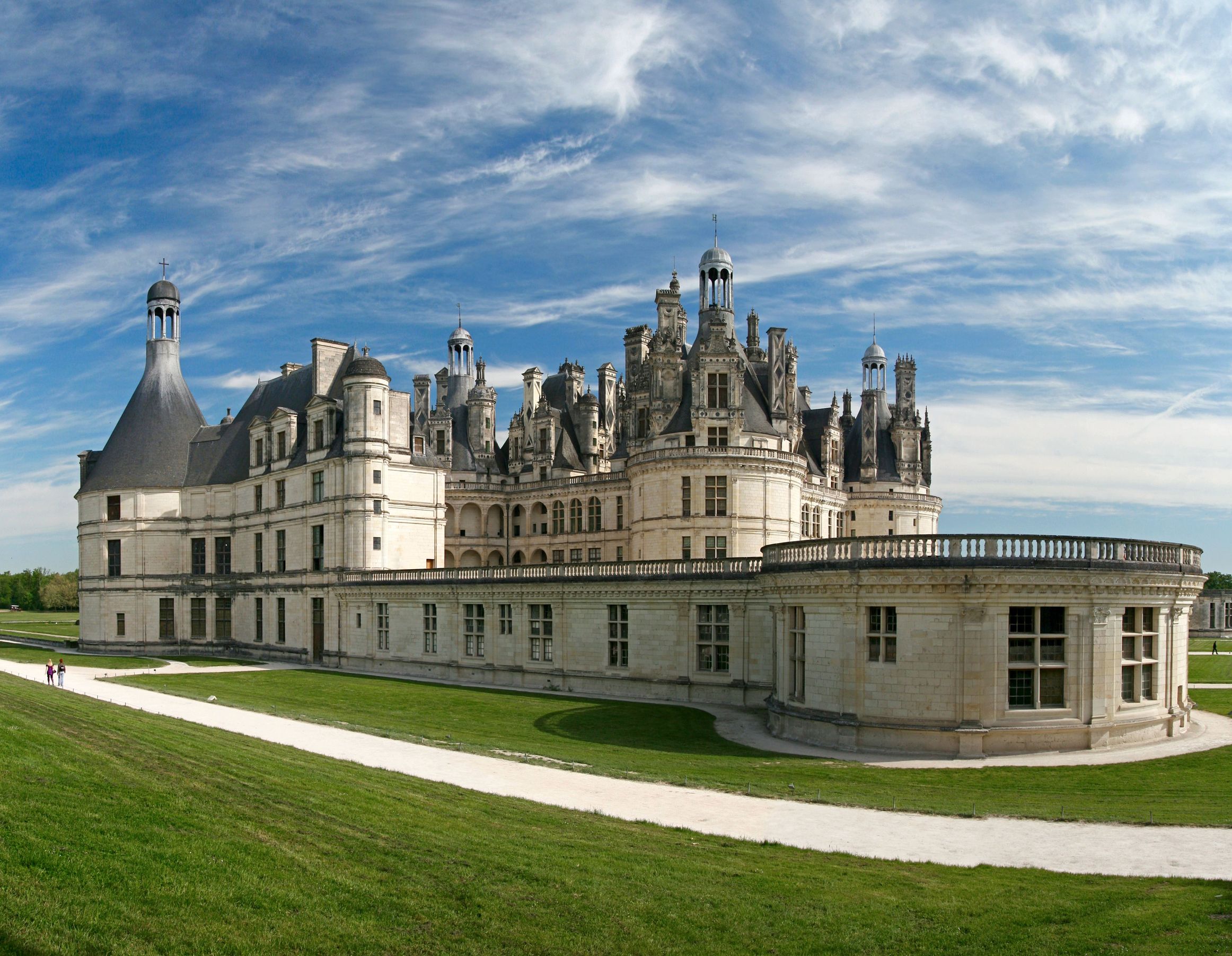
Château de Chambord (Loir-et-Cher)

Château de Chambord (Loir-et-Cher)

The wines of the area also have a long and interesting history. It was a favorite of King Louis XI of the House of Valois, who ruled France from 1461 to 1483. However, as the town of Tours began to grow and spread into suburbs, the vineyards gave over to housing, roads, stores, and cafés. In 1975, primarily through the efforts of vigneron Jean-Jaques Pierru (of Jean-Jacques Sard Jérémie Pierru), the remaining 30 ha of vineyards in and around the town were saved, and the wine brought back into style.  Touraine Noble-Joué was awarded its AOC status in 2001.

Technically considered a vin gris (per the Cahier des Charges), Touraine Noble-Joué AOC has been described as pale, pinkish-grey in appearance with aromas of cherry and strawberry. The wine tends to be light-bodied and crisp with flavors of cherries, red plum, flowers, and berries; followed by a hint of minerality on the finish.

References:

The Bubbly Professor is “Miss Jane” Nickles of Austin, Texas… missjane@prodigy.net