Mountain High
March 12, 2026 Leave a comment
.
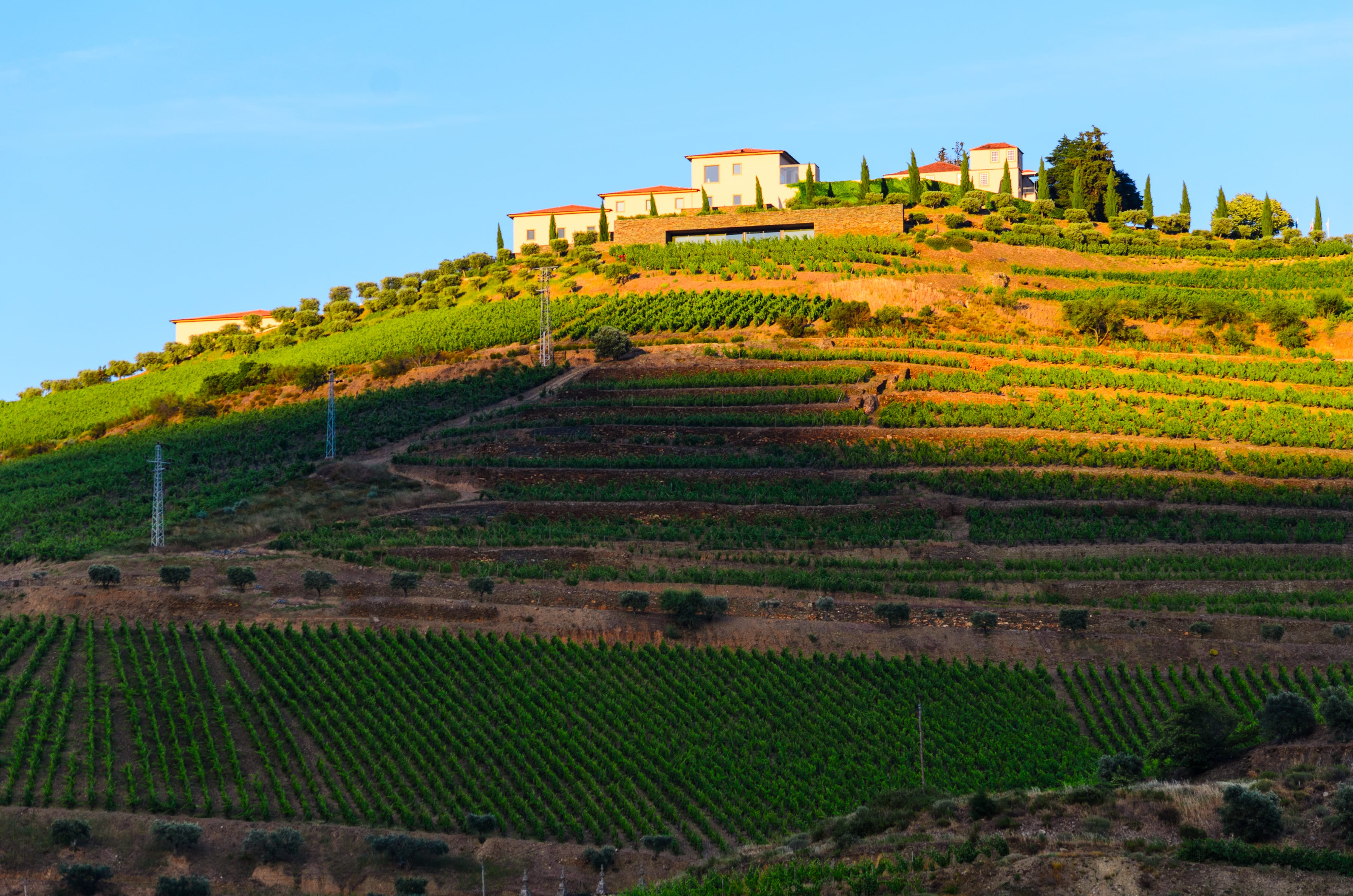
High elevation wines are having something of a moment. I see it everywhere…wine estates bragging about solar irradiance, diurnal temperature fluctuations, and the exceptionally drained, craggy soils to be found at high elevations.
Defining High Elevation Viticulture: While it is indisputable that high elevation vineyards have some unique features, it might be a good idea to begin with a definition: what, exactly, is a high elevation vineyard? After all…vineyards in Salta rise as high as 10,000 feet above sea level, while Napa’s Atlas Peak—considered high elevation for North America—tops out at 2,663 feet.
In California, high elevation enters the discussion beginning at around 1,000 feet above sea level. For example, The Mendocino Ridge AVA—specialists in Zinfandel and Pinot Noir—requires that vineyards using the designation have an elevation of at least 1,200 feet above sea level. This number was chosen in part due to its situation “above the fog line.” Another California appellation—Crystal Springs of Napa Valley AVA, approved in 2023—requires all vineyards to be planted on the hillsides at a minimum elevation of 1,400 feet.
In Europe, home to the Alps and the volcanoes towering over the Canary Islands, high elevation seems to enter the conversation beginning at about 1,600 feet above sea level. In Argentina, the lowest vineyards in Mendoza clock in at around 2,000 feet above sea level.
In other words, it’s complicated…so let’s just call it—vineyards can reap some of the benefits of elevation at a minimum of 1,000 feet above sea level…and it goes uphill (ahem) from there.
.
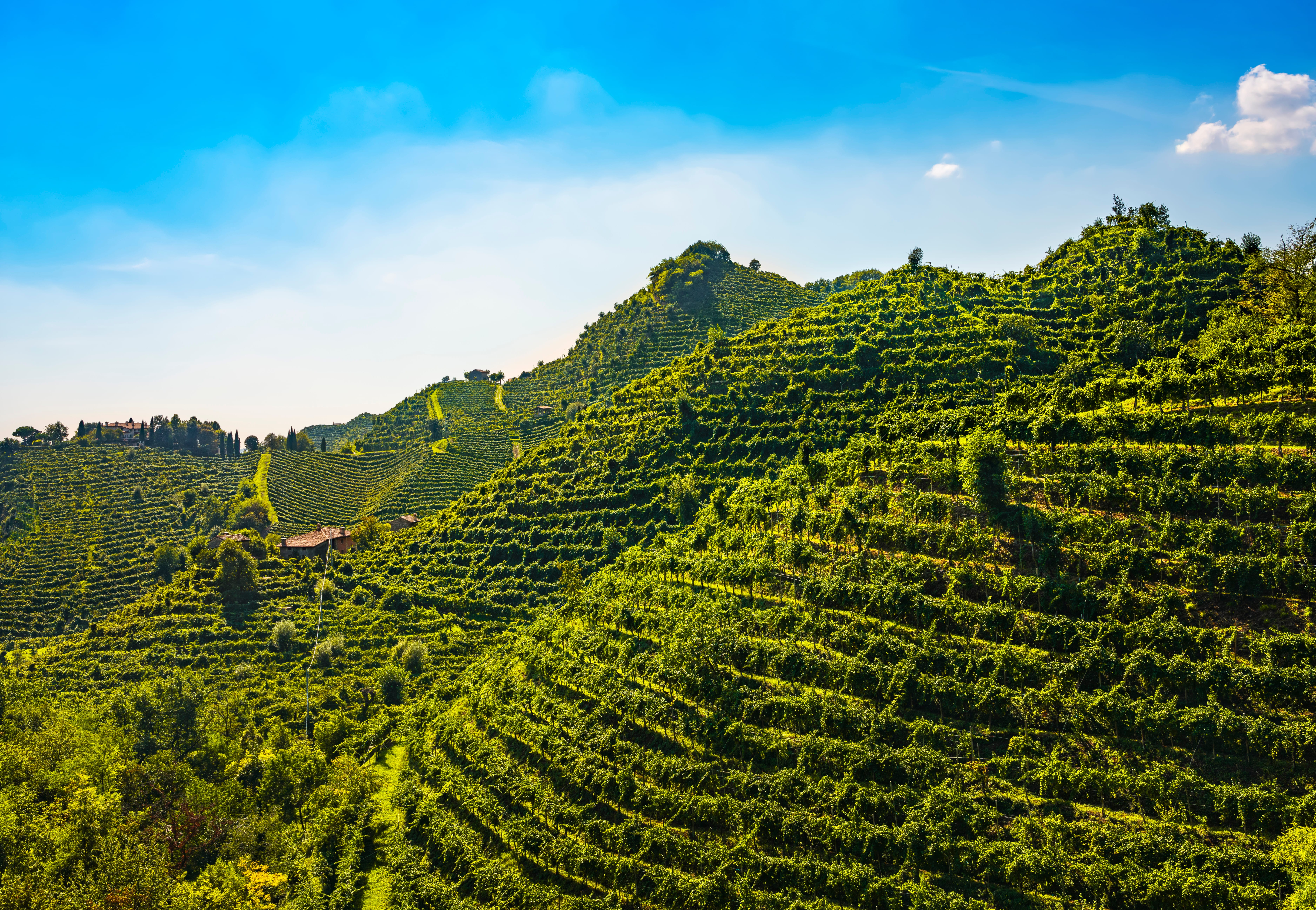
The Air up There: The variables affecting high elevation terroir include cooler temperatures, drier air, more intense sunshine, wider diurnal temperature fluctuations, and well-drained soils—as described below.
Temperature: As everyone who has ever hiked the mountains knows…temperatures drop at higher elevations. To be as precise as meteorology can be, you can expect the ambient temperature to drop approximately 6.5 degrees Celsius (11.7 degrees Fahrenheit) for every 1,000 meters (3,280 feet) gained in elevation. (That’s 3.5 degrees F for every 1,000 feet in elevation.) These cooler temperatures slow ripening and retain acidity—this can lead to concentrated aromatics and flavor precursors bursting at the seams. In the case of grape flavor complexity, low and slow ripening wins the race.
Sunshine: High elevation equals more sunshine—for every 1,000 feet of rise, the intensity of UV rays can increase by as much as 10% to 12%. Grapes adapt to this solar intensity by developing thicker skins, resulting in wines with deep color and ripe, concentrated tannins.
Wind and Fog: Air streams encounter more friction at lower elevations, so the higher the altitude, the windier it gets, and the drier the air remains. The wind can keep temperatures low and also relieve some disease and fungus pressure—mold does not like dry vines. In addition, high elevation vineyards are often situated above the fog line…another vote for dry air.
.
Wide Diurnal Temperature Swing: All of this dry air means that there is a lack of cloud cover and humidity to hold in the heat overnight. Rather, as soon as the sun sets, the warm air rises and the temperature drops quickly. This creates the lovely cycle of sunny, warm days (where endless sunshine equals efficient photosynthesis and lots of sugar production) followed by cool nights (minimizing the loss of acidity due to respiration).
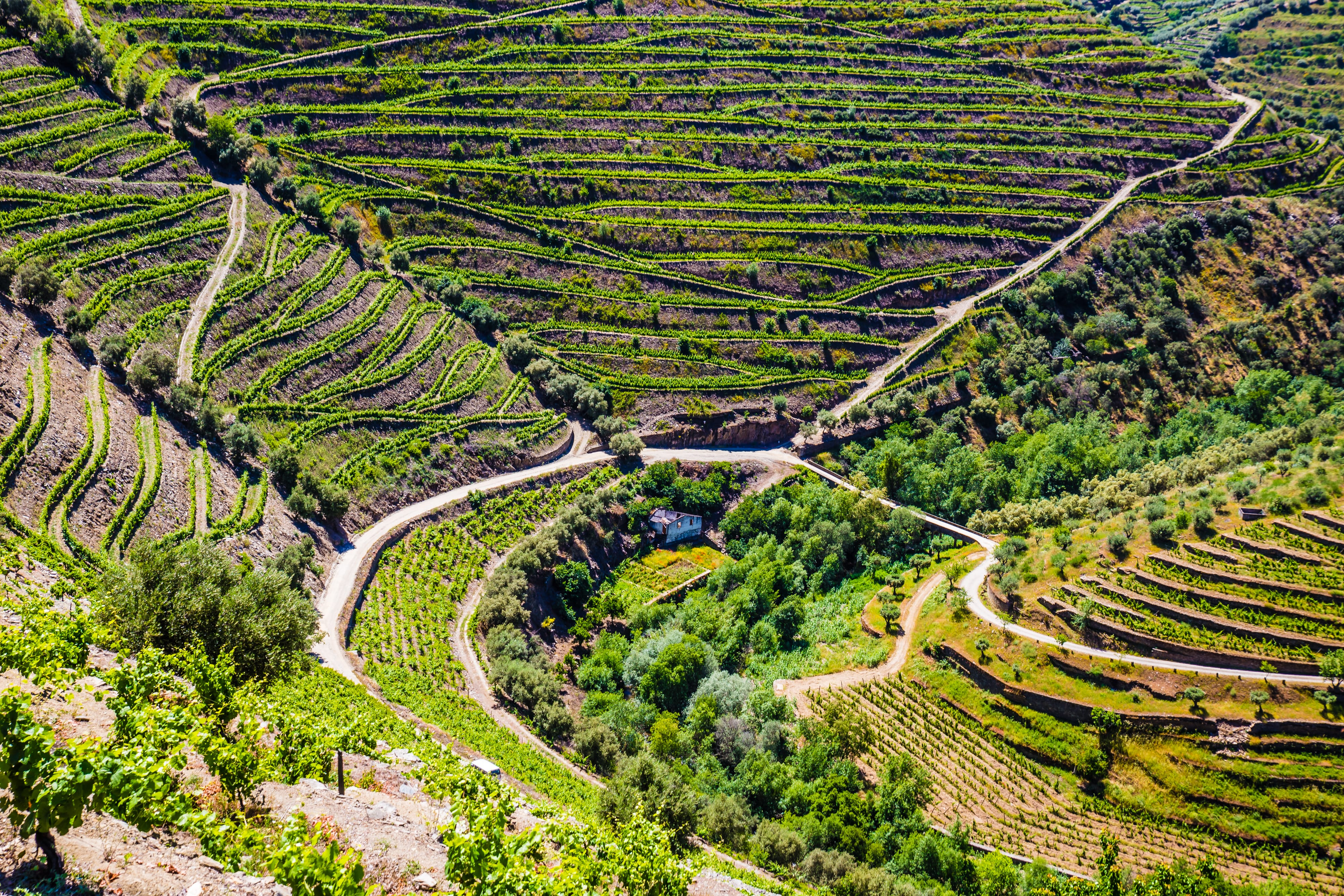
Soil Drainage: Steep slopes can promote erosion and soil runoff, leaving behind thin, rocky, well-drained soils. These rugged soils are typically low-fertility and therefore naturally produce lower yields—resulting in smaller grapes with less volume and highly concentrated aromas and flavors.
High Elevation Wines at their Best: It is one of the wine world’s best vinous conundrums: high elevation vineyards produce low-yield, high-quality fruit that can, in turn, produce wines with concentrated flavors, rich tannins, and deep color, while retaining a lively elegance along with impressive levels of acidity. Worth the climb!
The Bubbly Professor is “Miss Jane” Nickles of San Marcos, Texas… missjane@prodigy.net
 About bubblyprof
 The Bubbly Professor