The Electric Kool-Aid Acid Test*
July 12, 2013 3 Comments
A lot of the students in my introductory wine classes have a hard time coming to terms with acidity in wine. It’s like the word “acidity” reminds them of battery acid, stomach acid, or Jerry Garcia’s long strange trip.
 While its easy to understand how acidity does not sound appealing, its a very important flavor component in wine; perhaps even the most important. I can usually bring the class over to “my way of thinking” by comparing acidity in wine to acidity in food. Everyone understands that a boring burger can benefit from a few slices of pickle or tomato, both of which add a wallop of acid. Even the ketchup on that burger is highly acidic, although our tongues are much too interested in its sweetness to notice the zing.
Chemically speaking, acid is present in minute quantities in wine; it generally makes up only about 0.5% to 0.7% of the overall volume of a wine. However, its presence is one of the main flavor differences between fine wine and unfermented grape juice. Acidity gives a wine “liveliness” or “bite”. Without sufficient acidity, a wine would taste flat, neutral, boring, and bland. Who needs that?
When leading my students through their very first tasting, I have them direct their attention to the sides of their tongues where (despite the frequent bashings of the puedo-science of the “tongue map”) we have a unique set almost gill-like taste buds that are highly sensitive to acidity.
Directing them to pay attention to the “level of zing” and not any associated aromas or flavors, we try to agree on one of the following non-scientific descriptors to apply to the level of acidity in our wine:
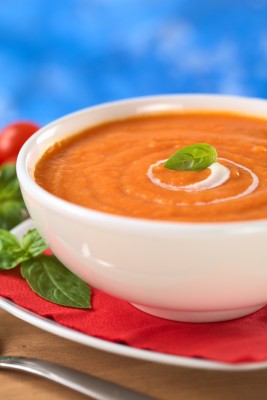 Flat: If the wine has no noticable “zing,” we call it flat. I tell the students to compare the level of zing in the wine to the taste of butter. Of course, butter has almost no acid; it tastes flat. That’s the point. Also, I would never serve my students a flat wine, but at this point in the class they don’t know that yet! A wine that is flat lacks acidity has no depth or complexity. A “flat” wine is missing one of the basic building blocks of flavor.
Soft: I ask my students if the wine has just a touch of acidity…like cream of tomato soup or blackberries. A soft wine has low acidity compared to many wines, but is still well-balanced, mellow, fruity, and pleasant. A wine with soft acidity is generally easy to drink. You may sense just a touch of acidity, and have a slight physiological reaction to a soft wine. (Fyi, both cream of tomato soup and blackberries clock in at about 3.9 pH….just about where the softest wines should land.)
Fresh or Refreshing: A fresh, or refreshing, wine has enough acidity to balance the fruitiness and make the wine interesting and your mouth feel clean. The main impression a fresh or refreshing wine leaves on your palate is one of refreshing the palate. The term is used for a pleasant white wine that is perhaps not too complex – think Moscato d’Asti, Australian Viognier or warm-weather Chardonnay. This term is also well-used for many red wines such as ripe Zinfandel or Mendoza Malbec, although beginning tasters generally don’t understand the difference between acidity and bitterness. That’s a lesson for another day.
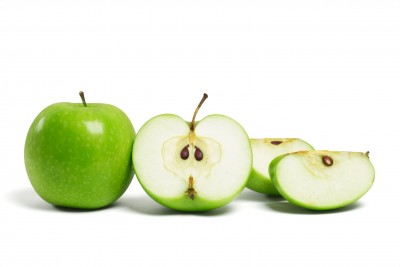 Crisp: Imagine biting into a ripe green apple. The sides of your mouth pucker up, and yet it tastes great…good flavor accompanied by balanced acidity and fruit. But maybe a bit too tart for those who would prefer a red apple or a nectarine. A crisp wine’s acidity is easily recognizable but does not overwhelm the flavor of the wine. You will feel a slight prickly sensation on the sides of your tongue. You can taste the acidity, but the other flavors come shining through as well. Pinot Noir, Beaujolais, Chablis, White Bordeaux, many Italian White Wines, and other warm-weather white wines have a good chance of being well-described as “crisp.”
Lively: Think of the vibrant acidity accompanied by a whoosh of flavor that you experience from a green apple Jolly Rancher candy. A lively wine that has a perfect balance of acidity, and is bursting with flavor. This term is used for wines that have fuller flavor than wines described as “crisp,” such as many sparkling wines (the bubbles emphasize the acidity), California Sauvignon Blanc, or any other white wine that has avoided malo-lactic fermentation or was the result of a cool climate or year.
 Tart: Four words: New Zealand Sauvignon Blanc. One more word: grapefruit. A tart wine is noticeably acidic. If you are a ceviche-loving type of person who would rather have a dill pickle than a cookie for a snack, this might be your favorite type of wine. (It is mine, but then my mother once had to explain to me that peeled lemons were not an appropriate snack.) This is a high-acid wine that leaves sharp, almost hard impression on your tongue. This wine will cause a physiological reaction in your salivary glands, but is not overwhelmingly acidic and not yet sour.
Sour: If the wine reminds you just a bit too much of biting down on a freshly sliced lemon (or, worse yet, lime wedge), you have a wine that is out of balance with too much harsh acidity. This is generally a negative term a might represent a defect in the wine (as would a “flat” wine). A sour wine will remind you more of vinegar and may imply that the wine has spoiled. If you were served this wine in a restaurant, return it. If you were served this wine at someone’s house, you might just have to sit there and cry.
Other terms I have used to describe acidity include: sharp, vibrant, snappy, snap-crackle-pop, electric, intense, bright, precise, daggar-like, zing, tongue-curling, acidic spark, or a flavor such as “cherry-like acidity” or “a squirt of lemon”. Or my personal favorite…scandalous.
What’s your favorite?
The Bubbly Professor is…”Miss Jane” Nickles of Austin, Texas….missjane@prodigy.net
*Kudos to any readers who caught the reference to Tom Wolfe’s famous book about Ken Kesey, “The Electric Kool-Aid Acid Test.” If you got the reference, you are probably my age (congrats on making it past your 40’s). If you didn’t, you might recognize the brillant, white-suit wearing Mr. Wolfe as the author of “The Bonfire of the Vanities” and “The Right Stuff.”



 The Bubbly Professor