The Outer Limits: the Châtillonnais

Map via http://www.bourgogne-wines.com (click to enlarge)

If you look at a detailed wine map of Burgundy, you’ll notice that Chablis is way off to the northwest—about 80 miles from the tip of the Côte de Nuits at Dijon, and completely located within the Yonne department.

If you keep looking, you’ll see that there is another batch of vineyards up there to the north, but this group is about 40 miles east of Chablis, and therefore a bit closer to Dijon. This is the Châtillonnais (not to be confused with the Chalonnaise, which is at the other end of Burgundy). The Châtillonnais is a group of vineyards clustered around the town of Châtillon-sur-Seine, located within the Côte-d’Or department, and very close to the Aube department (and the southern boundary of the Champagne region).

The Châtillonnais does not have its own AOC, but the vineyards here produce wine under the regional AOCs of Burgundy.

The area is particularly well-known for its Crémant de Bourgogne AOC. There are about 250 hectares (600 acres) of vines, mostly planted on limestone soils along south/southeast facing slopes, with many facing the Seine and Ource Rivers.  The area is mostly planted to Chardonnay and Pinot Noir, with a small amount of Gamay and Aligoté as well. All of these grapes might make their way into the wines of the Crémant de Bourgogne or Bourgogne AOCs.

The area has a long history of wine production—at least 2,000 years. If you visit the area, you need to stop into the Museum of Pays Châtillonnais – Trésor de Vix. Here you’ll find what some people refer to as “the world’s largest tastevin,” however, take a deep breath because that description is not really giving the museum its due.
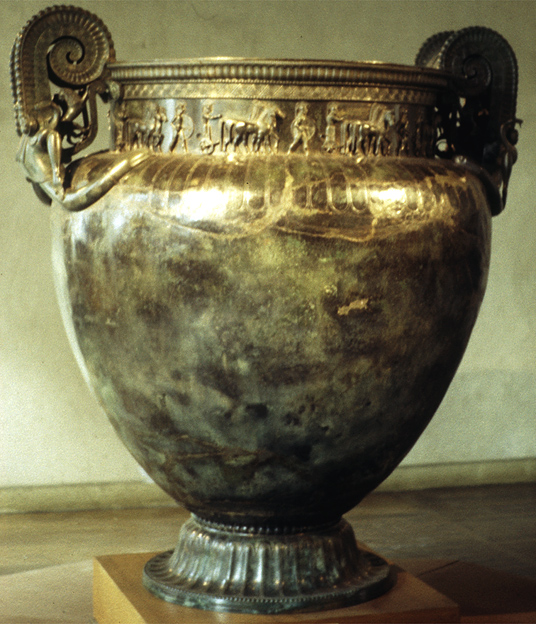
Remember, this vessel is over five feet tall!      Photo by Peter Northover (Oxford) via Wikimedia Commons

What you can actually find here—of great interest to wine lovers, I would think—is an artifact from 500 BC known as the Vix Krater. The Vix Krater, found in the town of Vix (about 6 km north of Châtillon-sur-Seine), is the largest known metal vessel from Western classical antiquity, at over 5 feet in height. It is believed that the vessel was used to mix water and wine which was then served to guests.

The Vix Krater is part of the burial mound of the Lady of Vix and was found alongside a great deal of jewelry and—amazingly—a large complex of two or three buildings now referred to as “the Palace of the Lady of Vix”.  The famous site was excavated beginning in 1953 by the French archaeologist René Joffroy.

Upon unearthing what is most definitely one of the world’s oldest and largest wine vessels, I certainly hope the team celebrated with several glasses of wine—perhaps even some of that delicious, locally-produced Crémant de Bourgogne!

References/for more information:

The Bubbly Professor is “Miss Jane” Nickles of Austin, Texas… missjane@prodigy.net

The Outer Limits is my series of appreciative posts about small, obscure, or out-of-the-way wine regions.
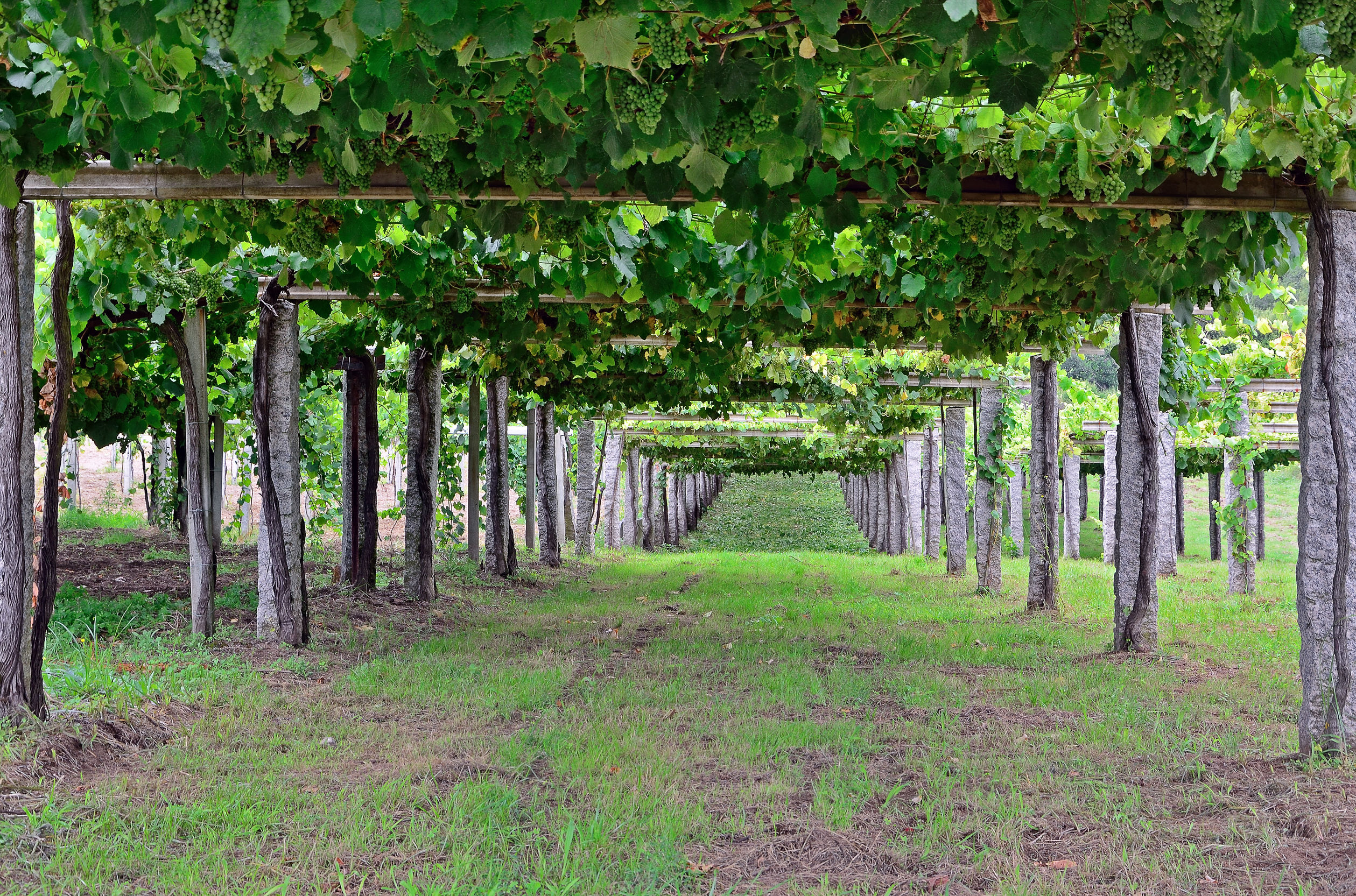
 

Rah-Rah Rías!

.

As a wine lover, you must surely have a place in your heart for Rías Baixas, the lovely, Albariño-based white wine from Northern Spain.* Crisp and floral, fruity and refreshing, the wines of Rías Baixas are a white wine lovers dream.

However…do you know what a ría is? The word itself sounds a lot like “río,” so you might just assume that it is a local term for “river.” In which case, you would be just a little bit correct.

A ría is actually a type of estuary. There are several types of estuaries, all of which abide by a definition such as the following:

  • Estuary: A partially-enclosed body of water, located on the coast, formed where one or more streams or rivers flow into the ocean. An estuary contains a body of brackish water (a combination of salt water and fresh water) and has an open connection to the sea.

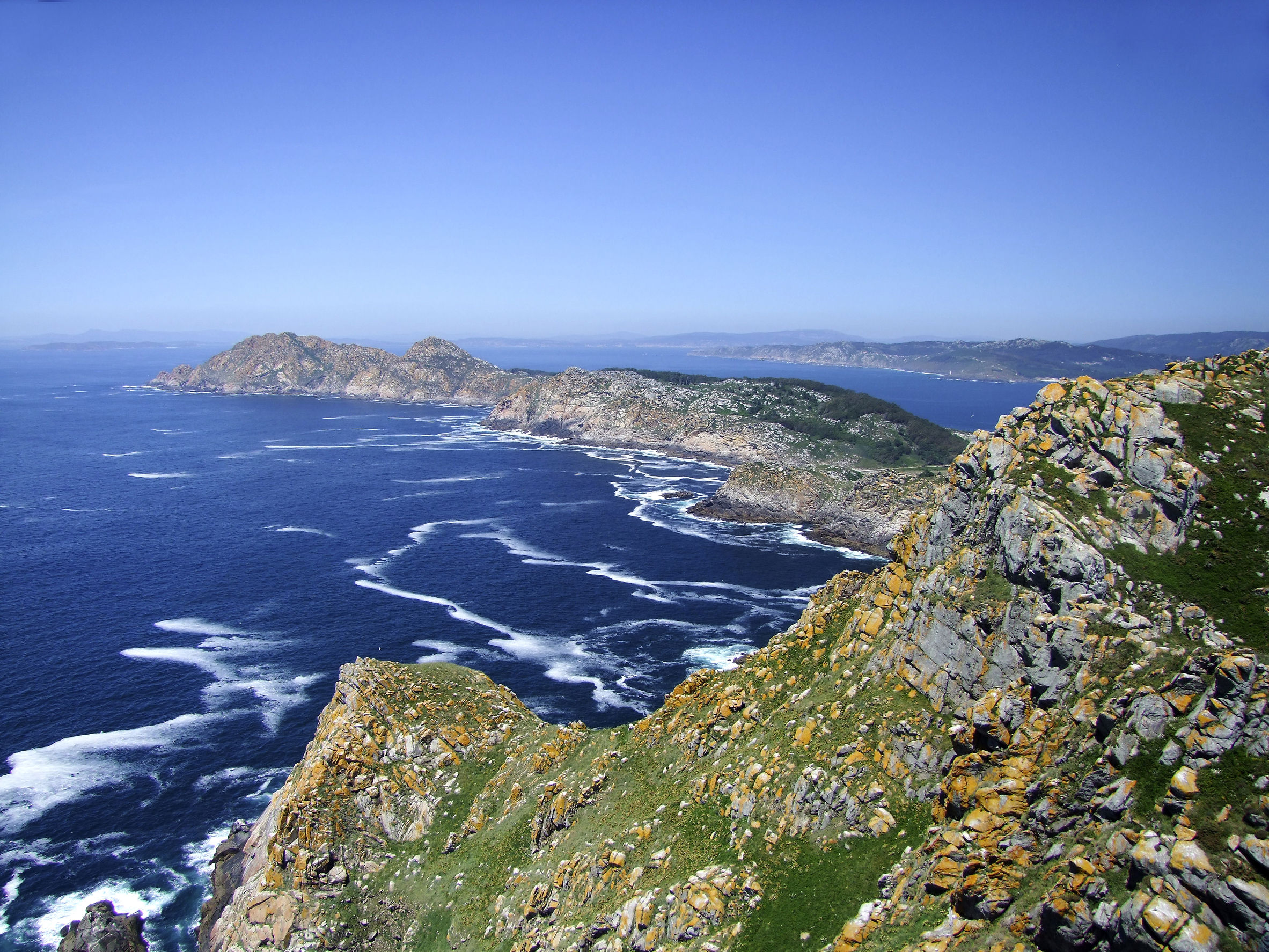
The Cies Islands

A ría is therefore a type of estuary, also known as a drowned river valley or a coastal plain estuary. Rías were formed at the end of last ice age at places where the level of the sea rose in proportion to the coast, and sea water seeped inland into the river valleys. Rías retain the original shape of the river and are usually quite shallow. Rías typically have very rugged, jagged outlines and often include islands as well.

In the United States, Chesapeake Bay, Delaware Bay, and Galveston Bay are all rías. Well-known rías in other parts of the world include Marlborough Sounds (on the northern tip of New Zealand’s South Island), Sydney Harbor in Australia, and the Fiordo di Furore in Campania, Italy (which is technically a ría despite its name).

The coast of Galicia is lined with rías. Those in the north are referred to as the “Rías Altas” (Upper Rías) and are aligned along the “Coast of Death.” Well, the area is not technically referred to as the Coast of Death, but the Galician “Costa da Morte” is a nickname for the region, so-called for the turbulent nature of the waters that in the past led to many shipwrecks.

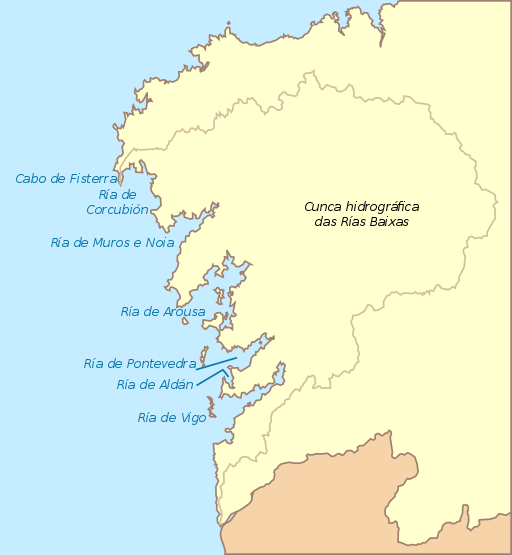
Diagram of the Lower Rías by Hidrogalicia_ES, via Wikimedia Commons

The sea around the Rías Baixas, (the “Lower Rías”) is calmer, due in part to the presence of islands. The DO itself in comprised of five discontinuous areas, located close to four rías. These are, from north to south:

  • The Ría de Muros e Noia; formed where the Tambre River meets the sea. This is the smallest of the four rías and the only one not to have an island near the mouth.
  • The Ría de Arousa; formed where the Ulla River meets the sea. This is the largest of the five rías. The Ría de Arousa has two lagoons, as well as a large area of sand dunes known as the Dunas de Corrubedo.
  • The Ría de Pontevedra, located around the delightful, vacation-worthy town of the same name, is located where the Lerez River meets the sea. This ría contains a small inlet known as the Ría de Aldan.  Two small islands, Isla Ons and Isla Onza, are situated at the mouth of the ría. The islands are part of the Parque Nacional Marítimo-Terrestre de las Islas Atlánticas de Galicia.
  • The Ría de Vigo, the southernmost, is formed where the Verdugo River meets the sea. The Cíes islands, located at the mouth of the ría, make the area a safe port, and many beautiful marinas are located here.

*Technically, the white wines of the Rías Baixas DO may be produced using Albariño, Loureira, Treixadura, and Caiña Blanca grapes, along with small amounts of Torrontés or Godello—in various proportions depending on label terminology and the sub-region. The DO is also approved for the production of red wines based on Caiño Tinto, Espadeiro, Loureira Tinta, Mencía, Brancellao or Sousón.

The Rande Bridge over the Ría de Vigo

For the geo-curious: other types of estuaries include the following:

  • Fjords: Fjords are deep, steep-sided estuaries formed by glaciers. As the glaciers advanced, they would deepen and widen the original river valleys; at the end of the ice age as the glaciers retreated, they left behind the fjords. Fjords can reach depths of up to 1,000 feet (300 m). The coast of Norway is well-known for its numerous fjords; fjords also make up portions of Puget Sound (Washington State), Glacier Bay (Alaska), and Milford Sound (New Zealand).
  • Lagoons: Common in tropical areas, lagoons are formed in areas where sediment is deposited at the same rate as the sea level rises to form a body of brackish water separated from the sea by a sand spit or barrier islands. Lagoons are typically quite shallow and parallel to the shoreline, as seen in New Jersey’s Barnegat Bay and Italy’s Venetian Lagoon.
  • Freshwater Estuaries: Freshwater estuaries occur where rivers flow into fresh-water lakes. The Great Lakes, located in the United States and Canada, contain many freshwater estuaries.

Other references/for more information:

The Bubbly Professor is “Miss Jane” Nickles of Austin, Texas… missjane@prodigy.ne

Five Fast Facts about Agave

.

Today is Cinco de Mayo, a day to celebrate all things Mexican, and more specifically, a day to commemorate the Mexican Army’s unlikely victory over French forces at the Battle of Puebla on May 5, 1862.

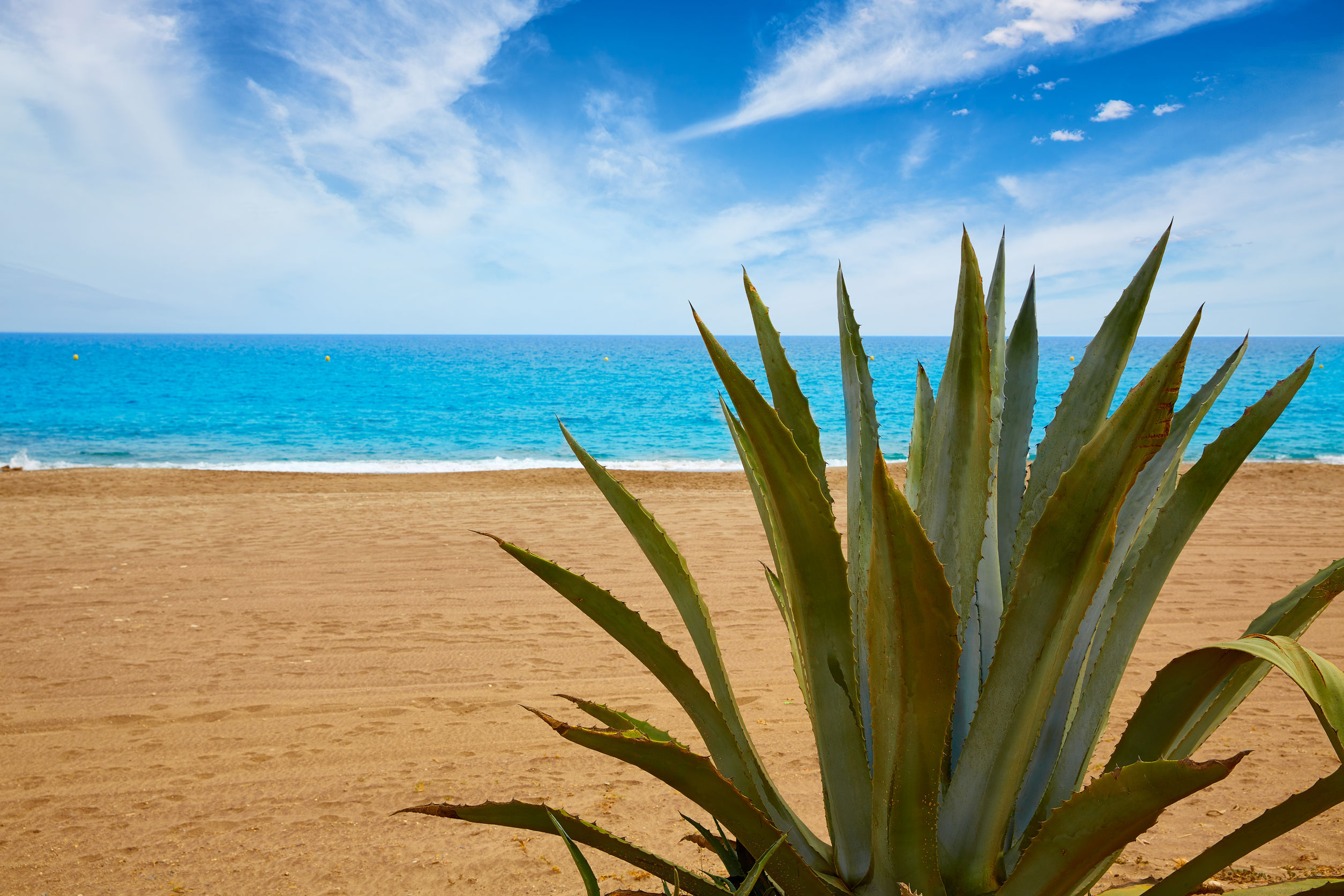
Here in the USA, we typically frame our annual celebration of Mexican culture in terms of food and beverage (well, especially the beverages) so it is likely that a great deal of tequila and mezcal will be consumed today and all through the night. As such, I thought I would take this opportunity to write a post all about Agave. Agave is (of course) the amazing plant that gave us tequila and mescal, but there is so much more to know about agave.

#1: Depending on how you break it down, there are somewhere between 130 and 208 species of Agave (it’s an unwieldy family that defies classification in some ways). Agave is a type of monocot (a group of flowering plants whose seeds typically contain only one embryonic leaf). Agave is native to Mexico and some parts of the American southwest, as well as parts of South America. Agave has been successfully introduced to Europe and South Africa.

.

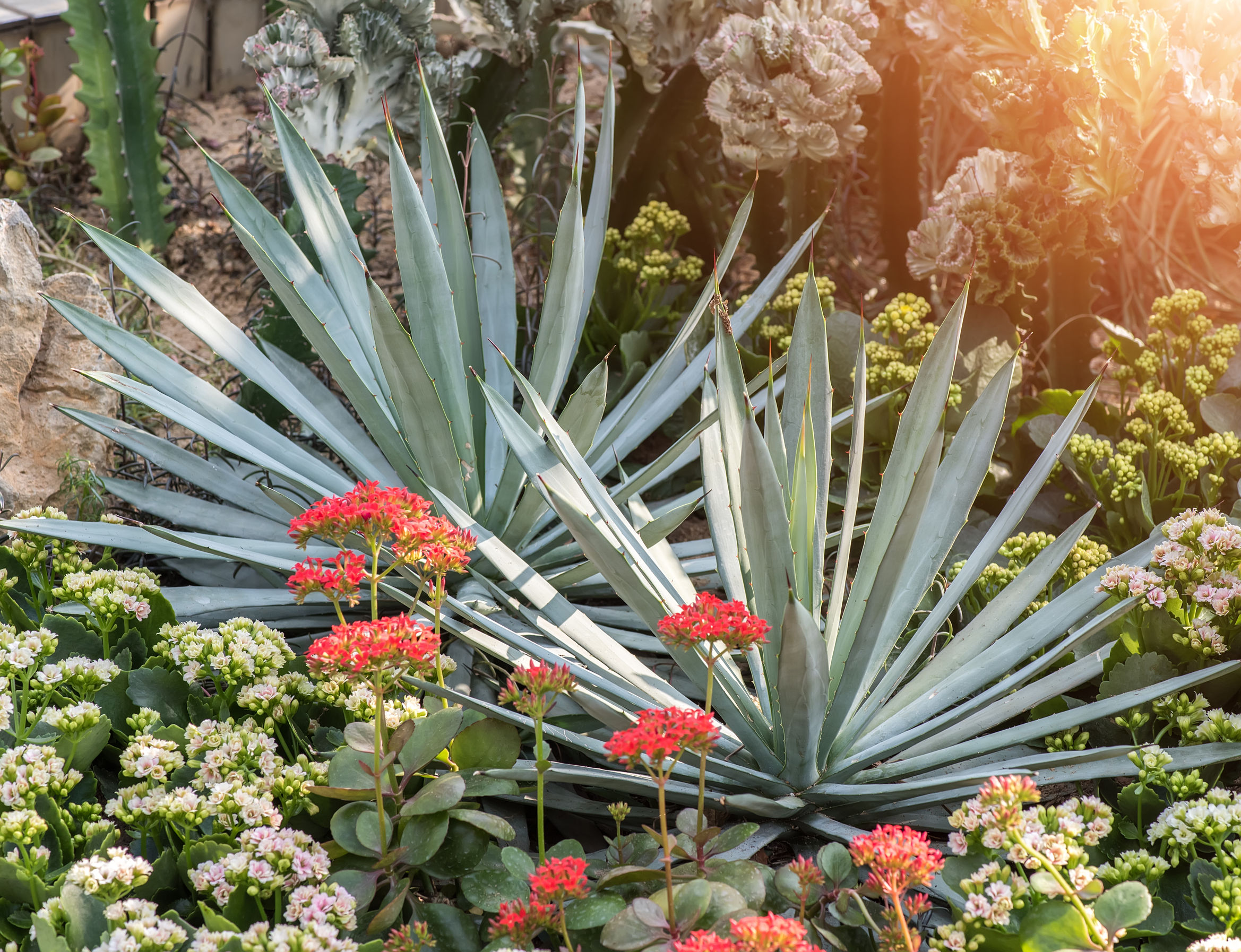
#2: Contrary to popular belief, Agave is not a cactus, but rather it is a member of the Agavaceae family and closely related to both the lily family (amaryllis) and asparagus. Agave is, however, a succulent (loosely defined as a group of plants with thick, spongy leaves that store water). So, agave is a succulent, and cactus is a succulent, but agave is not a cactus.

#3: According to William H. Prescott (American historian and botanist, 1796–1859), agave was used by the population of Mexico for more than just beverages. A portion of his book, The History of the Conquest of Mexico, (1843) reads: “Its bruised leaves afforded a paste from which paper was manufactured…its leaves further supplied an impenetrable thatch for the more humble dwellings. Thread, of which coarse stuffs were made, and strong cords were drawn from its tough and twisted fibers; pins and needles were made from the thorns at the extremity of its leaves; and the root, when properly cooked, was converted into a palatable and nutritious food.”

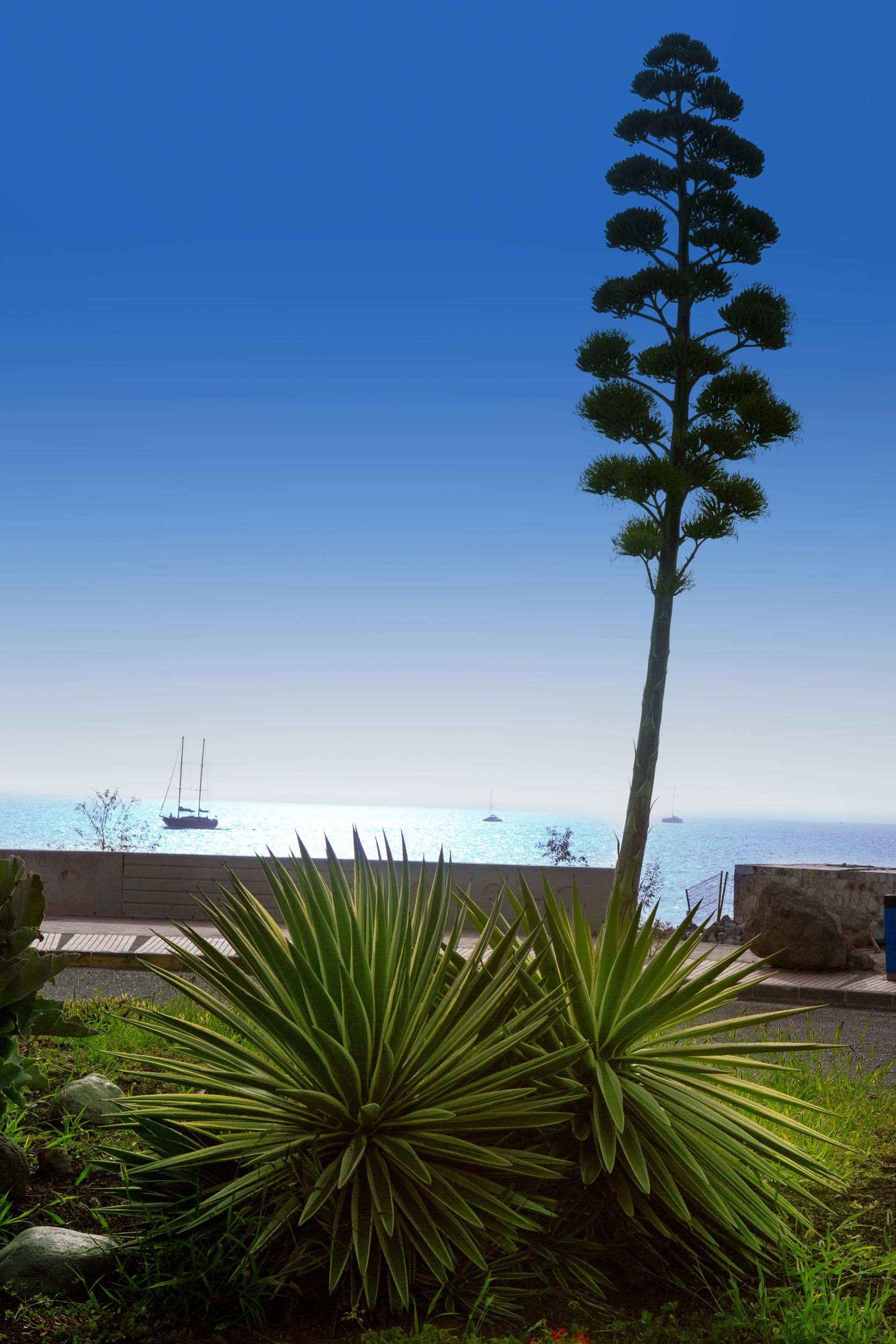
#4: Agave is monocarpic – meaning they die after flowering. So whether the plant is allowed to grow its flower stalk and spread its seeds, or if the flower stalk is removed to allow the stem to swell (as for use in tequila), the plant is still going to die after reaching sexual maturity. Luckily for the agave, most plants take six to eight years to reach this point, and some—such as Agave americana— take much longer. Agave americana is often referred to as the “century plant” because it supposedly takes a century to bloom, but in reality it is closer to 15 to 20 years.

.

#5: Agave nectar (more accurately called agave syrup) is a sweetener commercially produced from several species of agave, including Agave tequiliana and Agave salmiana. Agave syrup is sweeter than honey and tends to be less viscous. Most agave syrup comes from Mexico and South Africa. Agave syrup has been marketed as a “healthful” sweetener, but this fact has been the subject of criticism due to its very high fructose content. It is, however, a true vegan alternative to honey, and – because it dissolves quickly and is sweeter than pure sugar – it is useful in (you guessed it) cocktails!

One more note: If you plan on having a wee bit of tequila to celebrate Cinco de Mayo, why not step away from the sweet-and-sour-laced frozen Margarita and try a classy, classic Paloma! Click here for a recipe.

References/for more information:

The Bubbly Professor is “Miss Jane” Nickles of Austin, Texas… missjane@prodigy.net