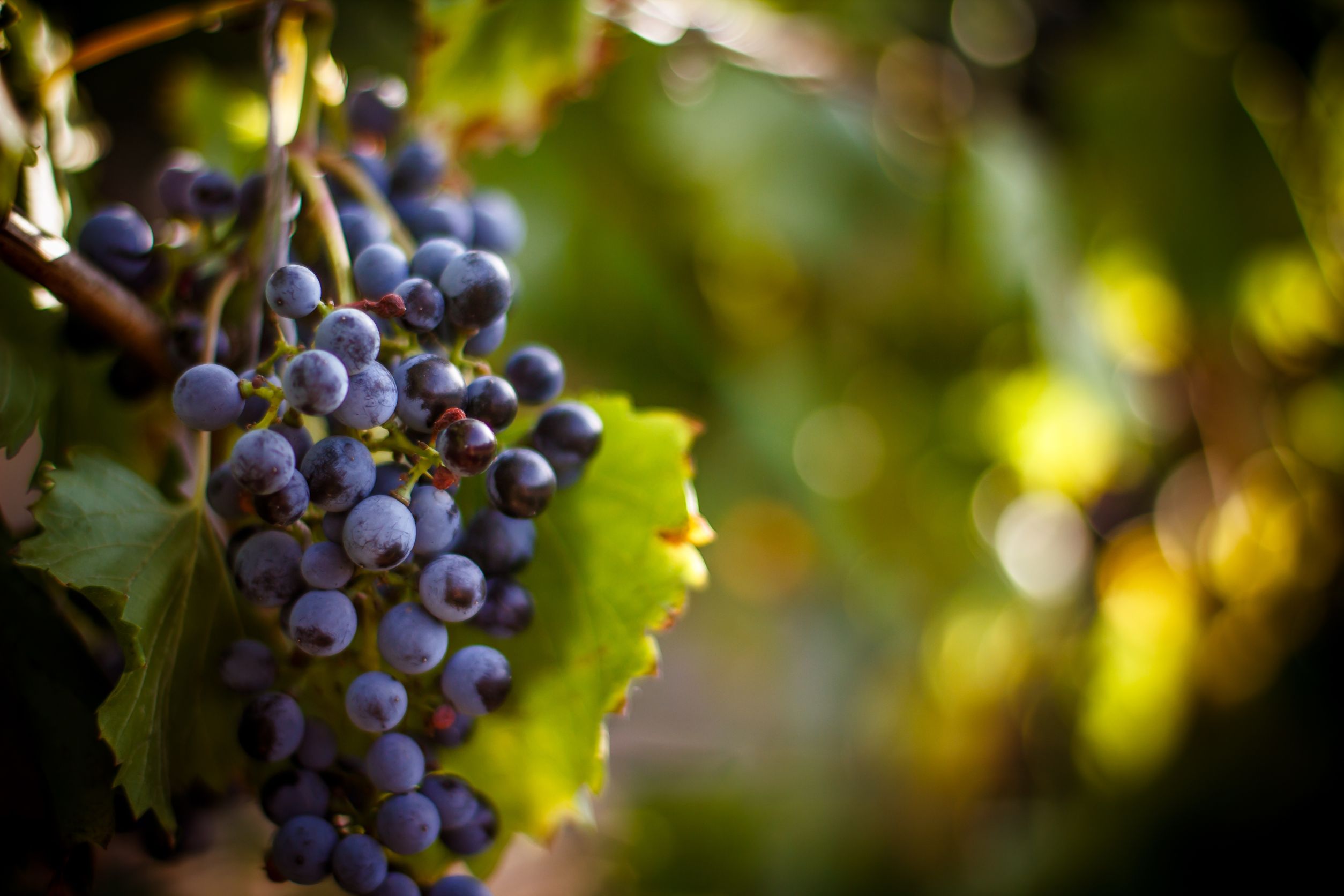
Grape Invaders: Caladoc, Rosé du Var, and Couston

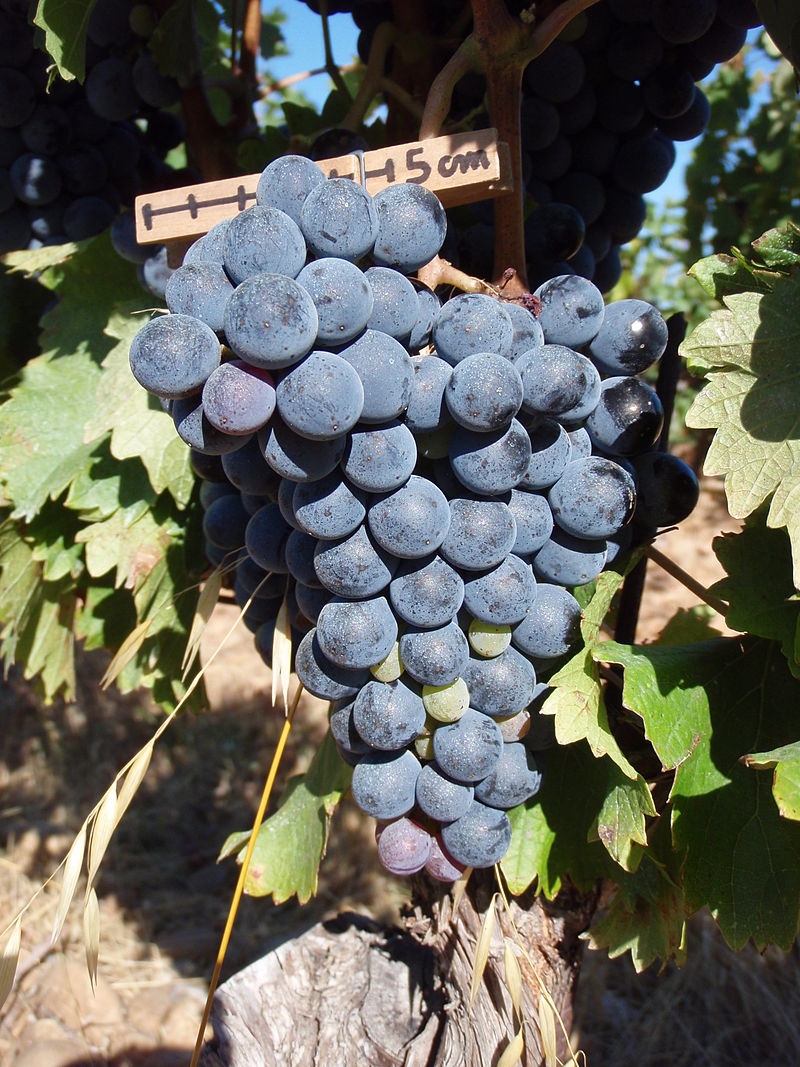
Photo of Caladoc by Vbecart, via Wikimedia Commons

A few weeks ago (on November 15 and 16, 2017),  France’s National Committee of Appellations of Origin (INAO) relating to wine and spirits held a meeting. In addition to discussing the yields and conditions of the 2017 harvest, the committee approved a few requests for experimentation within the scope of some existing AOCs.

A few of these were quite interesting. For instance, the Blanquette de Limoux AOC is going to test machine harvesting, and the three AOCs of Chablis (Chablis AOC, Chablis Grand Cru AOC, and Petite Chablis AOC) are going to test the use of anti-hail netting.

However, what really caught my eye was the approval of some experimental plantings in two AOCs. Two experimental grapes— Caladoc and Rosé du Var—were approved for testing in the Côtes de Provence AOC. Caladoc was also approved as a test subject in the Côtes du Rhône AOC, as was Couston. I am not too familiar with any of these grapes, so now seems like a good time to do some research on these grapes. Here’s what I found out:

Caladoc: Caladoc is a red-skinned grape, created as a Grenache X Malbec cross by Paul Truel while working in Montpellier in the 1950s. The goal, which was achieved, was to create a variety resistant to coulure (shatter). The grape produces red wines that are deeply colored, full-bodied, and tannic, but it is most often used in fruity rosés.

Caladoc is currently planted to more than 6,000 acres (2,420 ha) in France and is used in Vin de France and Vin de Pays, but it is not approved for any AOC-level wines. However…the grape is quite respected in Portugal, and allowed for use in at least seven DOCs, including Arruda, Alenquer, Torres Vedras, Óbidos, Do Tejo, Beira Interior, and Encostas d’Aire. The grape has also made its way to Spain, Argentina, Lebanon, and Brazil.

Rosé du Var: Rosé du Var is a pink-skinned grape variety native to the Var département of Provence—an area also famous for Fréjus Cathedral, Bandol, and the beaches of Saint-Tropez. The grape also goes by the name Roussanne du Var—but (confusingly, but not surprisingly) it is not related to the Roussanne of the Rhône. The parentage of Rosé du Var has not been confirmed, but it is believed to be one of the many offspring of Gouais Blanc.

Rosé du Var grapes form big bunches and big berries, and can be vinified into white or rosé styles of wine—neither of which tend to be very flavorful. It is perhaps for this reason that the grape variety is not currently approved for use in any of the AOC wines of France, although you will find it used in both blends and varietal wines in Vins de France and IGP/Vins de Pays (particularly in Provence and other areas in southern France).

Photo of Couston by Vbecart, via Wikimedia Commons

Couston: This grape appears to be quite an obscurity (it didn’t even show up in the wine grape tome-of-tomes, Wine Grapes [see below]). I did find a few websites with a bit of information, and it does appear in the Catalog of French Wine Grapes. From these few references, I was able to find out that Couston appears to be a natural crossing, discovered by one Mr. Julien Couston, in the 1970s. The grape is believed to be the offspring of Grenache and Aubun Noir (a red variety native to the Northern Rhône). Couston is a vigorous vine known to produce grapes capable of creating full-bodied, full-flavored, and tannic red wines with rich cherry-like aromas.

It is anticipated—but by no means assured—that the INAO will sometime in the future approve these grapes for limited use in the above-mentioned AOCs of France. In all likelihood, if they are approved, they will be limited to a certain percentage (10% to 20%, for instance) of the final blend. We’ll have to wait and see what happens!

References/for more information:

The Bubbly Professor is “Miss Jane” Nickles of Austin, Texas… missjane@prodigy.net

Crafty Cocktails: The Staycation/Aviation

Classic Aviation Cocktail

It’s no secret that folks in the wine and spirits industry tend to travel a bit, and the anh (adorable new husband) and I are no exception. Having just returned from a trip to the Pacific Northwest followed by a 3-week drive halfway across the United States (via weirdly silent-driving-freakish-hybrid rental car) and with the memory of a disastrous trip to Asia (Beijing hospital, Hong Kong emergency room) fresh in our minds, when we recently found ourselves with a long weekend free of work obligations, we decided to stay the h*** home.

As we live in Austin, Texas, there’s no shortage of cool and fascinating things to do around town. We started off with Friday night dinner at Fonda San Miguel, complete with authentic Paloma cocktails, and planned a trip to Genius Liquids distillery on Saturday afternoon. Before I go into details about Genius Liquids, let me just say: if you live in Texas, go visit them. If you like gin, be on the lookout for Genius Gin. This stuff lives up to its name.

To start off our tour, we were met at the door of the tiny distillery by Mike Groener, our brilliant host and one of the owners. He showed us around their facility, complete with a Kentucky-made pot still and shiny copper column still. We were invited to stick our noses in the maceration tanks where neutral spirits take their first step to becoming Genius Gin by soaking with giant “tea bags” of botanicals, and played a sniff-and-guess game with orange peel, cardamom, juniper, and cubeb berries.

All throughout our stay, we tasted through a range of gins, including “regular strength” Genius Gin (47% abv), Navy Strength Genius Gin (57% abv), an absolutely delightful Oaked Genius Gin (50% abv), and the amazingly richly-flavored-yet-somehow-light Old Highborn Texas Dry Gin (50% abv). My favorite was the “regular” version, while Shields preferred the Old Highborn, so we bought one of each.

At the beginning of our tasting, Mike asked us about our preferences in gins and cocktails, and I had mentioned Hendrick’s Gin and the Aviation Cocktail as favorites. Based on my answers Mike predicted that that the “regular” Genius Gin was the best choice for me and as it turns out, he was correct. He also mentioned that it would be an excellent choice for use in an Aviation Cocktail and that got me to thinking…

The Aviation Cocktail is a pre-prohibition cocktail, first mentioned in print by New York bartender Hugo Ensslin in his 1916 book, “Recipes for Mixed Drinks.” The basic recipe is 2 parts gin, 1 part lemon juice, a few dashes of maraschino cherry liqueur, and a few dashes of crème de violette. I assume the name “Aviation” refers to the light blue(ish), purple(ish), clear-sunset-sky(ish) color of the drink.

I feel that the standard recipe needs a bit of sweetness, and I also have my ingrained preferences for liqueurs, so I have always used this formula for the Aviation Cocktail: 2 parts gin, 1 part Luxardo Marsachino, 1 part Creme d’Yvette, 1 part lemon juice, and ½ part simple syrup. My mixing instructions read, “Place in a shaker with crushed ice and toss about like a jet plane in a thunder storm. Strain and enjoy the calming effects.” Imho, it’s delicious.

For the Genius Gin, I wanted to come up with something unique—and I had the perfect ingredient: a brand new bottle of Sacred Rosehip Cup. This is a modern, bittersweet liqueur produced by Ian Hart at his microdistillery—located in his family home in Highgate, North London. Sacred Rosehip Cup is flavored with rosehips, rhubarb, and ginger (among other things). Hart bills it as a “less bitter alternative to Campari” so (shades of Negronis danced in my head) and I thought it would make a great mixer with gin.

Here’s what I came up with: I call it the Staycation/Aviation Cocktail (with a tip of the hat to Hugo Ensslin):

Staycation/Aviation Cocktail (Austin Style)

  • 2 parts Genius Gin
  • 1 part Sacred Rosehip Cup Liqueur
  • 1 part Lemon Juice
  • 1 Luxardo Maraschino Liqueur
  • ½ part Simple Syrup
  • Place in a shaker with crushed ice and shake. Strain into a fancy glass, garnish with a (real) Maraschino cherry, and stay the hell home.

References/for more information:

The Bubbly Professor is “Miss Jane” Nickles of Austin, Texas… missjane@prodigy.net

The Outer Limits: Napa’s Neighbor

.

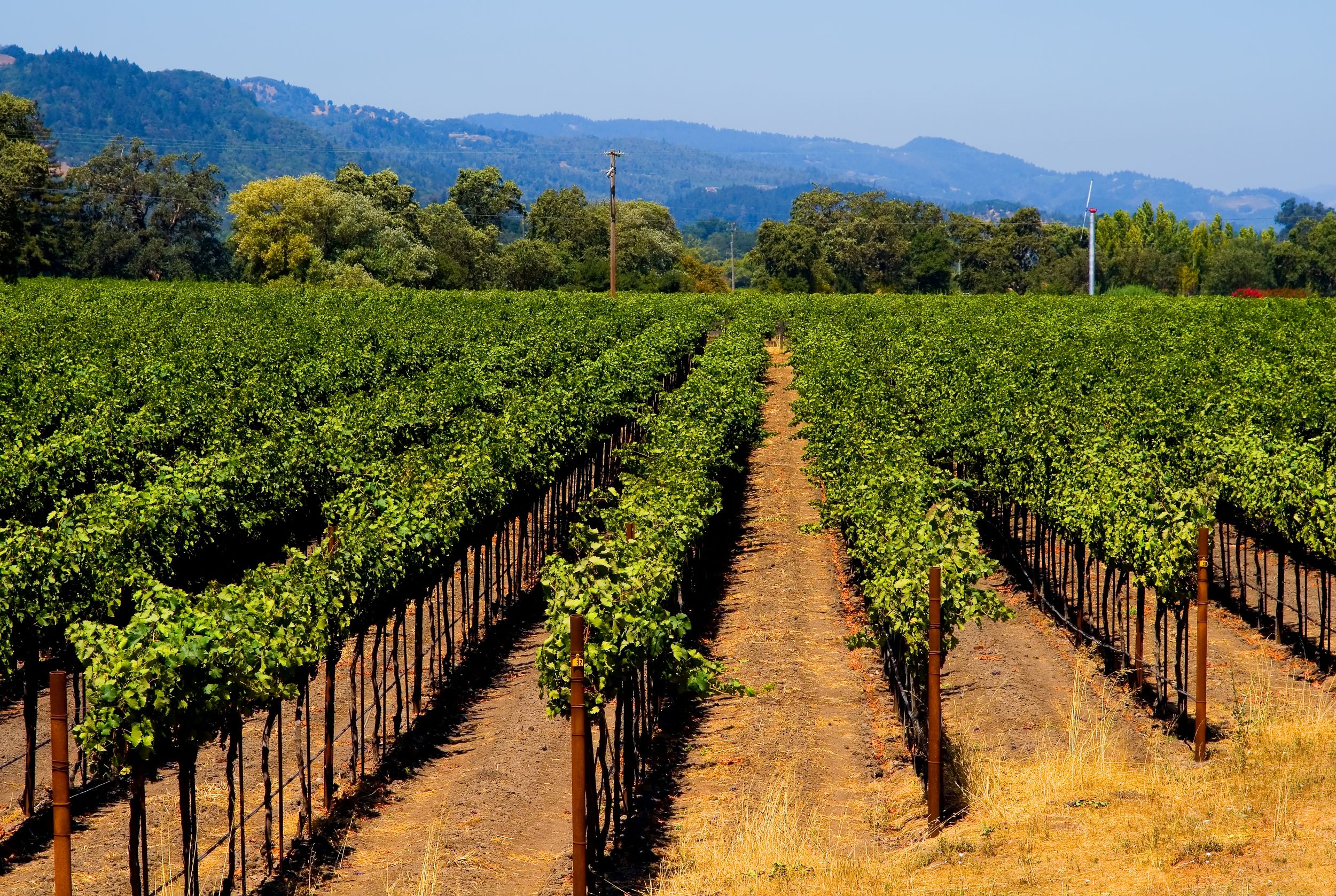
In the southeast corner of the North Coast American Viticultural Area (AVA), the boundary lines of area extend just a few miles beyond Napa County to include about 30,000 acres of Solano County. Here you will find two AVAs—the Solano County Green Valley AVA and the Suisun Valley AVA—literally feet away and across a political boundary from the esteemed Napa Valley AVA. That has to be a bit like being the awkward little sister of a beauty queen, or the geeky big brother of a star football player. However you want to describe it, it has to be tough being Napa’s neighbor.

In the interest of shining some light into this corner of the wine world, here is a bit of information on the AVAs of Solano County, California:

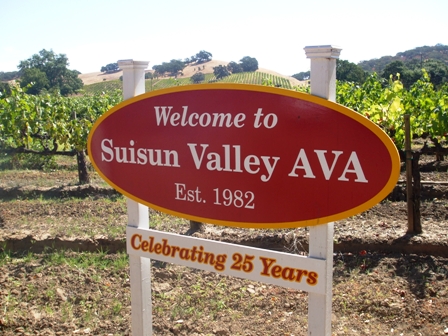
Suisun Valley AVA:  The Suisun Valley AVA, located just to the south of Napa County, lies between the southern edge of the Vaca Mountains (to the east) and the Howell Mountains (also known as the St. George Mountains [to the west]). The AVA is about 8 miles long and three miles wide, covering about 15,000 acres—of which about 3,000 acres are planted to vine.

The Suisun Valley enjoys a relatively cool climate (it is classified as “Region III” under the Winkler Scale), but is significantly warmer at its northern edge. The southern end of the valley, adjacent to Suisun Bay, can be cooler by as many as 14 degrees (F) during the heat of the day. Suisun Bay itself forms the beginning of the Sacramento-San Joaquin River Delta, and is connected via the Carquinez Strait to San Pablo Bay (to the west).

The Suisun Valley was first recognized for the quality of its red wines, particularly Cabernet Sauvignon and Petite Sirah (Durif). These grapes are still widely grown in the area, which is now planted to more than 20 other grapes as well. These include Chardonnay, Sauvignon Blanc, Zinfandel, Pinot Gris, Gamay, and Chenin Blanc.

There are just over a dozen wineries producing wine within the confines of the Suisun Valley AVA, and several dozen more that produce wine under the Suisun Valley appellation while located in adjacent counties. Sunset Cellars, the Vezér Family Vineyard, and Wooden Valley Winery are among the standouts.  The Vezér Family Vineyard calls the Suisun Valley “the Petite Sirah Capital of the World”— who can resist that?

Solano County Green Valley AVA: The Solano County Green Valley AVA (not to be confused with Sonoma’s Green Valley—the Green Valley of Russian River Valley AVA) is smaller and cooler than the Suisun Valley. Solano’s Green Valley AVA measures just about four miles long by one mile wide and has about 800 acres planted to vine.

Solano’s Green Valley AVA is located just to the south/south east of Napa, and enjoys a maritime climate due to its proximity to Suisun Bay. At last count, the area has just a few wineries—including GV Cellars and Rock Creek Vineyard—and just over a dozen independent grape growers.  The area is known for red varieties such as Cabernet Sauvignon, Sangiovese, Dolcetto, Zinfandel, and Petite Sirah, but a handful of other grapes (including Chenin Blanc and Pinot Gris) are grown here as well.

.

Wine production in Solano County has a well-documented history. We know that an Australian by the name of John Volypka planted vines in the area as early as 1858 and was making wine by 1863. Others followed—Harry Schultz soon had a large winery, and by 1879 S.F. Jones had 90 acres of vines and produced 50,000 gallons of wine a year.

In 1952, Ben Volkhardt Jr. bought 80 acres of land in Green Valley. He planted peaches, pears, and grapes, but soon the business focused on grapes and wine. His son—Ben Volkhardt III—joined the business in 1974 and the two formed the Chateau de Leu winery—which survives to this day as GV Cellars (under different ownership).

Based on petitions filed by the Volkhardts, both the Suisun Valley and Solano Green Valley were awarded their AVA status in 1982, making them among the first wave of AVAs approved in California. The first AVA declared in California—in January of 1981—was their neighbor-to-the-north, the Napa Valley. Perhaps you’ve heard of it?

References/for more information:

The Bubbly Professor is “Miss Jane” Nickles of Austin, Texas… missjane@prodigy.net

The Outer Limits is my series of appreciative posts about small, obscure, or out-of-the-way wine regions.

Waitaki World

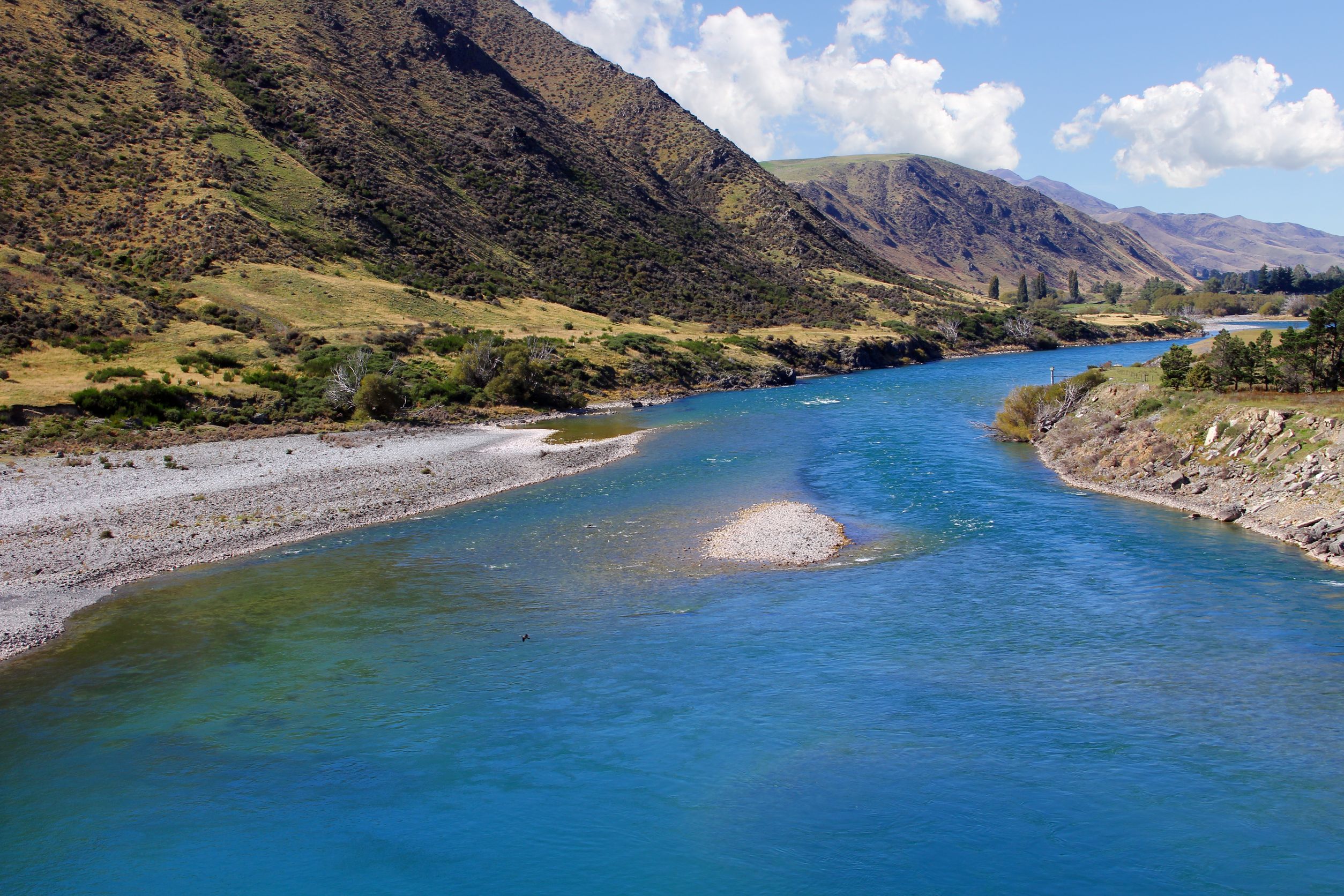
The Waitaki River near Kurow (in the Waitaki District)

Waitaki World—the river, the lake, the district, and two regions for wine

I am a huge fan of everything about New Zealand, in particular New Zealand wines. I’ve been a fan of New Zealand wines since the release of Cloudy Bay Vineyards’ first Marlborough Sauvignon Blanc back in the 1980s. I’ve grown to be an even bigger fan over the years as I’ve been able to experience the rise of Central Otago Pinot Noir, red blends from Hawke’s Bay, serious Méthode Marlborough sparkling wines, and even “carbonated” Sauvignon Brut (delicious).

As such a fan of New Zealand wines, it makes sense that I have been following—with something resembling giddy excitement—the long discussed but newly activated laws regarding the wine and spirit geographical indications of the country. For some background information on the ten-year legal process leading up to this point, click here.)

One thing I discovered during my almost daily check-ins of the website of the Intellectual Property Office of New Zealand/Geographical Indications is that there are two Waitaki Valleys. This was confusing enough, however, upon further research I discovered that there is an entire Waitaki World—including not just the two valleys, but a river, a lake, and a district.  Let’s start at the beginning:

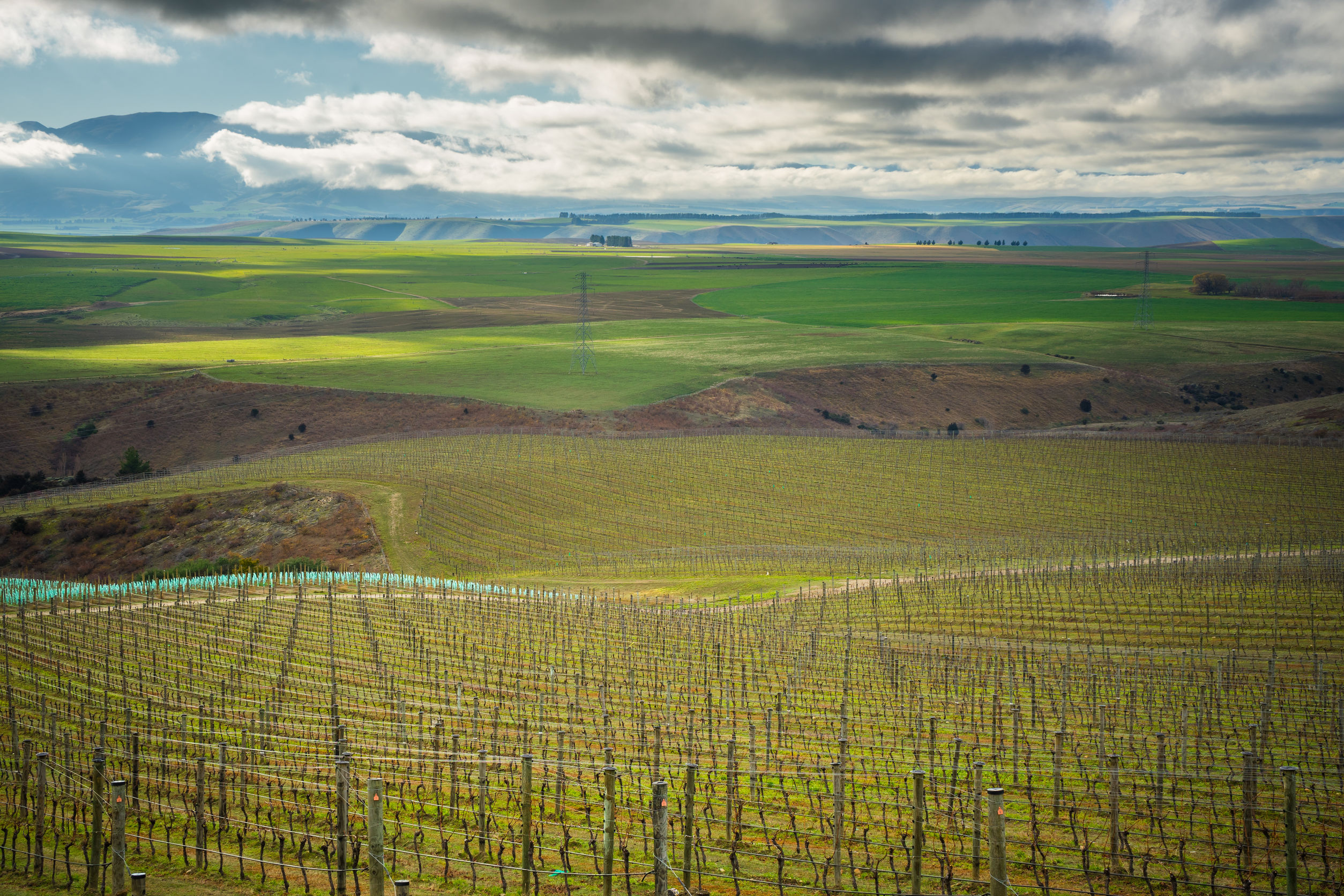
Vineyards in the Waitaki District

The Waitaki River: The Waitaki is a river that begins with several small streams that flow from the Southern Alps (somewhat in the central portion of New Zealand’s South Island) towards Lakes Ohau, Pukaki, and Tekapo. Once past the lakes, the streams weave together to form the Waitaki. The Waitaki River, named for the Maori term for “weeping waters,” then travels eastward for about 130 miles (210 km) until it meets the Pacific Ocean near the town of Glenavy on the island’s east coast. The Waitaki River is a braided river, meaning that it consists of a series of river channels connected and separated by small (and sometimes temporary) islands.

Lake Waitaki: The Waitaki River is also home to one of the largest hydroelectric power projects in New Zealand, and is home of several large dams that create several man-made lakes—such as Lake Benmore, Lake Aviemore and Lake Waitaki—along its path. Lake Waitaki is the smallest and the furthest downstream of the three lakes on the Waitaki River.

The Waitaki District: Here’s where it gets interesting—the Waitaki River served as a traditional—and now political—boundary between the large political regions of Canterbury (to the north) and Otago (to the south). With the hydroelectric plants and other developments along and on either side of the river, it was decided that it would be best to include the entire catchment of the river within one political district. The Waitaki District, with approximately 60% of its area in the Canterbury Region and 40% in the Otago Region, is the only district on New Zealand’s South Island that is split between two political regions.

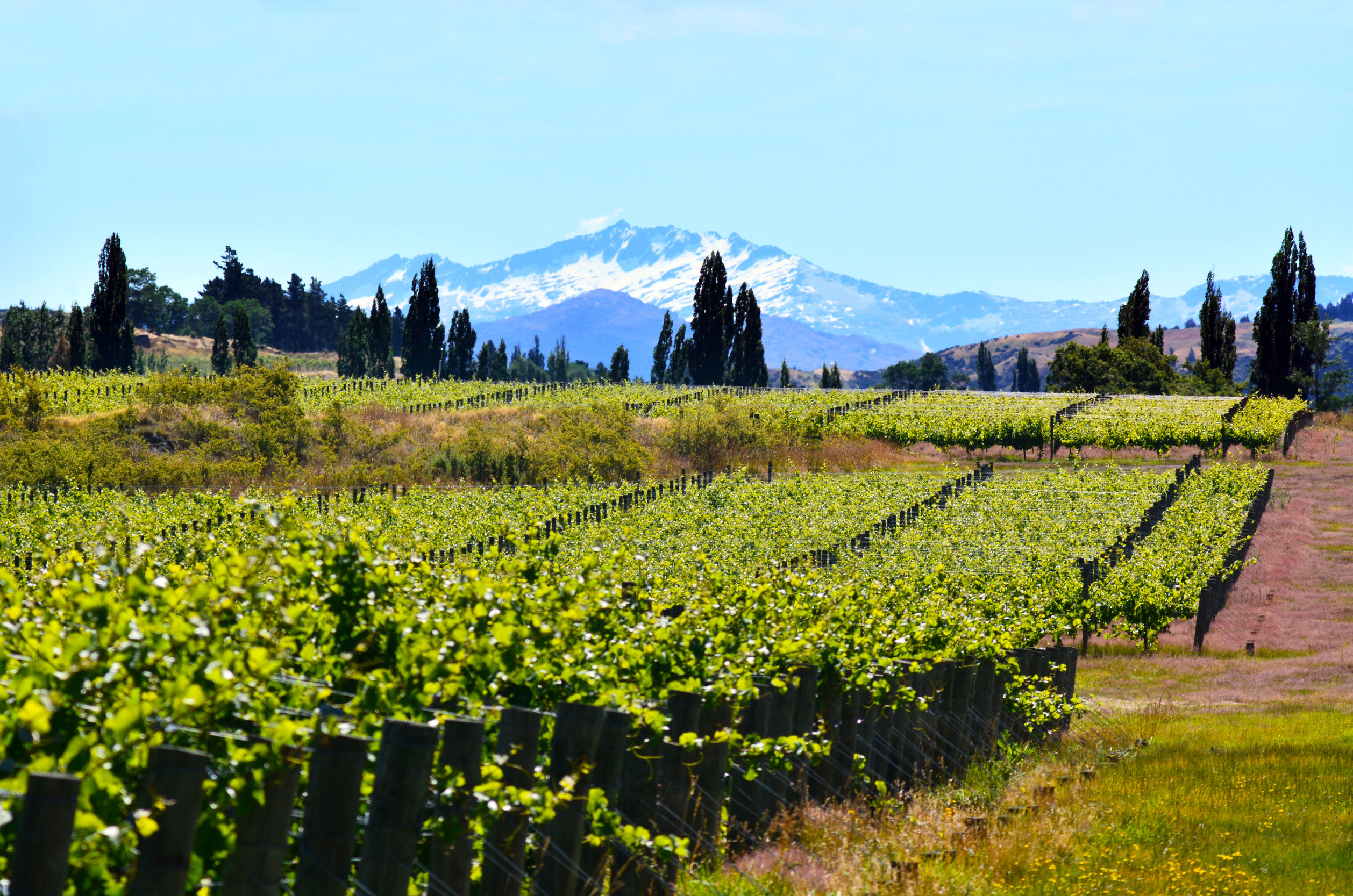
More Waitaki Vineyards…

The two Waitaki Valley wine areaa:  Both sides of the Waitaki River include some prime (if remote) viticultural areas, and both political regions—Canterbury and Otago—can lay claim to some of them. So there are indeed two wine regions known as the Waitaki Valley. Here’s where it gets interesting:

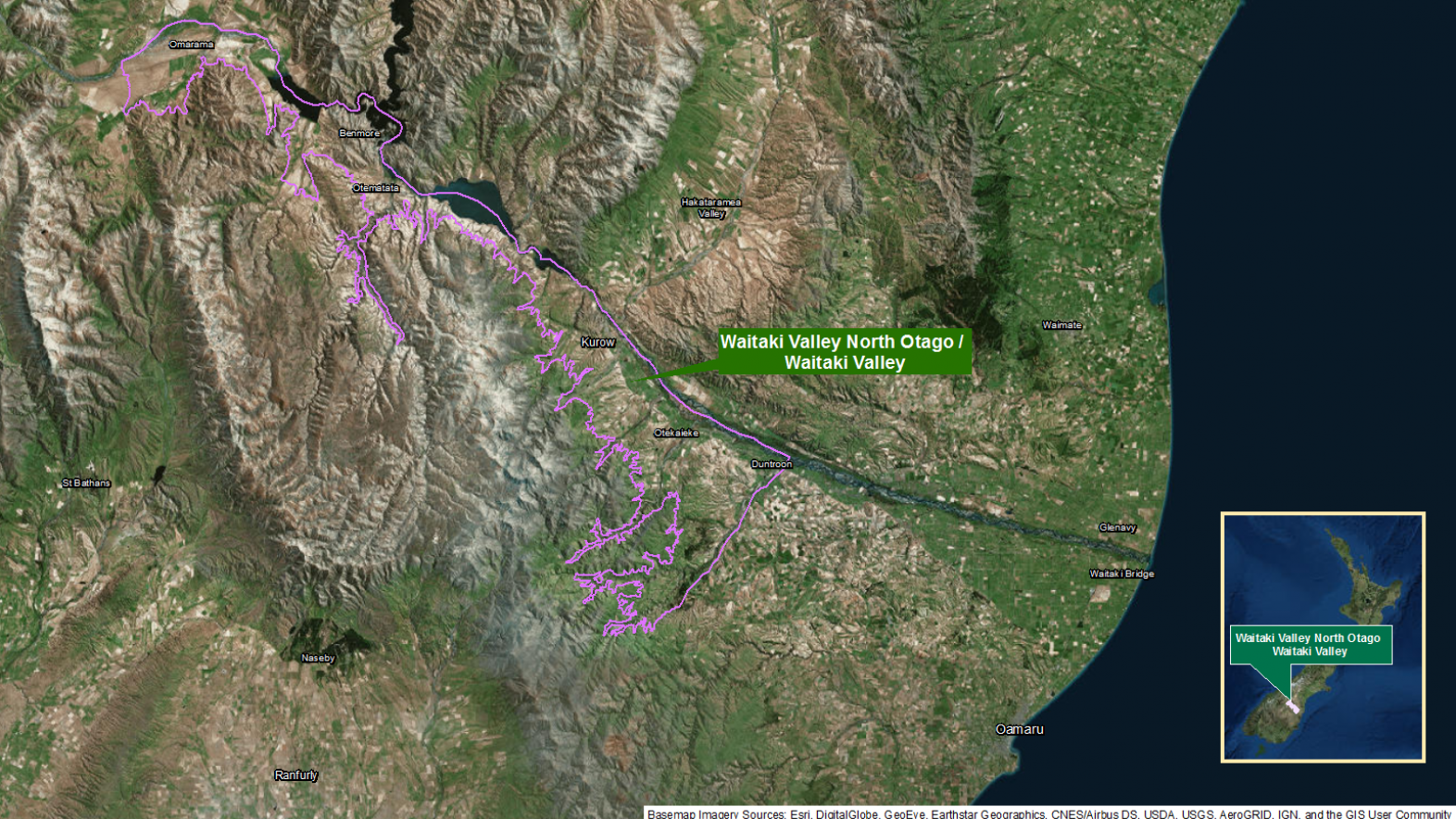
  • Waitaki Valley/North Otago: The area to the south of the river (located in the Otago Region) is known as Waitaki Valley/North Otago. This area has applied to be an official geographical indication under the new scheme now taking form in New Zealand. (Central Otago, located just to the south of Waitaki Valley/North Otago has also applied to be a GI.)
  • The Waitaki Valley of Canterbury: This area is listed on the website of Wines of New Zealand as a sub-region of the Canterbury GI. (Canterbury has applied for official status as a new Geographical Indication.) However, the Waitaki Valley of Canterbury has not applied for GI status—as of today (November 4, 2017)—so for now it joins a long list of New Zealand wine areas that will be considered “unofficial.” As such, the Waitaki Valley area to the north of the river is considered to be an unofficial sub-region of the Canterbury GI.

Map of the Waitaki Valley/North Otago Region via: https://www.iponz.govt.nz (click to enlarge)

The Waitaki Valley viticultural areas (on either side of the river) follow the course of the Waitaki River for 46 miles (75 km). The area has unique limestone-based soils—a reminder of its ancient past, when it was covered by the sea—as well as loess and alluvial deposits. The Waitaki Valley(s) are remote, cool-climate areas that are planted mainly to Pinot Noir, Riesling, Pinot Gris, and Chardonnay.

References/for more information:

The Bubbly Professor is “Miss Jane” Nickles of Austin, Texas… missjane@prodigy.net

Indiana Jones and the Grapes of Olmo

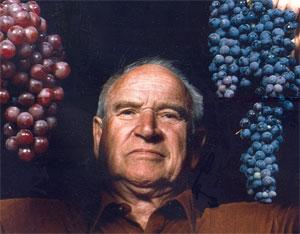
Photo of Dr. Harold Olmo via the Archives of UC Davis: http://news.ucdavis.edu/search/news_detail.lasso?id=8037

The other day I was doing some quick research on Ruby Cabernet. The first result (via Wikipedia, no less) introduced the grape as such: “Ruby Cabernet is a red Olmo grape variety…” As these things go, my interest quickly changed from the parentage of Ruby Cabernet to the Olmo grapes. It sounded familiar, yet only vaguely familiar.

The Olmo grapes it seems, are the creation of Dr. Harold Olmo, a former UC Davis professor with a long list of viticultural (and other) accomplishments. In total, Dr. Olmo served on the faculty of UC Davis for over 60 years, including 29 years as a Professor Emeritus.

Dr. Olmo began his studies and research at the University of California at Berkeley (he had a PhD in genetics), but moved to the Davis campus along with the rest of the University’s wine research program in the 1930’s. There he embarked on his grape breeding program, attempting to create grapes of great flavor and structure that could be grown in the warm, dry climate of California’s Central Valley.

Of the dozens of grapes he created, Dr. Olmo’s best-known grapes include the following:

  • Ruby Cabernet—a Cabernet Sauvignon X Carignan cross, often used for blends but also made into varietal wines, grown throughout Central California, Australia, South America, and South Africa
  • Emerald Riesling—a Riesling X Muscaelle cross bred for use in warm climates; it is grown in some parts of California and South Africa and is used quite extensively in Israel
  • Symphony—a Muscat of Alexandria X Grenache Gris cross, grown in some parts of California and used to produce slightly spicy white wines with citrus–peach–apricot aromas
  • Rubired—a hybrid of Tinto Cão (vinifera) and Alicante Ganzin (a vinifera X Vitis rupestris hybrid), Rubired is a teinturier with deeply-colored red juice used primarily in blends and fortified wines in California and Australia

.

Dr. Olmo was known not only for his grape breeding program, but his swashbuckling adventures in pursuit of wild grapes, grape archaeology, and viticultural consultation.  These adventures included (as reported by his daughter, Jeanne-Marie Olmo, via an interview on Uncorked: The Blog), being arrested and jailed in a chicken coop (as a result of the death of a donkey), harvesting ancient vine seeds on the Iranian border, and attempting to deliver grape cuttings to the  ambassador of Afghanistan. These escapades earned him the nickname of “the Indiana Jones of Viticulture.”

Dr. Olmo created the first grape quarantine facility in California, allowing hundreds of European varieties to be imported into and planted securely in the United States—many people consider this his greatest contribution to California wine. Dr. Olmo also created an in-depth study of Chardonnay in California that resulted in an increase in California Chardonnay from less than 300 acres in the 1970’s to the powerhouse grape that it is today.

Dr. Olmo was a Guggenheim Fellow, a Fulbright Scholar, and received the Medal for Outstanding Contributions to World Viticulture by the Office of International de la Vigne et du Vin in 1965. He was a consultant to the United Nations for over twenty years and was named, in 2007, as an “Icon” in the Culinary Institute of America’s Vintners Hall of Fame. These are just a few of the dozens of national and international awards and recognition he received over his career. Dr. Olmo passed away in the middle of an afternoon nap on June 30, 2006. He was 96 years old, and the world of wine will never forget him.

References/for more information:

The Bubbly Professor is “Miss Jane” Nickles of Austin, Texas… missjane@prodigy.net