Wine Grape Cheat Sheets: Pinot Noir
September 24, 2021 Leave a comment
The Soundbyte: The Pinot Noir grape has been grown in the Burgundy region of France for centuries, and is used to craft the region’s world-famous red wines. Pinot Noir is also grown in Champagne, where it makes its way into many “house blend” Champagnes as well as Blanc de Noirs and Rosé Champagne. Elsewhere in France, Pinot Noir is grown in the Loire Valley—several red wines of the Central Loire, including Sancerre (when its red), are based around Pinot Noir!
 Pinot Noir has also found a home in the Willamette Valley Region of Oregon—so much so that the region is often referred to as Burgundy West. The finicky grape thrives in the cooler growing regions of California, the warmer spots of New Zealand, and the coastal appellations of Australia (think Tasmania, Yarra Valley, and the Mornington Peninsula).
Despite its fame and fortune, Pinot Noir is known for being incredibly finicky in the vineyard. It is often called the heartbreak grape, and can be just as difficult in the winery as it is in the vineyard. Pinot Noir can indeed be the best of wines…or the worst of wines. Let’s talk about the best!
Typical Attributes of a Pinot Noir-based Wine:
- Light garnet to dark ruby in color…sometimes the lightness of the color belies the flavor intensity of the wine!
- Medium body, medium in tannin
- The finest Pinot Noir wines combine juicy fruit flavors with earthy complexity and zingy, balanced acidity.
- Pinot Noir is potentially one of the most delicate, complex, and food-friendly red wines.
- Pinot Noir has a signature aromatic profile (imho) of floral notes at the top of the glass and cherry-berry scents at the bottom, both circling a core of “earthy-floral-garden dirt” aromas.
- Save Pinot Noir for an occasion when you have at least 25 dollars to spend…bad Pinot Noir can be disappointing indeed. (The “New World Hope” exception to this rule just might be Pinot Noir from Tasmania…time will tell.)
- Pinot Noir makes fantastic sparkling wines and is the most widely planted grape in Champagne. If you are drinking a Blanc de Noir, chances are, you are drinking Pinot.
- Rosé of Pinot Noir is a beautiful thing.
Typical Aromas of a Pinot Noir-Based Wine:
 Fruity: Black cherry, dried cherry, raspberry, strawberry, cranberry, blueberry, plum, dried plum, pomegranate
Earthy: Mushroom, wet dirt, wet leaves, dry leaves, barnyard, dried herbs
Floral: Rose, violet, dried flowers
Wood-Derived: Vanilla, smoke, oak, cinnamon, nutmeg, clove (hints of spice from barrel aging)
Crazy but true: Cola, Dr. Pepper, prune, cocoa, Earl Grey Tea
Where The Best Pinot Noir is Grown:
- The Burgundy Region of France
- Champagne
- France’s Loire Valley…Sancerre Rouge is actually Pinot Noir
- Oregon…sometimes called “Burgundy West”!
- California, particularly in and around the Central Coast, Sonoma, and the cooler portions of Napa
- New Zealand
- Australia grows Pinot Noir in its cooler regions such as Tasmania, Yarra Valley, and the Mornington Peninsula.
Food Affinities – Base Ingredients:
- Beef, Lamb, Veal, Poultry, Pork
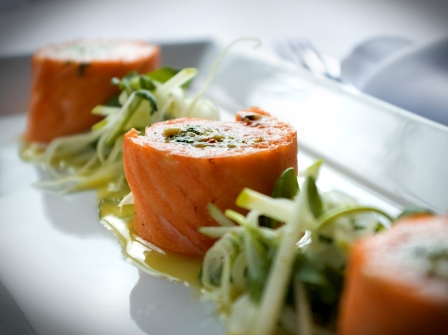
- Heavier seafood such as Salmon and Tuna…this is truly a wine that can pair with both red and white meat (depending on the preparation, of course)
- This is an ideal wine for the typical American Thanksgiving menu, as well as most other “everybody brings a dish” type of holiday meals.

Food Affinities – Bridge Ingredients:
- Mushrooms, Truffles, Black Olives
- Earthy Flavored Cheeses, Blue Cheese, Soft Cheeses
- Tomatoes, Garlic, Shallots, Onions
- Basil Pesto, Fresh Herbs
- Eggplant, Beets, Roasted Red Bell Peppers
- Cherries, Cranberry, Plum – as with most dry wines, careful with the sweetness level.
Note: When it comes to food pairings, by all means—drink what you like!
The Bubbly Professor is “Miss Jane” Nickles of Austin, Texas
 About bubblyprof
 The Bubbly Professor