(A Pound of) the Legendary Fernet-Branca Cure

Paging Doctor Fernet...

Paging Doctor Fernet…

Usually, an ounce of prevention is best. However, at this time of year, perhaps we should just go straight for the cure. For many people, a shot of Fernet-Branca is a lengendary cure—for a long night of drinking, or whatever ails you. While its flavor  has been variously described as “a smack in the face with a eucalyptus branch1” and “a cross between medicine, crushed plants, and bitter mud2,” these are terms of endearment and the taste (once it has been acquired) is crave-worthy.

The legends of Fernet-Branca take many forms, including history, cocktails, secret ingredients, and curative properties. Read on for a few of the legends of Fernet-Branca!

Paging Doctor Branca: Fernet-Branca was invented in Milan in 1845 by Bernadino Branca, a self-taught herbalist. The name “Fernet” comes from one Doctor Fernet—a fictional Swede with whom Branca originally shared credit for the drink, presumably to add authority to his claims of the drink’s health benefits. According to the story, the “renowned liquor” had helped Dr. Fernet and several members of his family to live for over one hundred years.

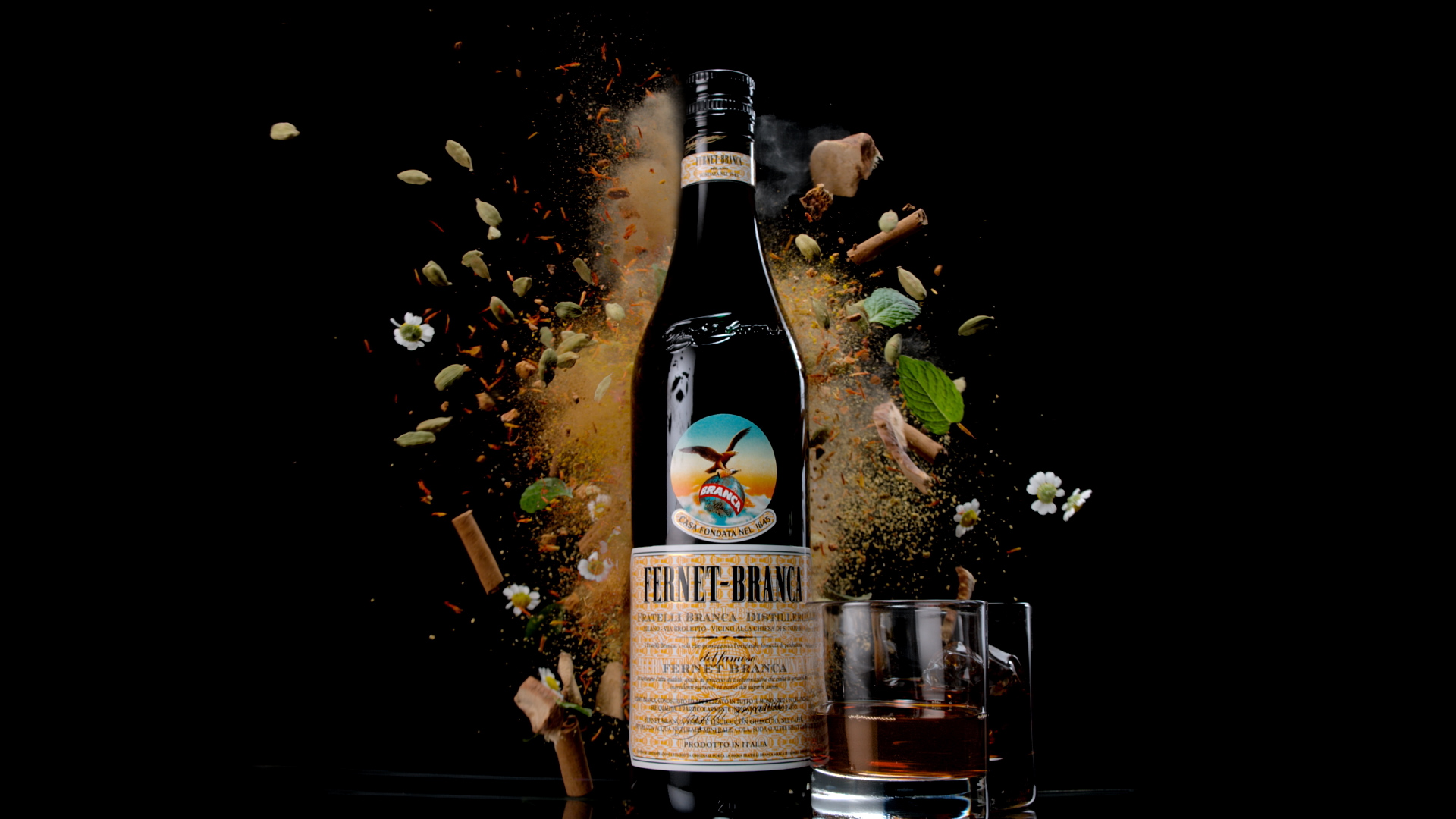
A Corner on the Saffron Market: Fernet-Branca has been produced using its original recipe since its inception. The exact formula is a trade secret, but is known to contain cinchona bark, bitter orange, aloe, chamomile, myrrh, cardamom, gentian, peppermint, anise, and bay leaves. It is rumored that saffron is also a key ingredient, so much so that the makers of Fernet-Branca have a (rumored) corner on a large percentage of the world’s saffron market.

Tastes like (Poison) Iodine: In 1960, the legendary Broadway actress Betsey Von Furstenberg played a joke on Tony Randall, and “spiked” his on-stage drink with Fernet-Branca. Upon tasting it, Tony believed that he had just swallowed iodine and thought he was being poisoned. Laughing no longer, Ms. Von Furstenberg was suspended from the Actor’s Equity Union for 60 days for her role in the prank.
The Bartender’s Handshake: Fernet’s recent popularity in the United States is attributed to its adoption by bartenders—beginning in San Francisco and soon spreading to Los Angeles, New York, Las Vegas, and other major cities. In these cities, bartenders often end their shift with a quick shot of Fernet—taking advantage of its ability to calm the stomach and the mind. These days, Fernet may be referred to as “the bartender’s handshake,” as a quick shot of Fernet is the preferred first order of many hospitality insiders, and a complimentary shot of Fernet is a typical method of greeting one’s fellow bartenders when they visit your bar.

A New Year’s Toast with Fernet:  The drink’s numerous medicinal claims—which included being prescribed for fever, cholera, intestinal parasites, colds, and menstrual cramps—came in handy in San Francisco during American Prohibition where it was still legal for sale in pharmacies, as a medicine. This was the beginning of the City’s love affair with Fernet, where it has become such a cult favorite that in some bars and restaurants, a midnight toast of Fernet-Branca is raised just before midnight on New Year’s Eve, in lieu of Champagne.

Hanky-Panky: A Fernet-based cocktail known as the Hanky-Panky was invented by in 1903 at the Savoy Hotel in London. One of the bar’s regular customers was an Edwardian Actor named Charles Hawtrey. One night after a performance, Hawtrey came into the bar and asked for something “with a bit of a punch.” The bartender, Ada “Coley” Coleman, created a variation on a martini using gin, sweet vermouth, and a dash of Fernet-Branca. When Hawtrey tasted it, he acclaimed, “By Jove! That is the real hanky-panky!”

1http://www.littledenblog.com/blog/classic-cocktails-the-negroni

2http://www.romefile.com/food-and-drink/fernet-branca.php

References/for further learning:

The Bubbly Professor is “Miss Jane” Nickles of Austin, Texas… missjane@prodigy.net


Wine Grape Cheat Sheets: Sémillon

The Soundbyte: Sémillon is a golden-skinned white wine grape known primarily for its close association with Sauvignon Blanc, as exemplified by the Sauvignon/Sémillon blends of Bordeaux and its many imitators worldwide.  However, Sémillon is increasingly seen as a stand-alone variety—particularly in the Hunter Valley Region of Australia, where it seems to have found its second home.  Sémillon has a well-documented susceptibility to Botrytis and is often made into dessert wines.  It is the most widely planted white wine grape in Bordeaux, particularly in and around Sauternes (the most famous of the botrytis-affected wines of France).  As a matter of fact, the most famous Sauternes of them all—Château d’Yquem—is reportedly 80% Sémillon in most years.

Note: outside of France, the grape is often spelled without the accent on the e (Semillon). Both spellings should be considered correct. 

Typical Attributes of a Sémillon Based Wine:

  • The grapes are hardy in the vineyard and relatively easy to cultivate.  They are fairly resistant to disease, but as luck would have it, are quite susceptible to Botrytis.
  • Sémillon tends to have moderate acidity, which is most likely why it became the world’s best blending partner for Sauvignon Blanc, which tends to scream with acidity.
  • Sémillon tends to have good extract, and a rich, somewhat oily texture or weight—this may be referred to as a waxy character.
  • Varietal Sémillon tends to have medium to high levels of alcohol.
  • Sémillon tends to be low on aromatics when made into a varietal, which is another reason why it does so well with the intensely aromatic Sauvignon Blanc. 
  • Sémillon-based wines are sometimes described as rather “bland” in their youth, but this is one of the rare white wines that can transform with age.  Older versions can take on a hazelnut, toasty richness. Oak aging also helps create a more complex wine and—along with malolactic fermentation—can encourage aromas of butter, cream, vanilla and smoke.
  • An interesting wine-tasting term that is often used to describe Sémillon is lanolin, which is actually a substance found in wool and used in cosmetics (!).  In winespeak the term refers to a smooth, creamy impression that might be considered to opposite of tart or sharp. 

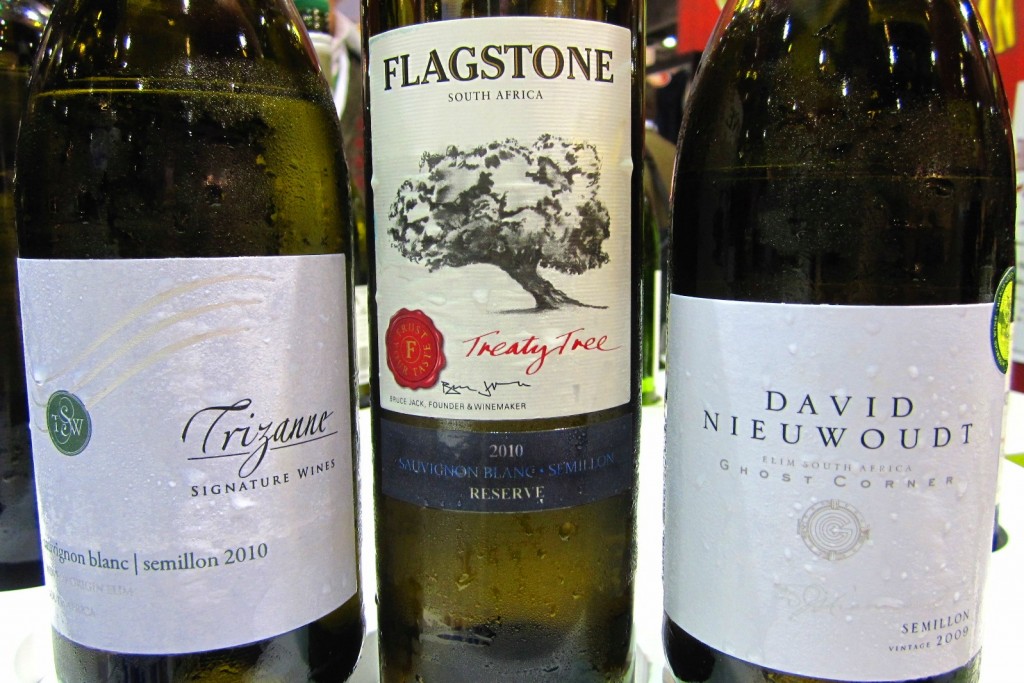
semillon bottlesTypical Aromas of a Sémillon Based Wine:

Fruity:  Apple, Pear, Lemon, Nectarine, Grapefruit, Melon, Fig, Date  

Herbal/Spicy:  Saffron, Vanilla, Dried Herb

Vegetal:  Green Grass, Asparagus, Bell Pepper 

Botrytis-affected Versions:  Apricot, Dried Apricot, Quince, Peach, Honey, Pineapple, Vanilla, Butterscotch, Curry

Oaked Versions:  Vanilla, Sweet Wood, Toast, Smoke, Oak, Coconut

Where The Best Sémillon is Grown:

  • The Southwest of France, particularly Bordeaux, where it most likely has its native home.  Sémillon is the most widely planted white grape in Bordeaux, particularly in Sauternes where it may claim up to 80% of the vineyard property.  Of course, it shares the white Bordeaux blend with Sauvignon Blanc and sometimes a dash of Muscadelle, so it has remained somewhat out of the spotlight. But be sure…Sémillon rules the white Bordeaux world.
  • Australia’s Hunter Valley, which has become Sémillon’s adopted home in much the same way that Malbec has taken to Mendoza. Hunter Valley is a leading producer of 100% varietal Sémillon.
  • In other parts of Australia, Sémillon is used as a blending partner for Chardonnay as well as in Bordeaux-inspired Sémillon-Sauvignon Blends.
  • The Côtes de Gascogne—an IGP/Vin de Pays area in the Armagnac region, is heavily planted to Sémillon.
  • The Loire Valley has a smattering of Sémillon, as does Portugal, Israel, Argentina, Chile, California, Washington State, New Zealand, and South Africa.

semillonFood Affinities – Base Ingredients:

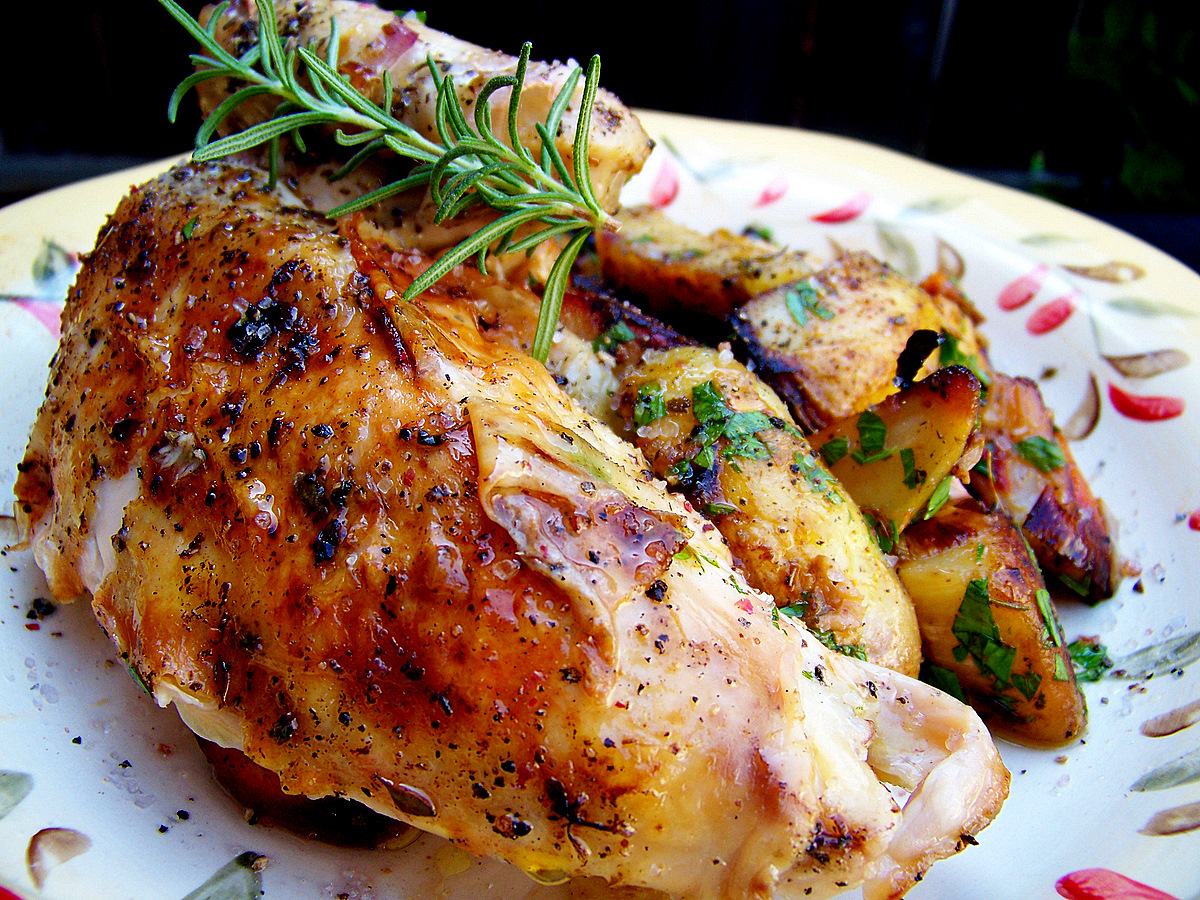
  • Roast Chicken with Herbs!
  • Seafood of all kinds…try Classic French Steamed Mussels
  • Poultry, Duck, Veal, Pork…

Food Affinities – Bridge Ingredients:

  • Corn, Pumpkin, Squash, Polenta
  • Coconut, Apples, Pears, Pineapple
  • Nutmeg, Saffron
  • Hazelnuts, Cashews, Walnuts, Pecans
  • Bacon, Mushrooms, Sweet Onions, Garlic
  • Lemon and Grapefruit make excellent flavor bridges, but try not to overdo it on the acidity (remember, this is a low-acid wine)
  • Tarragon, Basil, Thyme, Lemongrass, Basil, Rosemary, Fresh herbs of all kinds
  • Butter, Brown Butter, Cream, Sour Cream, Olive Oil

If your Sémillon-based wine is more “Sauvignon” than “Sémillon” – check out the food pairing advice on the Cheat Sheet for Sauvignon Blanc.

If your Sémillon is botrytis-affected, it will go well with sweet dishes made with honey, cream, apricots, apples, and pears—in addition to pairing beautifully with savory dishes such as blue cheese and foie gras!

Note: When it comes to food pairings, by all means—drink what you like!

The Bubbly Professor is “Miss Jane” of Austin, Texas...missjane@prodigy.net