Five Fast Facts about Saint-Pourçain

Saint-Pourçain—one of the five AOCs often described as the appellations of Central France—is an obscure appellation located in the Allier Department. Even though its wines are not typically found outside of Western Europe—the area is planted to a mere 1,480 acres/600 ha of vines—the region holds a fascination all its own. Read on for some interesting tidbits about the little-known Saint- Pourçain AOC.

#1—Saint-Pourçain is considered one of the oldest vineyards in France. Like many regions in France, the wines of Saint-Pourçain are well-documented from the start of the Middle Ages and are known to have received some notoriety in pre-revolutionary France. However, viticulture in Saint-Pourçain and throughout the (present-day) Allier Department can be traced back to the time of the Romans. Some people even believe that viticulture in the area dates as far back as the Phoenicians (pre-BCE), who founded the colony of Cantilia in the present-day commune of Chantelle.
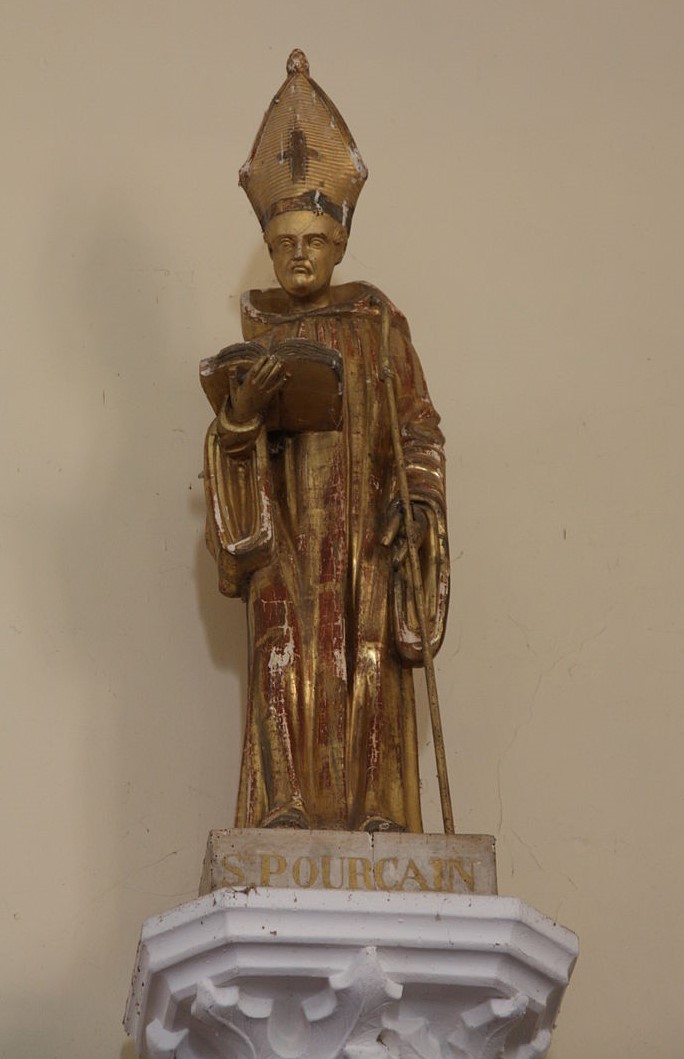
Statue of Saint Pourcain in the Église de Monestier via Wikimedia Commons

#2—There was an actual Saint. Saint Pourçain—also known as Portianus—lived in the area sometime in the sixth century. A former slave—freed from a brutal master during the Roman occupation of Gaul—he lived as a hermit and founded a monastery on the banks of the Sioule River. He is credited with performing many miracles that benefited the inhabitants of the area—including restoring the sight of his blind owner, which led to his freedom. Another miracle involved giant serpents emerging from an amphora of wine and the subsequent release of a group of prisoners. It is said that Portianus/Pourçain was so beloved that at the time of his death (circa 532) the people of the area changed the name of their town from Mirendense to Saint Pourçain.

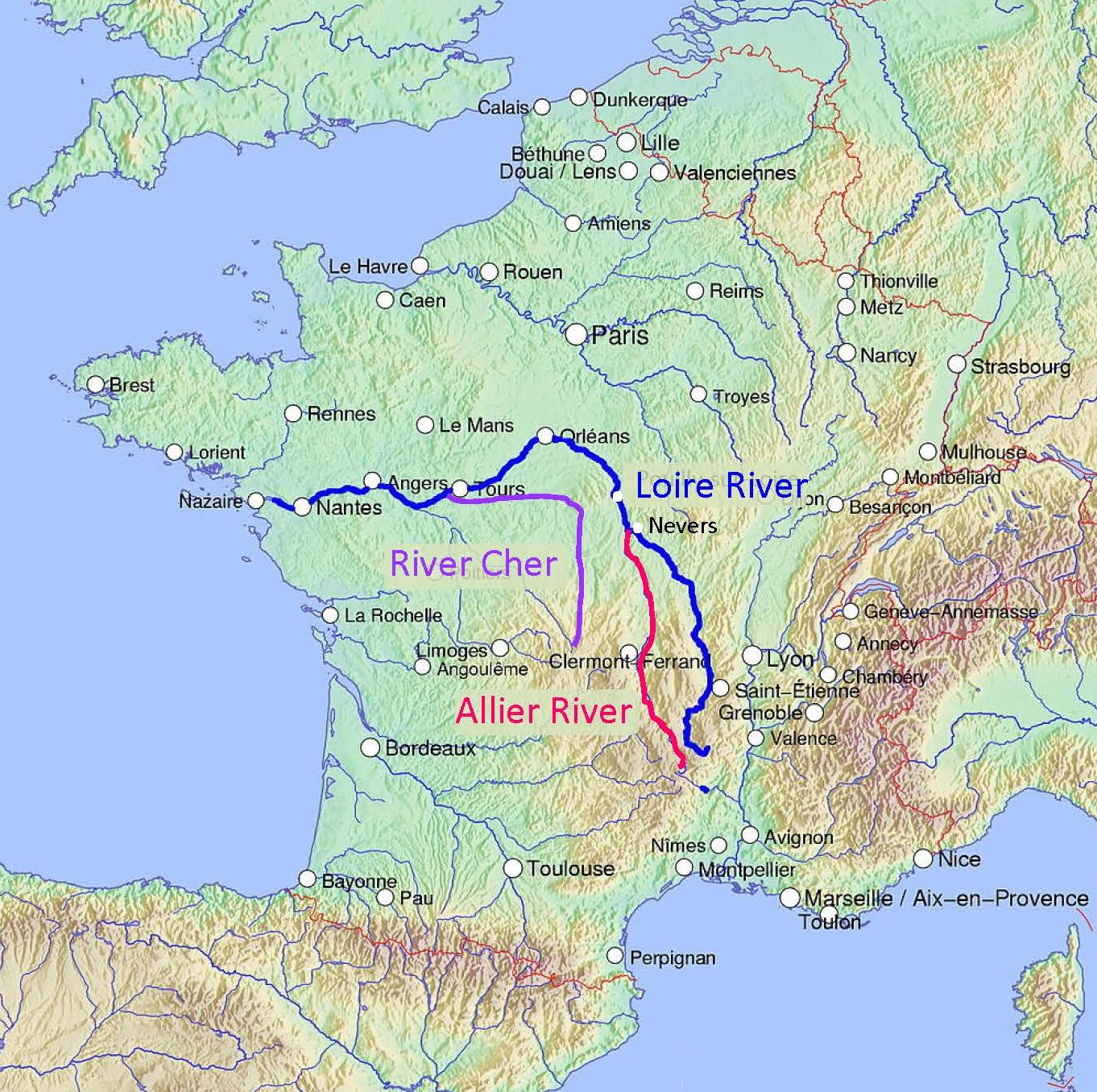
#3—The appellation is named after the town of Saint-Pourçain-sur-Sioule. Located near the geographic center of France, Saint-Pourçain-sur-Sioule lies just to the west of the Allier River. The Sioule River (a left tributary of the Allier) flows—from its source in the Massif Central—north/northeasterly directly through the town; it joins the Allier about 10 km/6 miles beyond its northern edge.

#4—Saint-Pourçain is sometimes considered a “lost vineyard of Burgundy.” In many reference books, the appellations of Central France—including the Saint- Pourçain AOC—are grouped with the other appellations of the Loire (Sancerre and the other appellations of the Eastern Loire are located about 75 miles/120 km to the north). However, it can be argued that the only true connection between the appellations of Central France and those of the Loire Valley is the river itself. On the other hand, in terms of landscape, architecture, terroir, and even the wines themselves, Saint- Pourçain has more in common with Burgundy. The topography—in terms of rolling hills punctuated by valleys and plateaus as well as south/south-east facing slopes—is similar, as is the latitude. Saint-Pourçain sits at 46°N, the same parallel as the southern Burgundy town of Mâcon, located about 73 miles/117 miles to the east.
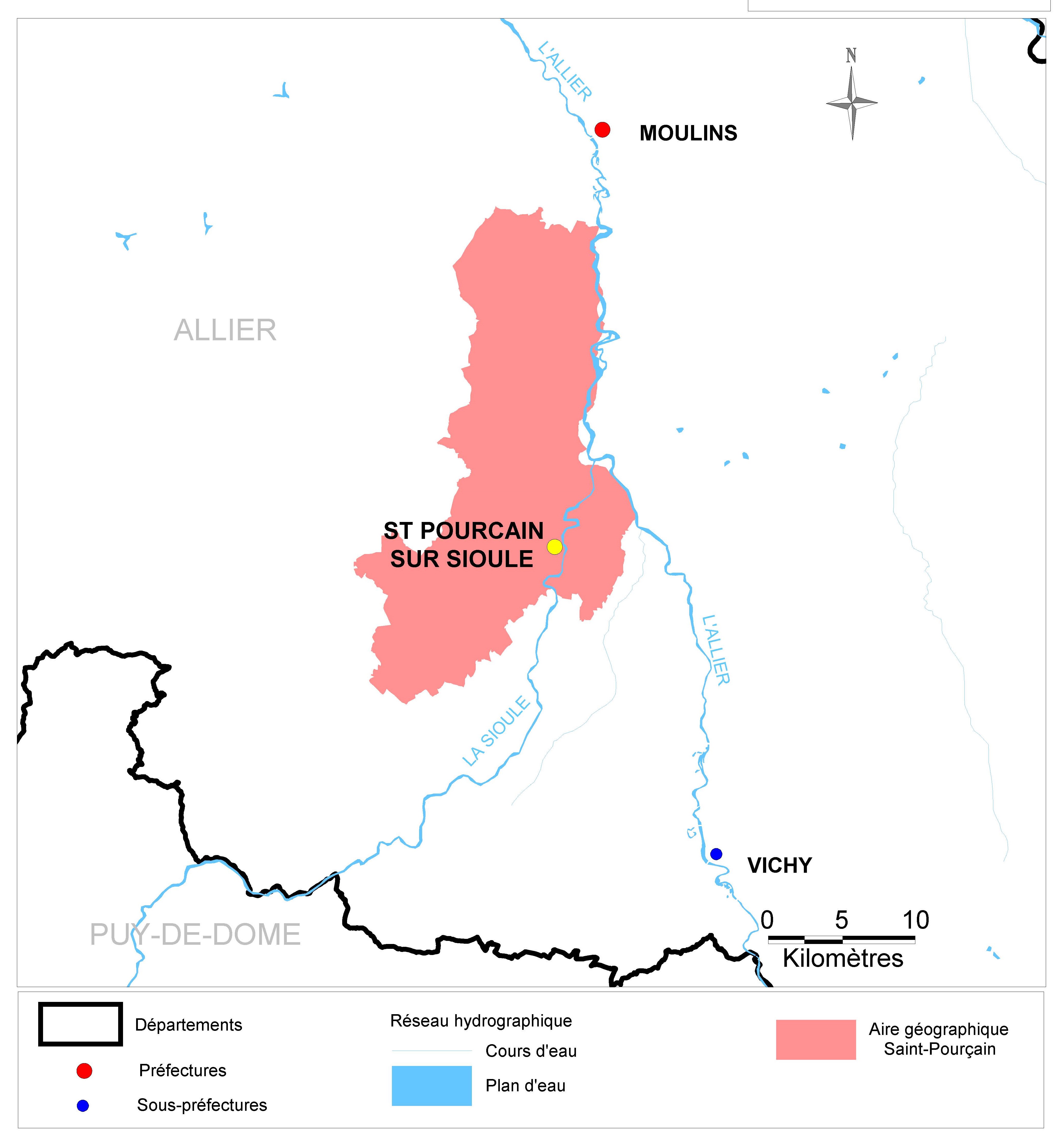
Map of the Saint Pourcain AOC via the INAO

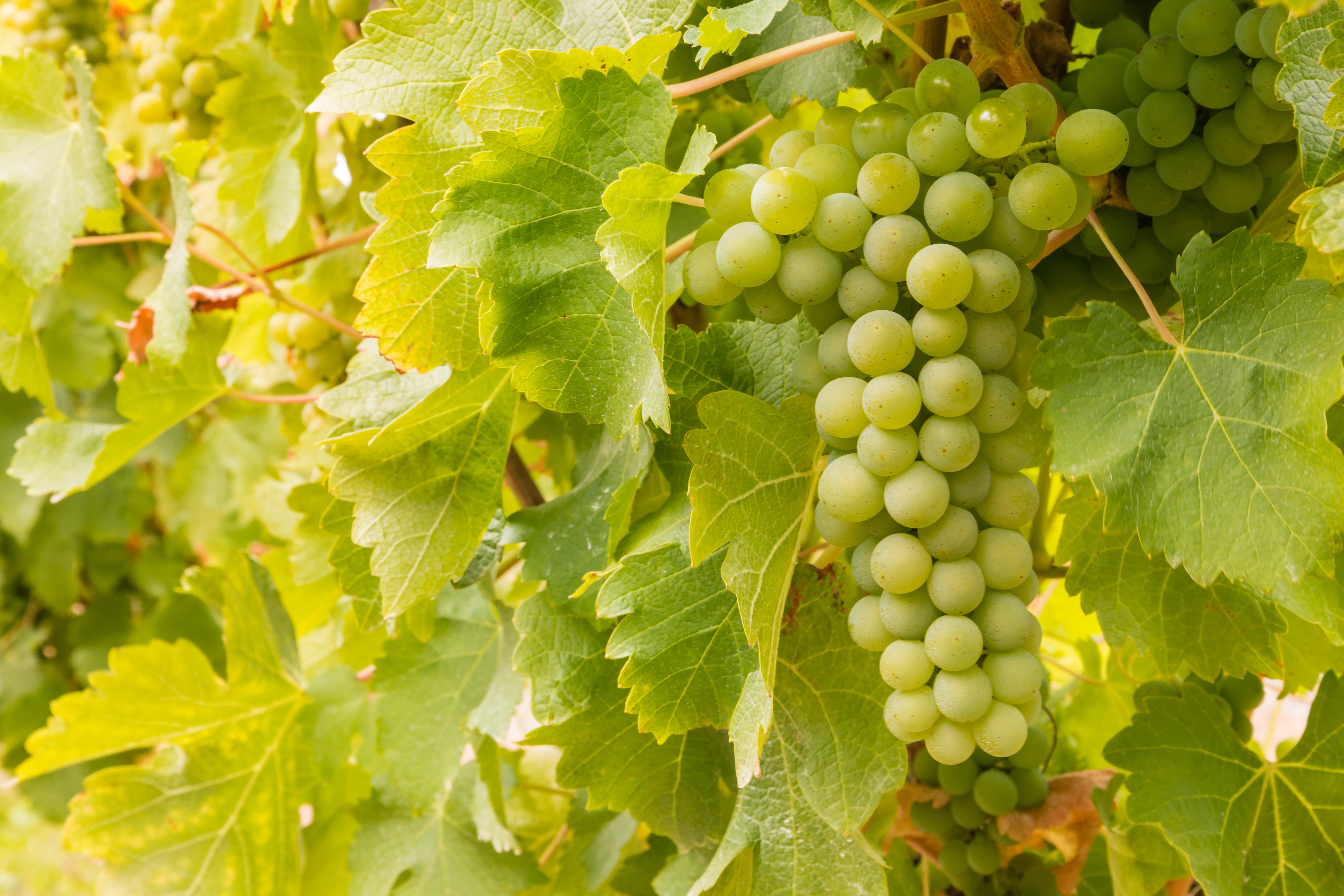
#5—Like Burgundy, the Saint-Pourçain AOC produces red, white, and rosé. Like most of the wines produced in Burgundy, the wines of Saint-Pourçain are required to be dry and tranquille (still/non-sparkling).  The grape varieties—based around Chardonnay, Pinot Noir, and Gamay—are Burgundy-esque as well. For the record, the encépagement (plantings) allowed for use in the wines of the Saint-Pourçain AOC are as follows:

  • Rouge/Red: 25% to 60% Pinot Noir; 40% to 75% Gamay
  • Blanc/White: 50% to 80% Chardonnay; 20% to 40% Tressalier (known in Burgundy as Sacy); up to 10% Sauvignon Blanc
  • Rosé: 100% Gamay

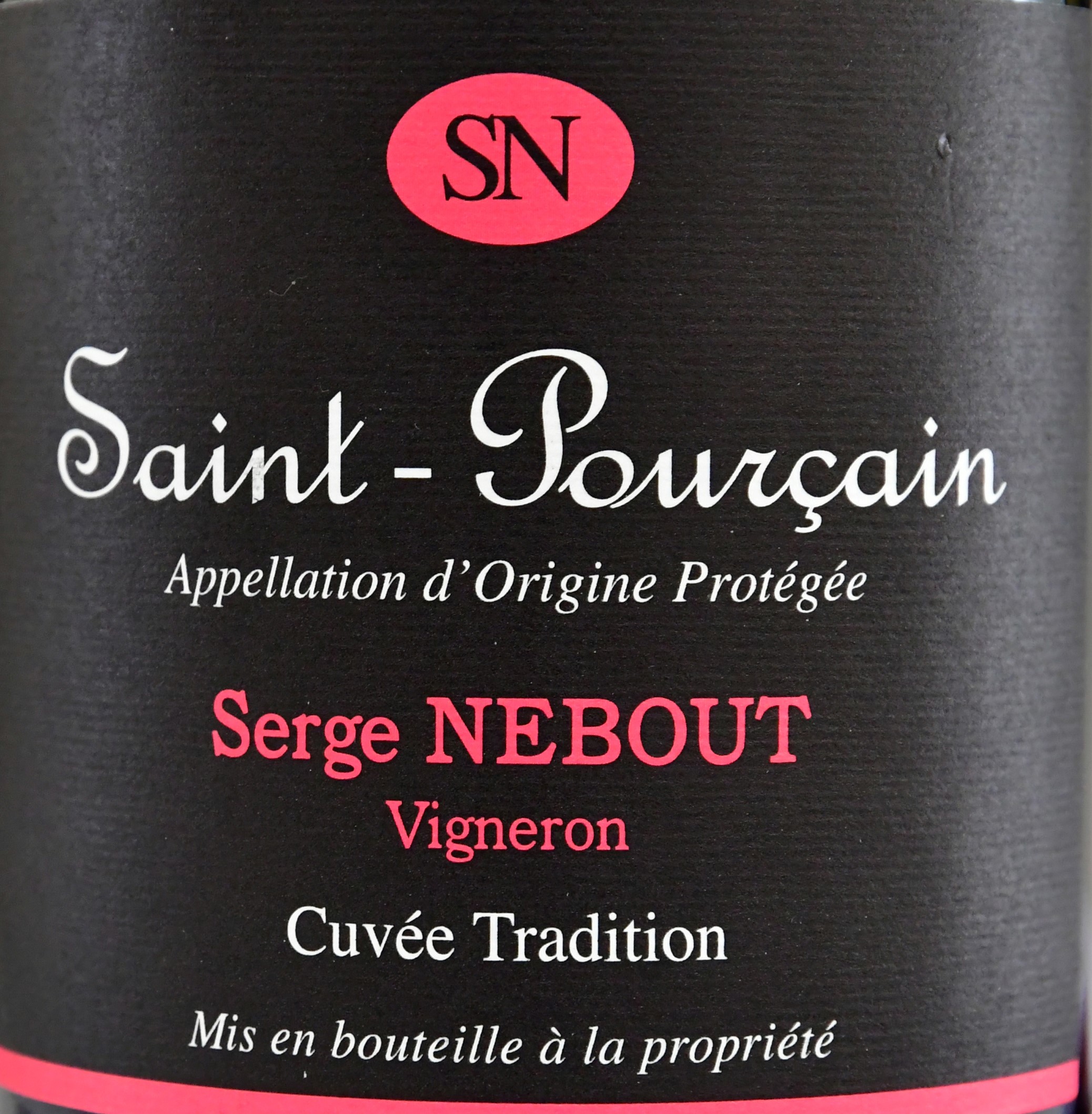
 There are currently about 20 wineries in the Saint-Pourçain AOC; noted producers include Domaine des Berioles and Domaine Nebout. The local co-op, Cave de Saint-Pourçain, is the majority producer.

References/for more information:

The Bubbly Professor is “Miss Jane” Nickles of Austin, Texas… missjane@prodigy.net
Wine Geo: The Allier

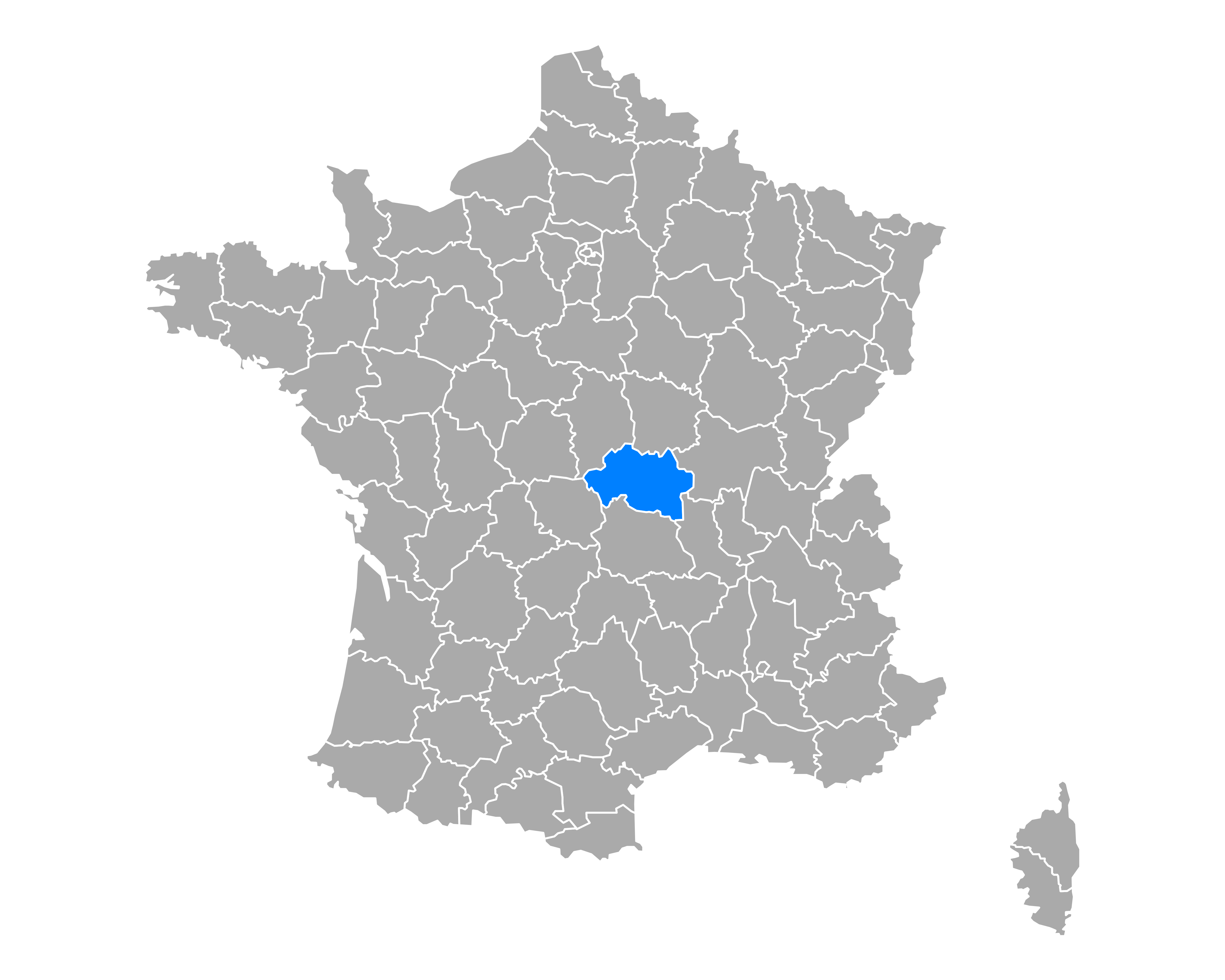
The Allier Department

There is a lot to love about the Allier: it’s a river…it’s a department…it’s the former Duchy of Bourbonnais!

It’s a department: The Allier is a department (political area similar to a county) situated smack-dab in the center of France, within the Auvergne-Rhône-Alpes region. Its namesake—the Allier Rive—flows through its center, while the Loire and Cher wind their way to the east and west. The main cites of the Allier Department include Moulins, Vichy, and Montluçon. Much of the Allier department is located on land that once-upon-a-time housed the Duchy of Bourbonnais, and inhabitants are sometimes referred to as Bourbonnais. In addition to over 500 castles, the Allier department is home to forests, ponds, woodlands, pastures, and vineyards. Notable products include Charroux Mustard, Charolais Beef, Tronçais Oak, and wine from the Saint-Pourçain AOC.

It’s a river (a left tributary of the Loire): The Allier River flows north for 262 miles/421 km from its source in the Massif Central to a point about 4 miles/6 km west of the city of Nevers, where it joins the Loire. The point where the Allier joins the Loire is about 26 miles/42 km south of Sancerre.

There are vineyards: The Allier River helps to define several of the wine regions of Central France, with the Saint-Pourçain AOC located right on the Allier River and completely within the Allier Department. The Côtes d’Auvergne AOC—located to the south of Saint-Pourçain in the Puy-de-Dôme Department—is also directly on the river. These two appellations are—quite literally—located very close to the geographic center of France and as such, are sometimes grouped together (with a few others) as the“appellations of Central France.”

For serious wine students only: the other appellations included in the “appellations of Central France” group include the Châteaumeillant, Côte Roannaise, and Côtes du Forez AOCs. Keep in mind that this is an informal grouping and there is no official appellation with a title referring to “Central France.”

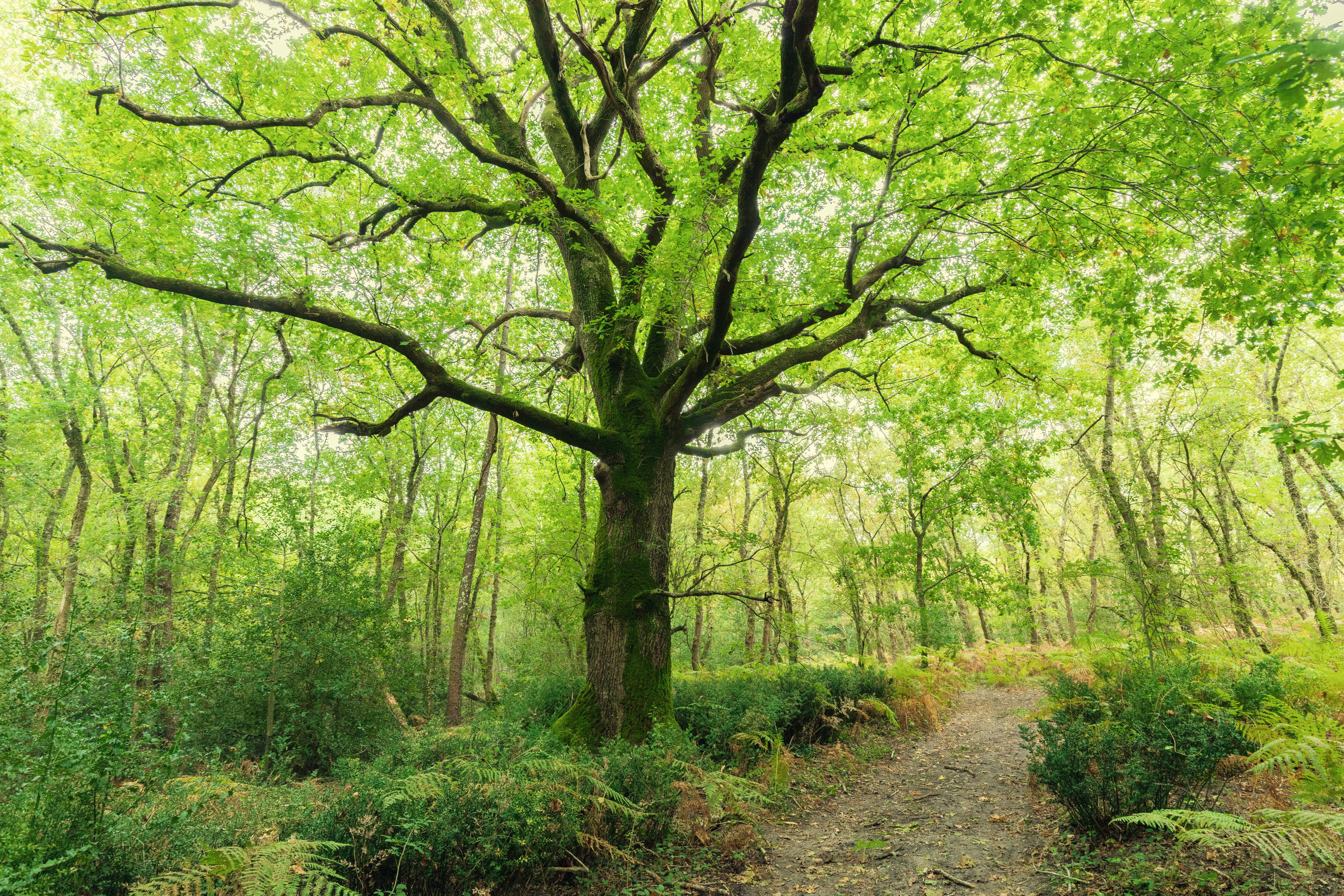
There are forests and trees: Oak from the Tronçais Forest (Forêt de Tronçais)—located in the northwest quadrant of the Allier Department—is used to produce some of the most renowned oak barrels in the world. Interestingly, the Tronçais Forest is not part of the primeval (untouched) forest that once covered most of France but was planted in 1670 under the order of Jean Baptiste Colbert—a minister in the court of Louis XIV—to supply the French Navy. These days, the Tronçais Forest is considered one of the principal oak forests of Europe. The forest is largely planted to Sessile Oak (Quercus petraea). The ancient name for Sessile Oak was Tronce, from which the forest derives its name. Other trees in the Tronçais Forest include Scots Pine, Beech, Larch, and Common Oak (Quercus robur).

Sessile Oak trees thrive in high-density plantings, such as those found in the Tronçais Forest. In a high-density forest, the greater competition for water, sunlight, and nutrients causes the trees to grow slowly, with little space between the annual growth rings. This leads to oak (and oak barrels) with a tighter, smoother grain and a lighter transfer of oak-derived flavor to the wine.

References/for more information:

The Bubbly Professor is “Miss Jane” Nickles of Austin, Texas… missjane@prodigy.net

Confusion Corner: Sacy

This is undoubtedly one of the more obscure topics ever to be addressed in Confusion Corner, but nevertheless, it sparked my interest!

Sacy: it’s a grape, it’s a place, it’s a Premier Cru Village in Champagne!

Sacy the grape: Sacy is a rather nondescript white variety, believed to be one of the many offspring of Pinot X Gouis Blanc. It is a high-yield grape known for making lightly flavored, crisply acidic wines with aromas of white flowers, green apples, and yellow pears. Sacy is cultivated mainly in central and northern France—particularly in the Yonne and the surrounding areas between Burgundy and Paris. Plantings of Sacy have declined rather steadily since the 1950’s; while at one time there were close to 700 hectares/1,730 acres planted in France, these days the number is closer to 71 hectares/176 acres.

Sacy-the-grape is allowed to be used in just three of France’s 400-plus AOC wines: Crémant de Bourgogne, Coteaux Bourguignons, and Saint-Pourçain. It is, however, allowed in several of France’s PGI/Vin de Pays appellations, including the Vin de Pays de l’Ardèche, the Vin de Pays du Val de Loire, and the Vin de Pays des Comtés Rhodaniens.

In the Crémant de Bourgogne AOC, Sacy is allowed to be used in just about any amount, provided that at least 30% of the base wine is comprised of Chardonnay, Pinot Gris, Pinot Blanc, and Pinot Noir (in any combination). In the Saint-Pourçain AOC, Sacy is required to comprise at least 20%—but no more than 40%—of the blend, which is dominated (50% to 80%) by Chardonnay.

Sacy can be used without limits in the Coteaux Bourguignons AOC, provided the vines were planted prior to July 31, 2009. One must—however—dig pretty deep in order to find out how Sacy is allowed to be used in the wines of the Coteaux Bourguignons AOC. This factoid is not listed in the “approved varieties” at the top of the appellation’s list of rules and regulations (the Cahier des Charges); but is rather tucked into the fine print of the document (specifically, in Article XI—Measures Transitoires). Domaine Gueguen, located in Chablis, is one of the few wineries to produce a 100% Sacy bottled under the Coteaux Bourguignons AOC.

For some reason, Sacy appears to have taken its name from a village in Champagne. The grape goes by several other names as well, including Aligoté Vert, Plant de Sacy, and Tressallier. Tressallier—a term derived from beyond the Allier—is the name used in the Saint-Pourçain AOC, which just happens to be located to the west of the Allier River.

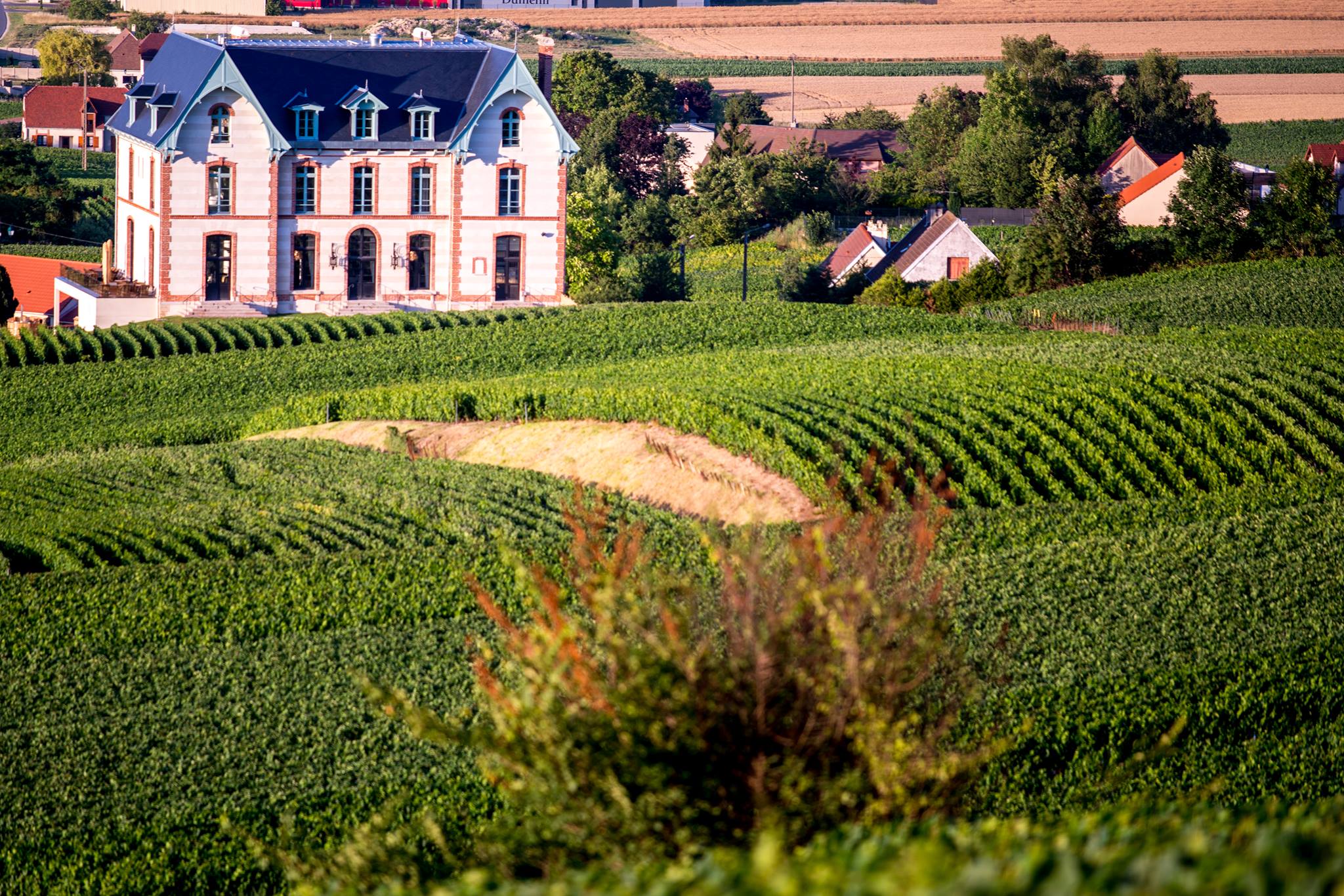
Sacy the place: Sacy is a small town/commune/village (population: 375) located about an hour-and-a-half drive (heading east/northeast) from Paris. The best place to stay in town (imho) is the beautiful Château de Sacy—built in the mid-1850’s by Pierre Louis Gosset (one of the area’s most famous architects) and proudly standing as one of the few remaining residences built before WWI.

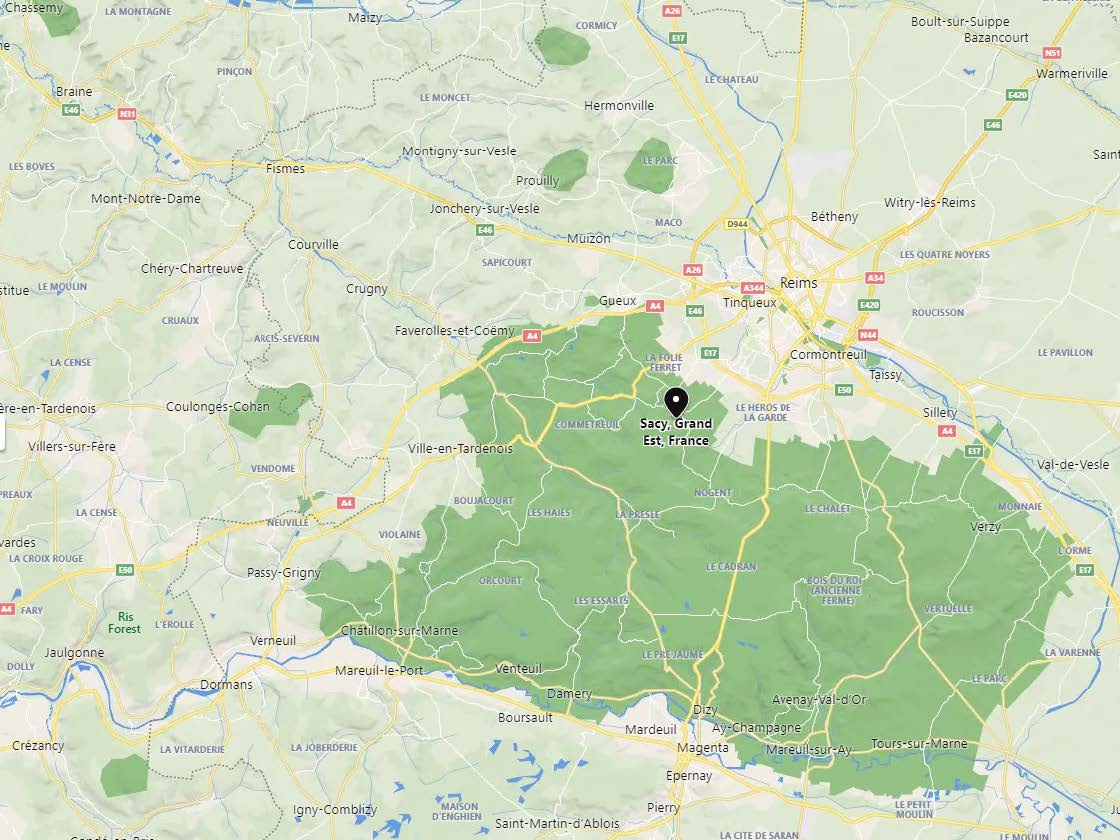
When you are in Sacy-the-small-town, you are smack-dab in the middle of the Champagne District—it is less than a 20-minute drive to Reims—so your obvious choice of activities will involve vineyard-wandering and touring wine estates. Champagne producers located in Sacy include Champagne Wafflart Briet, Blin-Dezautez Gérard, Damien Dumez, and Champagne Duménil. These can all easily be reached from the Château de Sacy (and each other) via taxi—or, if you are feeling fit, you could walk (round-trip, the loop is only about 2.6 km/1.6 miles).

Map of Sacy via Bing Maps

Sacy the Premier Cru Village in Champagne: Sacy (the small town/village) has the honor of being one of the 40-plus Premier Cru villages in Champagne, and one of 25 located in the Montagne de Reims. Sacy is surrounded on three sides by other Premier Cru Villages: Ville-Dommange to the north, Écueil to the south, and Bezannes to the west.

Keep in mind that—however disjointed it may seem…Sacy-the-grape is not allowed to be used in the wines of the Champagne-Sacy Premier Cru AOC (or any other wines of the Champagne District).

Other Sacys: The term “Sacy” is used in other contexts as well. It shows up in the name of a well-regarded Champagne Estate—Louis De Sacy Champagne—located in the town of Verzy (about 19 km/12 miles from Sacy). It may also refer to Antoine Issac Silvestre de Sacy (a French scholar and nobleman, 1758-1838); a Brazilian soccer player (full name: Gustavo Rossi); or as an acronym for “School Age Children and Youth.” Go Sacy!

References/for more information:

The Bubbly Professor is “Miss Jane” Nickles of Austin, Texas… missjane@prodigy.net