Wine Grape Cheat Sheets: Tempranillo
October 22, 2022 5 Comments
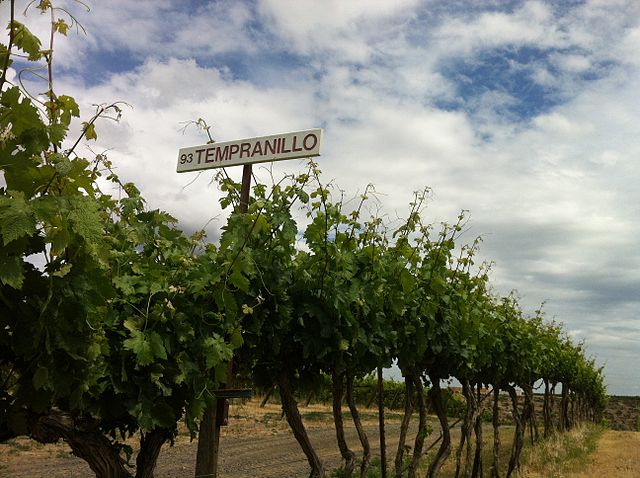 The Soundbyte: Tempranillo is a primary red grape for much of Northern and Central Spain, including the famous wines of Rioja and Ribera del Duero. It is also a key blending grape used in Port—where it often goes by the name Tinta Roriz. It is often said that the name Tempranillo is derived from the Spanish word temprano—meaning early—and refers to the fact that the grape buds, flowers, and ripens a full two weeks before Spain’s other leading red grape— Garnacha (Grenache).
There is a fantastic old legend that says that Tempranillo ended up in Northern Spain via the Camino de Santiago. According to the legend, Cistercian Monks making the religious pilgrimage from Burgundy to Santiago de Compostela left Pinot Noir cuttings behind at the monasteries around Haro, Burgos, and Logroño. From these vines, the Pinot Noir grape morphed itself into its new surroundings and ended up as the Tempranillo we know now and love. Alas, this tale must remain with us as “just a good story” seeing as recent have shown no such genetic connection between the two cultivars. Tempranillo is, these days, believed to be a native son of Northern Spain.
Typical Attributes of a Tempranillo-based Wine:
- Medium-to-deep ruby-red color in appearance (while young); Tempranillo-based wines can sometimes show a deep hue but lighter color intensity such as is often seen in Sangiovese or Pinot Noir.
- These are long-lasting wines that often improve with significant aging and maturation. This is in part due to the fact that Tempranillo has a low amount of oxidizing enzyme, making it particularly resistant to oxidation.
- These wines, made from heat-loving, thick-skinned black grapes, tend to be medium to high in alcohol.
- Medium-to-high levels of tannin, often described as “firm yet round”
- Intense fruit flavors mingled with spice and earth tones, often enhanced via contact with oak
- Tempranillo can be made into a fun, fruity, easy drinking wine via Carbonic Maceration.
- Tempranillo makes some wonderful, dry rosés.
 Typical Aromas of a Tempranillo-based Wine:
Red Fruit: tart cherry, raspberry, strawberry, red currant
Blue/Black Fruit: blueberry, blackberry, black currant
Other Fruit: plum, dried plum (prune), raisin
Floral: red flowers, dried flowers
Spicy: clove, cinnamon, anise, black pepper, cumin
Earth/Mineral: dry leaves, crushed rock, wet dirk, baked earth, clay, graphite
Herbal/Vegetal: tobacco, dill, dried herbs, eucalyptus
Oak-Derived: toast, smoke, vanilla, coconut, sandalwood
Associated with Age: leather, tar, coffee, oxidative aromas/rancio
Where The Best Tempranillo is Grown:
- Spain, where it is one of the leading grapes and grown throughout the country (particularly in the northern reaches of the country). It is (perhaps) best-known as the leading grape of the Rioja DOCa and the Ribera del Duero DO.
- Tempranillo is also the leading grape variety of the Spanish regions of Valdepeñas and La Mancha, where it sometimes goes by the name of Cencibel, Ojo de Libre, Tinto Fino, Tinto del Pais, Tinto del Toro or Ull de Liebre.
- Portugal’s Douro Valley, where it is used to produce varietal wines and is also a key blending partner in the fortified wines of Port.
- Tempranillo is also used as a varietal wine in the Portuguese region of the Alentejo. In Portugal it is usually referred to as Tinta Roriz or Tinta Aragonez.
- Tempranillo thrives in many locations int he United States, to include California, Washington State, Southern Oregon, and Texas. (One of the first Texas wines I ever tasted (and truly enjoyed) was made a 100% Estate-grown Tempranillo Blend called El Guapo made by Alamosa Wine Cellars in Bend, Texas (alas, the owners have since retired and are now traveling the world in the comfort of a luxury RV). You can read more about that story here.
- Australia, particularly McLaren Vale. Australian producer D’Arenberg has a Tempranillo/Grenache/Souzao blend called “Sticks and Stones”.
- Chile, Argentina, and Mexico all have some vineyards planted to Tempranillo.
 Food Affinities – Base Ingredients:
- Beef, Lamb, Veal, Pork, Grilled Foods
Food Affinities – Bridge Ingredients:
- Spanish Ham, Smoked Paprika, Tapas
- Paella, especially when made with lots of Chicken and Sausage (leave the seafood-heavy paellas to a different/lighter styles of wine)
- Garlic, Onions, Roasted Garlic
- Tomatoes, Roasted Tomatoes, Dried Tomatoes
- Currants, Prunes, Almonds (go easy on the sweetness)
- Mushrooms, Bell Peppers, Roasted Bell Peppers, Stuffed Peppers
Note: When it comes to food pairings, by all means—drink what you like!
The Bubbly Professor is “Miss Jane” Nickles of Austin, Texas…missjane@prodigy.net
 About bubblyprof
 The Bubbly Professor
Pingback: Perfect Pairings: Paella and Rioja « The Bubbly Professor
Pingback: Be Tempted by Tempranillo on International Tempranillo Day 11/8 | wine predator
Your post was so great I had to link to it in my tempranillo post!
Thanks!!! I loved your post as well!!! Have a Happy Tempranillo Day!
Pingback: Perfect Pairings: Amazeballs and Tempranillo « The Bubbly Professor