Wine Grape Cheat Sheets: Pinot Noir

The Soundbyte:  The Pinot Noir grape has been grown in the Burgundy region of France for centuries, and is used to craft the region’s world-famous red wines.  Pinot Noir is also grown in Champagne, where it makes its way into many “house blend” Champagnes as well as Blanc de Noirs and Rosé Champagne.  Elsewhere in France, Pinot Noir is grown in the Loire Valley—several red wines of the Central Loire, including Sancerre (when its red), are based around Pinot Noir!

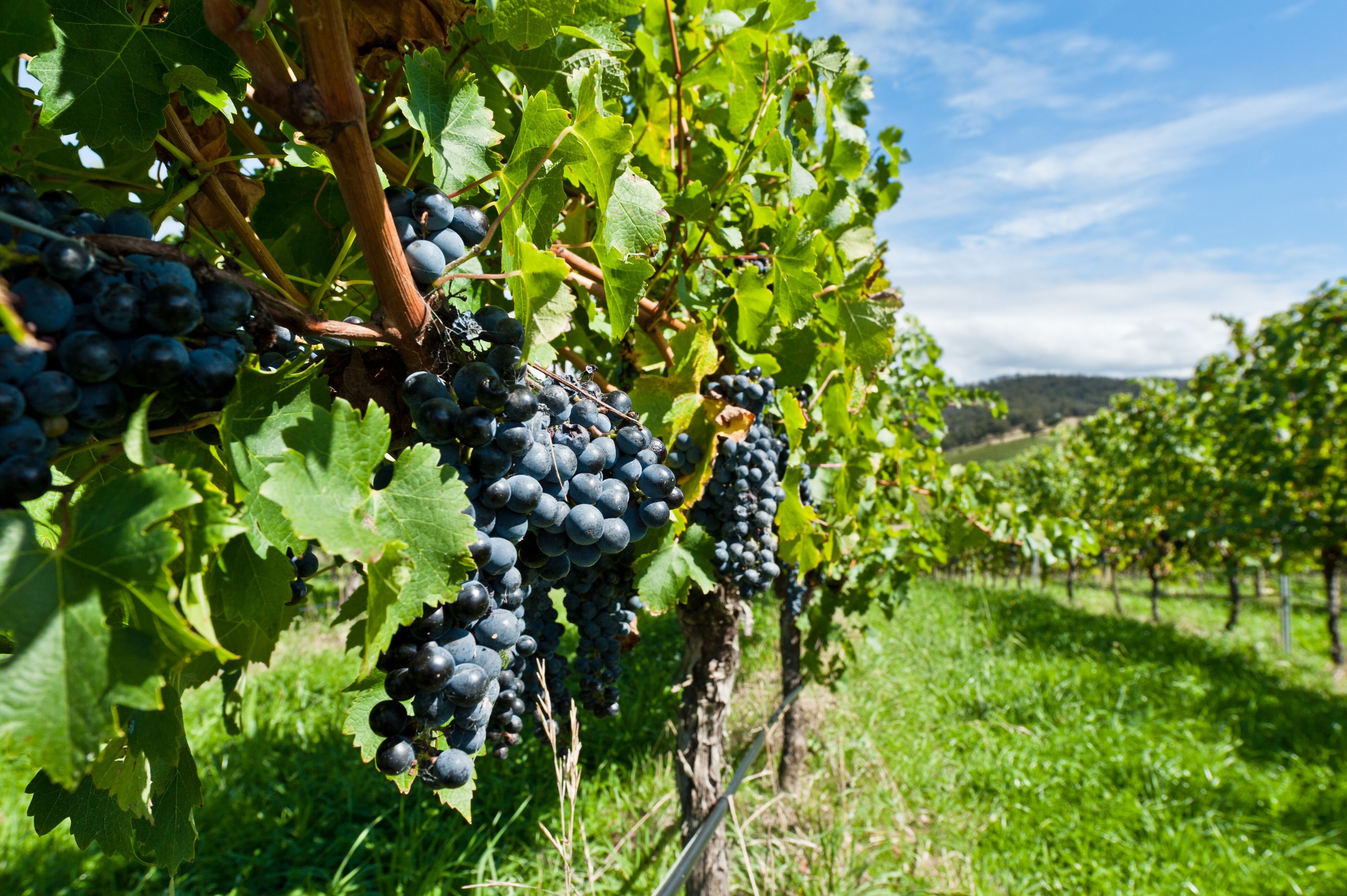
Pinot Noir has also found a home in the Willamette Valley Region of Oregon—so much so that the region is often referred to as Burgundy West.  The finicky grape thrives in the cooler growing regions of California, the warmer spots of New Zealand, and the coastal appellations of Australia (think Tasmania, Yarra Valley, and the Mornington Peninsula).

Despite its fame and fortune, Pinot Noir is known for being incredibly finicky in the vineyard. It is often called the heartbreak grape, and can be just as difficult in the winery as it is in the vineyard. Pinot Noir can indeed be the best of wines…or the worst of wines. Let’s talk about the best!

Typical Attributes of a Pinot Noir-based Wine:

  • Light garnet to dark ruby in color…sometimes the lightness of the color belies the flavor intensity of the wine!
  • Medium body, medium in tannin
  • The finest Pinot Noir wines combine juicy fruit flavors with earthy complexity and zingy, balanced acidity.
  • Pinot Noir is potentially one of the most delicate, complex, and food-friendly red wines.
  • Pinot Noir has a signature aromatic profile (imho) of floral notes at the top of the glass and cherry-berry scents at the bottom, both circling a core of “earthy-floral-garden dirt” aromas.
  • Save Pinot Noir for an occasion when you have at least 25 dollars to spend…bad Pinot Noir can be disappointing indeed. (The “New World Hope” exception to this rule just might be Pinot Noir from Tasmania…time will tell.)
  • Pinot Noir makes fantastic sparkling wines and is the most widely planted grape in Champagne.  If you are drinking a Blanc de Noir, chances are, you are drinking Pinot.
  • Rosé of Pinot Noir is a beautiful thing.

Typical Aromas of a Pinot Noir-Based Wine:

Fruity:  Black cherry, dried cherry, raspberry, strawberry, cranberry, blueberry, plum, dried plum, pomegranate

Earthy:  Mushroom, wet dirt, wet leaves, dry leaves, barnyard, dried herbs

Floral:  Rose, violet, dried flowers

Wood-Derived:  Vanilla, smoke, oak, cinnamon, nutmeg, clove (hints of spice from barrel aging)

Crazy but true: Cola, Dr. Pepper, prune, cocoa, Earl Grey Tea

Where The Best Pinot Noir is Grown:

  • The Burgundy Region of France
  • Champagne
  • France’s Loire Valley…Sancerre Rouge is actually Pinot Noir
  • Oregon…sometimes called “Burgundy West”!
  • California, particularly in and around the Central Coast, Sonoma, and the cooler portions of Napa
  • New Zealand
  • Australia grows Pinot Noir in its cooler regions such as Tasmania, Yarra Valley, and the Mornington Peninsula.

Food Affinities – Base Ingredients:

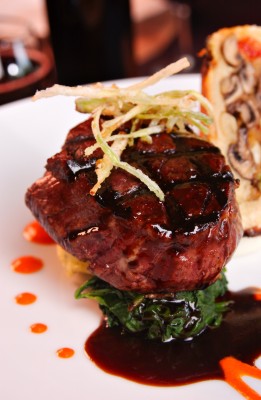
  • Beef, Lamb, Veal, Poultry, Pork
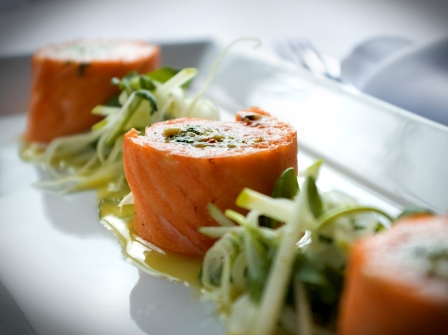
  • Heavier seafood such as Salmon and Tuna…this is truly a wine that can pair with both red and white meat (depending on the preparation, of course)
  • This is an ideal wine for the typical American Thanksgiving menu, as well as most other “everybody brings a dish” type of holiday meals.  

Food Affinities – Bridge Ingredients:

  • Mushrooms, Truffles, Black Olives
  • Earthy Flavored Cheeses, Blue Cheese, Soft Cheeses
  • Tomatoes, Garlic, Shallots, Onions
  • Basil Pesto, Fresh Herbs
  • Eggplant, Beets, Roasted Red Bell Peppers
  • Cherries, Cranberry, Plum – as with most dry wines, careful with the sweetness level.

Note: When it comes to food pairings, by all means—drink what you like!

The Bubbly Professor is “Miss Jane” Nickles of Austin, Texas


Wine Grape Cheat Sheets: Syrah

Syrah—The Soundbyte: The Syrah grape, also known as Shiraz, is believed to be native to the Auvergne-Rhône-Alpes region of southeastern France. It is the leading red grape variety of the Northern Rhône Valley, and a major player in the (mainly) blended red wines of the Southern Rhône.

There’s a lovely legend that tells of the grape as a native to the city of Shiraz in Iran, transported from its Middle Eastern home to the south of France by a knight returning from the crusades—but, alas, it has been proven untrue and will remain with us as just another good story.

Today, Syrah thrives in many areas across the winemaking world and is the superstar grape of Australia. It is most often made into dry reds of both the single-variety and blended-variety styles.  While it is sometimes used to produce bubbly wines, rosé, and dessert wines; Syrah is mainly known (and widely appreciated) as a powerhouse red.

 Typical Attributes of a Syrah-based Wine:

  • European-style Syrah-based wines tend to be medium-dark in color and concentrated in flavor. European Syrah is often blended with softer grapes to minimize or balance tannin and alcohol levels. These wines are often described as earthy, dense, smoky, and herbal. 
  • Outside of Europe, Syrah/Shiraz-based wines tend to be dark purple, opaque, and inky in appearance.  Other attributes of this style of Syrah include high alcohol, fruit-forwardness, and intense tannins. These tannins are sometimes considered “soft” or “velvety” because they are drinkable when the wines are still young (often a result of winemaking techniques).
  • Australian Shiraz is sometimes described as plush ripey. Who can resist that?
  • The Australians produce sparkling Shiraz.
  • Syrah also makes a lovely, dry rosé.

Typical Aromas of a Syrah-based Wine:

Fruity:  Blackberry, Plum, Ripe Cherry, Currant, Prune, Blueberry, (Dried) Orange Peel

Spicy:  Black Pepper, Cinnamon, Clove, Vanilla, Chocolate, Coffee, Espresso, “Burnt Coffee”

Chemical:  Leather, Burnt, Tar, Smoke, Burnt Rubber, Asphalt, Graphite

Earthy:  Gamey, Smoky, Minty, Barnyard, Garrigue

Floral:  Lavender, Wildflowers, Dried Flowers, Violets

Where The Best Syrah is Grown:

  • Australia.
  • The Rhône:  Syrah stars in the wines of the Rhône, as the dominant variety in the North (in famous wines such as  Cornas, Hermitage, and Côte Rôtie) and as part of the typical Rhône blend in the South (as in Châteauneuf-du-Pape and Côtes du Rhône). The red Rhône Blend is often referred to as GSM (Grenache-Syrah-Mourvèdre); these grapes typically make up the backbone of Rhône blends, but such wines may contain other grapes as well.
  • Syrah also does well in the south/southeast of France (Provence, Languedoc, Roussillon).
  • South Africa, especially the warmer regions such as Paarl and Franschhoek.  For a real treat, try a bottle of “The Chocolate Block” from Boekenhoutskloof Winery (extra credit if you can pronounce it).
  • California, especially Sonoma, Mendocino, Napa, and Santa Barbara.
  • Washington State—a trendy growing region for Syrah—is well-represented; particularly the Walla Walla Valley AVA (which actually extends south into Oregon). The Rocks District of Milton-Freewater AVA (located in the Walla Walla Valley but within the state of Oregon) is also a fantastic (albeit small) region for Syrah.

 Food Affinities – Base Ingredients:

  • Beef, Lamb, Veal, Venison, Pork, Hard Cheeses

Food Affinities – Bridge Ingredients:

  • Garlic, Onions, Mushrooms
  • Walnuts, Pecans
  • Rosemary, Thyme, Bay Leaf, Sage
  • Tomatoes, Eggplant, Fennel
  • Currants, Raisins, Prunes (but go easy on the sweetness)
  • Green Peppercorns, Black Pepper, Coarse Grained Mustard, Chili Spices, Barbeque Flavors

Note: When it comes to food pairings, by all means—drink what you like!

The Bubbly Professor is “Miss Jane” Nickles of Austin, Texas – missjane@prodigy.net .

Wine Grape Cheat Sheets: Merlot

Cabernet TopThe Soundbyte:  Thank goodness we are many years past the hysterical-but-unfair, Sideways movie-inspired decade of bashing Merlot. While I still find myself in defense of Merlot on occasion, most of the wine-loving world has come to realize that Merlot has a lot going for it.  Merlot is loved for its supple texture, fruit-forward juiciness, and moderate tannins. It’s a great wine to sip on its own and it pairs easily with food.

Merlot is often thought of as a blending partner for Cabernet Sauvignon—and indeed, these two grapes play well together (in some of world’s greatest red wines). Merlot does just fine on its own, however, and the very qualities that make it a great blending partner can also shing in a single-variety wine.

Typical Attributes of a Merlot-Based Wine:

  • Medium tannin (as compared to many red grapes).  This is due to the large size of the grape berries, which give it a high juice-to-skin ratio
  • Smooth, soft, and supple texture…many winemakers say it’s all about the texture when it comes to Merlot
  • Rich red color…often belying the smooth character of the wine
  • Moderate-to-lively acidity
  • Fruit-forward aromas and flavors, combined with some floral, spicy, or herbal complexity
  • Lighter than Syrah and heavier than Pinot, Merlot ranks just under Cabernet Sauvignon in the rankings-by-heft.
Well, hello my little vixen. You try to look so tough and edgy, yet I know you are velvety smooth...

Well, hello my little vixen. You try to look so tough and edgy, yet I know you are velvety smooth…

Typical Aromas of a Merlot-Based Wine:

  • Fruity:  Grapes—Merlot is one of the few red vinifera wines that (sometimes) tastes like grapes:  look for aromas of Grape Jelly or Grape Jam; Berries (Blackberry, Boysenberry, Strawberry, Raspberry, Cranberry), Plum, Ripe Cherry, Currant, Fig, Prune
  • Floral:  Rose, Violet
  • Oak-Derived: Cedar, Cocoa, Cigar, Tobacco, Vanilla, Smoky
  • Herbal:  Mint, Bay Leaf
  • Spicy:  Cinnamon, Clove, Licorice, Coffee
  • Sometimes: Candied Fruit, Fruitcake, Sandalwood, Truffles, Tobacco

Where The Best Merlot is Grown:

  • The Bordeaux region of France, where it is a large part of the blend of most wines, and the predominant variety in the wines of the Right Bank (as well as those bottled under the generic Bordeaux appellations)
  • The Languedoc, Roussillon, and throughout Southern France
  • Surprise, surprise…Merlot is the most widely planted red grape in all of France (who’s Merlot-bashing now?)
  • California, particularly the North Coast Regions
  • Washington State…where NO ONE has ever dared to bash Merlot
  • Italy, especially Trentino-Alto Adige, Tuscany, Veneto, and Fruili
  • Australia, Chile, and Argentina
I'll have what she's having.

I’ll have what she’s having.

Food Affinities – Base Ingredients:

  • Beef, Veal, Venison, Pork
  • Lamb – Merlot does especially well with Lamb.  Everywhere that Mary went, Merlot was sure to go…
  • Duck, Turkey
  • Cheddar Cheeses
  • Blue Cheeses

Food Affinities – Bridge Ingredients:

  • Mushrooms, Onions, Garlic
  • White Beans – weird but really really true
  • Rosemary, Mint, other fresh and dried herbs
  • Walnuts, Pecans
  • Tomatoes, Sun-dried Tomatoes
  • Eggplant, Fennel, Beets
  • Bacon, Pancetta
  • Dijon Mustard

Note: When it comes to food pairings, by all means—drink what you like!

Are you ready to stop bashing Merlot now?  Don’t make me get out the Petrus!

The Bubbly Professor is “Miss Jane” Nickles of San Marcos, Texas…missjane@prodigy.net