Tidal Bay: Nova Scotia’s Signature Wine

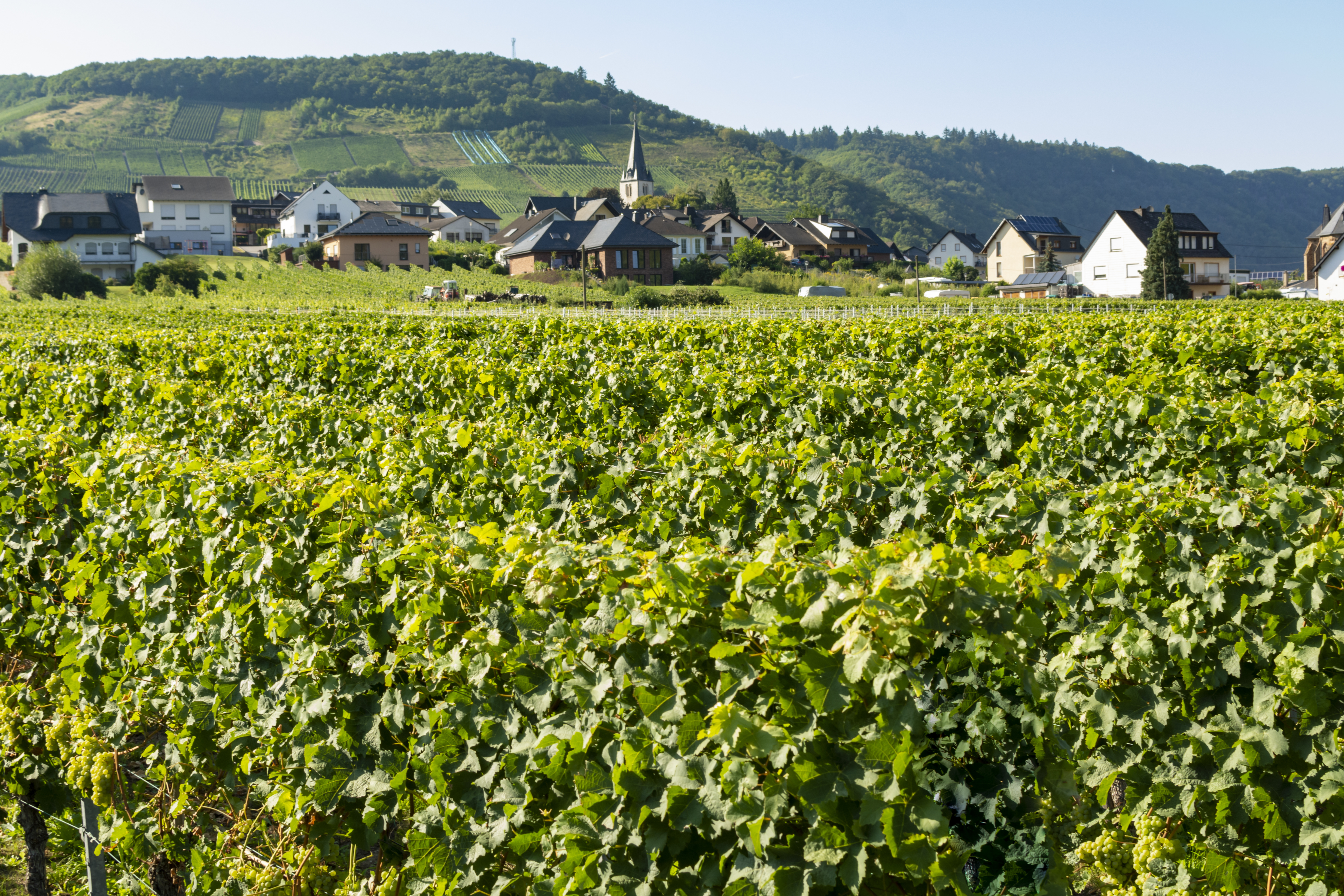
Vineyards in Nova Scotia’s Gaspereau Valley/photo by Gavin Gangille via Wikimedia Commons

Canada’s Nova Scotia province—located on the Atlantic Coast and including several islands—is known for the Cabot Trail (hailed as one of the world’s most scenic drives), the Halifax Waterfront, Peggy’s Cove (a charming fishing village), whale watching, music festivals, and delicious lobster.

These days, the area is also known for its wine. More than 20 wineries are currently producing world-class wines in Nova Scotia—hailed as Canada’s smallest and coolest-climate wine region.

Nova Scotia produces a range of wines, reserving particular pride for a unique style of wine known as Tidal Bay. The name “Tidal Bay” is strictly regulated and reserved for still (non-sparkling) white wines produced from 100% Nova Scotia grapes. Tidal Bay wines are fresh and crisp in acidity, dry to off-dry, moderate in alcohol (11% abv is the maximum permitted), and highly aromatic. They are ideal to pair with the area’s abundant seafood dishes and are billed as Nova Scotia in a glass, reflecting the climate, terroir, and culture of the region.
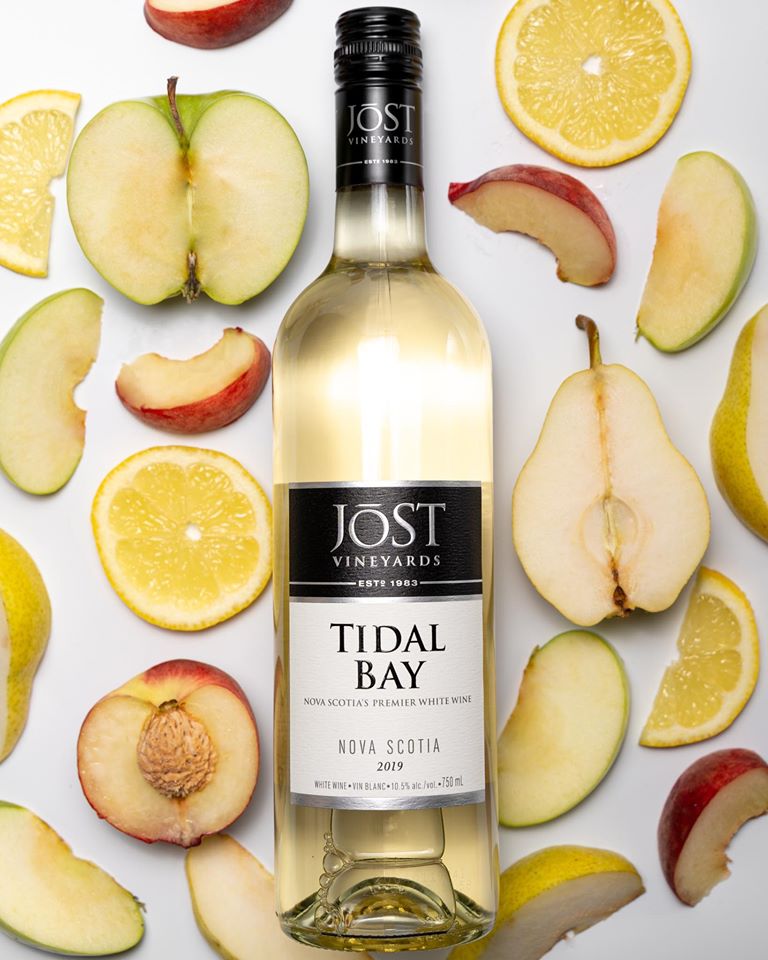
The requirements for use of the name “Tidal Bay” (as defined by the Winery Association of Nova Scotia) include the following:

  • 100% Nova Scotia grapes
  • A minimum of 51% (combined) of the final blend must be comprised of primary grape varieties. These are:
    • L’Acadie Blanc (complex hybrid [Cascade X Seyve-Villard 14-287] created by Ollie A. Bradt of Ontario)
    • Seyval Blanc (complex, French-created hybrid)
    • Vidal (complex, French-created hybrid)
    • Geisenheim 318 (German hybrid [Riesling X Chancellor])
  • Secondary grape varieties—including Riesling, Chardonnay, Pinot Gris, Chasselas, Ortega, Siegfried, Osceola Muscat, Frontenac Gris, Frontenac Blanc, Petit Milo, and Cayuga—are optional, but may be included up to a (combined) total of 49% of the blend.
    • Other grapes grown in Nova Scotia (tertiary varieties) are permitted to be included in limited amounts (up to 15% of the blend).
  • A maximum of 2% residual sugar (although there are exceptions based on the wine’s acidity and overall taste profile)
  • Limited, minimal, or no skin contact
  • Little or no influence of new oak
  • The wine must be vintage-dated and approved by a five-person tasting panel 

Peggy’s Cove (Nova Scotia)

With the number of grapes (and potential blends) allowed in the final mix, every Tidal Bay wine has the potential to be unique. However, during my research (and tasting) I found the following aroma/flavor descriptors to be apt: peach, apricot, pear, green apple, citrus (orange, tangerine, lemon) candied ginger, mineral/minerality, mint, and flowers.

Outstanding producers of Tidal Bay include Benjamin Bridge, Domaine de Grand Pré, and Jōst Vineyards.

Nova Scotia produces a wide range of other cool-climate wines in addition to Tidal Bay. On your next road trip through this beautiful area, be sure and seek out the region’s sparkling wines, piquette, crisp white wines (Sauvignon Blanc and Riesling are standouts), icewine, and Cabernet Franc rosé. 

.

About that name: The Bay of Fundy—one of the many natural wonders of Nova Scotia—is located between the Canadian province of New Brunswick and the island of Nova Scotia. The funnel-shaped bay is home to some of the highest tides on the face of the earth; the tidal surge can be as high as 43 feet (13 meters). In comparison, the worldwide average tidal range (height difference between high tide and low tide) is 3 feet and 3 inches (1 meter). The Bay of Fundy experiences two high tides a day, each about 12 hours and 26 minutes apart. With each high tide, 100 billion tons of seawater flow inland.

As the tide recedes, miles of ocean-front property makes itself available to hikers, picnickers, and bird watchers—every summer, the area is visited by 30,000 migrating sandpipers (and the folks who follow them). It’s no wonder Nova Scotia’s signature wine goes by the name “Tidal Bay.”

References/for more information:

The Bubbly Professor is “Miss Jane” Nickles of Austin, Texas… missjane@prodigy.net

The Outer Limits is my series of appreciative posts about small, obscure, or out-of-the-way wine regions.

The Rum Files: Bootleggers and Mythical Beasts

.

Rum is a fascinating and diverse category of spirits. It goes by many nicknames—kill-devil, screech, and Nelson’s blood (to name a few). The rum brands are just as interesting—Skinny Pirate, Flipflop, Bumbu, Cargo Cult, and Dead Man’s Fingers all caught my eye.

Among the funny, irreverent, and outlandish rum brands, several are named for bootleggers or mythical beasts. Here are a few to watch out for:

The Rougaroux: The rougaroux is a big, scary, creature somewhat akin to a werewolf. The legend of the rougaroux centers around French Louisiana/Cajun Country.  The name rougaroux is thought to be a localized variation of the French words loup (“wolf”) and garou (“man”)—or loup-garou (“wolf-man”). The rougaroux is a shape-shifting beast with the body of a man and the head of a wolf. He prowls the swamps of Louisiana and preys on children who misbehave, and—as some like to believe—Catholics who forget their Lenten vows. Thankfully, well-behaved youngsters (and devoted Catholics) are of no interest to him. Click here to visit the website of Rougaroux Full Moon Dark Rum.

Bill McCoy in 1921 (Public Domain)

The Real McCoy: The term “the real McCoy” is typically used to mean  “the real thing” or “the genuine article.” The saying has a plethora of backstories and possible meanings. These date as far back as 1856, when the Scottish poet Robert Louis Stevenson wrote a letter that contained the phrase a drappie o’ the real MacKay. However, when it comes to the Real McCoy Rum, it’s all about Bill.

William “Bill” McCoy (1877–1948) was an American bootlegger, famous for being one of the first—and best—sea captains to sail to the Caribbean and return to the east coast of America with a hull full of whiskey, rum, and all other sorts of alcohol. Bill was an experienced, savvy businessman and the owner of several boats. Bill and his crew would sail to the Bahamas, load up  with liquor, and return to the east coast—always careful to stay three miles off shore, which at the time represented the international boundary. Unlike many of the other rum runners of the time, Bill was known to never dilute his spirits with juice, water, sugar, or other additives. As such, his products became known for their quality and purity, and were referred to as “the Real McCoy.” Click here to visit the website of The Real McCoy Rum.

Photo by Rama via Wikimedia Commons

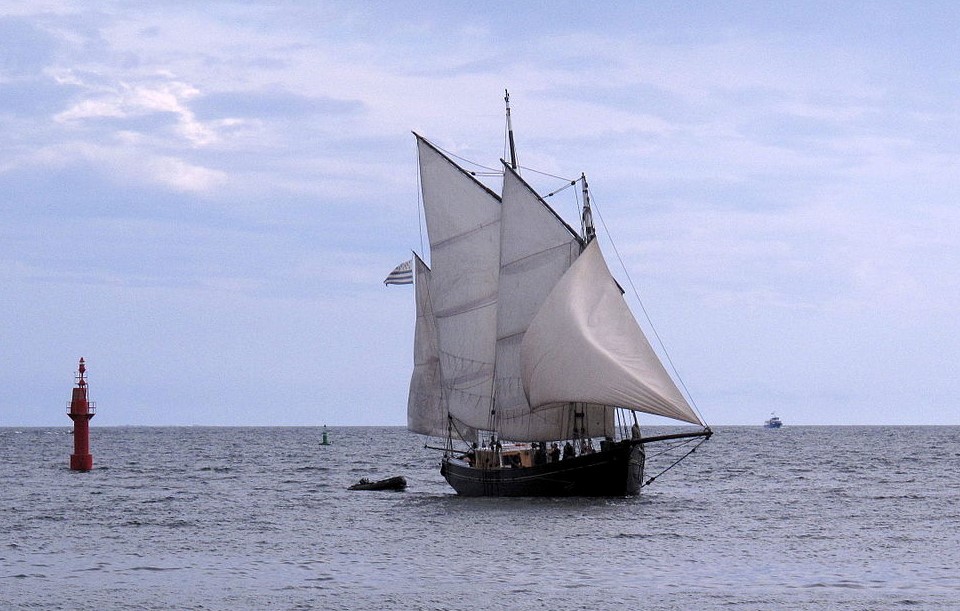
The Lugger: The term lugger represents the type of boat that the legendary Jack “Ratt” Rattenbury (1778–1844) would have used in his many years as a smuggler. Jack smuggled a range of goods between France and England. His modus operandi was to sink tubs of contraband—including brandy, tea, tobacco and silk—off the English coast for later collection.

A lugger is equipped with one or more four-cornered sails, known as lug sails. Luggers were widely used by bootleggers and other smugglers in the waters around England, Ireland, Scotland, and France from the mid-18th century onward. Luggers were prized for their speed and power—which often made them able to evade and outrun the authorities. Click here to visit the website of Jack Ratt Lugger Rum. 

Colossal octopus drawing by Pierre Denys de Montfort (via Wikimedia Commons)

The Kraken: The Kraken is a legendary creature of Norse mythology. The scariest thing about the kraken—often described as a giant squid- or octopus-like creature—is that it may well be based on real-life giant squid, which can grow to lengths of 40 feet or longer (ouch). This ocean-dwelling monster is reported to dwell off the coast of Greenland, Norway, Sweden, and other parts of the North Atlantic, often terrorizing ships and sailors. The kraken is often described in literature and lore—Alfred Tennyson wrote a poem called “the Kraken,” and kraken-like creatures appearance in Herman Melville’s Moby Dick as well as Jules Verne’s Twenty Thousand Leagues Under the Seas. Click here to visit the website of Kraken Rum.

Here are a few more rum names I’d like to investigate in the future: La Hechicera, Admiral Rodney, Dead Man’s Fingers, and Holey Dollar. Any other suggestions?

References/for more information:

The Bubbly Professor is “Miss Jane” Nickles of Austin, Texas… missjane@prodigy.net

One Small Step for the EU, a Giant Leap for German Wine?

.

All good wine students know that Germany famously has 13 Anbaugebiete (quality wine regions); each of which can produce Qualitätswein and Prädikatswein.  In theory, these are wines of the highest quality—with multiple layers of regulation and protection—classified in the EU as wines with a protected designation of origin (PDO). The 13 Anbaugebiete are all permitted to produce a wide range of wines, and each region’s product specification contains a long list of allowed grape varieties, wine styles, and wine-making techniques.

Well, good wine students of the world, hold on—because things are changing. Germany now has five PDOs defining small, specific areas within the larger Anbaugebiete. In addition, their rules dictate a list of approved grape varieties, limits on yield, and required/allowed/disallowed methods of production—just like a French-style AOC or an Italian DOCG. Welcome to the world, German PDOs.

.

Here are some details concerning Germany’s new region-grape-and-style-specific PDOs:

Monzinger Niederberg (Nahe): This vineyard was registered as a PDO by the EU on December 13, 2018. Monzinger Niederberg PDO is approved for the Riesling grape only; specifically for wines with “fine apple and citrus fruit notes in their aroma and a distinct minerality.” The region specializes in dry wine (defined as having less than 25 g/L residual sugar/less than 18 g/L if total tartaric acid is below 7.2 g/L), but sweet wines are produced as well. PDO regulations specify that the wines must be produced using taste-neutral containers, but allows for the use of oak containers if the oak character in the finished wine is “discreet” or not discernible. The use of small, new oak barrels is specifically prohibited.

Bürgstädter Berg (Franken): Bürgstädter Berg PDO was registered by the EU on May 17, 2017. It allows for the production of white wine, rosé/weissherbst, red wine, and sparkling wine. The wines may be produced in a range of styles, including the “traditional but very rarely produced sweet wines—Beerenauslese, Trockenbeerenauslese, and Eiswein.” The Bürgstadter Berg PDO is located on a predominantly south-facing slope alongside the River Main. According to the documentation, the area within the Bürgstädter Berg PDO differs from the surrounding region by way of its variegated sandstone soils that contain “lower soil cohesion and the lower pH value than is usual in Franconian soils.” The preferred grape varieties for white wines are Riesling and Silvaner; other allowed grape varieties include Zweigelt, Frühburgunder, Weissburgunder, Silvaner, Spätburgunder, Müller Thurgau, Riesling, and Chardonnay.


Map of the Uhlen Roth Lay, Uhlen Laubach, and Uhlen Blaufüsser Lay PDOs via https://www.ble.de/DE

The following three PDOs—Uhlen Blaufüsser Lay, Uhlen Laubach, and Ulen Roth Lay—are all part of the larger Winninger Uhlen vineyard. Located in the Lower Mosel—just 5 miles/8 km from where the Mosel meets the Rhine—they are positioned next to each other (intertwined in some spots), on a series of south-facing terraces along the Mosel River. All three of these PDOs were registered on December 13, 2108:

Uhlen Blaufüsser Lay (Mosel): This region is approved for white wines, both still and sparkling. Riesling is the only grape variety permitted. The wines are described as having fruity notes (ripe autumn apples) as well as notes of violets and licorice—but it is the “slate minerals” and “cool metallic” aromas that the wine is best known for.  Some wine making practices (including the use of potassium sorbate, de-alcoholization, concentration via centrifuge or osmosis, sweetening with grape must, and the use of oak chips) are specifically prohibited.

Uhlen Laubach (Mosel): This PDO is approved for the same styles of wine (Riesling only, still and sparkling) as its neighbors. It also shares the same list of prohibited wine making practices. However, in addition to fruity aromas and the character of clean slate, the wines of the Uhlen Laubach PDO are described as smelling of “cool smoke and hazelnuts,” and as “generally fuller, softer, and with great depth of flavor.”

.

Uhlen Roth Lay (Mosel): Like its neighbors, the Uhlen Roth Lay PDO is approved for Riesling only, which may be still or sparkling. The wines of the area are known to demonstrate fruity and aromas and notes of minerality. The region is unique for its sparse rainfall and climate, which features slightly higher temperatures than the surrounding areas.

Wait, there’s one more: A sixth appellation—Würzburger Stein-Berg, located in Franken—is at the “publication” stage of the EU approval process. The Würzburger Stein-Berg PDO application was accepted earlier this year and published in the Journal of the EU on April 17, 2020; it still needs that final step of EU registration. Update: the Würzburger Stein-Berg PDO was approved on November 24, 2020. 

Pictures or it didn’t happen: If you are finding all this a bit hard to believe, I feel you. As proof-positive, you can read the documentation—straight from the Official Journal of the EU—in the reference section below.

References/for more information:

The Bubbly Professor is “Miss Jane” Nickles of Austin, Texas… missjane@prodigy.net

Confusion Corner: Fleurie and Fleurieu

.

Fleurie and Fleurieu…for years I thought they referred to the same place…you know—that delightful little hillside hamlet also known as “the Queen of Beaujolais.”

Right? Wrong. Even though the two words are differentiated by nothing but a tiny, final vowel…they could not be further apart. As in 9,975 miles (16,050 km) apart; like from France to Australia.

To clarify: Fleurie and Fleurieu are totally different spots, literally half-way across the world from each other. As they are both wine-producing regions, and official appellations in their respective countries, we find them smack in the middle of the confusion corner.

Let’s take a closer look at Fleurie (floo–ree) and Fleurieu (floo–ree–ah)…perhaps this will clear up the confusion!

Chapelle de la Madone, Fleurie, France

Fleurie: Fleurie AOC is one of the ten Crus of Beaujolais (France). It is located near the northern edge of the Beaujolais region, tucked between Moulin-à-Vent and Chiroubles. The area is nestled into a zone of steep hills, and the highest peak (at 1,400 feet/425 m) is home to the Chapelle of La Madone. The hillsides around the chapel—particularly those with a southeast-facing aspect—are home to the appellation’s finest vineyards. Fleruie is known for its pink granite soils, unique even in the granite-rich region of northern Beaujolais.

Like all Beaujolais Cru, the Fleurie AOC produces red wines based on the Gamay grape variety. Fleurie is considered one of the most delicate and elegant of the Crus—and is often described in floral terms such as iris, violet, and rose. Other typical descriptors include red fruit (strawberry, cranberry, red cherry, kirsch), blue fruit (blueberry, plum) and savory (mineral, black pepper).

Despite the fact that fleurie translates to flowery, the area is not named after the wine’s famously floral aromas. Rather, the area is named for a Roman legionnaire named Florus (sometimes written as Floricum) who, at one time, made his home among these hills. 

Vineyards in Fleurieu (McLaren Vale)

Fleurieu: The Fleurieu Zone is located on the coast of South Australia (south of the city of Adelaide). It is centered on the Fleurieu Peninsula—a bit of land that extends into the Great Australian Bight and defines the southern side of St. Vincent Gulf. The Fleurieu Zone (as a geographical indication) also includes Kangaroo Island, located about 11 miles/18 km west of the mainland.

The Fleurieu Zone is positioned at the 35th latitude, however, its location directly on the coast of the Indian Ocean means that the area enjoys a much cooler climate—typically defined as Mediterranean—as compared to South Australia’s more inland locations.  Shiraz is the leading grape variety here (as it is in much of South Australia), along with Cabernet Sauvignon, Chardonnay, and Sauvignon Blanc.

Map of the Fleurieu Zone via WineAustralia and Google Maps

In terms of geographical indications, the Fleurieu Zone includes the following five regions: Currency Creek, McLaren Vale, Kangaroo Island, Langhorne Creek, and Southern Fleurie. Of these, McLaren Vale—located about 22 miles/35 km south of the city of Adelaide and known for Cabernet Sauvignon—is perhaps the best known.

TL/DR: Fleurie = Beaujolais Cru, Fleurieu = South Australia (Shiraz, Cab Sauv)

References/for more information:

The Bubbly Professor is “Miss Jane” Nickles of Austin, Texas… missjane@prodigy.net

Fishbowl or Rabbit Hole? (How to Study for an Essay Exam)

I tend to dive deep down the rabbit hole while studying. A “quick search” for a definitive definition of llicorella once led me along a path leading from slate to metamorphic rock to sedimentary rock to clay to volcanic ask to foliated rocks and—finally, at the bottom of the tunnel—to quartz and (phew!) my desired definition of llicorella.

Jumping down the rabbit hole—studying a series of interrelated topics in minute detail—is all well and good, and I have benefited from my in-depth understanding of llicorella.

However, it is my opinion that if you have an essay test in your future, you should also include another form of study in your routine. I call this the “fishbowl” routine. Think of it this way: to the fish, the water in the bowl is the whole world. An observer knows that it is a tiny part of the world, but to the fish, it’s everything. When studying for an essay test, my advice is to look at a singular topic—whether it is white wines of Tuscany, Chardonnay across the world, or sugarcane juice-based rum—and study the whole topic. Don’t’ be distracted by anything else (anything outside of the fishbowl); but try to cover the length and breadth of the fishbowl topic.

Keep in mind that essays test you on the big picture. In addition to specific details, you will need to demonstrate your grasp of themes, relationships, and major concepts. You might be called on to use critical thinking, offer up an opinion, make a prediction, provide an analysis, or compare-and-contrast.

Here are some specific study techniques to use while studying for an essay test.

Study with the purpose of teaching. Strive to get to the point where you can comfortably speak about the topic—without looking at your notes—anticipating any questions that future students might ask. (Creating teaching materials, whether you will ever use them or not, is a great study technique for any type of test).

Review the material frequently to maintain a good grasp of the content—used spaced repetition.

Create an outline for an entire chapter or section in a book. Using the CSW Study Guide, the CSS Study Guide—or your reference material of choice—outline an entire chapter (Italy, Spain, Franc, Rum) or section (Tuscany, Rioja, Alsace, Rhum Agricole). Focus on the entirety of the material to envision the “big picture.”

Review your notes for recurring themes. Long time readers of this blog might recall that I like to approach the study of any wine or wine region along the following lines: location > terroir > grapes > style > terminology (in that order, as there could be causation/effect). Or, you can use “viti, vini, style” (viticulture, vinification, style) for wines; for spirits I use base ingredient > production techniques > style.

Make-your-own charts to represent differences/similarities. For instance, a good wine student knows that there are three main white grapes in the Loire Valley (Chenin Blanc, Melon, and Sauvignon Blanc). Make a chart with the three grape names across the top; list the wines/appellations known for each in the columns underneath. Here are a few other ideas: brands of whiskey (Bourbon vs. Tennessee Whiskey; Scotch distilleries by geographical indication), sparkling wines across the world, Muscat-based wines across the world, leading orange liqueurs, gravel soil across the wine-making world.

Visual mapping/concept maps: Make some free-form graphs or doodles to visually represent the relationships between themes or ideas and patterns that recur on a regular basis. You could create a concept map with Chardonnay in the center, surrounded by the concepts you believe to be important. These might include varietal Chard, Chard in blends, Chard in sparkling wine, Chard in dessert wine, low-intervention Chard, high-intervention Chard, reductive Chard, oxidative Chard, cool climate Chard, warm climate Chard…and so on (and on and on and on).

Practice your critical thinking and analytical skills as you go. This is so much easier that it sounds. All you need to do is ask yourself why? Why is New Zealand Sauvignon blanc so zingy? Why is Burgundy Grand Cru expensive? Why is fino Sherry an acquired taste? Why is Cabernet Sauvignon the most widely planted vinifera grape in the world? Why is Caribbean rum distinctive?

Create summary notes: If you have used more than one reference (CSW Study Guide, Oxford Companion, World Atlas, Guild Somm, Wine Bible), grab your various stacks of notes and compile them all into one outline.

These suggested study techniques will help you prepare for any type of exam, whether it be verbal, short-answer, multiple choice or the dreaded essay exam—and can also prepare you to use your new-found knowledge in real life (which is the ultimate, end-game goal).

Always remember to enjoy your studies!  Click here to see more of our tips and tricks for the study of wine and spirits.

The Bubbly Professor is “Miss Jane” Nickles of Austin, Texas… missjane@prodigy.net

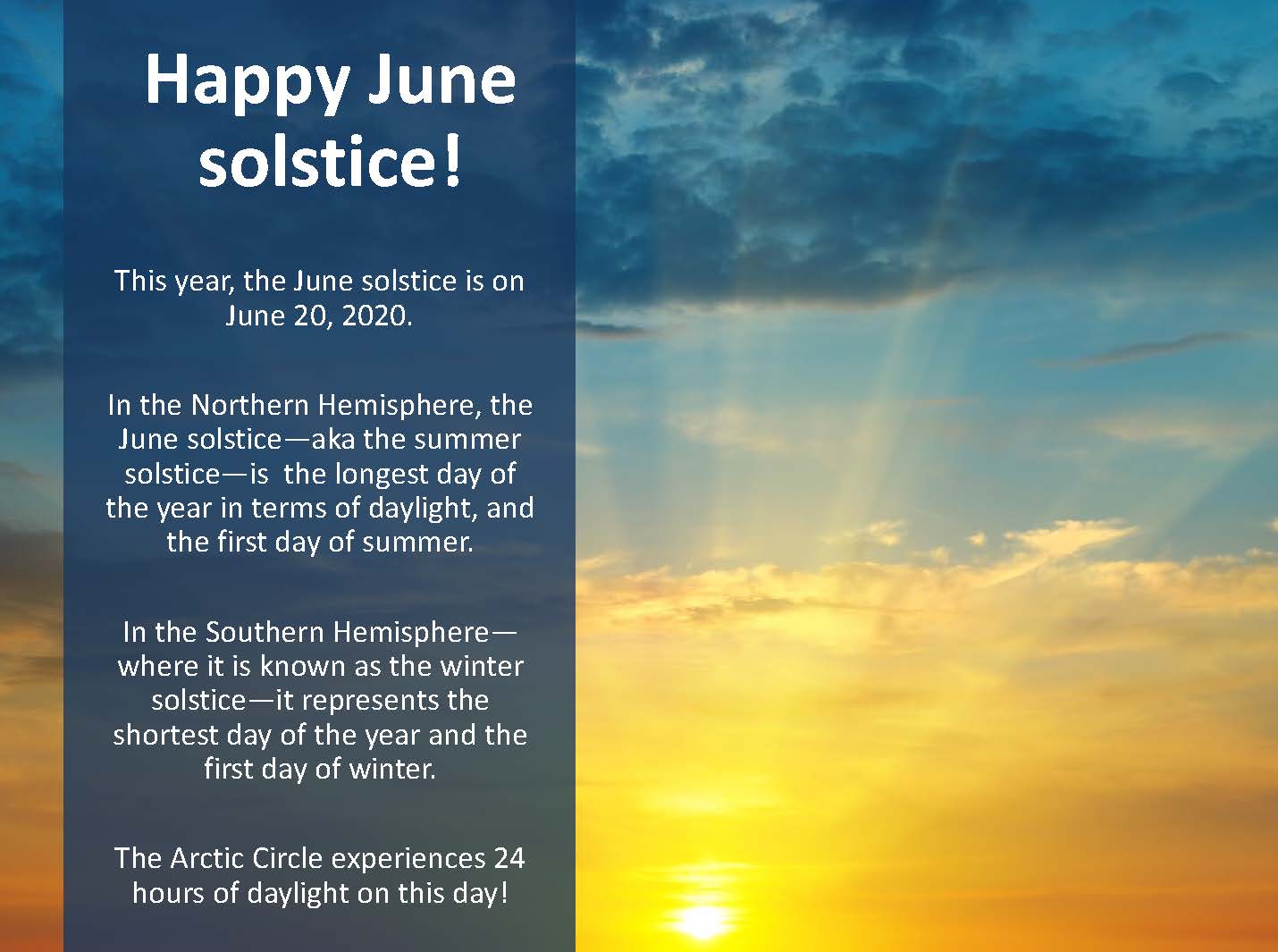
Happy June Solstice 2020!

Five Fast Facts about Muscadelle

.

The Muscadelle grape is often mis-pronounced and mis-understood. (For the record, the English pronunciation sounds like this: muhs-kuh-del.)

Muscadelle has been the victim of multiple cases of mistaken identity. It  is NOT synonymous with Muscadet, it is NOT a close relative of Muscat (despite the indisputable similarities in grapey, floral aromas), and it is not another name for Muskateller. Once upon a time, it was believed that Muscadelle was another name for Hárslevelű, one of the leading grapes in the famous wines of Hungary’s Tokaj region. This led to the grape being known in some areas as Tokay. However—you guessed it—we now know that Muscadelle is NOT Hárslevelű.

Muscadelle is not, in fact Muscat, nor Muscadet, nor Hárslevelű. But it is a fascinating grape, and here are five fast facts to prove it!

Fast Fact #1: Muscadelle is believed to be native to the area around Bordeaux and the Dordogne in south-western France. It is the offspring of Gouis Blanc and as-yet-unknown variety. This means that Muscadelle is part of the extended Pinot Family and some sort of a half-sister to Chardonnay.

Fast Fact #2: As befits its native status, some of the largest plantings of Muscadelle are in Bordeaux. Here, Muscadelle plays what might be its most famous role—as the number three grape (after Sémillon and Sauvignon Blanc) in the white wines (both dry and sweet) of Bordeaux. However, even here it is grown in limited amounts, amounting to just over 2,000 acres (885 ha) and—when used—typically amounts to no more than 3% of the total blend. One exception is Château Palmer, a Troisième Cru located in Margaux, that often produces a white wine—Blanc de Palmer—with as much as 50% Muscadelle in the mix

Fast Fact #3: Muscadelle is a bit more highly appreciated in Bergerac, a region about 50 miles (83 km) inland (and down the Dordogne River) from Bordeaux. The grape is used in varying amounts in the dry white wines of the area, including those of the Gaillac AOC and the Bergerac AOC. Many people believe that Muscadelle shows best in a sweet wine that allows its rich, floral aromas to shine. The wines of the sweet-wine-only Monbazillac AOC (located just up the river from Bergerac) are among the finest to showcase the Muscadelle grape variety in this way.

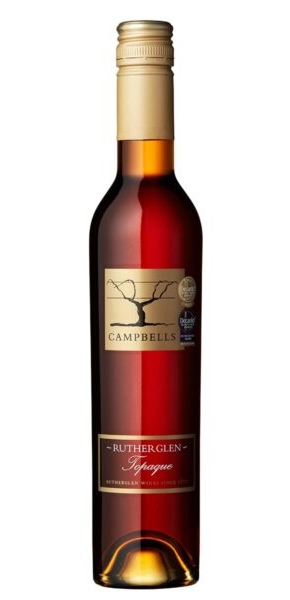
Photo via Campbells of Rutherglen

Fast Fact #4: Australia’s Rutherglen GI has produced unique, fortified-and-oxidized wines since the 1850s. These wines, made in a range of styles, are primarily produced from Muscat and Muscadelle grape varieties. Rutherglen is one of the regions where—in days past—Muscadelle was known as “Tokay” and as such, some of these wines were known as “Liqueur Tokay.” The name of the wine has since been changed to “Topaque” (as part of an agreement between the EU and Australia). Campbells of Rutherglen describes their Topaque as follows: “Deep, brilliant old gold. Lifted toffee, honey and cold tea characters combine to produce the unique character of Rutherglen Topaque.”

Fast Fact #5: Muscadelle has some fun nicknames, including the following: Vesparo, White Angelica, Marseillais, Guilan Musque, Raisinote, and Musquette. In part of California it is known as Sauvignon Vert, but this should not be confused with that other, more famous grape (also) known as Sauvignon Vert (aka Sauvignonasse or Friulano).

References/for more information:

The Bubbly Professor is “Miss Jane” Nickles of Austin, Texas… missjane@prodigy.net

Eight Good Reasons to Tangle with the Text (before Class)

.

If you are taking a wine or spirits class—or just about any academic-style class for that matter—you most likely have a textbook or other written content to accompany the class. In all likelihood, this material defines the structure of your class, and each individual class session is built upon a specific chunk of that content.

News flash: you will be a far better student, a far better colleague, and a more successful exam candidate if you read the assigned content BEFORE the scheduled class, webinar, or lecture.

Here is why:

1.You set yourself up to learn during class: If your webinar, class, or lecture is your first exposure to the material, it will be a series of “a-ha” moments, and you’ll have lots of basic, background questions running through your head. On the other hand, if the class is your second (or subsequent) exposure to the material, you will have already worked through the basics and will set yourself for deeper understanding and engagement with the material.

2. You build your all-important bank of background knowledge: By reading the content before class, you are expanding your background knowledge about the topic, and you have created more and more neurological pathways and connections between the bits of subject matter. In other words, you’ve created more “hooks” on which to hang the “facts” that you want to understand and remember.

3. You won’t injure your hand by maniacal scribbling: If you do not read the material beforehand, you’ll be tempted to write down almost everything the instructor says. While taking notes during a lecture is a great way to learn, the ideal ratio of note taking-to-listening is somewhere around 20%/80%. That means you are taking notes 20% of the time and listening the other 80% of the time. If you are writing most of the time, you will miss a lot of what is going on in the class or lecture.

.6. 

4. You are better able to focus during class: If you read the content before class, you will have a road map of sorts for the class; you have at least an idea of what to expect. As such, you will be able to follow along with ease.

5. You can dig deeper: If you show up for class with an understanding of the basics, you can use the class time to concentrate on the more challenging (or detailed) material. In addition, you can take advantage of the availability of the instructor to get your more complex questions answered.

7. You can jump-start your spaced repetition: If you read the material the day before class, the class itself can serve as your second exposure to the material. With a bit of pre-planning, your class can be a ready-made part of your program of spaced repetition.

8. You can un-learn what you need to: I can’t tell you how many times I’ve been teaching a class when someone asks a question that begins with the words but I thought (as in but I thought all Super Tuscans were 100% Cabernet Sauvignon).  If you always thought that all Super Tuscans were 100% Cabernet Sauvignon, a quick reading of chapter 10 in the Certified Specialist of Wine Study Guide will set your straight. If the subject is still confusing, you can bring it up during class, but the least you can to is come prepared.

And finally—we know (but we love you anyway): Here is a super-secret-teacher-truth: your teacher can easily tell if you have—or have not—read the material ahead of time based on your interactions during class. Just sayin’.

The Bubbly Professor is “Miss Jane” Nickles of Austin, Texas… missjane@prodigy.net

Shades of Schistosity

Shale

As a truly committed student of wine, you probably know that shale is a type of soft, foliated sedimentary rock composed (at least in part) of clay minerals and (sometimes) volcanic ash. Shale has visible stratification and a tendency to break or split along “layers” (known as “planes of weakness” or “rock cleavage” in geo-speak). This tendency to split along planes is known as fissility (which is just such a fun word).

You might also know that shale is well-represented in the vineyards of the world, including the Finger Lakes AVA (in New York State) and the Santa Cruz Mountains AVA (in California). Other wine areas known for shale-influenced soils include the western side of Paso Robles, the Mayacamas Mountains (between Napa and Sonoma), Heiligenstein (Alsace), and Austria’s Wachau region.

Shale is fascinating on its own but there’s more to the story, as shale can be transformed into slate, schist, or gneiss. These three types of rock are produced via varying degrees of metamorphism—changes resulting from heat, pressure, and deformation—and they all have different appearances and characteristics. Some of these differences are discussed below:

Slate

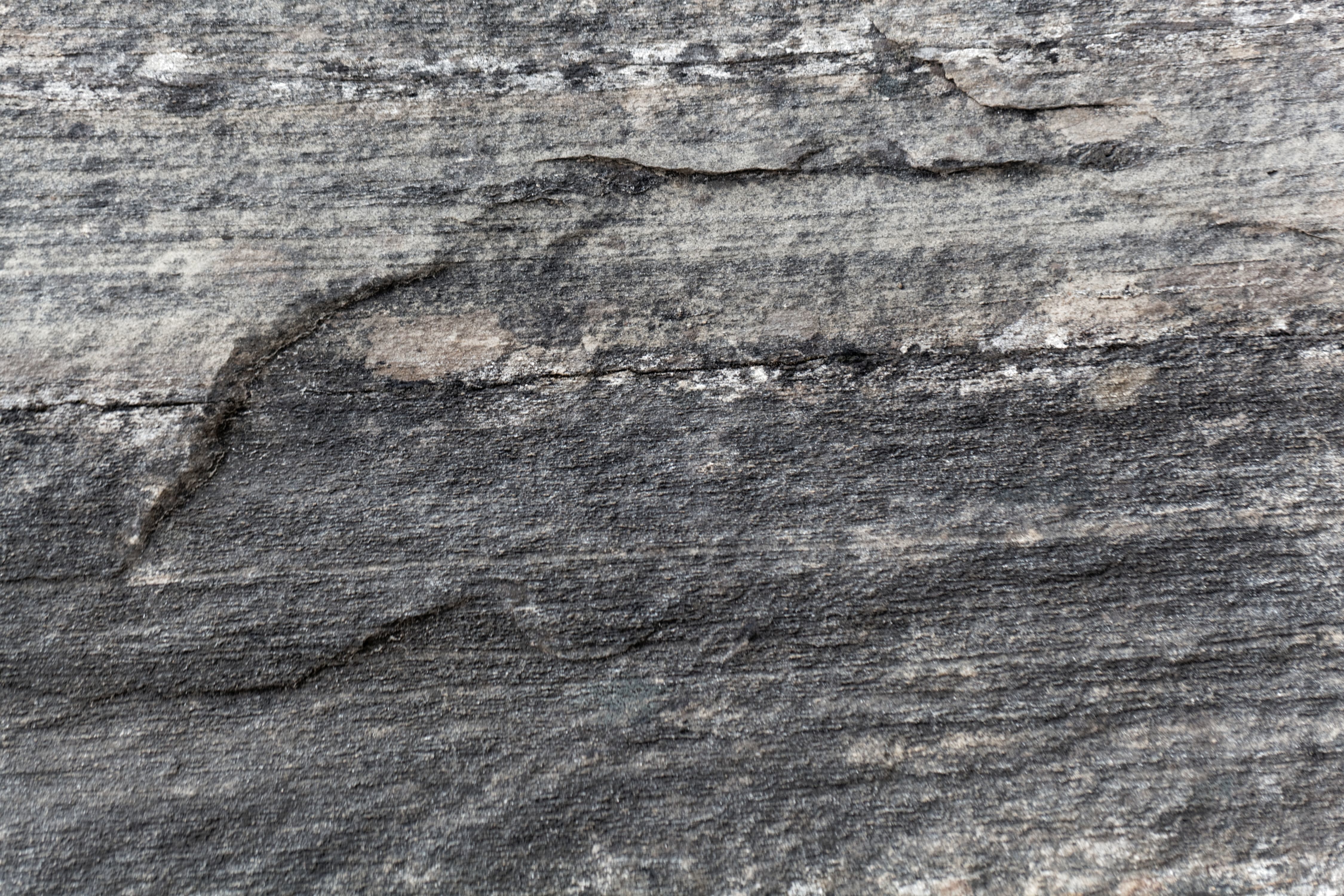
Slate: Slate, formed from shale, is a finely grained rock that may be formed under relatively low temperature and pressure conditions (low-grade metamorphism). Slate tends to be one solid color in addition to being very hard and brittle; when broken, it will form flat, smooth surfaces. Germany has several vineyards areas celebrated for their slate soils; these include the Mosel and the Rheingau—both of which also have significant outcroppings of shale (now we know why). Other wine areas rich in slate include the Clare Valley, the Cebreros VCIG (in Castilla y León), and Chile’s Aconcagua Valley.

Schist: Schist is formed (from slate or mudstone) under moderate levels of heat and pressure (metamorphic forces). Schist is identifiable by its visible “grains” (in layered formation), dull luster, and schistosity—the layer-like foliation that is found in certain coarse-grained metamorphic rocks. Despite the fact that it reminds me of a wine-geeky, made-up word (like matchsticky or porch-pounder), schistosity is a real thing.

Schist

Several vineyard regions are regarded as rich in both slate and schist; these include Priorat (Spain) and the Douro Valley (of Portugal). Parts of Tuscany are known for galestro—a soil rich in both clay and schist. Other areas known to be rich in schist include Corbières, Côte-Rôtie, Kastelberg (Alsace), the Valais (Switzerland), Ribeira Sacra, and Savennières. These areas are often described as having schistous soils—although schistous is definitely a made-up/wine geek word and does not appear in the geological lexicon (Maltman: Vineyards, Rocks, and Soils, p. 103). Schistes, however, is a real word (in French)—there is even a wine association to prove it: L’Association des Terroirs de Schistes.

Gneiss

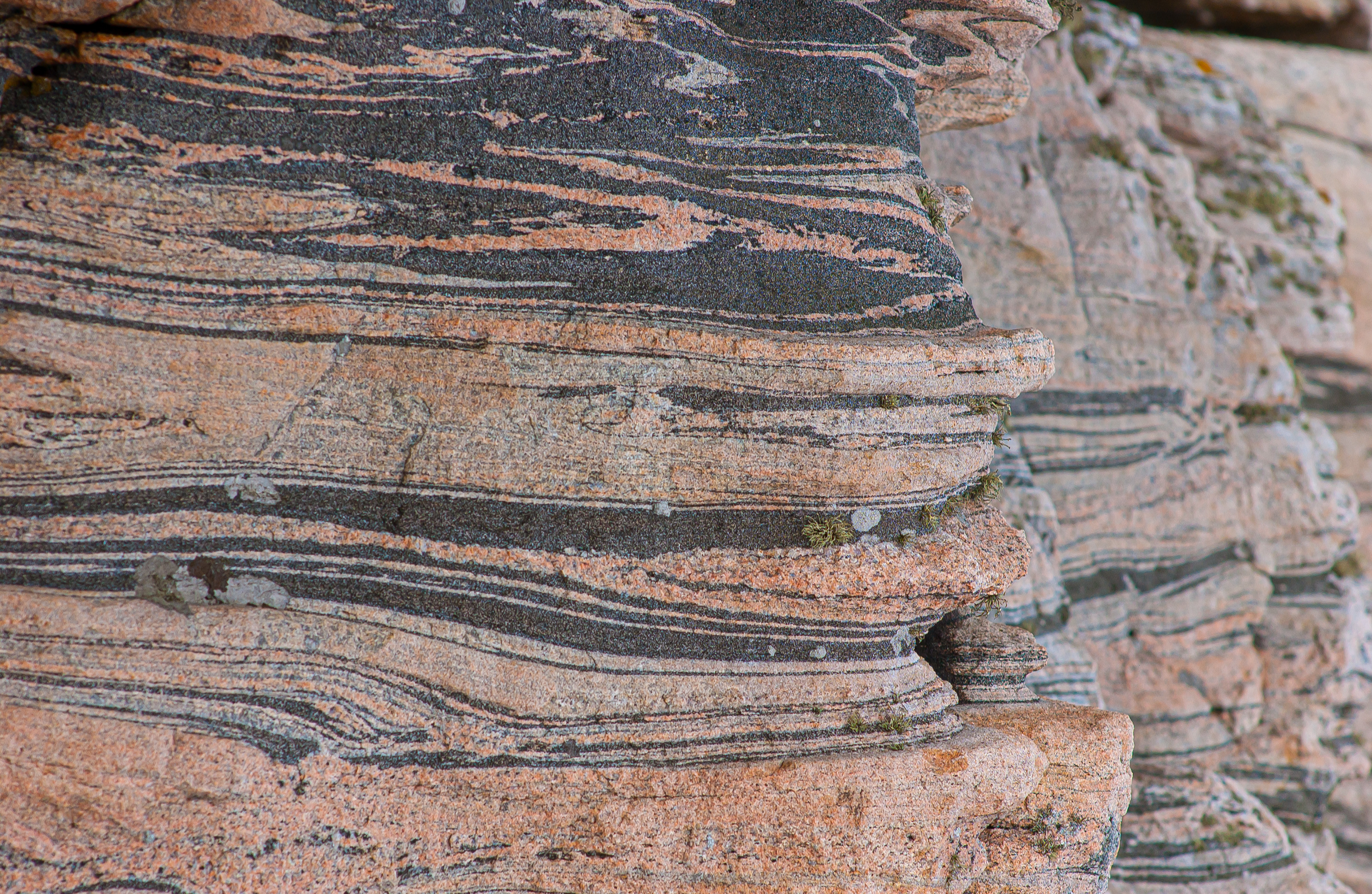
Gneiss: Given the right combination of intense heat, pressure, and (perhaps) chemical activity, schist can transform into gneiss. Gneiss has visible “bands” of various colors composed of various minerals (gneissose banding). Having been formed under intense metamorphic pressures, gneiss is much heavier and harder than slate and schist and does not typically break along its foliation planes.

Vineyard regions known for gneiss include the Pays Nantais, Margaret River, Wachau, Kamptal, and the Middleburg AVA in Virginia (USA).

  • References/for more information:
  • Feiring, Alice (2017). The Dirty Guide to Wine. New York: The Countryman Press.
  • Franzmeier, Donald, William McFee, John Graveel, and Helmut Kohnke (2016). Soil Science Simplified, 5th edition. Long Grove, Illinois: Waveland Press.
  • Maltman, Alex (2018). Vineyards, Rocks, & Soils: The Wine Lover’s Guide to Geology. New York, New York: Oxford University Press.
  • Robinson, Jancis and Julia Harding: The Oxford Companion to Wine, 4th Edition. Oxford, 2015: The Oxford University Press.
  • White, Robert (2009). Understanding Vineyard Soils. Oxford University Press.
  • http://www.terroirsdeschistes.com/
  • https://geology.com/rocks

The Bubbly Professor is “Miss Jane” Nickles of Austin, Texas… missjane@prodigy.net


Perfect Pairings: Wine with Holiday Ham

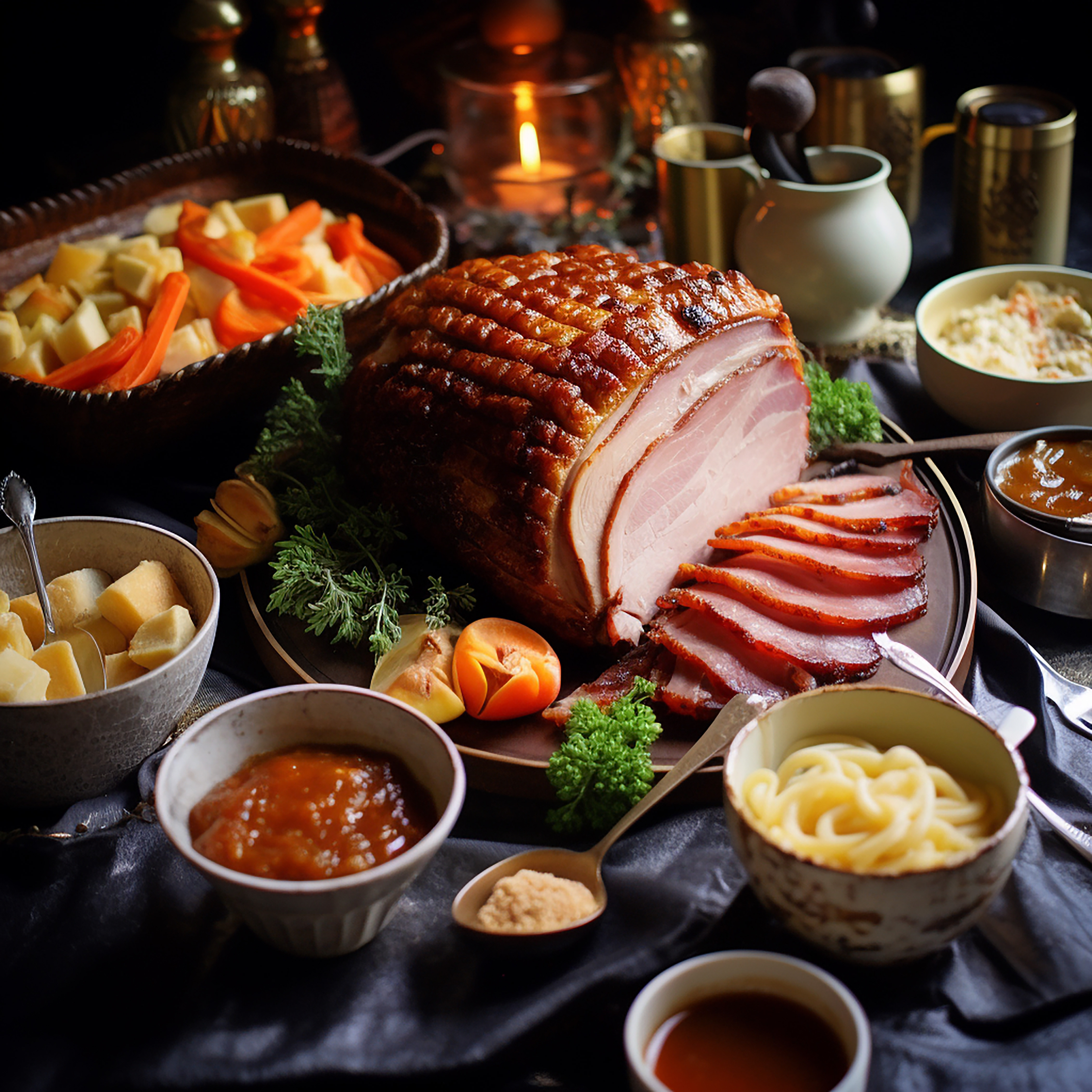
If your next big, crazy holiday gathering is going to feature a holiday ham (yum), the centerpiece of your meal will probably be glazed with maple or pierced with cloves. On the side, you are likely to find the standard line-up of holiday buffet dishes, including scalloped potatoes, sweet potatoes, brandied peaches, and green beans.

Your first wine pairing guideline for such a feast is center your wine choices around white wines, rosés, or lighter styles of red. This is to avoid a clash with the inevitable sweetness on your plate and to avoid overpowering the entrée.  In addition—as is typical of holiday feasts—the array of side dishes on the table will offer up a wide variety of tastes and flavors, so our challenge is to find a wine that doesn’t wrestle with the rest of the meal.

Here are a few guidelines to help you find a great wine to pair with a meal centered around a holiday ham:

Look for something light-to-medium:  A light-to-medium bodied wine—with a corresponding light-to-medium level of flavor intensity—is unlikely to overpower the main course in terms of both weight and flavor.  For best results choose a sparkling wine, a white wine, or a rosé.  There are also plenty of options for red wines lovers; just keep to the lighter styles of red. Wines based on Pinot Noir, Mencía, Gamay, or (sometimes) Sangiovese are great choices.  This can be a great day for lovers of French wine and a great day to bring out the Burgundy and Beaujolais. For lovers of Italian wines, Chianti, Chianti Classico, or Valpolicella can be good choices (however, be advised that depending on the producer, these wines can be light-and-lovely or big-and-brawny).

Fruit-forward wines will shine: A dinner based on ham will most likely contain a side dish based on peaches, raisins, or sweet potatoes.  While it is very hard to predict flavor-based reactions in wine and food pairings (as opposed to taste-based, which can be predicted quite accurately), fruity flavors in food will typically cause the wine to seem less fruity, drier, and more astringent. In order to avoid a fruit-on-fruit wrestling match and ending up with insipid-tasting wine, make sure the wine has fruity flavors to begin with.

A touch of sweetness will make a great match: If your ham is honey-baked, maple-drenched, or brown sugar-glazed, this is important. While it seems counter-intuitive, sweetness in food makes wine taste less sweet (and therefore more acidic).  If the idea of sweet wines on the dinner table scares you, don’t forget that your open-door policy on holidays most likely means that your guests have a broad range of preferences in wine, and this is one case where the Moscato drinkers and the sweet wine lovers may just have an edge. In order to abide by this rule, you don’t need a super-sweet dessert wine, just a wine with a hint of sweetness. After all, a few bottles of Moscato d’Asti, Brachetto d’Acqui, or off-dry Vouvray never hurt anybody!

The Bubbly Professor’s Suggestions for wine to pair with Holiday Ham

  • Riesling from Alsace, Germany, or Washington State is a great choice. For the wine adventurer, try finding a single winery that offers wines in varying levels of sweetness.  Tasting them along with the meal will make for an interesting feast!
  • Vouvray, either sparkling or still, or any other Chenin Blanc-based wine from the Loire or elsewhere (South Africa makes some wonderful Chenin). Vouvray sometimes has a bit of residual sugar, so this wine checks a lot of boxes.
  • Rosé…just about any rosé would be lovely, and this is a time where Rosé d’Anjou with its slight hint of sweetness will absolutely shine.  A rosé made from Sangiovese—which to me always seems to have a charming little hint of baking spice in the flavor—would also work.  If you have a rich uncle, tell him to bring Domaine Tempier Bandol Rosé (from Provence) and save a bottle for me!
  • Pinot Gris from Alsace or Oregon—this is an under-appreciated wine if ever there was one.  For less than $30.00 a bottle, grab a bottle of Pinot Gris from Oregon’s Willamette Valley.  It’s a bit more expensive, but if that doesn’t bother you, try a Pinot Gris from Alsace.
  • Gewürztraminer…my favorite “love it or hate it” wine will really shine with the flavors of a holiday ham feast.  Germany and Alsace make terrific dry varieties, and some of the versions from California have a slight hint of sweetness. Either version will do.
  • Rosé Champagne might just be the perfect choice.  Go for broke and load up the table with Laurent Perrier Brut Rosé, or spend a bit less and find a Brut Rosé Cava from Spain. (Pro tip: buy the Cava for your guests and keep a secret stash of Laurent Perrier in the bedroom mini fridge just for you and your bestie.)
  • Prosecco is a good choice, but then it just about always is!
  • For the wine adventurous…try a Cabernet-Franc based red wine from the Loire, such as Chinon or Bourgueil. California is also making interesting Cabernet Franc these days.
  • Red Burgundy, Cru Beaujolais or Oregon Pinot Noir.  You just can’t go wrong with these food-loving wines.
  • Chianti, Chianti Classico, or Valpolicella—sure to please the lovers of earthy red Italian wines.
  • For the sweet wine aficionados in the crowd, grab a few bottles of Moscato d’Asti and Brachetto d’Acqui.  These slightly sweet wines will work for the whole meal from spiced cashews to pecan pie!

Remember to relax and enjoy the holidays, and don’t stress over the wine choices.  Choose something you love and something that your guests will be comfortable with, whether they be wine newbies or wine adventurers!

The Bubbly Professor is “Miss Jane” Nickles of Austin, Texas…