Wine Grape Cheat Sheets: Pinot Noir

The Soundbyte:  The Pinot Noir grape has been grown in the Burgundy region of France for centuries, and is used to craft the region’s world-famous red wines.  Pinot Noir is also grown in Champagne, where it makes its way into many “house blend” Champagnes as well as Blanc de Noirs and Rosé Champagne.  Elsewhere in France, Pinot Noir is grown in the Loire Valley—several red wines of the Central Loire, including Sancerre (when its red), are based around Pinot Noir!

Pinot Noir has also found a home in the Willamette Valley Region of Oregon—so much so that the region is often referred to as Burgundy West.  The finicky grape thrives in the cooler growing regions of California, the warmer spots of New Zealand, and the coastal appellations of Australia (think Tasmania, Yarra Valley, and the Mornington Peninsula).

Despite its fame and fortune, Pinot Noir is known for being incredibly finicky in the vineyard. It is often called the heartbreak grape, and can be just as difficult in the winery as it is in the vineyard. Pinot Noir can indeed be the best of wines…or the worst of wines. Let’s talk about the best!

Typical Attributes of a Pinot Noir-based Wine:

  • Light garnet to dark ruby in color…sometimes the lightness of the color belies the flavor intensity of the wine!
  • Medium body, medium in tannin
  • The finest Pinot Noir wines combine juicy fruit flavors with earthy complexity and zingy, balanced acidity.
  • Pinot Noir is potentially one of the most delicate, complex, and food-friendly red wines.
  • Pinot Noir has a signature aromatic profile (imho) of floral notes at the top of the glass and cherry-berry scents at the bottom, both circling a core of “earthy-floral-garden dirt” aromas.
  • Save Pinot Noir for an occasion when you have at least 25 dollars to spend…bad Pinot Noir can be disappointing indeed. (The “New World Hope” exception to this rule just might be Pinot Noir from Tasmania…time will tell.)
  • Pinot Noir makes fantastic sparkling wines and is the most widely planted grape in Champagne.  If you are drinking a Blanc de Noir, chances are, you are drinking Pinot.
  • Rosé of Pinot Noir is a beautiful thing.

Typical Aromas of a Pinot Noir-Based Wine:

Fruity:  Black cherry, dried cherry, raspberry, strawberry, cranberry, blueberry, plum, dried plum, pomegranate

Earthy:  Mushroom, wet dirt, wet leaves, dry leaves, barnyard, dried herbs

Floral:  Rose, violet, dried flowers

Wood-Derived:  Vanilla, smoke, oak, cinnamon, nutmeg, clove (hints of spice from barrel aging)

Crazy but true: Cola, Dr. Pepper, prune, cocoa, Earl Grey Tea

Where The Best Pinot Noir is Grown:

  • The Burgundy Region of France
  • Champagne
  • France’s Loire Valley…Sancerre Rouge is actually Pinot Noir
  • Oregon…sometimes called “Burgundy West”!
  • California, particularly in and around the Central Coast, Sonoma, and the cooler portions of Napa
  • New Zealand
  • Australia grows Pinot Noir in its cooler regions such as Tasmania, Yarra Valley, and the Mornington Peninsula.

Food Affinities – Base Ingredients:

  • Beef, Lamb, Veal, Poultry, Pork
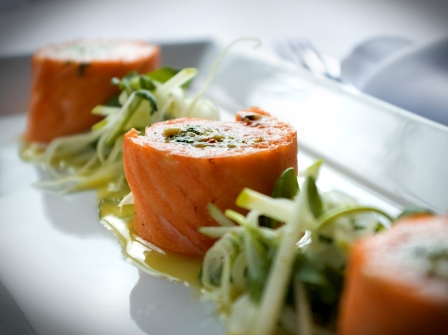
  • Heavier seafood such as Salmon and Tuna…this is truly a wine that can pair with both red and white meat (depending on the preparation, of course)
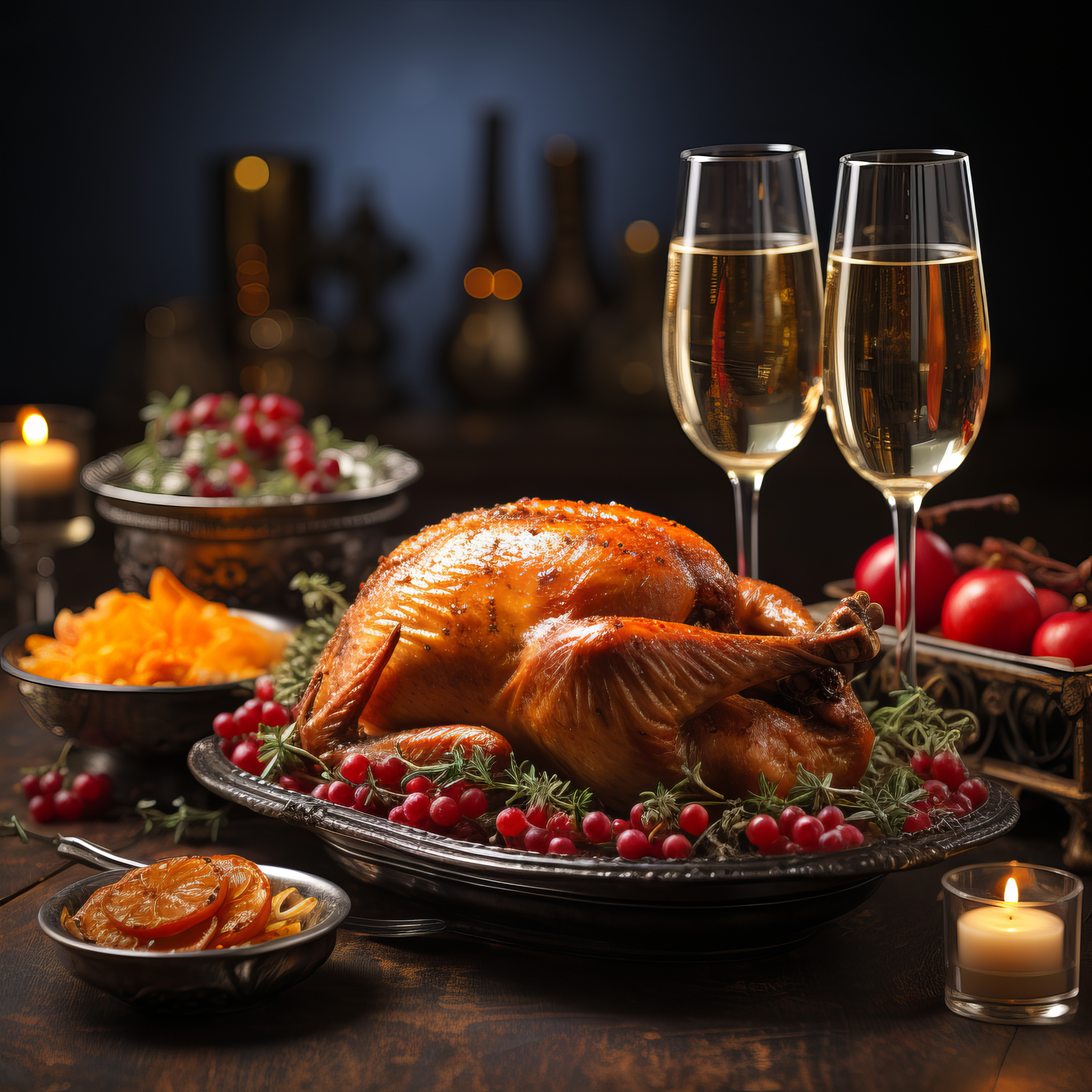
  • This is an ideal wine for the typical American Thanksgiving menu, as well as most other “everybody brings a dish” type of holiday meals.  

Food Affinities – Bridge Ingredients:

  • Mushrooms, Truffles, Black Olives
  • Earthy Flavored Cheeses, Blue Cheese, Soft Cheeses
  • Tomatoes, Garlic, Shallots, Onions
  • Basil Pesto, Fresh Herbs
  • Eggplant, Beets, Roasted Red Bell Peppers
  • Cherries, Cranberry, Plum – as with most dry wines, careful with the sweetness level.

Note: When it comes to food pairings, by all means—drink what you like!

The Bubbly Professor is “Miss Jane” Nickles of Austin, Texas



Perfect Pairings: Wines for Thanksgiving

When pairing wines with a big turkey dinner, it’s time to take sides. 

By this—taking sides—I do not mean that you have to get involved in every family feud that comes up around the dinner table. (oh. please. no.) Rather, I mean that it is a good idea to choose your wines with a mind to the varied tastes and flavors of your side dishes.  Turkey—typically the main event on T-day—is actually quite neutral in flavor and can pair nicely with a variety of wines.  Side dishes for turkey, however, include the sweet (think yams topped with mini marshmallows), the spicy (sausage stuffing), the salty (gravy), and the tangy (pickles, olives, and cranberry sauce).

It takes a fruity, acidic wine with no chance of clashing flavors to match that schizo of a meal.   

I know this subject has been talked to death, that opinions on the matter run hot, and what the world needs now is hardly one more blog post on what wines to serve on Thanksgiving.  So, it is with humility and a bit of trepidation that I offer the following ideas on choosing wine for Thanksgiving.

#1—Choose a wine with lots of crisp, lively acidity:  Tangy foods, such as cranberry sauce, citrus, or anything from the relish tray, need to be paired with wines that can stand up to the challenge.  To be safe, serve a wine that has lively acidity to begin with and your wine will maintain its balanced flavor even in the presence of acidic foods.

#2—Choose a wine with fruit-forward flavors:  Cranberry sauce, sweet potatoes, creamed corn and yams…due to the fact that they have a degree of sweetness, these foods pair best with a wine that has a very fruit-forward style. A wine with a hint of sweetness is ideal, as any sweetness in a food will diminish the fruitiness or sweetness of a wine.  For these reasons, it is a good idea to start with a wine with a good deal of fruit flavors—and maybe even a touch of sweetness—in order to preserve the wine’s balance with these types of foods.

#3—Choose a wine that is low-to-moderate in tannin:  Tannin is an integral part of the taste, flavor, and structure of most red wines. It’s also the component that gives many wines their structure and grip while lending a velvety mouthfeel to others.  However, as beloved a high-tannin wines may be, it pays to go moderate with the tannin in the wines we serve on Thanksgiving. The reason—simply put—is that too much tannin can clash with spicy flavors; those sweet tastes can also be anproblem (as they can bring the bitterness and astringency of a tannic wine to the forefront).  To avoid a clash of the titans that might end up with a metallic or bitter taste in your mouth, keep those red wines low-to-moderate in tannin. You might look for a red wine described as smooth, ripe, or velvety.

#4—Choose a wine with low-or-no noticeable oak influence:  Oak is a beloved flavor enhancer of many wines, and lots of people love oak aromas and flavors.  However, highly oaked wines can clash with some food flavors; to avoid this clash, choose a wine (or wines) with no overt oak flavors (especially the bitterness that often can be sensed on the back of the palate). These oak-derived tastes can clash with foods that are slightly sweet, a bit fruity, or a tad spicy (and there will be plenty of all of these at a typical Thanksgiving feast)!

#5—Choose a wine that is moderate in alcohol:  Alcohol, while part of what makes wine so delightful, has a tendency to clash with certain tastes and flavors, and with all the flavor mingling going on at Thanksgiving, this cage match is likely to happen.  all possible, keep your wine choices in the moderate alcohol range (lower than 14%, dessert wines excepted). On the other hand, if you enjoy the sensation of throwing gasoline on a fire, go right ahead and serve a 15% abv Napa Cab.  And then there’s this…turkey already has enough drowsiness-inducing tryptophan to put you and your relatives to sleep before the first kick-off of the first football game of the day. We don’t need any help from excessive amounts of alcohol!

#6—Remember the reason for the season: American Thanksgiving is a US-centric holiday, a celebration of the bounty of the fall harvest, and a time to be grateful. As such, sometimes I like to choose my wines for Thanksgiving with these ideas in mind. As this is a US-centric holiday, it’s a great time to focus on the wines of the United States. To accomplish this, you could focus on the well-known American wines such as Monterey Chardonnay. Napa Cabernet, Paso Robles Zinfandel, Oregon Pinot Noir, or Washington State Riesling. You could also focus on the lesser-known but still fascinating wines of Idaho, New York State, Virginia, Texas, or any of our other wine-producing states. To add the aspect of celebrating the harvest, try a Beaujolais Nouveau from France. It might not be anyone’s idea of the finest wine on earth, but it represents a true celebration of the harvest, as signified by the early release of the just-made wine of each year.  As a way of expressing gratitude…choose a wine to appeal to those you are most thankful for….seek out your father’s favorite Burgundy, your granddaughter’s beloved white zinfandel, or your oldest friend’s favorite wine. You can’t go wrong.

Bubbly Professor’s Wine Suggestions for Your Turkey Dinner:

  • Riesling from Alsace, Germany, or Washington State
  • Viognier from Texas, California, or The Rhône Valley of France
  • Unoaked Chardonnay
  • Bubbly—any dry or semi-dry sparkling wine; pink versions pair well with a wide range of food, and Prosecco is always a good choice
  • For the adventurous…Sparkling Shiraz
  • For the less-than-adventurous…Moscato d’Asti
  • Dry rosé—an all-around great choice! Serious, French rosé—such as those made in Tavel or Lirac—is a great choice. American rosé of Pinot Noir will work as well.
  • Zinfandel from Lodi, Paso Robles, Sonoma, the Sierra Foothills (Amador or El Dorado County)
  • Pinot Noir from Burgundy, California’s Central Coast, or Oregon
  • Beaujolais
  • Or, of course, you can use this philosophy:  serve anything you like…it’s just one day out of life!

Happy Holidays, Everyone!! No matter what you serve, enjoy the day and give thanks for all the good things in your life! 

The Bubbly Professor is “Miss Jane” Nickles of Austin, Texas… missjane@prodigy.net