Wine Grape Cheat Sheets: Grenache
December 30, 2022 Leave a comment
 The Soundbyte: Grenache is coming into its own as a single-variety wine, and wonderful examples can be found from Australia, California, Washington State, Texas, Spain, France, and Italy. At their best, these wines are fruity, earthy, and flavorful while not being too tightly wound. What’s not to love?
However, when discussing Grenache, we cannot forget its roles as (what I like to term) the world of wine’s most in-demand wing man. This refers to the fact that—while Grenache is certainly capable of starring in varietal wines—it is undoubtedly an in-demand partner in some of the world’s most famous red wine blends.
In Spain, Grenache is often blended with Tempranillo, Cinsault, and a host of other grapes; this is particularly apparent in the DOCa wines of Priorat/Priorato. In France, Grenache is one of the three amigos (Grenache-Syrah-Mourvèdre) of the Rhône Blend (otherwise known as G-S-M), while also playing a part in some of the more complex (13-grapes-or-even-more) wines of the Southern Rhône. Grenache is also made into dessert and fortified wines and makes a world-class rosé.
Typical Attributes of a Grenache-based Wine:
- A typical varietal wine made with Grenache might be described as relatively high in alcohol with aromas and flavors red fruit, black fruit, and spice.
- The texture of Grenache has been described as rustic due to its rich flavors yet moderate structure.
- The grape tends to be thin-skinned and low in both color and tannin, however, these factors can vary depending on vineyard conditions and winemaking; Grenache can sometimes pack a tannic punch.
- Grenache is used in fortified wines, dessert wines, and delightful rosés; but its most common incarnation is as the backbone of hearty red blends.
Typical Aromas of a Grenache Based Wine:
 Fruity: Cherry, Raspberry, Blackberry, Blueberry, Strawberry, Cranberry, Currant, Raisin, Plum, Fig
Spicy: Black Pepper, White Pepper, Menthol, Licorice/Anise, Clove, Cinnamon, Juniper
Earthy: Mineral, Stony, Baked Earth, Wet Earth, Leather, Forest Floor, Bramble, Tobacco, Smoke, Leather
Floral: Roses, Dried Rose Petals, Violet
Herbal/Vegetable: Herbs de Provence, Garrigue (Shrubland), Rosemary, Dried Herbs (Savory), Mint, Menthol, Eucalyptus
Oak-Derived: Chocolate, Mocha, Cocoa, Vanilla, Sweet Wood
Where The Best Grenache is Grown:
- In France’s Rhône Valley, especially the Southern Rhône, where it is the super star grape of Châteauneuf-du-Pape, Gigondas, and Rasteau. Typically, it plays a leading role—along with Syrah and Mourvèdre—in the blended red wines of the Southern Rhône
- The grape is part of the blend that is used to produce many delightful rosés throughout the Southern Rhône, including Lirac and Tavel
- Also in France, Grenache is grown in Provence, Rouissillon, Languedoc, Minervois, Fitou, and Corbières. It is also the leading variety of certain fortified wines in produced in Banyuls and Maury
- In Spain, where it is among the most widely planted red grapes in the country, the grape is called “Garnacha”
- Garnacha is main variety in Priorat and Campo de Borja; and plays a role in the wines of Rioja, Navarra, Somontano, Catalonia, and La Mancha
- In Italy where—known as Cannonau—it stars in the Sardinian wine known as Cannonau di Sardegna
- Australia, where it makes some awesome varietals, including my favorite, d’Arenberg’s McLaren Vale “The Custodian” Grenache
- California, where it has historically been grown in San Joaquin Valley and is now produced in many other regions such as Santa Barbara and Paso Robles.
- Washington State is also getting into Grenache
NOTE: Across the wine world, there are many names for Grenache, including the following: Garnacha, Garnatxa, Lladoner, Uva di Spagna, Cannonau, or Tinto Aragonés. As Grenache has several color mutations, sometimes the grape is identified as Grenache Noir or Garnacha Tinta.
 Food Affinities – Base Ingredients:
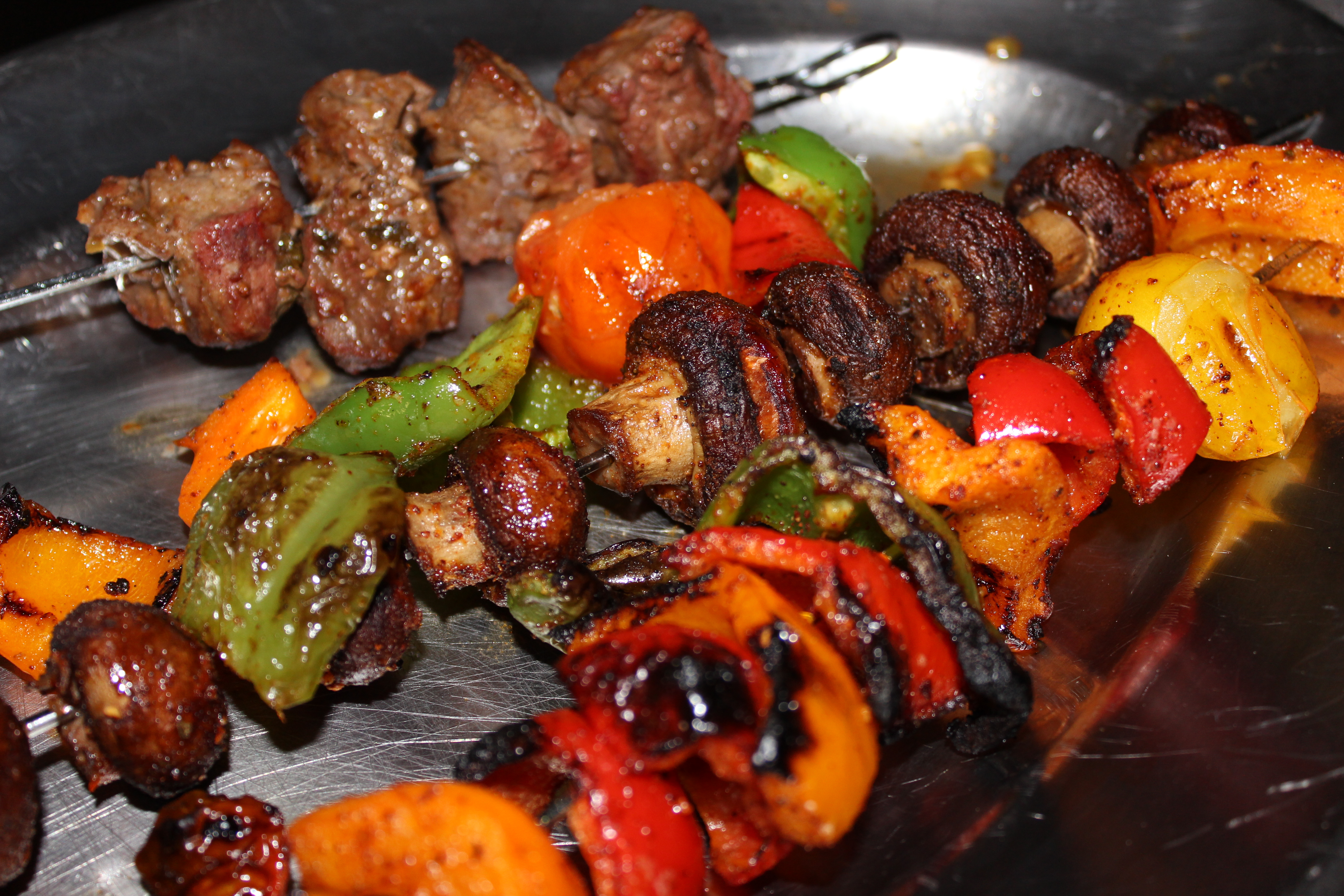
- Beef, Lamb, Veal, Venison, Pork, Hard Cheeses
Food Affinities – Bridge Ingredients:
- Simple, rustic dishes, Grilled Foods
- Tomatoes, Sun-dried Tomatoes, Tomato Sauces
- Onions, Garlic, Mushrooms, Eggplant, Fennel, Roasted Bell Peppers
- Green Olives, Black Olives, Capers, Green Peppercorns, Black Pepper
- Rosemary, Thyme, Bay Leaf
Note: When it comes to food pairings, by all means—drink what you like!
The Bubbly Professor is “Miss Jane” Nickles of San Marcos, Texas…


 The Bubbly Professor