Wine Grape Cheat Sheets: Sémillon
December 24, 2021 Leave a comment
 The Soundbyte: Sémillon is a golden-skinned white wine grape known primarily for its close association with Sauvignon Blanc, as exemplified by the Sauvignon/Sémillon blends of Bordeaux and its many imitators worldwide. However, Sémillon is increasingly seen as a stand-alone variety—particularly in the Hunter Valley Region of Australia, where it seems to have found its second home. Sémillon has a well-documented susceptibility to Botrytis and is often made into dessert wines. It is the most widely planted white wine grape in Bordeaux, particularly in and around Sauternes (the most famous of the botrytis-affected wines of France). As a matter of fact, the most famous Sauternes of them all—Château d’Yquem—is reportedly 80% Sémillon in most years.
Note: outside of France, the grape is often spelled without the accent on the e (Semillon). Both spellings should be considered correct.
Typical Attributes of a Sémillon Based Wine:
- The grapes are hardy in the vineyard and relatively easy to cultivate. They are fairly resistant to disease, but as luck would have it, are quite susceptible to Botrytis.
- Sémillon tends to have moderate acidity, which is most likely why it became the world’s best blending partner for Sauvignon Blanc, which tends to scream with acidity.
- Sémillon tends to have good extract, and a rich, somewhat oily texture or weight—this may be referred to as a waxy character.
- Varietal Sémillon tends to have medium to high levels of alcohol.
- Sémillon tends to be low on aromatics when made into a varietal, which is another reason why it does so well with the intensely aromatic Sauvignon Blanc.
- Sémillon-based wines are sometimes described as rather “bland” in their youth, but this is one of the rare white wines that can transform with age. Older versions can take on a hazelnut, toasty richness. Oak aging also helps create a more complex wine and—along with malolactic fermentation—can encourage aromas of butter, cream, vanilla and smoke.
- An interesting wine-tasting term that is often used to describe Sémillon is lanolin, which is actually a substance found in wool and used in cosmetics (!). In winespeak the term refers to a smooth, creamy impression that might be considered to opposite of tart or sharp.
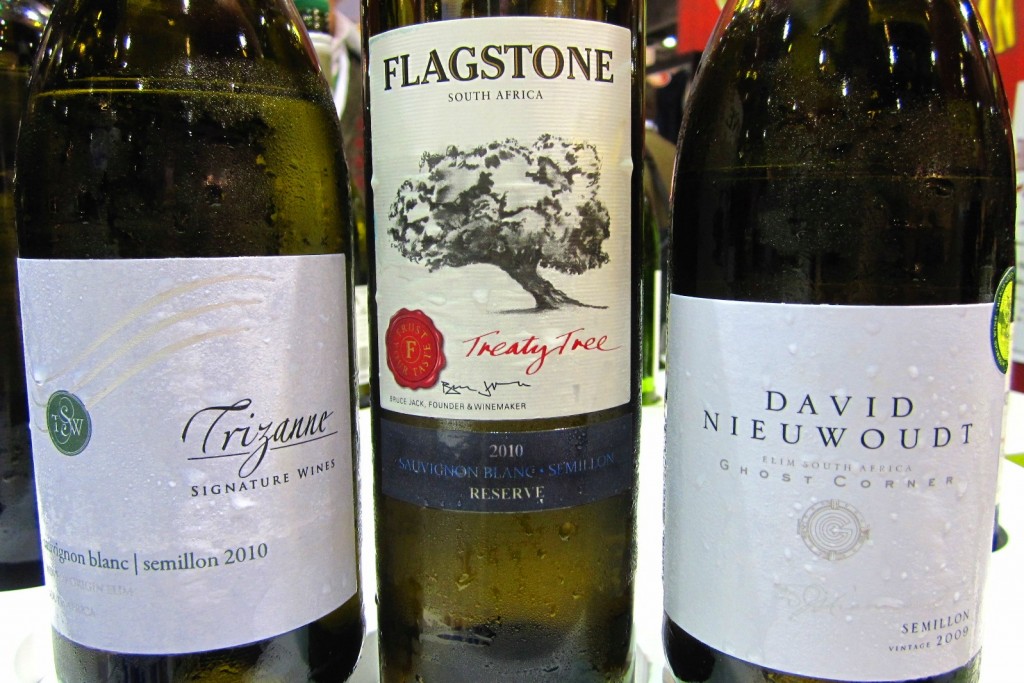 Typical Aromas of a Sémillon Based Wine:
Fruity: Apple, Pear, Lemon, Nectarine, Grapefruit, Melon, Fig, Date
Herbal/Spicy: Saffron, Vanilla, Dried Herb
Vegetal: Green Grass, Asparagus, Bell Pepper
Botrytis-affected Versions: Apricot, Dried Apricot, Quince, Peach, Honey, Pineapple, Vanilla, Butterscotch, Curry
Oaked Versions: Vanilla, Sweet Wood, Toast, Smoke, Oak, Coconut
Where The Best Sémillon is Grown:
- The Southwest of France, particularly Bordeaux, where it most likely has its native home. Sémillon is the most widely planted white grape in Bordeaux, particularly in Sauternes where it may claim up to 80% of the vineyard property. Of course, it shares the white Bordeaux blend with Sauvignon Blanc and sometimes a dash of Muscadelle, so it has remained somewhat out of the spotlight. But be sure…Sémillon rules the white Bordeaux world.
- Australia’s Hunter Valley, which has become Sémillon’s adopted home in much the same way that Malbec has taken to Mendoza. Hunter Valley is a leading producer of 100% varietal Sémillon.
- In other parts of Australia, Sémillon is used as a blending partner for Chardonnay as well as in Bordeaux-inspired Sémillon-Sauvignon Blends.
- The Côtes de Gascogne—an IGP/Vin de Pays area in the Armagnac region, is heavily planted to Sémillon.
- The Loire Valley has a smattering of Sémillon, as does Portugal, Israel, Argentina, Chile, California, Washington State, New Zealand, and South Africa.
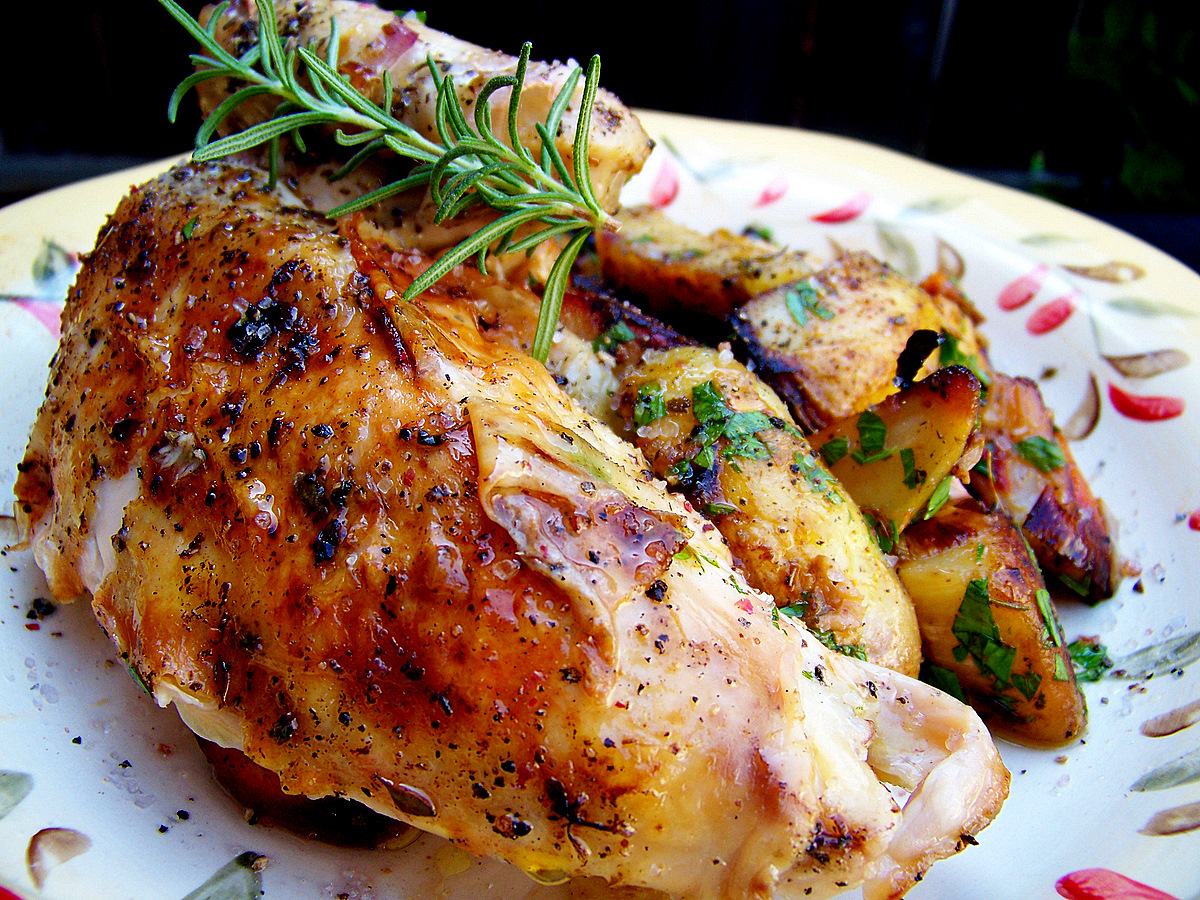 Food Affinities – Base Ingredients:
- Roast Chicken with Herbs!
- Seafood of all kinds…try Classic French Steamed Mussels
- Poultry, Duck, Veal, Pork…
Food Affinities – Bridge Ingredients:
- Corn, Pumpkin, Squash, Polenta
- Coconut, Apples, Pears, Pineapple
- Nutmeg, Saffron
- Hazelnuts, Cashews, Walnuts, Pecans
- Bacon, Mushrooms, Sweet Onions, Garlic
- Lemon and Grapefruit make excellent flavor bridges, but try not to overdo it on the acidity (remember, this is a low-acid wine)
- Tarragon, Basil, Thyme, Lemongrass, Basil, Rosemary, Fresh herbs of all kinds
- Butter, Brown Butter, Cream, Sour Cream, Olive Oil
If your Sémillon-based wine is more “Sauvignon” than “Sémillon” – check out the food pairing advice on the Cheat Sheet for Sauvignon Blanc.
If your Sémillon is botrytis-affected, it will go well with sweet dishes made with honey, cream, apricots, apples, and pears—in addition to pairing beautifully with savory dishes such as blue cheese and foie gras!
Note: When it comes to food pairings, by all means—drink what you like!
The Bubbly Professor is “Miss Jane” of Austin, Texas...missjane@prodigy.net
 The Bubbly Professor