Wine Grape Cheat Sheets: Zinfandel

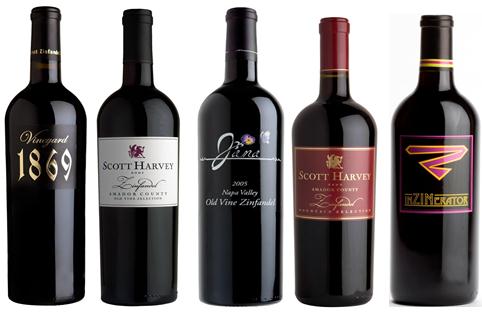
Zinfandel—The Soundbyte: Zinfandel used to be known as “California’s Mystery Grape,” as an old-timey legend says that Zinfandel vines of the vitis vinifera species were growing happily in California before European settlement of the New World.

This was fun to believe for a while, but today we know better. It is now known that Zinfandel traveled from Croatia to Vienna during the Habsburg Monarchy’s rule over Croatia, when some cuttings ended up in the Imperial Nursery in Vienna. From there, they were sent to a horticulturist in Long Island who sent some vines out to California. In California, Italian immigrants working the gold rush appreciated the grape’s sturdy, robust style and planted them with enthusiasm—only to abandon their vineyards when the gold rush fizzled out.  Those vineyards—and their (Zinfandel) mystery grapes—were rediscovered years later when California experienced a new wave of post-Prohibition winemakers. Quite a story, right?

DNA fingerprinting has revealed that today’s Zinfandel is identical (or near identical) to a grape known as Tribidrag or Crljenak Kaštelanski and native to the Dalmatian Coast of Croatia. Zinfandel is also either identical to—or very closely related to—a grape known as Primitivo, as grown in Puglia in Southern Italy.

Wherever it came from and whatever you call it, Zinfandel has proved itself as a hardworking, heat-seeking, robust grape.
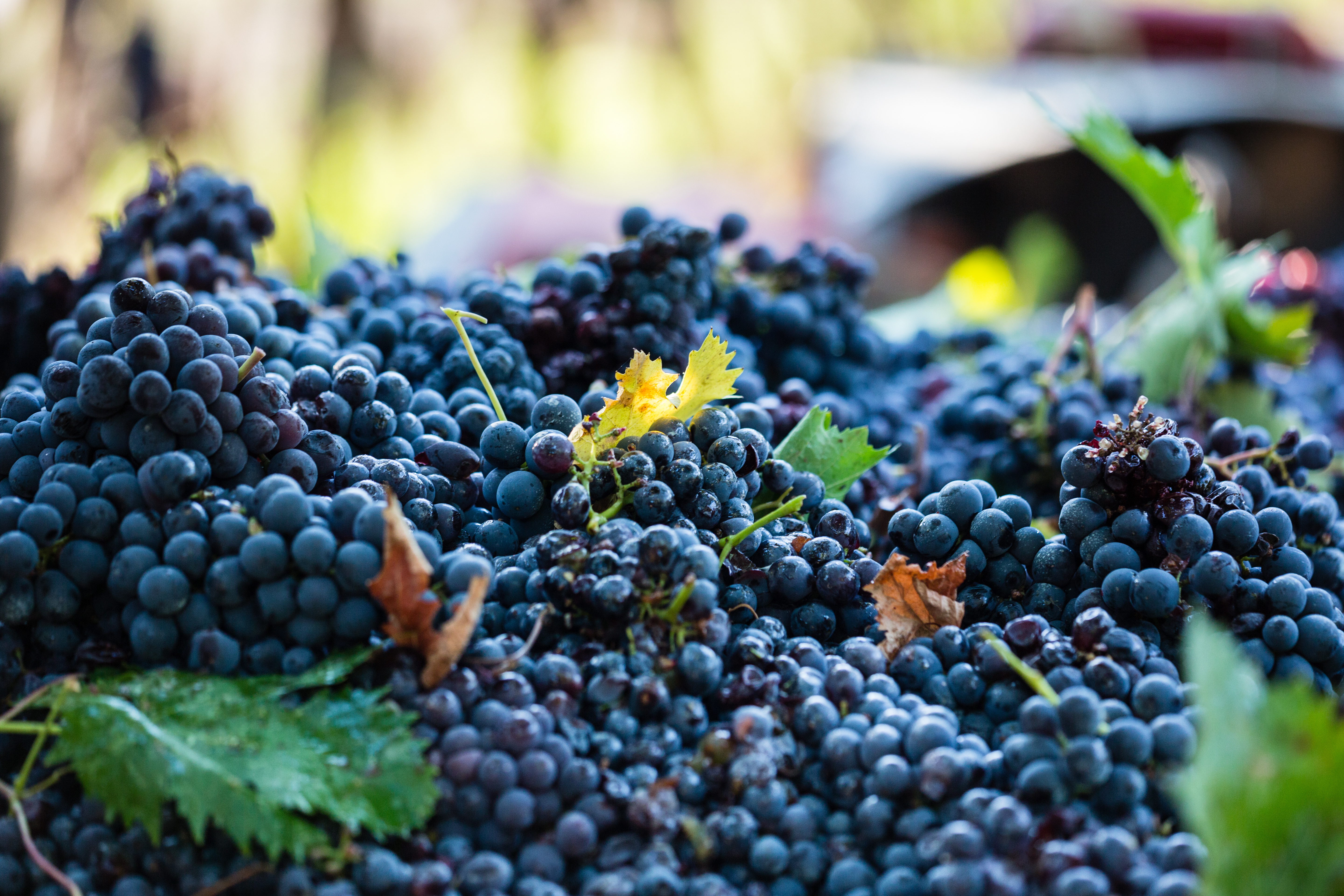
Typical Attributes of a Zinfandel-based Wine:

    • Fruit-forward and often intensely fruity…the aromas and flavors of blackberry, cherry and plum are quite recognizable.
    • In my wine tastings I generally introduce Zin as having aromas of blackberry, black pepper, and black licorice.  It’s a pretty good Zin cliché.
    • Medium to high alcohol…sometimes 15% or more
    • Medium to full body; more likely towards the fuller side
    • Medium to high tannin combined with refreshing acidity.  Zinfandel grown in warm climates/warm vintages can show velvety (rather than grippy) tannins, but the medium to high tannin levels abide.
    • Yes…. the Zinfandel grape can be made into White Zinfandel (rosé).  This style of wine is produced by allowing the juice to ferment in contact with the intensely colored red grape skins for a day or two—just until the juice turns a light pink color.  At this point, the juice is pressed off the grape skins and fermentation is allowed to complete using just the (now pink-hued) juice. While it is true that your Mama’s White Zinfandel most likely had a touch of residual sugar and this style remains popular today, Zinfandel is also made into crisp, dry, serious rosé.
    • Late harvest Zinfandel is often made into a luscious, complex dessert wine. (which makes a great pairing for chocolate).

Typical Aromas of a Zinfandel-based Wine:

  • Black Fruit:
    • Blackberry (Blackberry Jam), Boysenberry, Plum, Raisin, Prune
  • Red Fruit:
    • Raspberry, Ripe Cherry, Pomegranate
  • Savory Spice:
    • Black Pepper, White Pepper
  • Baking Spice:
    • Cinnamon, Clove, Nutmeg, Allspice, Anise (Black Licorice)
  • Cocoa/Chocolate
  • Wood-derived:
    • Oak, Vanilla
  • Sometimes:
    • Maple, Mushroom, Mint, Mineral

Where the Best Zinfandel is Grown:

  • California—it grows all over the state; good choices include Sonoma County, Amador County/the Sierra Foothills, Paso Robles, Napa County, and Lodi
  • The south of Italy—where it is known as Primitivo
  • Croatia—the native home, where it is sometimes called Tribidrag or Crljenak Kaštelanski
  • In smaller amounts—South Africa, South America, and Australia

Food Affinities – Base Ingredients:

  • Beef, Lamb, Venison, Pork, Chicken, Turkey, Duck, Sausage

Food Affinities – Bridge Ingredients:

  • Any type of burgers (even turkey burgers)
    • Blue Cheese Bacon Cheeseburgers
    • Burgers with Caramelized Onions
  • Sausage and Peppers
  • Eggplant, Mushrooms, Black Beans
  • Tomatoes, Sun-dried Tomatoes
  • Mint, Rosemary, Oregano
  • Grilled Flavors, Smoky Flavors
  • Onions, Shallots
  • Walnuts, Pecans, Hazelnuts
  • Chocolate—which many people love, but most folks will recommend that you stick to the sweet versions of Zin for dessert.

Note: When it comes to food pairings, by all means—drink what you like!

Week One, Day One: The Introduction to Wine Class

Next week starts a brand new semester and among the classes I’ll be teaching this block is my sentimental favorite – The Introduction to Wine Class.  I offer Professional Wine Studies, Wines and the Culinary Arts, and Wine and Food Pairing as well as semester-long looks at both Old World Wines and New World Wines, but the introductory class remains my favorite.

It’s great to see wine newbies go from “What is Wine” to “The Legend of Sassicaia” in just over 12 weeks.  I always like to start Week One/Day One simply enough with “Wine, Defined.”  I am sure that every wine educator out there has their preferred version of the answer to the question, “what is wine”?   My is quite simply, “Wine is a beverage produced by the fermentation of fruit, mainly grapes”.  Of course this answer leads to many questions and further disucssions…what is fermentation, why grapes, and “can you make wine from Welch’s Grape Juice”?  Of course, the answer is yes…it just won’t taste very good!

And it never fails, within the first ten minutes of class someone will mention the following subjects:  Boone’s Farm, Four Loko, Sangria, Hellow Kitty Wines, Prison Wine, Mad Dog 20/20, Saké, Arbor Mist Blackberry Merlot, Thunderbird, Mimosas, Cristal, and Ace of Spades.  Fellow wine educators, I bet you have your own list, I would love to hear about what your students ask on day one!

And somehow, we get through it all.  I like to have a basic “learn how to taste” session on Week One/Day One as well, both to get the class off to an engaging start and also to lay the ground work for the more detailed, directed tastings we will have as the class progresses.

My introduction to sensory evaluation class is admittedly quite technical.  I tell the students what the wines are, but I ask them not to focus on that one particular wine but rather to use the wine at hand to learn about the sensory evaluation of  “every wine or any wine.” 

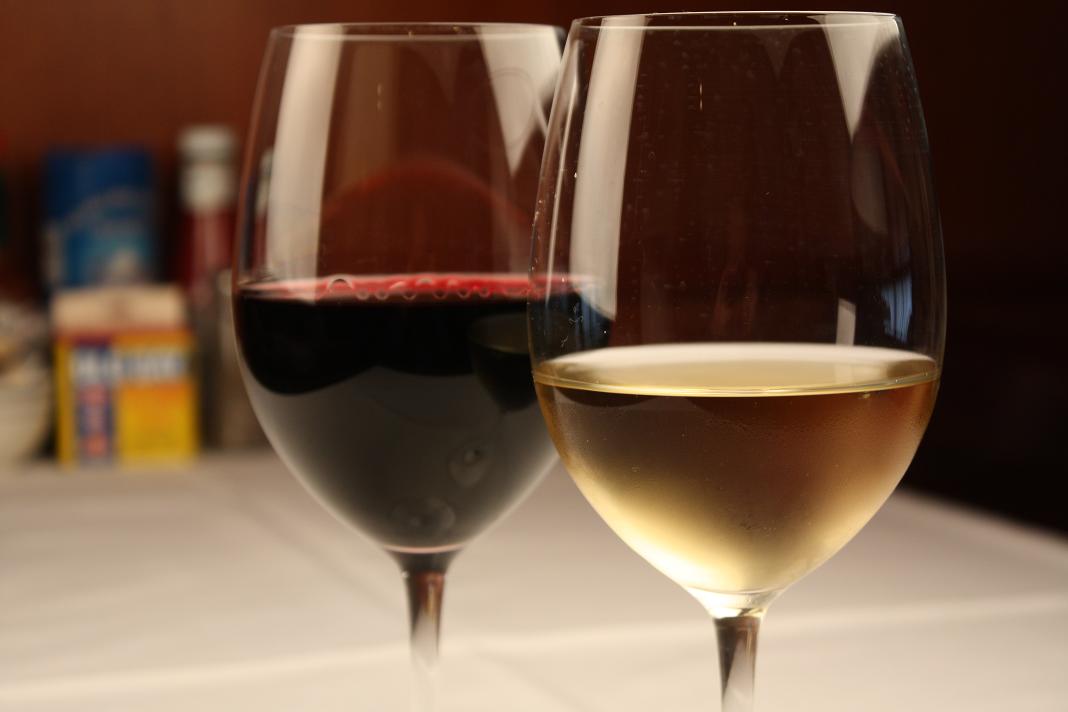
I use just three wines; an unoaked, crisp Chardonnay (A Macon-Villages is ideal), followed by a simple yet sweet white wine (I’ve been using Flat Creek Estate Muscato D’Arancia), and finish with Sterling Vineyards Napa Valley Cabernet Sauvignon. 

The basics of sensory evaluation class that I teach on Week One/Day One does not follow the basic steps of wine tasting.  We will get to all the expected steps (sight, swirl, sniff, snort, whatever…) in the course of the session, but not exactly in that order.  I tell the students that we are going to do approach the wines in the proper order (dry before sweet, white before red, light before heavy) and that we will let each wine “reveal” its secrets to us – in other words, each wine has something special to teach us. I choose my flight of three to include a wine that perfectly shows acidity, one that has sweetness, one with bitterness and tannin, and make sure that within the set of three, each of the major aroma families is there in an easy-to-recognize manner.  I want the class to be chock-full of “a-ha moments.”

Then I launch right in, teaching what I call “The Nine Elements of Wine Flavor.”  The nine elements are: Acidity, Sweetness, Bitterness, Tannin, Umami, Aroma, Body, Balance, and Alcohol.  I told you it was technical!  It does start off quite scientific, with discussions of pH, IBU’s, R.S. and ABV, but by the time we add aroma to the mix I make sure the step off the path of “paralysis by analysis” and let the students just relax and enjoy the flavor of the wine.  And somehow, it all comes together in the end.

If you’d like a copy of my handout about “The Nine Elements of Wine Flavor” just send me an email request to”  missjane@prodigy.net .

The Bubbly Professor is “Miss Jane” of Austin, Texas.

Mad Libs for Wine!

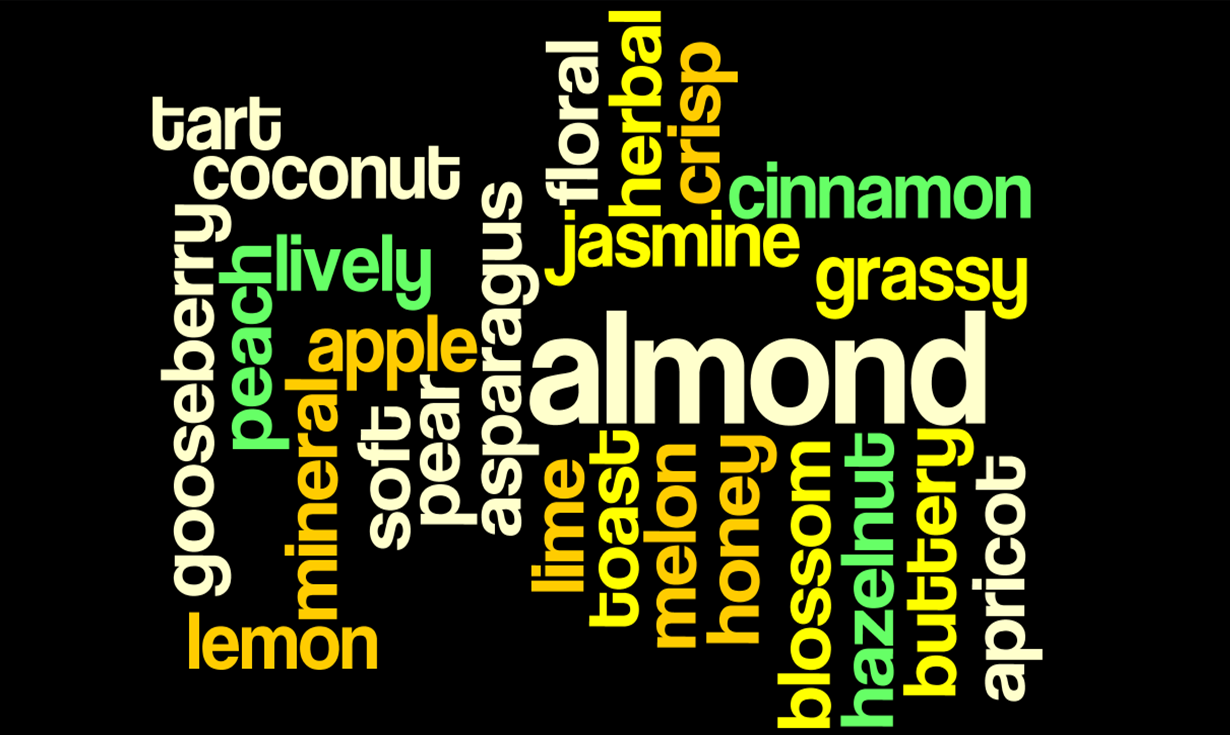
It never fails…the first time I stand in front of a new wine class and describe a white wine as having aromas of “lemon, lime, green apple, and apricot” I get either a sea of blank stares or an uncomfortable laugh track.  A few weeks into the class, however, my students are begging me to teach them how to “impress their friends and annoy their enemies” by crafting an impressive sounding wine description.

My response:  “You mean one like this?”

“Craggy Range Sauvignon Blanc 2010 is a dry, medium-bodied white wine.  The nose reveals the fruity, floral, and  mineral aromas of lemon, lime, green apple, gooseberry, orange blossom and wet stones.  This wine is herbal and fruity on the palate, with lively acidity; followed by a refreshing, slightly bitter lemon-peel finish.”

And then, in the course of an hour, I teach them to use “Mad Libs for Wine” – in other words, a fill-in-the blank template (based on my book “WineSpeak 101”) that allows even beginners to create an accurate (and yes, impressive sounding, if you’re into that) description of any wine.  We just take ten simple facts about the wine and string them together into a few sentences.

Try it for yourself!

The WineSpeak 101 Description Template:

To write your own wine description, use the WineSpeak 101 descriptor crib to fill in the blanks on this template.  Your completed description will characterize the wine using the following basic facts:

  • Name of the Wine 
  • Level of Sweetness
  • Mouthfeel – aka “Body”
  • Type of wine (the easiest, but your customer needs to know!)
  • Aroma   Categories
  • Specific  Aromas
  • Flavor  
  • Acidity for white wines, tannin level for reds 
  • Finish  – length 
  • Finish  – description 

 ___________________________________ (Name of the wine) is a _______________ (Sweetness),

 __________________________________ (Mouthfeel) ,   _______________________ (Type of) wine. 

 The Nose reveals the ____________________________________________ (Aroma Categories) aromas 

 of ____________________________________________________________ (Specific Aromas) .

This wine is ___________________________________________________________ (Flavors) and 

____________________________________________ (Acidity or Tannin, or both) on the palate, followed by a  

_____________________ (Finish – Length) , __________________________ (Finish – Description)  finish.

As you can see, it’s not exactly a party trick, but if you know your way around the typical wine vocabulary, it’s easy to put together a meaningful wine description.  My students are amazed at how well they can discuss their impressions of a wine after just a few practice sessions.  This technique works so well that I wrote an entire textbook on “WineSpeak 101” a few years ago, and still use it today in my teaching.

Please…try it for yourself and enjoy your studies!

The Bubbly Professor is “Miss Jane” Nickles of Austin, Texas…missjane@prodigy.net

Escoffier, Ikeda, Umami…


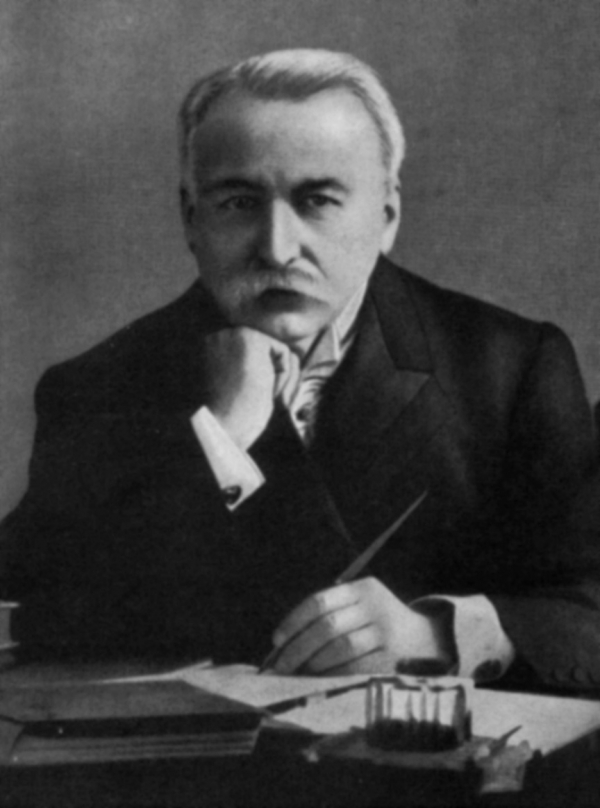
Dr. Kikunae Ikeda, who is credited (and rightfully so) with the “discovery” of Umami.
Escoffier, Ikeda, Umami…

If you are one of my students (or an avid reader of this blog), you know that I think it is very important to differentiate between “taste” and “flavor” when discussing wine (or food, for that matter).   One of the reasons for this is that I teach future chefs and sommeliers, and as future professionals I think it is important that my students use the correct terminology.  Another reason is that “taste” and “flavor” are two totally different factors in the discussion of food and wine pairing.

So, one of the first questions I address in my Professional Wine Studies class is “What is a taste, and what is a flavor”?  It sometimes takes several weeks for my students to use the two terms in the proper context, so I begin with the simple fact that flavor is a combination of taste, aroma, and texture, and there are (depending on who you ask) five or six generally accepted “tastes”. 

A “taste” is defined as “a sensation that can be perceived using only the human tongue, or the taste buds”. Just a few years ago it was generally accepted that there were four basic tastes, each able to be sensed in all areas of the tongue but for many people perceived most dramatically in a particular region of the palate.  The first taste to be detected, and the one most universally enjoyed is sweetness.  The taste of sweetness evolved as a survival mechanism to point the way to energy-yielding carbohydrate.  The second taste to be perceived is generally acidity, which is sensed by most people most readily on the sides of the tongue.  Salt, generally senses in the middle of the tongue and bitterness, easily detected at the back of the tongue are the next two.

The sensation we now call the “fifth taste” is Umami.  Umami was first described in the early 1900’s by Dr. Kikunae Ikeda of Tokyo Imperial University.  Dr. Ikeda was determined to find the source of what the Japanese had long called the “deliciousness” or “savoriness” of food cooked in dashi, which is a sort of stock made from kombu (kelp).  Dr. Ikeda managed to discover the true nature of this flavor enhancer when he succeeded in extracting an amino acid, glutamate, from kombu.  Umami was referred to as “deliciousness, savoriness, or meatiness” until 2000, when a taste receptor for glutamate was discovered and  identified as an umami receptor by researchers at the University of Miami (Florida, United States) School of Medicine, confirming it as the official “fifth taste”. 

Auguste Escoffier…he may have never used the word, but he was nonetheless a great proponent of Umami.

Interestingly enough, culinary historians now argue that Auguste Escoffier, the great French Chef of the early 1900’s, is also one of the “discoverers” of umami, despite the fact that he did not know or use the word.  It seems that Escoffier was one of the first chefs to utilize reduced veal stock on a wide scale in professional kitchens.  Escoffier based many of his recipes, particularly his sauces, on reduced veal stock.  It was easily recognized that dishes cooked with veal stock were “delicious”! While Escoffier most likely did not realize it, this veal stock reduction created a liquid rich in the amino acid glutamate, which lent that “deliciousness”, in the form that we now recognize as umami, to many of his preparations – to the delight of his customers; and to the amazement of modern sensory science.

To make matters even more interesting, scientists have identified a substance named “kokumi” that is being touted as the “sixth taste”. Kokumi has been identified as a unique taste, complete with an identified sensory receptor in the taste buds, and is thought to be the taste component of the nutrient calcium.  The discovery of kokumi has opened up the possibility that there may be many more tastes identifiable by the human tongue; perhaps each nutrient has its own unique taste component.  If this is indeed the case, my “Basics of Sensory Evaluation” class just got a lot more interesting!