Wine Grape Cheat Sheets: Zinfandel
August 29, 2022 2 Comments
Z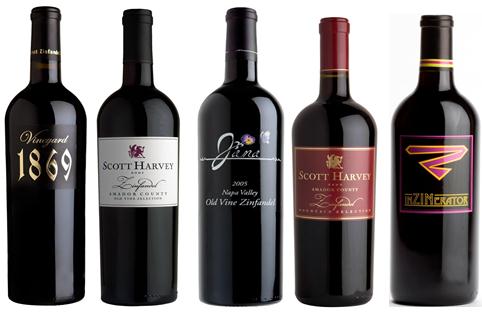 infandel—The Soundbyte: Zinfandel used to be known as “California’s Mystery Grape,” as an old-timey legend says that Zinfandel vines of the vitis vinifera species were growing happily in California before European settlement of the New World.
This was fun to believe for a while, but today we know better. It is now known that Zinfandel traveled from Croatia to Vienna during the Habsburg Monarchy’s rule over Croatia, when some cuttings ended up in the Imperial Nursery in Vienna. From there, they were sent to a horticulturist in Long Island who sent some vines out to California. In California, Italian immigrants working the gold rush appreciated the grape’s sturdy, robust style and planted them with enthusiasm—only to abandon their vineyards when the gold rush fizzled out. Those vineyards—and their (Zinfandel) mystery grapes—were rediscovered years later when California experienced a new wave of post-Prohibition winemakers. Quite a story, right?
DNA fingerprinting has revealed that today’s Zinfandel is identical (or near identical) to a grape known as Tribidrag or Crljenak Kaštelanski and native to the Dalmatian Coast of Croatia. Zinfandel is also either identical to—or very closely related to—a grape known as Primitivo, as grown in Puglia in Southern Italy.
Wherever it came from and whatever you call it, Zinfandel has proved itself as a hardworking, heat-seeking, robust grape.
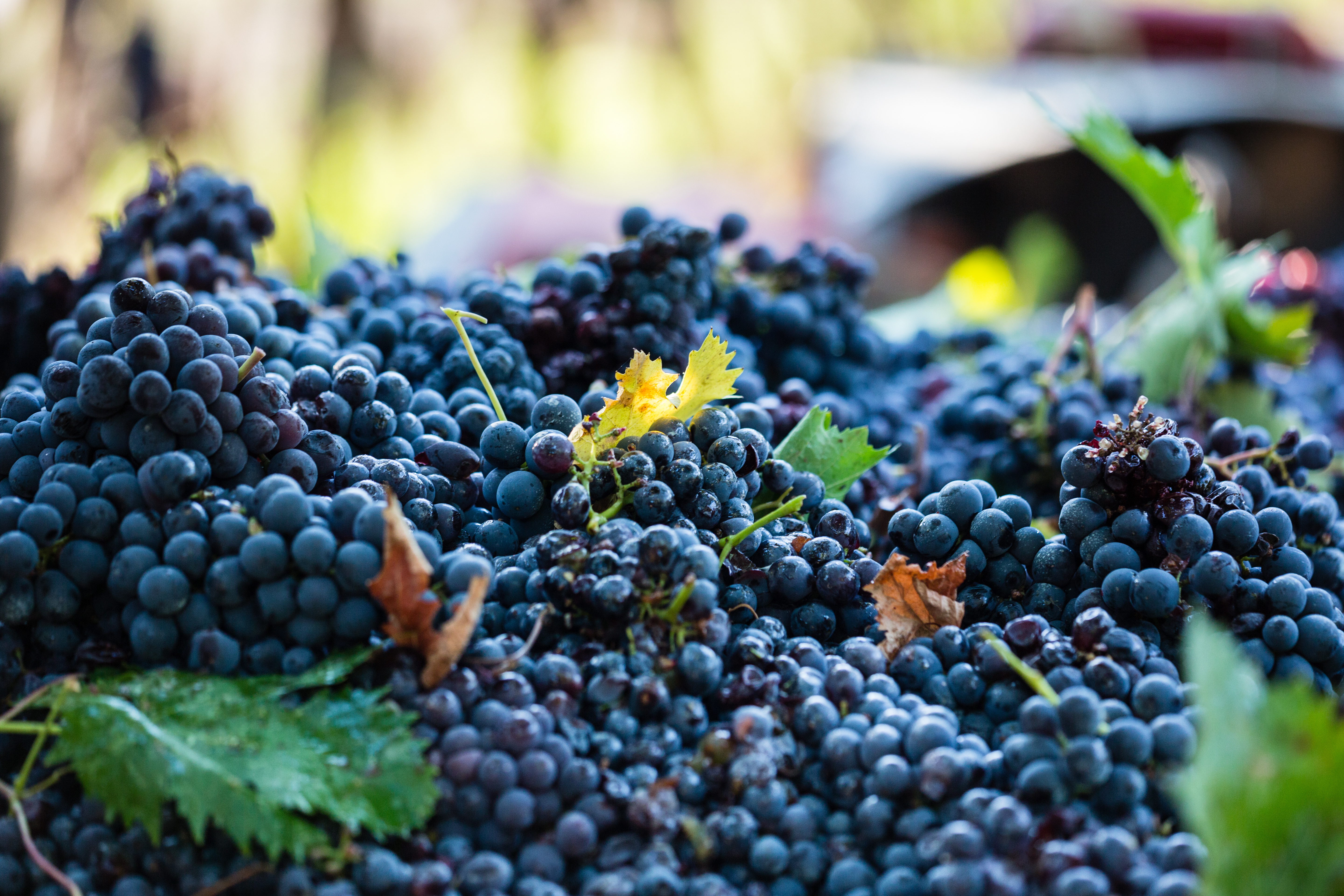 Typical Attributes of a Zinfandel-based Wine:
-
- Fruit-forward and often intensely fruity…the aromas and flavors of blackberry, cherry and plum are quite recognizable.
- In my wine tastings I generally introduce Zin as having aromas of blackberry, black pepper, and black licorice. It’s a pretty good Zin cliché.
- Medium to high alcohol…sometimes 15% or more
- Medium to full body; more likely towards the fuller side
- Medium to high tannin combined with refreshing acidity. Zinfandel grown in warm climates/warm vintages can show velvety (rather than grippy) tannins, but the medium to high tannin levels abide.
- Yes…. the Zinfandel grape can be made into White Zinfandel (rosé). This style of wine is produced by allowing the juice to ferment in contact with the intensely colored red grape skins for a day or two—just until the juice turns a light pink color. At this point, the juice is pressed off the grape skins and fermentation is allowed to complete using just the (now pink-hued) juice. While it is true that your Mama’s White Zinfandel most likely had a touch of residual sugar and this style remains popular today, Zinfandel is also made into crisp, dry, serious rosé.
- Late harvest Zinfandel is often made into a luscious, complex dessert wine. (which makes a great pairing for chocolate).
 Typical Aromas of a Zinfandel-based Wine:
- Black Fruit:
- Blackberry (Blackberry Jam), Boysenberry, Plum, Raisin, Prune
- Red Fruit:
- Raspberry, Ripe Cherry, Pomegranate
- Savory Spice:
- Black Pepper, White Pepper
- Baking Spice:
- Cinnamon, Clove, Nutmeg, Allspice, Anise (Black Licorice)
- Cocoa/Chocolate
- Wood-derived:
- Oak, Vanilla
- Sometimes:
- Maple, Mushroom, Mint, Mineral
 Where the Best Zinfandel is Grown:
- California—it grows all over the state; good choices include Sonoma County, Amador County/the Sierra Foothills, Paso Robles, Napa County, and Lodi
- The south of Italy—where it is known as Primitivo
- Croatia—the native home, where it is sometimes called Tribidrag or Crljenak Kaštelanski
- In smaller amounts—South Africa, South America, and Australia
Food Affinities – Base Ingredients:
- Beef, Lamb, Venison, Pork, Chicken, Turkey, Duck, Sausage
 Food Affinities – Bridge Ingredients:
- Any type of burgers (even turkey burgers)
- Blue Cheese Bacon Cheeseburgers
- Burgers with Caramelized Onions
- Sausage and Peppers
- Eggplant, Mushrooms, Black Beans
- Tomatoes, Sun-dried Tomatoes
- Mint, Rosemary, Oregano
- Grilled Flavors, Smoky Flavors
- Onions, Shallots
- Walnuts, Pecans, Hazelnuts
- Chocolate—which many people love, but most folks will recommend that you stick to the sweet versions of Zin for dessert.
Note: When it comes to food pairings, by all means—drink what you like!


 The Bubbly Professor