Wine Grape Cheat Sheets: Cabernet Sauvignon

Cabernet Sauvignon—the Soundbyte: Cabernet Sauvignon is indisputably the world’s most popular and well-known red grape variety.  Wine lovers in-the-know love to discuss the fascinating fact that Cabernet Sauvignon is the result of a natural cross between Sauvignon Blanc and Cabernet Franc. Just ask one!

Cabernet Sauvignon is one of the main grapes in the world-famous Bordeaux blend and THE wine that made the Napa Valley famous.  The beauty of Cabernet is its thick skin, both literally and figuratively.  Literally, the grape’s thick skin and small berries give a wine deep color, complex flavors, and hearty tannins.  Figuratively, Cabernet Sauvignon shows it thick skin by being resilient and able to thrive in the vineyard under many circumstances (in terms of climate, soil, and other aspects of terroir).

In short, just about every country that has a climate warm enough to consistently ripen red grapes successfully grows Cabernet Sauvignon.

Typical Attributes of a Cabernet Sauvignon-based Wine:

  • Dark ruby red to purple; opaque and almost inky in appearance
  • Young Cabernet Sauvignon is ripe, powerful, and concentrated.
  • Highly tannic and, because of this, Cabernet Sauvignon is capable of producing age-worthy wine.
  • Complex with ever-evolving layers of interesting flavors and textures
  • When handled correctly, aged Cabernet can take on grace, finesse, and an earthy, complex bottle bouquet.

Typical Aromas of a Cabernet Sauvignon-based Wine:

  • Fruity
    • Blackberry, Blueberry, Ripe Cherry, Black Currant, Cassis, Plum, Prune, Raisin
  • Herbal/Vegetative
    • Vanilla, Mint, Eucalyptus, Bay Leaf, Green Bell Pepper, Green Olive, Rosemary, Dried Herb
  • Earthy
    • Cedar, Cigar Box, Cigar Smoke, Pencil Lead, Graphite, Tobacco, Wet Dog
  • Oak-Derived
    • Oak, Fresh Lumber, Cedar, Chocolate, Cocoa, Smoke

 Where The Best Cabernet Sauvignon is Grown:

  • The Bordeaux Region of France
  • California, Washington State, and parts of Southern and inland Oregon
  • Chile and Argentina
  • Australia
  • Italy—where it stars in some Super Tuscans and is used in small amounts in several wines (such as Carmignano DOCG)
  • Cabernet grows successfully in many regions throughout the wine making world…it adapts well to a variety of conditions.
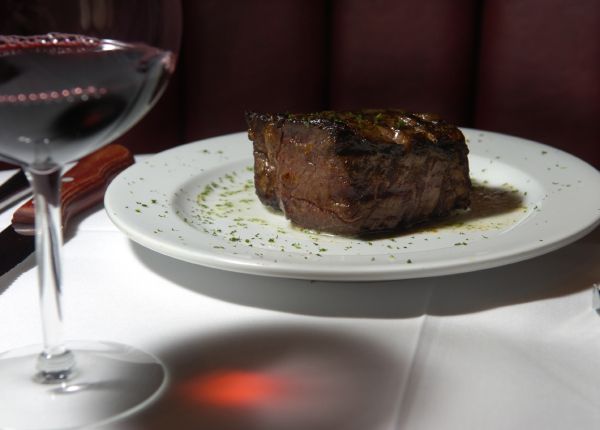
Food Affinities – Base Ingredients:

  • Beef—prime rib, grilled steaks…it’s all good!
  • Lamb—Bubbly Prof prefers Merlot here, but Cab works!
  • Veal
  • Venison
  • Pork

Food Affinities – Bridge Ingredients/Flavor Bridges:

  • Walnuts, pecans, pistachios…roast them up and bring on the salt!
  • Mushrooms, eggplant, tomatoes—especially if you roast those veggies and give them some rich flavors
  • Caramelized onions, roasted garlic
  • Mint, rosemary, thyme, oregano, basil, black pepper
  • Blue Cheese – but be careful with the bitterness! Try a mild blue cheese such as Gorgonzola melted over a filet.
  • Hard, aged cheeses such as aged Cheddar, Gouda, Comté, Gruyère, or Swiss
  • Currants, dates, prunes, raisins (go easy on the sweetness)

The Bubbly Professor is “Miss Jane” Nickles of Austin, Texas…


Wine Grape Cheat Sheets: Sauvignon Blanc

Sauvignon Blanc—the Soundbyte: Sauvignon Blanc is one of the world’s major white wine grape varieties, celebrated for its distinctive aromas and bracing acidity.  Its crisp acidic backbone makes it one of the most food-friendly of all table wines.  Sauvignon Blanc is a highly aromatic white wine, and its distinctive aromas can vary greatly depending on terroir and winemaking.  While generally thought of as a single-varietal or blended dry white wine, Sauvignon Blanc is also used to craft luscious dessert wines.

Typical Attributes of a Sauvignon Blanc-Based Wine:

  • Sauvignon Blanc can be made in a variety of styles, based primarily on fermentation techniques and whether or not the wine is blended or oak aged.
  • Botrytis-affected and late harvest Sauvignon Blanc can be used to produce very sweet, complex dessert wines.
  • Lighter style, dry Sauvignon Blancs are generally stainless steel fermented and aged only briefly (if at all) in stainless steel.
    • The typical attributes of this lighter style wine are: light-to-medium bodied, crisp (quite acidic), delicate, steely, precise, and fruity.
  • The richer style, sometimes called Fumé Blanc in the New World, is often oak-fermented, sur lie aged, and sometimes oak barrel aged.
    • The attributes of this richer style include: medium bodied, rich, complex, smoother, and sometimes showing oak-derived complexity.
  • Sauvignon Blanc is often blended with Sémillon in order to add complexity and tone down its usual razor-sharp acidity.  This style was pioneered in the white wines of Bordeaux.

Typical Aromas of a Sauvignon Blanc-Based Wine:

Fruity:  Green Apple, Apricot, Lime, Lemon, Green Plum, Melon, Pear, Grapefruit, Pineapple, Gooseberry, Kiwi, Papaya

Herbal/Vegetative: Cut Green Grass, Green Bell Pepper, Asparagus, Fennel, Herbs, Lemon Grass, Hay, Straw, Wildflowers

Mineral:  Wet Sand, Wet Stone, Riverbank, Ozone, Fresh Rain (Petrichor)

Chemical:  Ammonia, sometimes referred to as “pipi du chat”

Dessert Wine Styles of Sauvignon Blanc can display aromas of honey, dried apricot, peaches, nutmeg and even curry…botrytis-affected wines will have that inimitable “earthy edge”!

Where The Best Sauvignon Blanc is Grown:

  • The Bordeaux Region of France, notably Graves and Entre-deux-Mers
  • The Loire Valley Region of France, notably Pouilly-Fumé and Sancerre
  • California’s Napa and Sonoma Regions
  • New Zealand, notably the Marlborough Region
  • South Africa, particularly Stellenbosch
  • The cooler regions of Chile and Argentina
  • Australia, notably The Adelaide Hills Region

Food Affinities – Base Ingredients:

  • Raw Shellfish
  • Seafood of all kinds
  • Chicken
  • Acidic Sauces
  • Tomatoes
  • Salads, Vinaigrettes
  • Vegetarian Dishes
  • Avocado
  • Asparagus

Food Affinities – Bridge Ingredients/Flavor Bridges:

  • Citrus
  • Fennel, Bell Pepper, Eggplant, Zucchini
  • Herbs, Mushrooms, Garlic
  • Dijon Mustard
  • Capers, Green Olives
  • Prosciutto
  • Feta Cheese, Goat Cheese

Note: When it comes to food pairings, by all means—drink what you like!

The Bubbly Professor is “Miss Jane” Nickles of Austin, Texas…


Wine Reviews: Kanu Vineyards Chenin Blanc 2009

My favorite Chenin Blanc for the last 5 years…


Kanu Vineyards Chenin Blanc 2009 – Wine of Origin Stellenbosch

Looking like pale yellow sunlight-in-a-glass, Kanu Vineyards Chenin Blanc 2009 reveals lifted aromas of lime, peach, apricot, and mineral met in mid-air by the pure, precise scent of lemon peel and sweet almond.  On the palate, a thunderstorm of lime precedes a fast grip of minerality and a drive-by shot of almond, followed by a soothing balm of peach and apricot.  Walking a fine, perfectly balanced line between fruitiness and acidity, this wine is as fresh and edgy as a blind date with your best friend’s ex.

Food Pairing Suggestions for Kanu Vineyards Chenin Blanc 2009 :

This crisp white wine, while is has suggestions of a plump full-bodiedness in the texture, shows delicacy of flavor and is taking a lingering walk on the lighter side of life…so I would suggest sticking to lighter foods as base ingredients – fish, shellfish, chicken, cream-based pastas, vegetarian dishes and cheeses. 

I would love to pair this wine with Pecan-Crusted Chicken glazed with Dijon Mustard-Cream Sauce and Gruyere Cheese.  This chicken and wine are a good fit on texture, the pecans will add a bridge flavor to the subtle nuttiness in the wine, and the crisp lemon-like acidity in the wine will cut through the richness of the creamy sauce and the cheese. 

I would also relish this wine served alongside Grilled Salmon with Jalapeno-Mango Mojo.  Once again, we have a texture match, but the flavors in this meet-up do a different kind of dance. The subtle sweetness in the wine would cool the zing of jalapeno heat in a hurry, and the sweet mango mojo will be matched by sweet fruit in the wine, bringing forward the fruit flavors of the wine while relaxing its sweetness.  

As a tip of the hat to the legendary cuisine of South Africa, I would match this wine with Grilled Shrimp with Chakalaka, a spicy, slow-cooked blend of tomatoes, chilies, onion, and garlic.  This wine has the fruit, the acidity, and the crisp, fresh coolness to cut through the heat of the chakalaka and the let sweet, savory saltiness of the shrimp shine through. 

On a different note, if today brings on a balmy afternoon, I might just sip this wine by itself; with my toes in the pool, a close eye on the kids, an even closer eye on my anh (adorable new husband)…that’s always a perfect match!

If you would like more information on Chenin Blanc, click here for my Chenin Blanc Cheat Sheet!