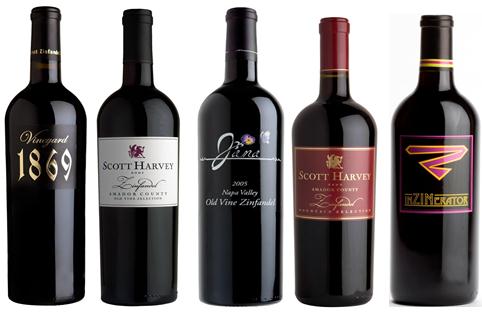
Wine Grape Cheat Sheets: Zinfandel

Zinfandel—The Soundbyte: Zinfandel used to be known as “California’s Mystery Grape,” as an old-timey legend says that Zinfandel vines of the vitis vinifera species were growing happily in California before European settlement of the New World.

This was fun to believe for a while, but today we know better. It is now known that Zinfandel traveled from Croatia to Vienna during the Habsburg Monarchy’s rule over Croatia, when some cuttings ended up in the Imperial Nursery in Vienna. From there, they were sent to a horticulturist in Long Island who sent some vines out to California. In California, Italian immigrants working the gold rush appreciated the grape’s sturdy, robust style and planted them with enthusiasm—only to abandon their vineyards when the gold rush fizzled out.  Those vineyards—and their (Zinfandel) mystery grapes—were rediscovered years later when California experienced a new wave of post-Prohibition winemakers. Quite a story, right?

DNA fingerprinting has revealed that today’s Zinfandel is identical (or near identical) to a grape known as Tribidrag or Crljenak Kaštelanski and native to the Dalmatian Coast of Croatia. Zinfandel is also either identical to—or very closely related to—a grape known as Primitivo, as grown in Puglia in Southern Italy.

Wherever it came from and whatever you call it, Zinfandel has proved itself as a hardworking, heat-seeking, robust grape.
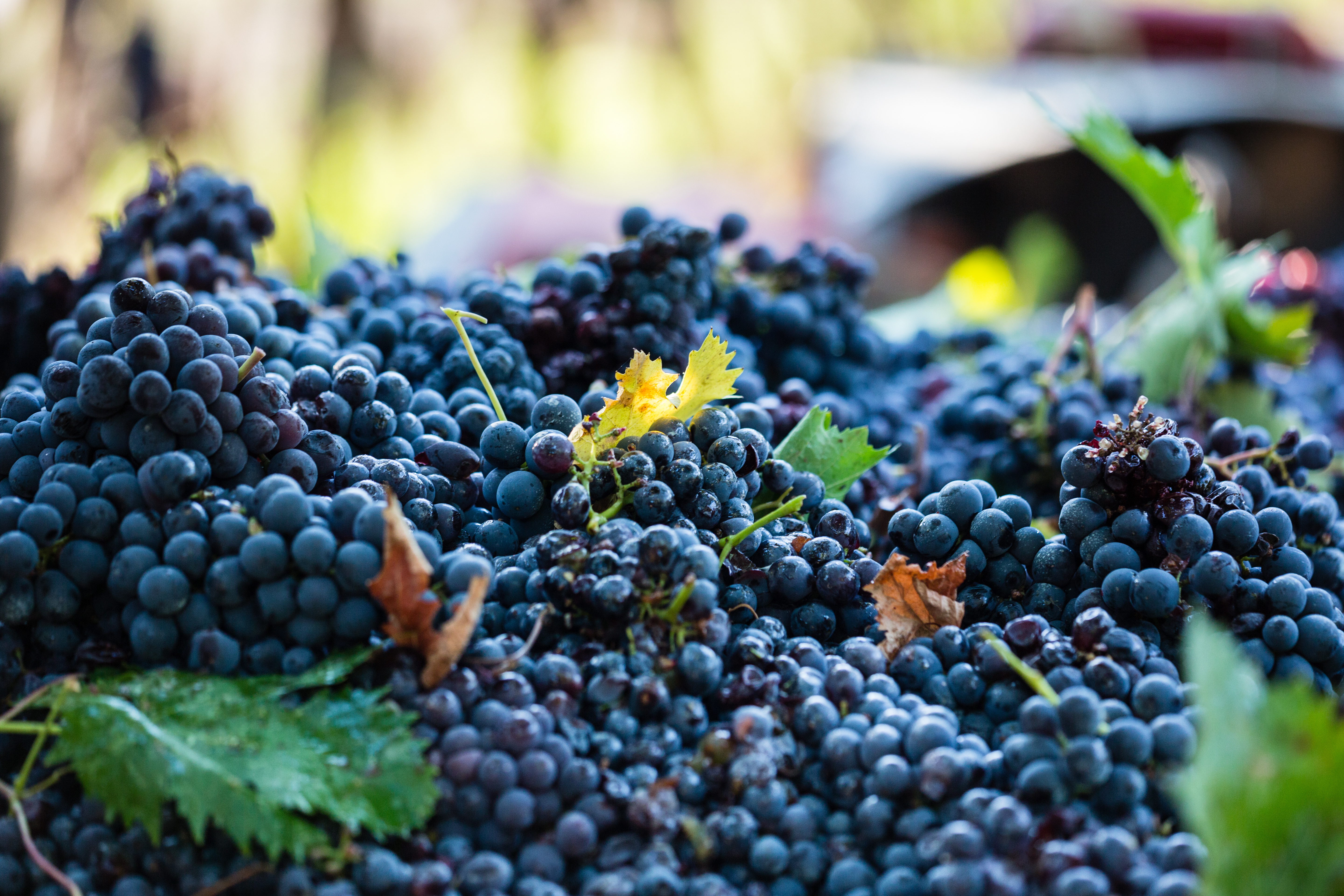
Typical Attributes of a Zinfandel-based Wine:

    • Fruit-forward and often intensely fruity…the aromas and flavors of blackberry, cherry and plum are quite recognizable.
    • In my wine tastings I generally introduce Zin as having aromas of blackberry, black pepper, and black licorice.  It’s a pretty good Zin cliché.
    • Medium to high alcohol…sometimes 15% or more
    • Medium to full body; more likely towards the fuller side
    • Medium to high tannin combined with refreshing acidity.  Zinfandel grown in warm climates/warm vintages can show velvety (rather than grippy) tannins, but the medium to high tannin levels abide.
    • Yes…. the Zinfandel grape can be made into White Zinfandel (rosé).  This style of wine is produced by allowing the juice to ferment in contact with the intensely colored red grape skins for a day or two—just until the juice turns a light pink color.  At this point, the juice is pressed off the grape skins and fermentation is allowed to complete using just the (now pink-hued) juice. While it is true that your Mama’s White Zinfandel most likely had a touch of residual sugar and this style remains popular today, Zinfandel is also made into crisp, dry, serious rosé.
    • Late harvest Zinfandel is often made into a luscious, complex dessert wine. (which makes a great pairing for chocolate).

Typical Aromas of a Zinfandel-based Wine:

  • Black Fruit:
    • Blackberry (Blackberry Jam), Boysenberry, Plum, Raisin, Prune
  • Red Fruit:
    • Raspberry, Ripe Cherry, Pomegranate
  • Savory Spice:
    • Black Pepper, White Pepper
  • Baking Spice:
    • Cinnamon, Clove, Nutmeg, Allspice, Anise (Black Licorice)
  • Cocoa/Chocolate
  • Wood-derived:
    • Oak, Vanilla
  • Sometimes:
    • Maple, Mushroom, Mint, Mineral

Where the Best Zinfandel is Grown:

  • California—it grows all over the state; good choices include Sonoma County, Amador County/the Sierra Foothills, Paso Robles, Napa County, and Lodi
  • The south of Italy—where it is known as Primitivo
  • Croatia—the native home, where it is sometimes called Tribidrag or Crljenak Kaštelanski
  • In smaller amounts—South Africa, South America, and Australia

Food Affinities – Base Ingredients:

  • Beef, Lamb, Venison, Pork, Chicken, Turkey, Duck, Sausage

Food Affinities – Bridge Ingredients:

  • Any type of burgers (even turkey burgers)
    • Blue Cheese Bacon Cheeseburgers
    • Burgers with Caramelized Onions
  • Sausage and Peppers
  • Eggplant, Mushrooms, Black Beans
  • Tomatoes, Sun-dried Tomatoes
  • Mint, Rosemary, Oregano
  • Grilled Flavors, Smoky Flavors
  • Onions, Shallots
  • Walnuts, Pecans, Hazelnuts
  • Chocolate—which many people love, but most folks will recommend that you stick to the sweet versions of Zin for dessert.

Note: When it comes to food pairings, by all means—drink what you like!
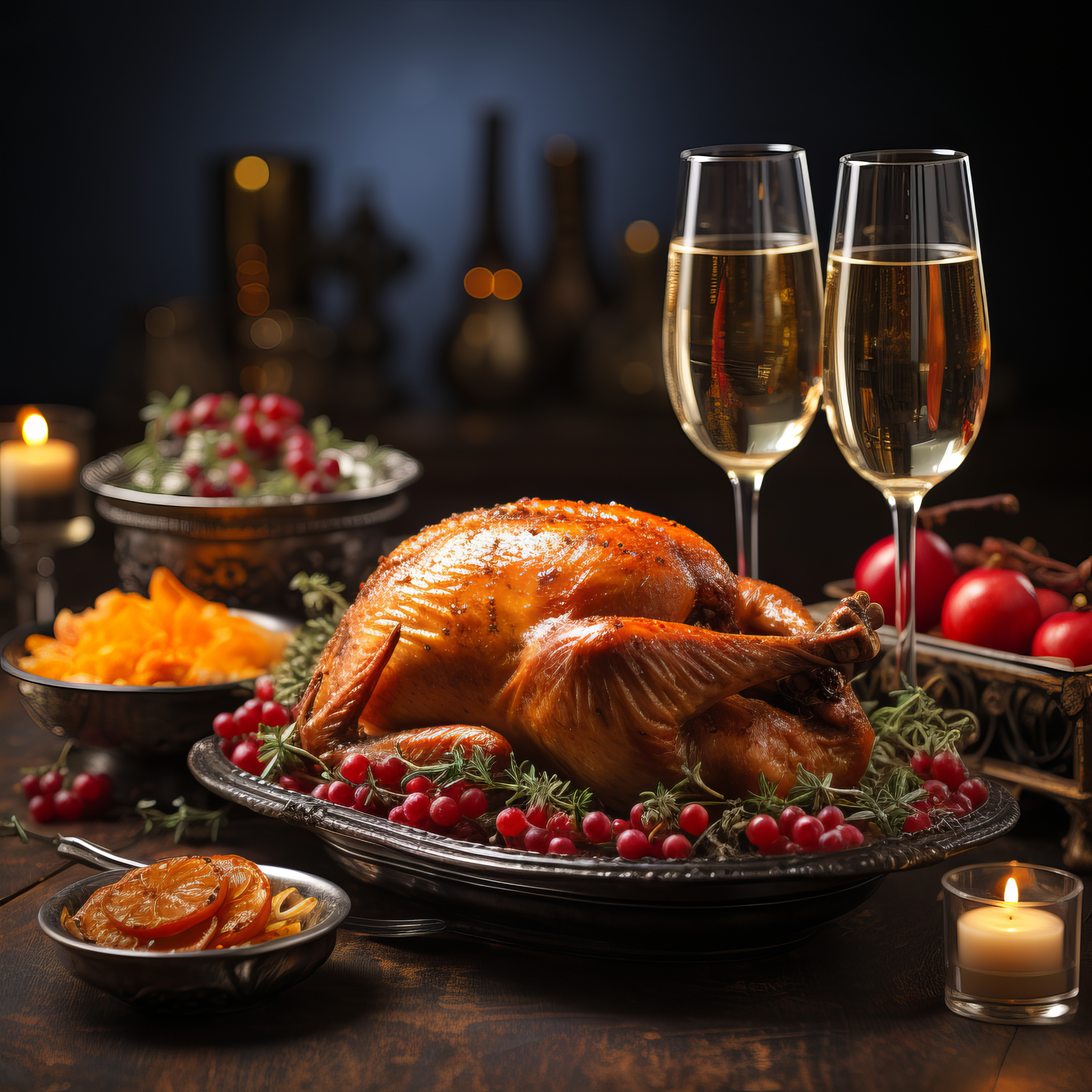
Perfect Pairings: Wines for Thanksgiving

When pairing wines with a big turkey dinner, it’s time to take sides. 

By this—taking sides—I do not mean that you have to get involved in every family feud that comes up around the dinner table. (oh. please. no.) Rather, I mean that it is a good idea to choose your wines with a mind to the varied tastes and flavors of your side dishes.  Turkey—typically the main event on T-day—is actually quite neutral in flavor and can pair nicely with a variety of wines.  Side dishes for turkey, however, include the sweet (think yams topped with mini marshmallows), the spicy (sausage stuffing), the salty (gravy), and the tangy (pickles, olives, and cranberry sauce).

It takes a fruity, acidic wine with no chance of clashing flavors to match that schizo of a meal.   

I know this subject has been talked to death, that opinions on the matter run hot, and what the world needs now is hardly one more blog post on what wines to serve on Thanksgiving.  So, it is with humility and a bit of trepidation that I offer the following ideas on choosing wine for Thanksgiving.

#1—Choose a wine with lots of crisp, lively acidity:  Tangy foods, such as cranberry sauce, citrus, or anything from the relish tray, need to be paired with wines that can stand up to the challenge.  To be safe, serve a wine that has lively acidity to begin with and your wine will maintain its balanced flavor even in the presence of acidic foods.

#2—Choose a wine with fruit-forward flavors:  Cranberry sauce, sweet potatoes, creamed corn and yams…due to the fact that they have a degree of sweetness, these foods pair best with a wine that has a very fruit-forward style. A wine with a hint of sweetness is ideal, as any sweetness in a food will diminish the fruitiness or sweetness of a wine.  For these reasons, it is a good idea to start with a wine with a good deal of fruit flavors—and maybe even a touch of sweetness—in order to preserve the wine’s balance with these types of foods.

#3—Choose a wine that is low-to-moderate in tannin:  Tannin is an integral part of the taste, flavor, and structure of most red wines. It’s also the component that gives many wines their structure and grip while lending a velvety mouthfeel to others.  However, as beloved a high-tannin wines may be, it pays to go moderate with the tannin in the wines we serve on Thanksgiving. The reason—simply put—is that too much tannin can clash with spicy flavors; those sweet tastes can also be anproblem (as they can bring the bitterness and astringency of a tannic wine to the forefront).  To avoid a clash of the titans that might end up with a metallic or bitter taste in your mouth, keep those red wines low-to-moderate in tannin. You might look for a red wine described as smooth, ripe, or velvety.

#4—Choose a wine with low-or-no noticeable oak influence:  Oak is a beloved flavor enhancer of many wines, and lots of people love oak aromas and flavors.  However, highly oaked wines can clash with some food flavors; to avoid this clash, choose a wine (or wines) with no overt oak flavors (especially the bitterness that often can be sensed on the back of the palate). These oak-derived tastes can clash with foods that are slightly sweet, a bit fruity, or a tad spicy (and there will be plenty of all of these at a typical Thanksgiving feast)!

#5—Choose a wine that is moderate in alcohol:  Alcohol, while part of what makes wine so delightful, has a tendency to clash with certain tastes and flavors, and with all the flavor mingling going on at Thanksgiving, this cage match is likely to happen.  all possible, keep your wine choices in the moderate alcohol range (lower than 14%, dessert wines excepted). On the other hand, if you enjoy the sensation of throwing gasoline on a fire, go right ahead and serve a 15% abv Napa Cab.  And then there’s this…turkey already has enough drowsiness-inducing tryptophan to put you and your relatives to sleep before the first kick-off of the first football game of the day. We don’t need any help from excessive amounts of alcohol!

#6—Remember the reason for the season: American Thanksgiving is a US-centric holiday, a celebration of the bounty of the fall harvest, and a time to be grateful. As such, sometimes I like to choose my wines for Thanksgiving with these ideas in mind. As this is a US-centric holiday, it’s a great time to focus on the wines of the United States. To accomplish this, you could focus on the well-known American wines such as Monterey Chardonnay. Napa Cabernet, Paso Robles Zinfandel, Oregon Pinot Noir, or Washington State Riesling. You could also focus on the lesser-known but still fascinating wines of Idaho, New York State, Virginia, Texas, or any of our other wine-producing states. To add the aspect of celebrating the harvest, try a Beaujolais Nouveau from France. It might not be anyone’s idea of the finest wine on earth, but it represents a true celebration of the harvest, as signified by the early release of the just-made wine of each year.  As a way of expressing gratitude…choose a wine to appeal to those you are most thankful for….seek out your father’s favorite Burgundy, your granddaughter’s beloved white zinfandel, or your oldest friend’s favorite wine. You can’t go wrong.

Bubbly Professor’s Wine Suggestions for Your Turkey Dinner:

  • Riesling from Alsace, Germany, or Washington State
  • Viognier from Texas, California, or The Rhône Valley of France
  • Unoaked Chardonnay
  • Bubbly—any dry or semi-dry sparkling wine; pink versions pair well with a wide range of food, and Prosecco is always a good choice
  • For the adventurous…Sparkling Shiraz
  • For the less-than-adventurous…Moscato d’Asti
  • Dry rosé—an all-around great choice! Serious, French rosé—such as those made in Tavel or Lirac—is a great choice. American rosé of Pinot Noir will work as well.
  • Zinfandel from Lodi, Paso Robles, Sonoma, the Sierra Foothills (Amador or El Dorado County)
  • Pinot Noir from Burgundy, California’s Central Coast, or Oregon
  • Beaujolais
  • Or, of course, you can use this philosophy:  serve anything you like…it’s just one day out of life!

Happy Holidays, Everyone!! No matter what you serve, enjoy the day and give thanks for all the good things in your life! 

The Bubbly Professor is “Miss Jane” Nickles of Austin, Texas… missjane@prodigy.net