Wine Grape Cheat Sheets: Viognier
October 5, 2021 1 Comment
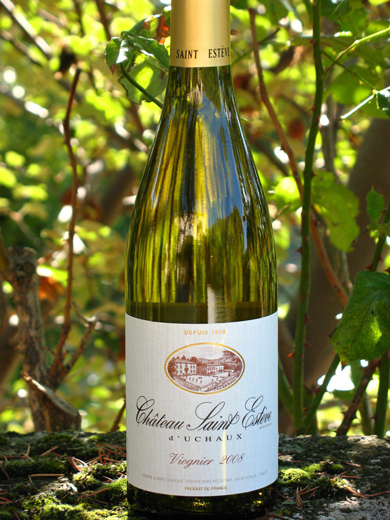 The Soundbyte: Just a generation ago, Viognier was close to extinction. These days, this richly scented white grape has made a full recovery in terms of fame, popularity, and acreage. Viognier makes unique white wines that will bowl you over with their outrageous floral aromas and peach-pear-apricot fruit flavors. While Viognier will beguile you with its gorgeous scent and yellow-gold hue—make no mistake, this wine can pack a punch in terms of body, flavor, and alcohol. Proceed with caution!
Typical Attributes of a Viognier-Based Wine:
- Intriguing floral scent combined with apricot, peach, and pear aromas
- Rich fruit flavors (tree fruit, tropical fruit, ripe citrus) and a creamy mouthfeel
- Even without oak aging, Viognier can be as full-bodied as an oaky Chardonnay
- Deep golden color
- Rich and over-the-top intense in flavor
- Very often, this tips the scales for high alcohol (in the context of a white wine), although the overall richness of the wine often masks the perception of the heat of the alcohol content
- Viognier is quite low in acid, but it may contain a bit of a bite of bitterness on the finish
- The typical low acid often comes across as smooth and velvety on the palate
- I have had a few late-harvest dessert wines made from Viognier, and they are delicious!
Typical Aromas of a Viognier-Based Wine:
Fruity: Apricot, Over-ripe Apricot, Mango, Pineapple, Ripe Citrus (Tangerine, Mandarin Orange), Apple, Pear, Peach
Floral: Honey, Acacia, Orange Blossom, Violet, Honeysuckle, Wildflowers
Spicy: Anise, Clove, Cinnamon, Nutmeg, Vanilla
Herbal: Mown Hay, Tobacco, Mint
Butter, Cream
 Where the Best Viognier is Grown:
- The Northern Rhône appellations of Condrieu and Chateau-Grillet produce amazing white wines from 100% Viognier.
- In the Southern Rhône and throughout the south of France, Viognier may be produced as a single-variety wine or used in an eclectic “white Rhône blend” alongside Marsanne, Roussanne, Piquepoul, and/or Muscat (among others)
- Also in the Southern Rhône (and elsewhere), Viognier is known to be used in teeny-tiny amounts to add fragrance and a soft side to the red G-S-M or Syrah-based wines of the Rhône. Even if you wouldn’t know it from looking at the label, a red Southern Rhône blend may contain up to 10% Viognier in the mix.
- California, particularly the warmer regions such as Lodi and the Sierra Foothills.
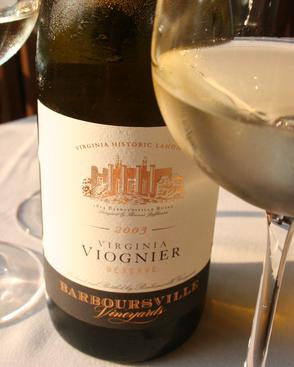
- The State of Virginia is beginning to make some excellent Viognier, and Texas makes some nice versions as well!
- Australia makes some excellent versions.
- Plantings in France’s Languedoc, Roussillon, and Provence regions are expanding.
Food Affinities – Base Ingredients:
- Pungent Cheeses
- Crab, Mussels, Shrimp, Salmon, Smoked Salmon
- Smoked Food, Poultry, Turkey, Pork
Food Affinities – Bridge Ingredients:
- Curry, Ginger, Clove, Cinnamon
- Sweet Onions, Garlic, Coconut, Honey
- Herbs, Corn, Polenta, Walnuts, Hazelnuts
- Butter, Cream, Fresh Cheeses
Note: When it comes to food pairings, by all means—drink what you like!
 About bubblyprof
 The Bubbly Professor
Pingback: Perfect Pairings: Chicken with Forty Cloves of Garlic and Viognier « The Bubbly Professor