Wine Grape Cheat Sheets: Cabernet Sauvignon
August 25, 2022 1 Comment
 Cabernet Sauvignon—the Soundbyte: Cabernet Sauvignon is indisputably the world’s most popular and well-known red grape variety. Wine lovers in-the-know love to discuss the fascinating fact that Cabernet Sauvignon is the result of a natural cross between Sauvignon Blanc and Cabernet Franc. Just ask one!
Cabernet Sauvignon is one of the main grapes in the world-famous Bordeaux blend and THE wine that made the Napa Valley famous. The beauty of Cabernet is its thick skin, both literally and figuratively. Literally, the grape’s thick skin and small berries give a wine deep color, complex flavors, and hearty tannins. Figuratively, Cabernet Sauvignon shows it thick skin by being resilient and able to thrive in the vineyard under many circumstances (in terms of climate, soil, and other aspects of terroir).
In short, just about every country that has a climate warm enough to consistently ripen red grapes successfully grows Cabernet Sauvignon.
Typical Attributes of a Cabernet Sauvignon-based Wine:
- Dark ruby red to purple; opaque and almost inky in appearance
- Young Cabernet Sauvignon is ripe, powerful, and concentrated.
- Highly tannic and, because of this, Cabernet Sauvignon is capable of producing age-worthy wine.
- Complex with ever-evolving layers of interesting flavors and textures
- When handled correctly, aged Cabernet can take on grace, finesse, and an earthy, complex bottle bouquet.
Typical Aromas of a Cabernet Sauvignon-based Wine:
- Fruity
- Blackberry, Blueberry, Ripe Cherry, Black Currant, Cassis, Plum, Prune, Raisin
- Herbal/Vegetative
- Vanilla, Mint, Eucalyptus, Bay Leaf, Green Bell Pepper, Green Olive, Rosemary, Dried Herb
- Earthy
- Cedar, Cigar Box, Cigar Smoke, Pencil Lead, Graphite, Tobacco, Wet Dog
- Oak-Derived
- Oak, Fresh Lumber, Cedar, Chocolate, Cocoa, Smoke
Where The Best Cabernet Sauvignon is Grown:
- The Bordeaux Region of France
- California, Washington State, and parts of Southern and inland Oregon
- Chile and Argentina
- Australia
- Italy—where it stars in some Super Tuscans and is used in small amounts in several wines (such as Carmignano DOCG)
- Cabernet grows successfully in many regions throughout the wine making world…it adapts well to a variety of conditions.
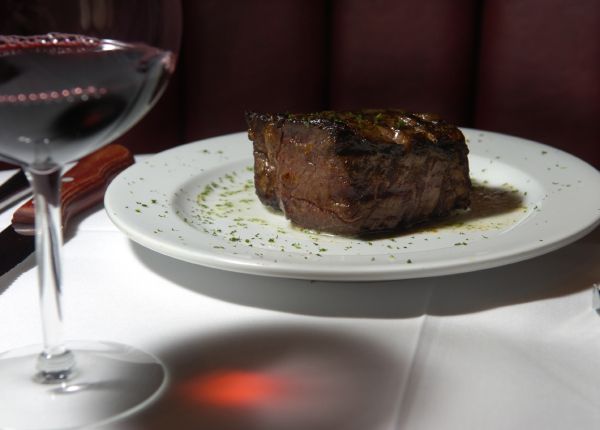
Food Affinities – Base Ingredients:
- Beef—prime rib, grilled steaks…it’s all good!
- Lamb—Bubbly Prof prefers Merlot here, but Cab works!
- Veal
- Venison
- Pork
Food Affinities – Bridge Ingredients/Flavor Bridges:
- Walnuts, pecans, pistachios…roast them up and bring on the salt!
- Mushrooms, eggplant, tomatoes—especially if you roast those veggies and give them some rich flavors
- Caramelized onions, roasted garlic
- Mint, rosemary, thyme, oregano, basil, black pepper
- Blue Cheese – but be careful with the bitterness! Try a mild blue cheese such as Gorgonzola melted over a filet.
- Hard, aged cheeses such as aged Cheddar, Gouda, Comté, Gruyère, or Swiss
- Currants, dates, prunes, raisins (go easy on the sweetness)
The Bubbly Professor is “Miss Jane” Nickles of Austin, Texas…
 About bubblyprof
 The Bubbly Professor
Great info, Miss Jane! I hope you have more “Wine Grape Cheat Sheets” on the way.