Five Fast Facts about Barbera

There is a lot to love about Barbera. One of Italy’s most widely-grown red varieties, it’s an easy-going grape in the vineyard and well-behaved in the winery. Compare this to Pinot Noir and Nebbiolo—its uber-finicky friends—and you’ll understand why this grape is so easy to adore. Read on to learn more about beautiful, bountiful Barbera!

#1—Barbera is one of Italy’s native varieties: Barbera is a red-skinned grape variety believed to be native to the Piedmont region of Italy. As of the latest count, there are currently 80,000 acres of Barbera planted worldwide. Of these, about 70,000 acres are found in Italy (mostly in Piedmont, but also in Lombardy, Emilia-Romagna, and a few spots across central and southern Italy where it is appreciated for its refreshing acidity). The grape is grown in many other places across the wine-making world, with significant plantings found in California (courtesy of an influx of Italian immigrants beginning in the 1880s), Argentina, Australia, and South Africa.

#2—Barbera is fruity and floral…Stare deep into a Barbera-based wine and you are likely become mesmerized by its lovely purple hue (with perhaps a glint of blue in the middle). Give the glass a good sniff and soon you’ll sense red and blue fruit (cherries, cranberries, blackberries, blueberries, and plums). Give it another sniff and you’ll likely find flowers (wildflowers, violet), herbs (chamomile, black tea, or mint). If the juice was aged in oak, you’ll find vanilla, toasty, or oaky notes. It’s highly likely that you’ll be sipping a medium-bodied wine with a cool zing of cherry-like acidity and moderate tannins. Serve it up with a giant charcuterie table (fresh mozzarella and sun-dried tomatoes would be good), pepperoni pizza, Grandma’s lasagna, or spaghetti Bolognese. If you just absolutely must, pair it with a grilled burger or a BLT. You can’t go wrong!

#3—Barbera bubbles! WHAT? While a red sparkling wine can be a jolt to the palate (something about the fact that chilling a red wine brings the tannin and bitterness forward), the world nevertheless produces a few. Sparkling Shiraz and Brachetto d’Acqui are the first that come to mind…but now that I think of it, Barbera is (albeit rarely) also used in sparkling wine. (Technically it is frizzante wine, meaning it has about 3 atmospheres [atms] of bubbly pressure as opposed to 5-6 atms of pressure in a fully sparkling/spumante wine. But still.) Piedmont’s San Silvestro winery describes their Barbera Frizzante (Piemonte DOC) in the most appealing way, saying “we decided to tell the most cheerful and lively side of the Barbera variety with a delicate perlage obtained from a second fermentation in a pressurized tank that enhances its fruity and harmonic taste.” Several appellations (located in Italy’s Piedmont region) allow for the production of Barbera Frizzante. These include the Piemonte DOC, Colli Tortonesi DOC, and Barbera del Monferrato DOC.

Photo credit: Petar Milošević

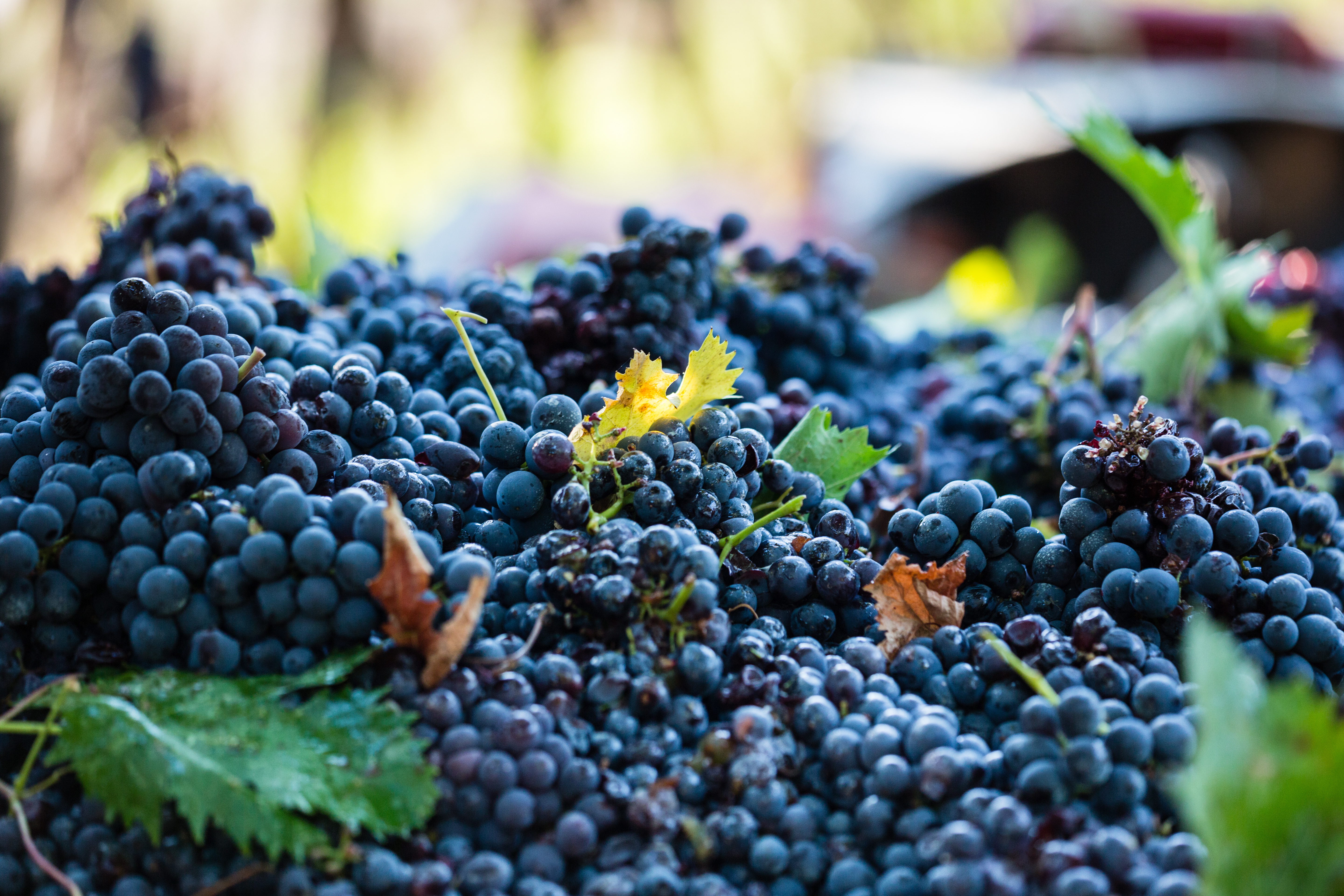
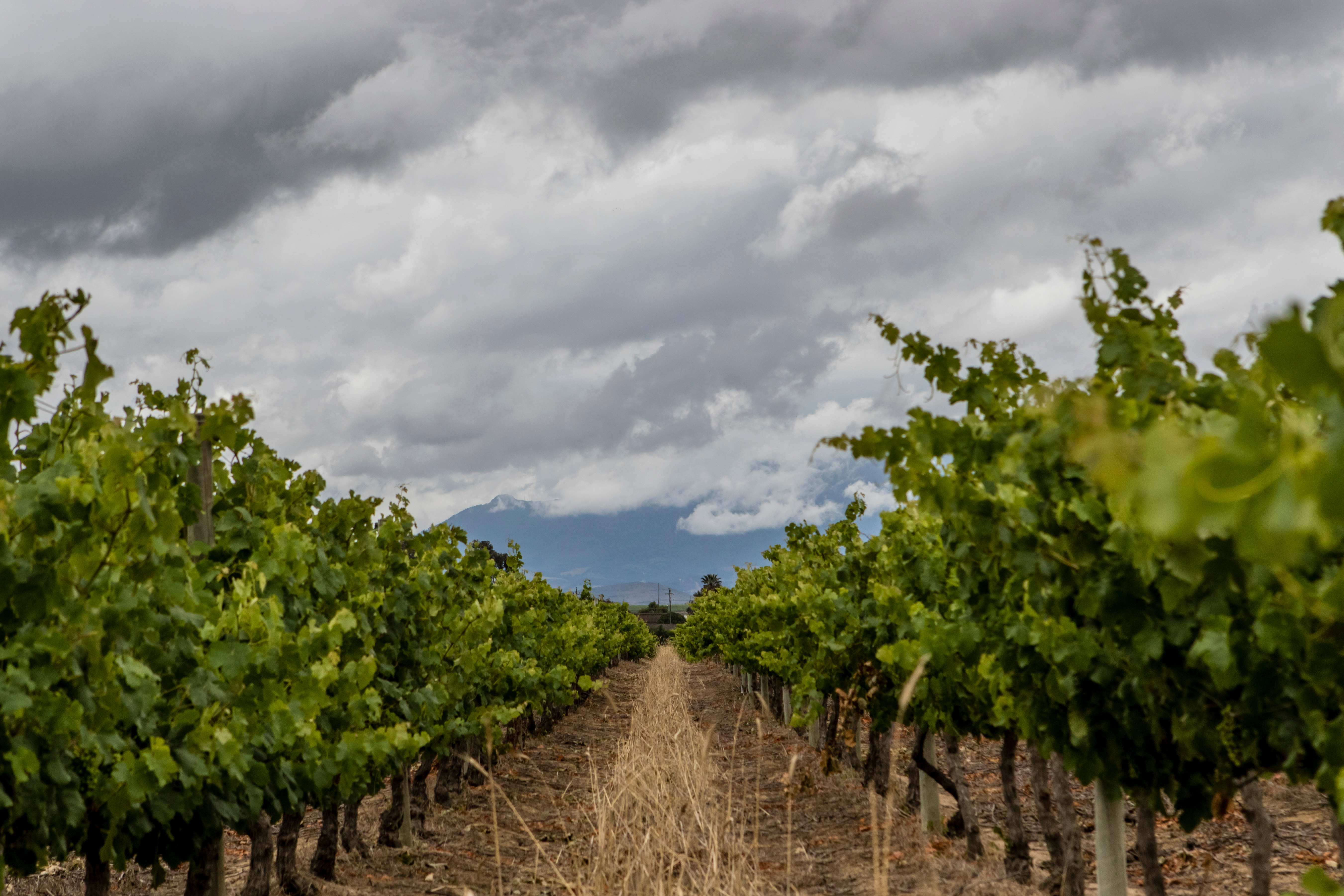
#4—Barbera is easy-going in the vineyard: This productive workhorse can offer up a high yield while still retaining its flavor and quality. Barbera—a great source of crisp, zingy acidity in a varietal wine or blend—is known for being able to retain its acidity even in warm-to-hot climates and while super-ripe. The grape is easily recognizable due to the compact shape of its clusters and the fact that its leaves turn a lovely reddish color in the fall.

#5—Barbera is a big deal: Barbera is Italy’s the third-most-widely grown red grape (behind Sangiovese and Montepulciano). While Nebbiolo steals the spotlight in its native home of Piedmont, Barbera is the most widely planted grape variety in the region. Several of Piedmont’s 60 AOCs (count ‘em, 60!) produce Barbera-based wines (mostly red, some rosato [rosé], and even some bubbles). These include the Barbera d’Alba DOC, Barbera del Monferrato DOC, Barbera d’Asti DOCG, Barbera del Monferrato Superiore DOCG, and the new-kid-on-the-block, the Nizza DOCG.

Long live Barbera!

References/for more information:

The Bubbly Professor is “Miss Jane” Nickles of San Marcos, Texas… missjane@prodigy.net

Wine Grape Cheat Sheets: Grenache

The Soundbyte:  Grenache is coming into its own as a single-variety wine, and wonderful examples can be found from Australia, California, Washington State, Texas, Spain, France, and Italy. At their best, these wines are fruity, earthy, and flavorful while not being too tightly wound. What’s not to love?

However, when discussing Grenache, we cannot forget its roles as (what I like to term) the world of wine’s most in-demand wing man. This refers to the fact that—while Grenache is certainly capable of starring in varietal wines—it is undoubtedly an in-demand partner in some of the world’s most famous red wine blends.

In Spain, Grenache is often blended with Tempranillo, Cinsault, and a host of other grapes; this is particularly apparent in the DOCa wines of Priorat/Priorato.  In France, Grenache is one of the three amigos (Grenache-Syrah-Mourvèdre) of the Rhône Blend (otherwise known as G-S-M), while also playing a part in some of the more complex (13-grapes-or-even-more) wines of the Southern Rhône. Grenache is also made into dessert and fortified wines and makes a world-class rosé.

Typical Attributes of a Grenache-based Wine:

  • A typical varietal wine made with Grenache might be described as relatively high in alcohol with aromas and flavors red fruit, black fruit, and spice.
  • The texture of Grenache has been described as rustic due to its rich flavors yet moderate structure.
  • The grape tends to be thin-skinned and low in both color and tannin, however, these factors can vary depending on vineyard conditions and winemaking; Grenache can sometimes pack a tannic punch.
  • Grenache is used in fortified wines, dessert wines, and delightful rosés; but its most common incarnation is as the backbone of hearty red blends.

Typical Aromas of a Grenache Based Wine:

grenache grapesFruity:  Cherry, Raspberry, Blackberry, Blueberry, Strawberry, Cranberry, Currant, Raisin, Plum, Fig

Spicy:  Black Pepper, White Pepper, Menthol, Licorice/Anise, Clove, Cinnamon, Juniper

Earthy:  Mineral, Stony, Baked Earth, Wet Earth, Leather, Forest Floor, Bramble, Tobacco, Smoke, Leather

Floral:  Roses, Dried Rose Petals, Violet

Herbal/Vegetable: Herbs de Provence, Garrigue (Shrubland), Rosemary, Dried Herbs (Savory), Mint, Menthol, Eucalyptus

Oak-Derived:  Chocolate, Mocha, Cocoa, Vanilla, Sweet Wood

Where The Best Grenache is Grown:

  • In France’s Rhône Valley, especially the Southern Rhône, where it is the super star grape of Châteauneuf-du-Pape, Gigondas, and Rasteau. Typically, it plays a leading role—along with Syrah and Mourvèdre—in the blended red wines of the Southern Rhône
  • The grape is part of the blend that is used to produce many delightful rosés throughout the Southern Rhône, including Lirac and Tavel
  • Also in France, Grenache is grown in Provence, Rouissillon, Languedoc, Minervois, Fitou, and Corbières. It is also the leading variety of certain fortified wines in produced in Banyuls and Maury
  • In Spain, where it is among the most widely planted red grapes in the country, the grape is called “Garnacha”
  • Garnacha is main variety in Priorat and Campo de Borja; and plays a role in the wines of Rioja, Navarra,  Somontano, Catalonia, and La Mancha
  • In Italy where—known as Cannonau—it stars in the Sardinian wine known as Cannonau di Sardegna
  • Australia, where it makes some awesome varietals, including my favorite, d’Arenberg’s McLaren Vale “The Custodian” Grenache
  • California, where it has historically been grown in San Joaquin Valley and is now produced in many other regions such as Santa Barbara and Paso Robles.
  • Washington State is also getting into Grenache

NOTE: Across the wine world, there are many names for Grenache, including the following: Garnacha, Garnatxa, Lladoner, Uva di Spagna, Cannonau, or Tinto Aragonés. As Grenache has several color mutations, sometimes the grape is identified as Grenache Noir or Garnacha Tinta. 

grenache foodFood Affinities – Base Ingredients:

  • Beef, Lamb, Veal, Venison, Pork, Hard Cheeses

Food Affinities – Bridge Ingredients:

  • Simple, rustic dishes, Grilled Foods
  • Tomatoes, Sun-dried Tomatoes, Tomato Sauces
  • Onions, Garlic, Mushrooms, Eggplant, Fennel, Roasted Bell Peppers
  • Green Olives, Black Olives, Capers, Green Peppercorns, Black Pepper
  • Rosemary, Thyme, Bay Leaf

Note: When it comes to food pairings, by all means—drink what you like!

The Bubbly Professor is “Miss Jane” Nickles of San Marcos, Texas…


Wine Grape Cheat Sheets: Sangiovese

Sangiovese ChiantiThe Soundbyte:  It is widely accepted that Sangiovese was well-known to the winemakers of Ancient Rome, and it is suspected that the grape was known in Tuscany as far back as the time of the Etruscans. These days, Sangiovese is widely grown throughout Central Italy—from Romagna to Lazio—and throughout Italy down to Campania and Sicily.

Outside of Italy, Sangiovese is mainly known as the lead grape of Chianti (in all its variations), but lovers of Italian wine know that it also stars in the majority of the Tuscany’s other red wines—to include Carmignano, Vino Nobile di Montepulciano, Morellino di Scansano, Brunello di Montalcino, Rosso di Montalcino, and Sangiovese di Romagna, among others. In a country growing hundreds (if not thousands) of different grapes, Sangiovese reigns as the number one grape variety in Italy, where it accounts for nearly 10% of the entire wine grape crop.

While increasingly seen as a stand-alone varietal, Sangiovese is often used in blends. In Tuscany it is likely to be blended with small amounts of Canaiolo, Colorino, Trebbiano, or even international varieties such as Cabernet Sauvignon, Cabernet Franc, or Merlot.

Typical Attributes of a Sangiovese Based Wine:

  • The flavor profile is complex, with earthy aromas often overtaking the scent of fruit, spice, flowers, and oak.
  • Sangiovese has a moderate to high level of natural acidity.
  • Medium to full-bodied, with descriptors ranging from supple-and-elegant to assertive-and-robust.
  • The finish tends to have a little bite of bitterness.  I often describe it as “bitter cherry.”
  • Medium to medium-plus tannins, often assisted with a bit of oak contact.
  • Sangiovese can be used to produce a lighter style of red wine, and this approachability has made it a consumer favorite.  Sangiovese also makes a wonderful, spicy rosé, and stars in many an Italian rosato.

Typical Aromas of a Sangiovese Based Wine:

  • Fruity:  Plum, Cherry, Blackberry, Raspberry, Strawberry, Blueberry, Mulberry, Orange Peel
  • Spicy:  Tea, Clove, Cinnamon, Thyme, Anise
  • Floral:  Violet, Dried Flowers
  • Wood-derived:  Cedar, Oak, Vanilla, Sweet Wood, Smoke, Toast, Tar
  • Earthy:  Wet Leaves, Wet Dirt, Forest, Tobacco, Tea, Dusty, Herbal

Where The Best Sangiovese is Grown:

  • Italy—its native home—where it is the most widely-grown red grape variety.
  • Sangiovese BrunelloIt especially thrives in Tuscany, where it forms the base of the wines of Chianti, Chianti Classico, Vino Nobile de Montepulciano, and Brunello di Montalcino as well as many other wines. It is sometimes part of the blend—often alongside Cabernet Sauvignon or other grape invaders—in the wines known as the Super Tuscans.
  • Beyond Tuscany, it is found throughout Italy and is a main grape in Umbria, Marche, Lombardy, Emilia-Romagna, and as far south as Campania and Sicily.
  • Italian immigrants brought Sangiovese to California.  The earliest recorded Sangiovese vineyard in California is the Seghesio Family’s Chianti Station Vineyard, planted near Geyserville in 1910. However, Sangiovese never really took off in California until the Super Tuscan movement of the 1980’s.  Since then, Sangiovese has been gaining popularity in the United States and is now grown in Napa, Sonoma, and The Sierra Foothills.
  • Flat Creek Estate in Marble Falls, Texas (once-upon-a-time in 2005) created a Sangiovese-Cabernet Sauvignon blend they called a Super Texan. The wine immediately commanded world wine attention when it won the coveted Double Gold Medal at the San Francisco International Wine Competition that year.  Sangiovese continues to thrive in Texas.
  • Oregon, Washington State, Virginia, and The Niagara Peninsula now have Sangiovese plantings, as do Australia, Argentina, Romania, Corsica, South Africa, and Chile.

 Food Affinities – Base Ingredients: 

  • Beef, Lamb, Pork, Chicken, Turkey, Duck, Hard Cheeses
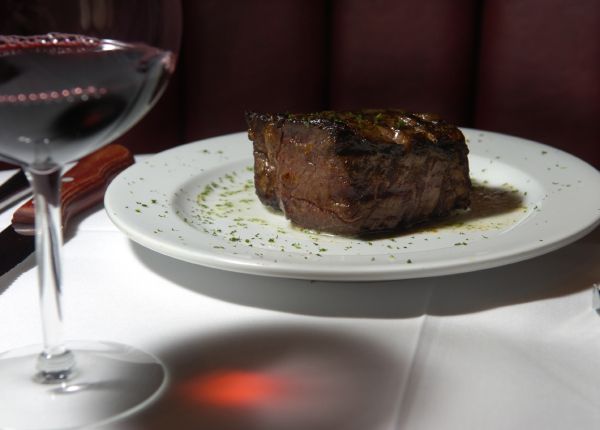
    sangiovese steak

Food Affinities – Bridge Ingredients:

  • Simple, rustic dishes, Grilled Foods, Fresh Herbs
  • Tomatoes, Sun-dried Tomatoes, Tomato Sauces
  • Onions, Garlic, Mushrooms, Eggplant, Fennel, Roasted Bell Peppers
  • Green Olives, Black Olives, Capers
  • Pecans, Walnuts
  • Pasta Dishes, Risotto Dishes
  • Prosciutto, Pancetta, Bacon

Note: When it comes to food pairings, by all means—drink what you like!

The Bubbly Professor is “Miss Jane” Nickles of Austin, Texas….


Wine Grape Cheat Sheets: Tempranillo

The Soundbyte:  Tempranillo is a primary red grape for much of Northern and Central Spain, including the famous wines of Rioja and Ribera del Duero.  It is also a key blending grape used in Port—where it often goes by the name Tinta Roriz.  It is often said that the name Tempranillo is derived from the Spanish word temprano—meaning early—and refers to the fact that the grape buds, flowers, and ripens a full two weeks before Spain’s other leading red grape— Garnacha (Grenache).

There is a fantastic old legend that says that Tempranillo ended up in Northern Spain via the Camino de Santiago.  According to the legend, Cistercian Monks making the religious pilgrimage from Burgundy to Santiago de Compostela left Pinot Noir cuttings behind at the monasteries around Haro, Burgos, and Logroño.  From these vines, the Pinot Noir grape morphed itself into its new surroundings and ended up as the Tempranillo we know now and love.  Alas, this tale must remain with us as “just a good story” seeing as recent have shown no such genetic connection between the two cultivars.  Tempranillo is, these days, believed to be a native son of Northern Spain.

Typical Attributes of a Tempranillo-based Wine:

  • Medium-to-deep ruby-red color in appearance (while young); Tempranillo-based wines can sometimes show a deep hue but lighter color intensity such as is often seen in Sangiovese or Pinot Noir.
  • These are long-lasting wines that often improve with significant aging and maturation.  This is in part due to the fact that Tempranillo has a low amount of oxidizing enzyme, making it particularly resistant to oxidation.
  • These wines, made from heat-loving, thick-skinned black grapes, tend to be medium to high in alcohol.
  • Medium-to-high levels of tannin, often described as “firm yet round”
  • Intense fruit flavors mingled with spice and earth tones, often enhanced via contact with oak
  • Tempranillo can be made into a fun, fruity, easy drinking wine via Carbonic Maceration.
  • Tempranillo makes some wonderful, dry rosés.

Typical Aromas of a Tempranillo-based Wine:

Fruity: Strawberry, Blueberry, Raspberry, Blackberry, Black Currant, Red Stone Fruit, Cherry, Plum, Raisin, Prune

Spicy: Vanilla, Dried Herbs, Clove, Cinnamon

Herbal: Green Herb, Mint, Eucalyptus

Earthy: Wet Earth, Leather, Mineral, Tobacco, Graphite

Oak-Derived:  Cedar, Vanilla, Oak, Soft Spice

Where The Best Tempranillo is Grown:

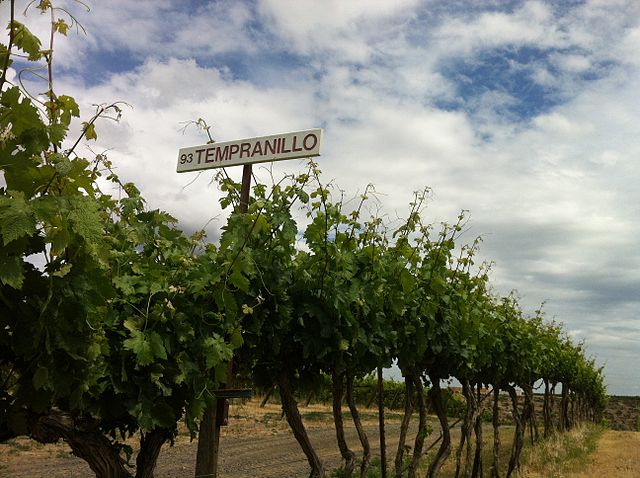
  • Spain, where it is one of the leading grapes and grown throughout the country (particularly in the northern reaches of the country). It is (perhaps) best-known as the leading grape of the Rioja DOCa.
  • Spain’s (arguably) most famous wine and winery, Vega Sicilia, makes a Tempranillo-based blend and is leading the way for a resurgence of the vines and wines of the Ribera del Duero DO.
  • Tempranillo is also the leading grape variety of the Spanish regions of Valdepeñas and La Mancha, where it sometimes goes by the name of Cencibel, Ojo de Libre, Tinto Fino, Tinto del Pais, Tinto del Toro or Ull de Liebre.
  • Portugal’s Douro Valley, where it is used to produce varietal wines and is also a key blending partner in the fortified wines of Port.
  • Tempranillo is also used as a varietal wine in the Portuguese region of the Alentejo. In Portugal it is usually referred to as Tinta Roriz or Tinta Aragonez.
  • Tempranillo thrives in many locations int he United States, to include California, Washington State, Southern Oregon, and Texas. (One of the first Texas wines I ever tasted (and truly enjoyed) was made a 100% Estate-grown Tempranillo Blend called El Guapo made by Alamosa Wine Cellars in Bend, Texas (alas, the owners have since retired and are now traveling the world in the comfort of a luxury RV).  You can read more about that story here.
  • Australia, particularly McLaren Vale.  Australian producer D’Arenberg has a Tempranillo/Grenache/Souzao blend called “Sticks and Stones”.
  • Chile, Argentina, and Mexico all have some vineyards planted to Tempranillo.

Food Affinities – Base Ingredients:

  • Beef, Lamb, Veal, Pork, Grilled Foods

Food Affinities – Bridge Ingredients:

  • Spanish Ham, Smoked Paprika, Tapas
  • Paella, especially when made with lots of Chicken and Sausage (leave the seafood-heavy paellas to a different/lighter styles of wine)
  • Garlic, Onions, Roasted Garlic
  • Tomatoes, Roasted Tomatoes, Dried Tomatoes
  • Currants, Prunes, Almonds (go easy on the sweetness)
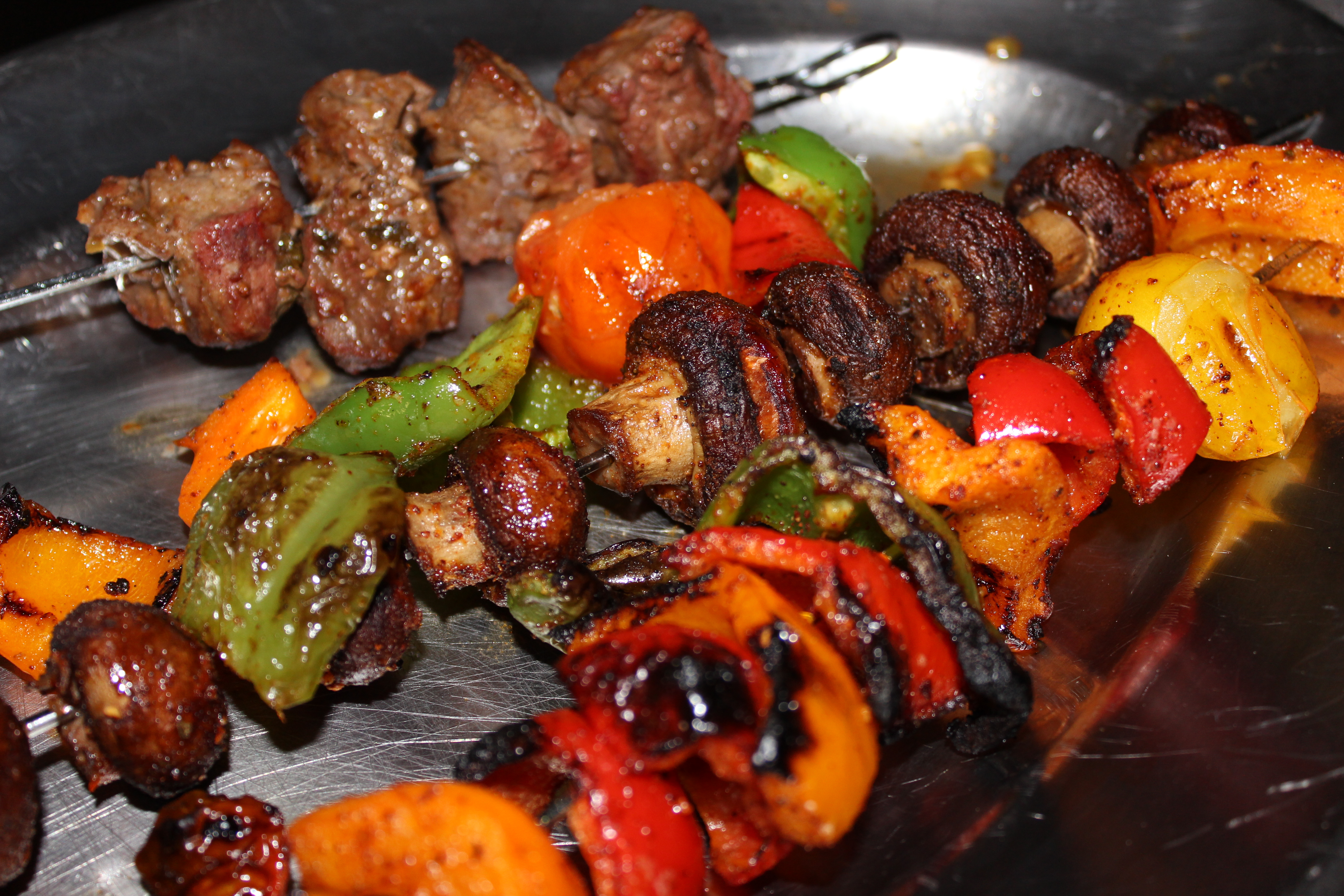
  • Mushrooms, Bell Peppers, Roasted Bell Peppers, Stuffed Peppers

Note: When it comes to food pairings, by all means—drink what you like!

The Bubbly Professor is “Miss Jane” Nickles of Austin, Texas…missjane@prodigy.net

Wine Grape Cheat Sheets: Zinfandel

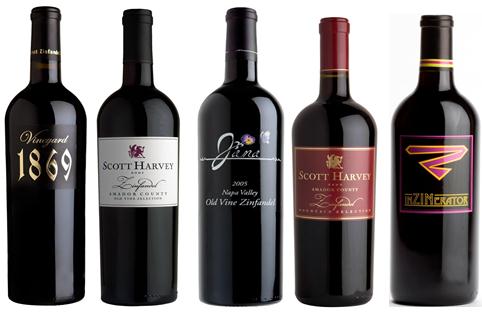
Zinfandel—The Soundbyte: Zinfandel used to be known as “California’s Mystery Grape,” as an old-timey legend says that Zinfandel vines of the vitis vinifera species were growing happily in California before European settlement of the New World.

This was fun to believe for a while, but today we know better. It is now known that Zinfandel traveled from Croatia to Vienna during the Habsburg Monarchy’s rule over Croatia, when some cuttings ended up in the Imperial Nursery in Vienna. From there, they were sent to a horticulturist in Long Island who sent some vines out to California. In California, Italian immigrants working the gold rush appreciated the grape’s sturdy, robust style and planted them with enthusiasm—only to abandon their vineyards when the gold rush fizzled out.  Those vineyards—and their (Zinfandel) mystery grapes—were rediscovered years later when California experienced a new wave of post-Prohibition winemakers. Quite a story, right?

DNA fingerprinting has revealed that today’s Zinfandel is identical (or near identical) to a grape known as Tribidrag or Crljenak Kaštelanski and native to the Dalmatian Coast of Croatia. Zinfandel is also either identical to—or very closely related to—a grape known as Primitivo, as grown in Puglia in Southern Italy.

Wherever it came from and whatever you call it, Zinfandel has proved itself as a hardworking, heat-seeking, robust grape.

Typical Attributes of a Zinfandel-based Wine:

    • Fruit-forward and often intensely fruity…the aromas and flavors of blackberry, cherry and plum are quite recognizable.
    • In my wine tastings I generally introduce Zin as having aromas of blackberry, black pepper, and black licorice.  It’s a pretty good Zin cliché.
    • Medium to high alcohol…sometimes 15% or more
    • Medium to full body; more likely towards the fuller side
    • Medium to high tannin combined with refreshing acidity.  Zinfandel grown in warm climates/warm vintages can show velvety (rather than grippy) tannins, but the medium to high tannin levels abide.
    • Yes…. the Zinfandel grape can be made into White Zinfandel (rosé).  This style of wine is produced by allowing the juice to ferment in contact with the intensely colored red grape skins for a day or two—just until the juice turns a light pink color.  At this point, the juice is pressed off the grape skins and fermentation is allowed to complete using just the (now pink-hued) juice. While it is true that your Mama’s White Zinfandel most likely had a touch of residual sugar and this style remains popular today, Zinfandel is also made into crisp, dry, serious rosé.
    • Late harvest Zinfandel is often made into a luscious, complex dessert wine. (which makes a great pairing for chocolate).

Typical Aromas of a Zinfandel-based Wine:

  • Black Fruit:
    • Blackberry (Blackberry Jam), Boysenberry, Plum, Raisin, Prune
  • Red Fruit:
    • Raspberry, Ripe Cherry, Pomegranate
  • Savory Spice:
    • Black Pepper, White Pepper
  • Baking Spice:
    • Cinnamon, Clove, Nutmeg, Allspice, Anise (Black Licorice)
  • Cocoa/Chocolate
  • Wood-derived:
    • Oak, Vanilla
  • Sometimes:
    • Maple, Mushroom, Mint, Mineral

Where the Best Zinfandel is Grown:

  • California—it grows all over the state; good choices include Sonoma County, Amador County/the Sierra Foothills, Paso Robles, Napa County, and Lodi
  • The south of Italy—where it is known as Primitivo
  • Croatia—the native home, where it is sometimes called Tribidrag or Crljenak Kaštelanski
  • In smaller amounts—South Africa, South America, and Australia

Food Affinities – Base Ingredients:

  • Beef, Lamb, Venison, Pork, Chicken, Turkey, Duck, Sausage

Food Affinities – Bridge Ingredients:

  • Any type of burgers (even turkey burgers)
    • Blue Cheese Bacon Cheeseburgers
    • Burgers with Caramelized Onions
  • Sausage and Peppers
  • Eggplant, Mushrooms, Black Beans
  • Tomatoes, Sun-dried Tomatoes
  • Mint, Rosemary, Oregano
  • Grilled Flavors, Smoky Flavors
  • Onions, Shallots
  • Walnuts, Pecans, Hazelnuts
  • Chocolate—which many people love, but most folks will recommend that you stick to the sweet versions of Zin for dessert.

Note: When it comes to food pairings, by all means—drink what you like!

Wine Grape Cheat Sheets: Cabernet Sauvignon

Cabernet Sauvignon—the Soundbyte: Cabernet Sauvignon is indisputably the world’s most popular and well-known red grape variety.  Wine lovers in-the-know love to discuss the fascinating fact that Cabernet Sauvignon is the result of a natural cross between Sauvignon Blanc and Cabernet Franc. Just ask one!

Cabernet Sauvignon is one of the main grapes in the world-famous Bordeaux blend and THE wine that made the Napa Valley famous.  The beauty of Cabernet is its thick skin, both literally and figuratively.  Literally, the grape’s thick skin and small berries give a wine deep color, complex flavors, and hearty tannins.  Figuratively, Cabernet Sauvignon shows it thick skin by being resilient and able to thrive in the vineyard under many circumstances (in terms of climate, soil, and other aspects of terroir).

In short, just about every country that has a climate warm enough to consistently ripen red grapes successfully grows Cabernet Sauvignon.

Typical Attributes of a Cabernet Sauvignon-based Wine:

  • Dark ruby red to purple; opaque and almost inky in appearance
  • Young Cabernet Sauvignon is ripe, powerful, and concentrated.
  • Highly tannic and, because of this, Cabernet Sauvignon is capable of producing age-worthy wine.
  • Complex with ever-evolving layers of interesting flavors and textures
  • When handled correctly, aged Cabernet can take on grace, finesse, and an earthy, complex bottle bouquet.

Typical Aromas of a Cabernet Sauvignon-based Wine:

  • Fruity
    • Blackberry, Blueberry, Ripe Cherry, Black Currant, Cassis, Plum, Prune, Raisin
  • Herbal/Vegetative
    • Vanilla, Mint, Eucalyptus, Bay Leaf, Green Bell Pepper, Green Olive, Rosemary, Dried Herb
  • Earthy
    • Cedar, Cigar Box, Cigar Smoke, Pencil Lead, Graphite, Tobacco, Wet Dog
  • Oak-Derived
    • Oak, Fresh Lumber, Cedar, Chocolate, Cocoa, Smoke

 Where The Best Cabernet Sauvignon is Grown:

  • The Bordeaux Region of France
  • California, Washington State, and parts of Southern and inland Oregon
  • Chile and Argentina
  • Australia
  • Italy—where it stars in some Super Tuscans and is used in small amounts in several wines (such as Carmignano DOCG)
  • Cabernet grows successfully in many regions throughout the wine making world…it adapts well to a variety of conditions.

Food Affinities – Base Ingredients:

  • Beef—prime rib, grilled steaks…it’s all good!
  • Lamb—Bubbly Prof prefers Merlot here, but Cab works!
  • Veal
  • Venison
  • Pork

Food Affinities – Bridge Ingredients/Flavor Bridges:

  • Walnuts, pecans, pistachios…roast them up and bring on the salt!
  • Mushrooms, eggplant, tomatoes—especially if you roast those veggies and give them some rich flavors
  • Caramelized onions, roasted garlic
  • Mint, rosemary, thyme, oregano, basil, black pepper
  • Blue Cheese – but be careful with the bitterness! Try a mild blue cheese such as Gorgonzola melted over a filet.
  • Hard, aged cheeses such as aged Cheddar, Gouda, Comté, Gruyère, or Swiss
  • Currants, dates, prunes, raisins (go easy on the sweetness)

The Bubbly Professor is “Miss Jane” Nickles of Austin, Texas…


Wine Grape Cheat Sheets: Carmenère

CarmenereThe Soundbyte: Carmenère is often called “the lost grape of Bordeaux” and was widely planted in Bordeaux in the years before phylloxera. However, in the 1880s as phylloxera ravaged the vineyards of Europe and all the vines needed to be re-planted, Carmenère resisted grafting and was essentially forgotten.

On the other side of the world, many of the original vinifera vines planted in Chile were brought from Bordeaux during the mid-1800s, as phylloxera was ravaging the vineyards of France. Carmenère—along with its better-known cousins such as Cabernet Sauvignon, Sauvignon Blanc, and Merlot—arrived in Chile at about this same time.

Carmenère thrived in Chile, where it was often mistaken for Merlot in the vineyard. In fact, much of what was bottled as a particularly spicy style of Chilean Merlot—Merlot Chileno—before 1994 quite possibly contained quite a bit of Carmenère. The mystery of the spicy Chilean Merlot was solved in 1994 when Professor John-Michel Boursiquot of the Montpellier School of Oenology noticed the distinctive character of the wine and confirmed that much of what was considered to be Chilean Merlot was actually Carmenère.

In the vineyard, Carmenère is often the last grape to be picked, and it requires a lengthy season to reach full maturity. Therefore, it is not well suited to many parts of Bordeaux—but in the right areas it can produce great wines. Chilean Carmenère is rich in color, redolent of red fruits, spice, and berries, and has softer tannins than Cabernet Sauvignon. While Cabernet Sauvignon occupies more Chilean vineyards (by acreage), many consider Carmenère to be the signature grape of Chile.

Typical Attributes of a Carmenère-based Wine:

  • Rich with dark fruit flavors (including ripe berries and plum)
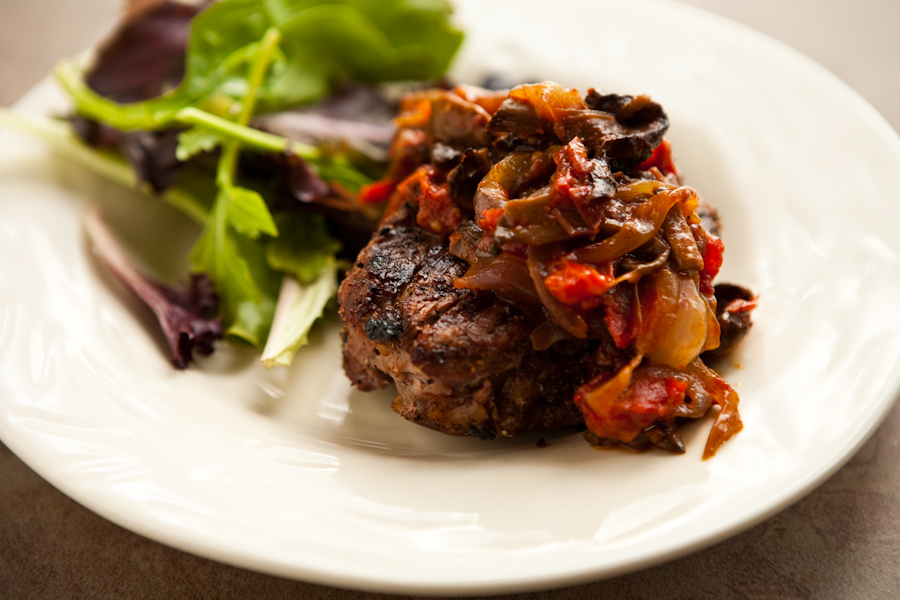
  • grilled steak for carmenre with tomatoesFirm structure, full body and heavy tannins; lush, velvety texture
  • Deep, dark color—this is a big red wine!
  • Carmenère is distinguished by fruitiness accompanied by the flavors of “spice and smok.e”
  • Underripe Carmenère, or grapes from a cool growing season, can have a vegetative “green bell pepper” aroma or flavor. Carmenère  takes longer to ripen than other red grapes, so be on the look-out for these flavors.

Typical Aromas of a Carmenère-based Wine:

  • Fruity: Blackberry, Blueberry, Raspberry, Currant, Dark Plum, Cherry
  • Spicy: Black Pepper, White Pepper, Dried Herb, Cinnamon, Anise, Vanilla, Licorice
  • Earthy:  Smoke, Wet Earth, Leather, Tobacco, Coffee
  • Oak-Derived:  Oak, Chocolate, Mocha, Cocoa
  • Vegetative:  Green Bell Pepper, Green Olive, Herbal, Lavender

Where The Best Carmenère is Grown:

  • Chile, where it is one of the leading red grapes (although Cabernet Sauvignon occupies more acreage)
  • A few wineries in California and Washington State grow Carmenère; it is often used in Meritage-style blends but can also be found as a varietal.
  • The Guenoc Winery in Lake Country brought the grape—which had to withstand a three-year quarantine before being planted—to the United States from Chile
  • The grape is grown a bit in Italy’s Eastern Veneto and Friuli-Venezia Giulia regions. This includes the Piave DOC allows for varietally-labeled Carmenère.
  • Bordeaux, France; where the grape is grown on a very limited basis but is still considered part of the Bordeaux Blend. Grande Vidure is a historical synonym sometimes used in Bordeaux. Château Clerc Milon has the largest plantings of Carmenère in the region, but there are still less than ten acres in all of Bordeaux
  • China, which grows a great deal of Carmenère, often under the name Cabernet Gernischt

Grilled spicy steakFood Affinities – Base Ingredients:

  • Beef, Lamb, Veal, Venison, Pork
  • Poultry when prepared in a rich, hearty manner such as grilled, smoked, or braised…
  • Grilled Foods, Smoked Foods

Food Affinities – Bridge Ingredients:

  • Garlic, Onions, Mushrooms
  • Walnuts, Pecans
  • Rosemary, Oregano, Basil, fresh Herbs of all kinds
  • Tomatoes, Sun-dried Tomatoes, Eggplant, Bell Peppers
  • Black Pepper, White Pepper, Green Peppercorns, Spicy flavors
  • Barbeque Flavors, Hearty, highly seasoned foods

Note: When it comes to food pairings, by all means—drink what you like!

The Bubbly Professor is “Miss Jane” Nickles of Austin, Texas   missjane@prodigy.net

Wine Grape Cheat Sheets: Cabernet Franc

The Soundbyte:  Cabernet Franc has often been thought of as Cabernet Sauvignon’s more cerebral and refined little brother. However, it might be time to hang up the “Cabernet Sauvignon’s little brother” cliché, and the sooner the better:  recent DNA technology has confirmed that Cabernet Franc, with a little help from Sauvignon Blanc, is actually Cabernet Sauvignon’s father.

Cabernet Franc is appreciated in France—particularly in Bordeaux, where it holds fast as one of the red grapes of the Bordeaux blend, and in the Loire (around Saumur and Touraine). The grape’s cold weather-heartiness is also leading to increased plantings in the wine world outside of Europe, where its unique elegant-structured-spicy quality is inspiring new legions of fans.

Typical Attributes of a Cabernet Franc-based wine:

  • Medium tannins, sometimes referred to as silky, fine, or well-integrated tannins.  Whatever you call it, Cabernet Franc does indeed have a lower tannin profile and a smoother mouth feel than many red wines.
  • Elegance, finesse, and good structure: these are well-earned terms often used to describe Cabernet Franc’s moderate levels of tannin combined with its typical moderate acidity.
  • Typical flavors and aromas include red fruit, berries, perfume, and spice.
  • Bright, sometimes pale red in color, although the color and depth can be deeper in warm weather versions.
  • Though typically thought of as lighter wines, Cabernet Franc-based reds from strong vintages or warmer climates can be full bodied and well-structured for aging.
  • Cabernet Franc is used to make delightful rosés in the Loire and many other regions (such as California and New York State).
  • Cabernet Franc’s ability to thrive in cooler (even cold) climates makes it a natural for use in ice wines as well as late harvest dessert wines, as is done in Ontario and New York.

Typical Aromas of a Cabernet Franc-based wine:

  • Fruity: Raspberry, Blueberry, Strawberry, Cranberry, Red Cherry, Black Currant, Cassis, Plum, Pomegranate
  • Spicy:  Black Pepper, White Pepper, Dried Herbs, Black Licorice, Rosemary
  • Earthy/Herbal/Vegetal:  Tobacco, Cedar, Cigar Box, Green Bell Pepper, Green Olives, Graphite, Mushroom, Tea
  • Floral:  Violets, “Blue Flowers,” Perfume
  • Oak-derived:  Vanilla, Coconut, Sweet Wood, Smoke

Where the Best Cabernet Franc is Grown:

  • Bordeaux, where it generally plays third fiddle in the Cabernet Sauvignon/Merlot/Cabernet Franc/Malbec/Petit Verdot/Carmenère blend.
    • Cabernet Franc does, however, often get to be the star of the show in St. Émilion and in much of Bordeaux’s right bank, where some of the most prestigious wines of the region (and the world) give Cabernet Franc a starring role. The vineyards at Château Cheval Blanc—one of the world’s most renowned estates—are planted to about 57% Cabernet Franc, and the vineyards Château Ausone are reportedly 50% Cabernet Franc and 50% Merlot.
  • The Loire Valley, where the regions of Chinon, Bourgueil, and Saumur-Champigny make both red and rosé wines from a minimum of 90% Cabernet Franc.  Cab Franc is sometimes called Bouchy or Breton in the Loire.
  • Tuscany, of all places, where a brave soul at Tenuta di Trinoro makes a blended wine with varying levels of Cabernet Franc, feeling it is “under planted” in Bordeaux.
  • Northern Italy, particularly Friuli and Veneto, where it may be known as Bordo.
  • Hungary: Many people feel Cabernet Franc might have found a home in the vineyards of Hungary.  Cabernet Franc in Hungary gained lots of attention in the late 1990’s when it became apparent that some regions of Hungary were not optimal for Cabernet Sauvignon to reach its full ripeness. Cabernet Franc is now grown widely in the Hungarian regions of Villány, Szekszárd, and Eger.
  • Ontario, Canada, where it may be used for dry (table) wine, sparkling wine, or sweet wine/Icewine.
  • New York’s Finger Lakes and Long Island wine regions, as well as the states of Virginia, Michigan and Colorado.
  • California and Washington State, where the grape appears as part of the Meritage Blend as well as in varietal wines. In the warm Napa Valley, the plantings are small, but in some cases quite prestigious.

Food Affinities – Base Ingredients:

Beef, Veal, Pork

Chicken – just make sure you prepare it via a grill, sauté, bake, roast, broil or braise in order to add lots of flavor and complexity.  (Save the poached chicken on a bed of spinach salad for a Chenin Blanc day.)

Duck and just about any Poultry (see above.)

On the grill: meat, poultry, games, vegetables

Food Affinities – Bridge Ingredients:

Garlic, Roasted Garlic, Onions, Mushrooms

Bell Peppers, Cajun/Creole Spices

Rosemary, Thyme, Mint, Bay Leaf

Tomatoes, Roasted Tomatoes, Eggplant, Fennel

Barbeque Flavors, Grilled and Smoked Foods

Greek and Middle Eastern Flavors

Note: When it comes to food pairings, by all means—drink what you like!

The Bubbly Professor is “Miss Jane” Nickles of Austin, Texas.


Wine Grape Cheat Sheets: Gamay

The Soundbyte:  The Gamay grape—officially known as  Gamay Noir à Jus Blanc—can make uncomplicated, easily drinkable, light bodied, light-colored red wines.  It is also capable of producing richly hued, rather tannic, complex, and age-worthy wines.  It’s a vinifera chameleon.

One thing that we can be assured of, though, is that the grape is hearty in the vineyard.  The grape is so prolific and high-yield that long ago it was feared that Gamay would overwhelm the vineyards of Burgundy, and the prolific grapes would damage the reputation of the fine Pinot Noir the Burgundy region was (and is) known for. In order to avoid this messy complication, Philip the Bold—then the Duke of Burgundy—banished the grape from the Kingdom and declared it to be an evil, disloyal plant. In a wonderful twist of fate, grape growers in Burgundy who loved the high-yield, easy-drinking wine made from Gamay were nonplussed and set up their beloved Gamay vines just a bit to the south of the vineyards of Burgundy, where the grape still reigns today.

Typical Attributes of a Gamay Based Wine:

    • Light-to-medium bodied, although it can surprise you at times with a sturdy wine.
    • The tannins in a Gamay-based wine can be quite diverse—some versions are light-to-medium, while some versions have sturdy tannins.  The grapes themselves are considered high tannin, although wine-making traditions often ameliorate their impact.
    • Crisp, lively acidity.
    • Some versions can have a light, cranberry juice-like clear red color; others have a deeper red hue that resembles a dark version of Pinot Noir.
    • Fruit-forward aromas and flavors of ripe berries, red fruits of all kinds, even apples and pears—however, some versions can show more aromatic complexity. Such version may show aromas and flavors such as savory herb, earthiness, and minerality.
    • Many versions are considered picnic wines—uncomplicated and easy to drink.  The fact that Gamay can be served slightly chilled for a refreshing thirst quencher adds to the picnic appeal.
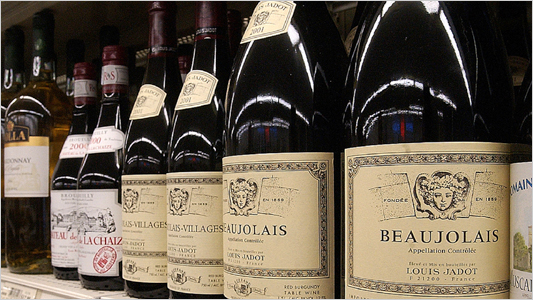
    • Beaujolais is sometimes produced via the fermentation technique known as carbonic maceration.  Because of this unique process, Beaujolais often displays aromas of banana, bubble gum, pear gummies and/or red candy.
    • Many Gamay-based wines are highly drinkable when young. However, Gamay is capable of producing age-worthy wines. The Beaujolais Crus are all good examples of age-worthy Gamay.
    • We can’t forget the very popular “nouveau” style wine made from Gamay that is intended to be consumed just a few months after harvest.  Look for Beaujolais Nouveau to be released every year on the Third Thursday of November, along with a good deal of publicity and many excellent parties.

Typical Aromas of a Gamay-based Wine:

  • Fruity:  strawberry, raspberry, cranberry, cherry, red plum, red currant, ripe pear, red apple
  • Floral:  lavender, wildflower, violet, rose 
  • Herbal: dried herbs, white pepper, crushed black pepper
  • Earthy/Mineral: wet stone, crushed rock, dried leaves, wet dirt
  • Oak-Derived: oak, cedar, vanilla, sweet spice, licorice, nutmeg
  • Sometimes found as a result of carbonic maceration: pink bubblegum, banana, pear drop, red candy

Where The Best Gamay is Grown:

  • The Beaujolais Region of France, just south of (and somewhat overlapping) the Burgundy Region.  The wines of the Beaujolais Region include Beaujolais AOC Beaujolais-Villages AOC, and the highest quality wines—the ten Beaujolais Cru. Each of the ten Beaujolais Cru has its own AOC and will be labeled with the appellation name (such as Saint-Amour, Juliénas, Chénas, and Moulin-à-Vent.
  • We can’t forget the fun-and-fruity Beaujolais Nouveau, which accounts for almost 50% of the entire output of the region.
  • It’s kind of a well-known secret, but Gamay is still permitted to be used in in certain parts of Burgundy such as the Mâconnais, and just may be surreptitiously tucked in amongst the Pinot vines—even in some of Burgundy’s higher-ranking vineyards.
  • France’s Loire Valley, particularly Anjou, Touraine, and Cheverny, where the grape may turn up in red wines, rosé, or sparkling wines.
  • The Niagara Peninsula and other parts of Ontario (Canada).
  • California grows some Gamay, but there was confusion in the past about a wine called Napa Gamay or Gamay Beaujolais.  It is now known that these wines were made from a grape known as Valdiguié, which has its own history and style.  However, you can find true Gamay in California and Oregon these days.
  • Australia and New Zealand have a bit of Gamay.

Food Affinities – Base Ingredients:

Seafood of all kinds – try Mussels, Lobster Rolls, Crab Salads, Snapper Veracruz, or fried shrimp.  This might work best with the lighter versions, but if you are looking for a red wine with seafood match, Gamay will be among your best choices.

Chicken (hot or cold), Duck, Poultry of any kind.  Try duck with cherries.

Just about anything made from Pork:  Ham, Prosciutto, Sausages, Charcuterie, Roasted Pork Loin, Pork Chops

Picnic Food, Cold Food, Cheese Plates, Sandwiches (think Prosciutto on a Baguette with a slice of Brie…)

Food Affinities – Bridge Ingredients:

  • Tomatoes, Capers, Dijon Mustard
  • White Cheeses, Sharp Cheeses such as Feta
  • Salty Foods – maybe chips and dips, pretzels and hummus?
  • Onions, Garlic, Green Bell Peppers
  • Green Olives, Black Olives
  • Mixed flavors such as an array of appetizers or finger foods

The Bubbly Professor is “Miss Jane” Nickles of Austin, Texas…


Wine Grape Cheat Sheets: Malbec

The Soundbyte:  One of Malbec’s earliest claims to fame is the spot it holds as one of the classic grape varieties approved for making red wines in the Bordeaux region of France.  Malbec was fairly widely planted in Bordeaux before a particularly harsh winter in 1956 wiped out a good majority of the vines, moat of which were never to be re-planted.  Nevertheless, Malbec is still used in Bordeaux, albeit in small amounts. Malbec can bring spiciness, deep color, ample tannin, and a particular plum-like flavor to blended red wines. These days, Malbec is best-known as the superstar of the high-altitude red wines of Argentina.  The best Malbecs can be described as mouth-filling, fruity, and sumptuous.  Worldwide, Malbec is planted in small amounts, but its popularity and acreage is on the rise.

Typical Attributes of a Malbec-based Wine:

  • Medium to full-bodied.  Malbec-based reds are known for having medium-to-high tannin and (often) a high level of dissolved solids (extract).
  • In France, Malbec is primarily used as a minor grape in the blended wines of Bordeaux and Southwest France. Outside of Europe, however, Malbec is often used in into 100% varietal wines.
  • The tannins can be a conundrum. In younger wines (or those made from less-ripe grapes), the tannins are sometimes described as tight or tightly-wound. Wines from warmer regions or riper grapes—as well as those made using certain wine making techniques (such as PFM)—can have tannins that are described as plush or ripe.
  • Malbec tends to make earthy, rustic wines.
  • Malbec-based wines tend to be very deep red or purple—opaque or almost inky—in color.
  • Malbec also makes a delightful rosé wine and…I’m beginning to see some late harvest/sweet wines made using Malbec.

Typical Aromas of a Malbec-based Wine:

Fruity:  Plum, Dark Cherry, Cooked Berries, Blackberry, Boysenberry, Raspberry, Fig, Black Currant

Floral: Violet, Lavender, Perfume (especially in wines of high altitude) 

Herbal: Fresh Herbs, Eucalyptus

Spicy:  Anise, Vanilla, Cocoa, Chocolate, Espresso, Tobacco

Sometimes from the Grape, and sometimes from Oak:  Oak, Cedar, Fresh Lumber, Mocha, Toast, Coffee, Tar

Where The Best Malbec is Grown:

  • Argentina…it especially thrives in the province of Mendoza.  Malbec is the major red varietal grape planted in Argentina.
  • In the Bordeaux region of France, where it is blended in small amounts to add spice to the Bordeaux Blend.
  • Cahors, the region in Southwest France known for making Malbec-based wines sometimes called “The Black Wine of Cahors.”
  • There is small amount grown in the Central Loire Valley of France.
  • There are some plantings in California, Washington State, Oregon and Texas— where it is made into both varietal wines and as a part of the Meritage blend.
  • You may be drinking Malbec but don’t know it; the grape goes by many aliases including Auxerrois, Côt (sounds like coat), and Pressac.

Food Affinities – Base Ingredients:

  • Beef, Lamb, Veal, Venison, Pork, Hard Cheeses

Food Affinities – Bridge Ingredients:

  • Garlic, Roasted Garlic, Onions, Mushrooms
  • Walnuts, Pecans
  • Rosemary, Thyme, Mint, Bay Leaf
  • Tomatoes, Roasted Tomatoes, Sun-dried Tomatoes
  • Cocoa, Chocolate (easy on the sweetness!)
  • Eggplant, Fennel
  • Blackberries, Currants, Figs
  • Black Pepper, Creole Spices, Chili Spices, Barbeque Flavors

Note: When it comes to food pairings, by all means—drink what you like!

The Bubbly Professor is “Miss Jane” Nickles of Austin, Texas… missjane@prodigy.net