Wine Grape Cheat Sheets: Gewürztraminer

The Soundbyte:  Simply stated, Gewürztraminer is an enigma.  It is the one wine you either love or hate.  The wine has a tendency to be a bit of a shock to the palate; and is not quite what you expected from its rather forward floral, fruit, and spicy aromas. This is not to say it is not a delightful wine; it can be a delicious wine indeed and, in my opinion, it makes a fantastic pairing partner for many otherwise hard-to-pair foods.

The French region of Alsace has seen the most success with Gewürtraminer, and the name is obviously German, but it is believed that the grape’s history began in Italy (somewhere in the Tyrollean Alps, near the village of Tramin in Alto Adige).  Like many grapes, Gewürztraminer tends to mutate based in its surroundings, so the grapes themselves may be golden yellow, light pink, or even pinkish-brown and spotted.  It also tends to be a difficult vine in the vineyard, being quite susceptible to poor fruit set, frost damage, and certain viral diseases.  However, the grapes, with their thick skins and blotchy colors, can attain very high sugar concentrations and those amazing aromas, which can lead to some pretty interesting wines!

Note: outside of Germany, the grape is typically spelled without the umlaut (Gewurztraminer); both spellings should be considered correct. 

Typical Attributes of a Gewürztraminer Based Wine:

  • The one thing that cannot be denied about Gewürtraminer is its spectacular fragrance.  Be prepared for a waft of rose petals, exotic fruits, and spicy perfume aromas that seem to leap out of the glass.
  • Gewürztraminer’s lychee-like aroma is legendary. It has even been reported that Gewürztramier and lychee share a common chemical structure responsible for the aroma. If you’ve never sniffed a lychee, go grab a can from your neighborhood grocer’s Asian Foods section and prepare to be amazed!
  • Gewürztraminer is made in many styles, from bone dry to very sweet.
  • Guard your palate and brace yourself.  Even in dry styles of the wine, Gewürztraminer’s aromas smell sweet, but the flavor can hit the palate with a bombshell of dry spice and perfume.  I’ve often compared it to eating pure ground cinnamon.  Not entirely bad, but kind of weird if you were expecting cinnamon cookies.
  • Gewürtraminer tends to be low acid, which can be problematic in some of the sweeter wines.  However, at the same time the wine tends to have a bit of bitterness to it.  This can lend a needed balance to a low-acid wine, especially those of the off-dry or sweet styles. P.S. When pairing the wine with food, remember that acidity and bitterness react to food pairings in very different ways.
  • The amazing ability of Gewürztraminer to attain high sugar levels means that dry versions of the wine can be misleadingly high in alcohol…this is a wine to watch out for!
  • Sweet versions of Gewürtraminer are made from late harvest grapes and botrytis-affected grapes.  In Alsace, these wines might be called “Vendages Tardives”or “Sélection de Grains Nobles.”
  • Gewurz also makes a very nice ice wine is made as well.

Typical Aromas of a Gewürztraminer Based Wine:

Fruity:  Pear, Lychee, Peach, Apricot, Guava, Pineapple, Passion Fruit, Mango, Grapefruit, Sultana (Golden Raisin)

Floral:  Roses, Rose Petal, Gardenia, Carnation, Jasmine, Honeysuckle, Honey, Perfume

Spicy:  Ginger, Cinnamon, Nutmeg, White Pepper, Allspice, Clove

Strange but True:  Coconut, Pond’s Cold Cream, Cheap Rose Perfume, Nivea Cream, “Cosmetics,” “Old Lady Perfume” (don’t try to deny it), Church Incense, Petroleum, Turpentine, Diesel, Gasoline

Where The Best Gewürztraminer is Grown:

  • The Alsace region of France, which many people consider to be the place where Gewurztraminer finds its perfect expression.  (Remember that there is no “ü” in Gewurz in the French language, so don’t let anybody tell you it is spelled wrong!)  In Alsace, Gewurztraminer accounts for about 20% of the vineyards, making it one of the most widely planted grapes of the area. Riesling, the number one grape, accounts for 23% of the vineyards.
  • Austria, Germany, Hungary, Switzerland, Luxembourg and many of the smaller wine producers of Eastern Europe also grow Gewürztraminer, but it may be going by any one of the following aliases:  Roter Traminer, Drumin, Pinat Cervena, Livora, Tramini, Mala Dinka, among others.
  • True to its history, the grape is still grown in the Trentino/Alto Adige areas in Italy 
  • Areas of Canada, such as Vancouver Island, The Okanagan Valley, and Ontario, as well as New York’s Finger Lakes and Long Island Wine Country 
  • The Cooler regions of Australia and New Zealand  
  • California grew a lot of Gewurztraminer back in the 1870s; a well-regarded version was produced by Charles Krug in Napa and Jacob Gundlach in Sonoma.  These days, the cooler regions of California, including Mendocino County, Monterey County and Sonoma, do quite well with small plantings of the grape.

 Food Affinities—Base Ingredients:
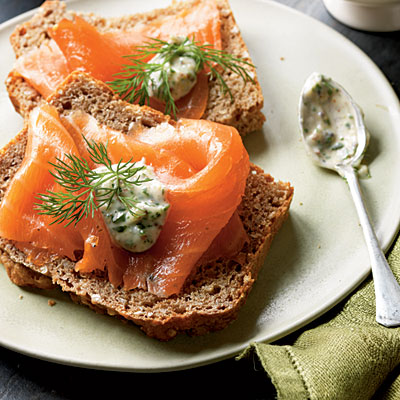
  • Crab, Mussels, Shrimp, Salmon, Smoked Salmon, Sushi, Tuna, Sturdier Fish
  • Smoked Food  
  • Pungent Cheeses, Smoked Cheeses (Roquefort, Muenster, and Gouda among the favorites)
  • Chicken, Turkey, Duck
  • Liver, Chicken Liver, Foie Gras
  • Just about anything made with Pork
  • Salami, Paté, Bacon, Pancetta, just about any type of Charcuterie

 Food Affinities—Bridge Ingredients:

  • Tropical Fruits, Orange, Lychee
  • Ginger, Fennel Seed, Cinnamon, Clove
  • Onions, Garlic
  • Smoked Gouda, Smoked Mozzarella
  • Asian Flavors, Curry, Spicy foods
    • It seems that the pungency of many foods actually cuts the pungency of Gewurz, which does not always happen in the food-and-wine world but this is a great example of a “flavor bridge” being a good thing!
  • French Onion Soup and Gewurz is one of the best food pairings on earth! Click here for My Favorite French Onion Soup Recipe.

Note: When it comes to food pairings, by all means—drink what you like!

The Bubbly Professor is “Miss Jane” of Austin, Texas…missjane@prodigy.net


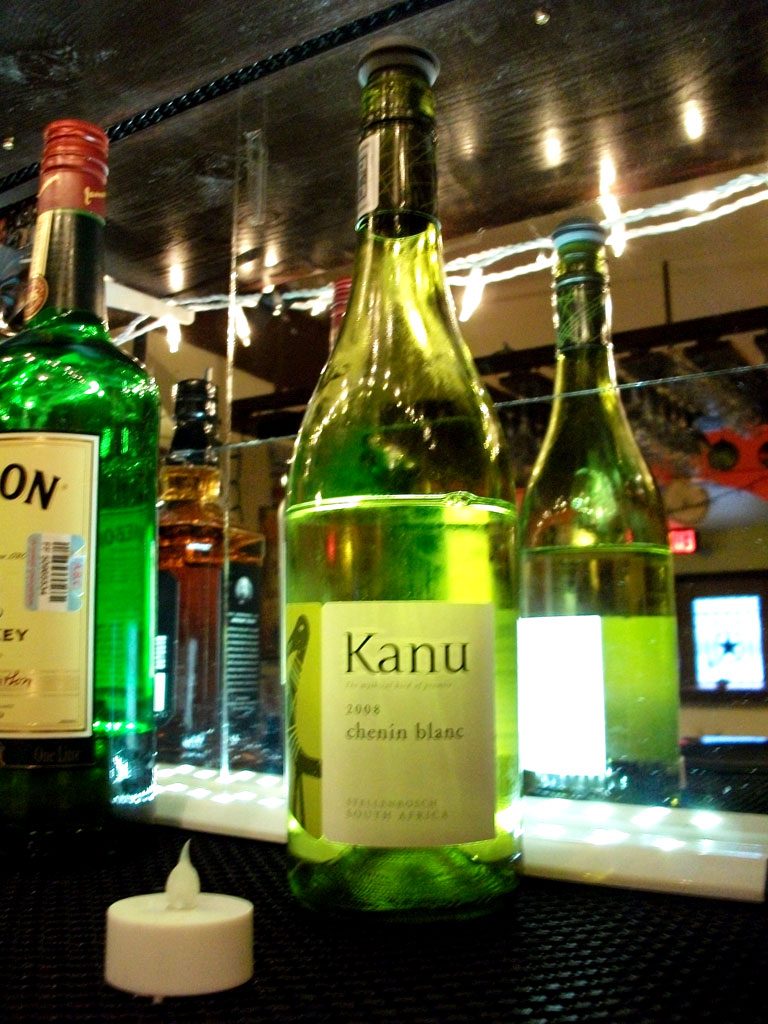
Wine Grape Cheat Sheets: Chenin Blanc

The Soundbyte:  Chenin Blanc is native to the Loire Valley Region of France and is widely grown throughout the Loire Valley. It also thrives in many other regions in Europe and beyond!

Chenin Blanc produces a fruity, floral, easy to drink white wine with clean, fresh flavors and a good zing of acidity.   However, this is no simple little white wine grape—Chenin Blanc can be made into serious, mineral-driven dry wines, traditional method sparkling wines, and decadent botrytis-affected dessert wines in addition to the well-known, and much beloved easy drinking style.

Typical Attributes of a Chenin Blanc Based Wine:

  • Typical, dry (to off-dry) Chenin Blanc wines are generally light bodied with fruity, floral, and nutty overtones. They tend to be low(er) in alcohol and easy to drink.
  • Chenin Blanc has a good deal of acidity. However, this zing is often balanced with the fruity (and sometimes sweet) flavors typical of the grape; as such, it generally comes across as a smooth, easy to drink and easy to love wine.
  • Despite its reputation for producing easy drinkers, Chenin Blanc most definitely has a serious side, as is often seen in the western/middle Loire. For example, the steely, nervy, mineral-driven wines of Savenniéres have been called “the most cerebral wines in the world.” (Imho, this means that the wine steals your attention and makes you think.)
  • Chenin Blanc’s delicate character makes it a good match for delicately flavored foods—there are few chances for the flavors of the wine and the food to clash.
  • Chenin Blanc is also made into Sparkling wines in the Loire Valley and other regions.
  • Chenin Blanc also stars as a dessert wine often produced in a late harvest or botrytis-affected style. Excellent examples of sweet Chenin are produced in the Coteaux du Layon region (in France’s Loire Valley) and South Africa.

Typical Aromas of a Chenin Blanc Based Wine:

Fruity:  Apricot, Melon, Green Apple, Green Plum, Pear, Quince, Lemon, Lime, Grapefruit, Greengage (a light green plum popular in France and England)

Floral/Herbal:  Orange Blossom, Wildflowers, Perfume, Honey, Honeysuckle, Acacia, Grass, Hay, Angelica (na herb that smells somewhat like celery, is often candied, and is used to flavor Chartreuse)

Chalk, Mineral:  Flint, Smoke, “Steely”

Nutty:  Almond, Marzipan

Where The Best Chenin Blanc is Grown:

  • The Loire Valley in France, notably the regions of Vouvray, Coteaux du Layon, Savevnnières, and Saumur.  The Loire Valley is thought to be the native home of Chenin Blanc, and it is used to make just about every type of white wine possible.  The region of Savennières produces bone-dry, steely versions, while Anjou, Montlouis, and Vouvray are made in a variety of styles from dry to sweet.  Saumur and other Loire regions produce sparkling Chenin Blanc from dry to sweet, and world-class dessert wines are the specialty of Bonnezeaux and Quarts-de-Chaume.
  • Chenin Blanc is the most widely planted white wine grape in South Africa, where for centuries it has gone by the name of “Steen.”  The grape may have been one of the original grapes planted by Jan van Riebeeck in 1655, or it may have come to South Africa with the French Huguenots who arrived a bit later.
  • California, Washington, New Mexico and several other states in the US
  • Australia, where it is often blended with Semillon, and New Zealand, where it is grown in small amounts on the North Island
  • Many other wine producing regions and countries—including the emerging regions of Israel, Brazil, Uruguay, and Mexico—have plantings of Chenin Blanc.

Food Affinities – Base Ingredients:

  • Delicately Flavored Seafood, Smoked Seafood, Shellfish
  • Chicken, other types of Poultry, Chicken Liver, Foie Gras
  • Ham, Prosciutto, Bacon
  • Goat’s Cheese
  • Crudities and Dips
  • Potato Dishes, Vegetarian Dishes
Food Affinities – Bridge Ingredients:
  • Curry, Indian Spices, Asian Spices
  • Capers, Herbs
  • Mushrooms, Avocado, Zucchini, Endive, Spinach
  • Honey (go easy on the sweetness with dry wines)
  • Almonds, Hazelnuts
  • Apricot, Melon, Apple

Note: When it comes to food pairings, by all means—drink what you like!

The Bubbly Professor is “Miss Jane” Nickles of Austin, Texas


Wine Grape Cheat Sheets: Chardonnay

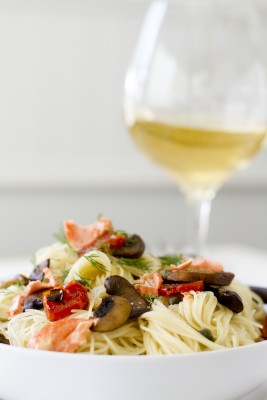
Chardonnay Salmon PastaThe Soundbyte:  Chardonnay may very well be the world’s most widely recognized white grape variety.  It was very likely the first wine you ever heard of, and what you will most likely be served if you order a glass of “white wine” at a cocktail party.  The grape itself is quite neutral, but can be transformed via wine making magic into an oak-infused butter bomb, a crisp, citrus-and-mineral balancing act, or even Champagne!  There’s a lot to be said about the chameleon-like grape known as Chardonnay!

Typical Attributes of a Chardonnay-Based Wine:

  • Creamy, complex, high alcohol and lush flavors.
  • The fruity aromas wary widely depending on the climate.
  • The grape itself can be called “delicate” in aroma and flavors, but Chardonnay is very susceptible to the influence of the winemaker. As such, this naturally neutral grape can be laden with aromas and flavors of oak, butter, cream, yeast, and vanilla—among others—during the processes of production and aging.
  • Typical attributes of a European (sometimes called Chablis Style) Chardonnay: crisp, medium-bodied, terroir-driven, fruity, and mineral
  • Typical attributes of a New World (sometimes called California Style) Chardonnay:  full-bodied, highly alcoholic, likely oak-aged, and (often) buttery
  • Chardonnay is also used in Sparkling wines, including Champagne, Franciacorta, and many sparkling wines from California, Oregon, Australia, and South Africa

Typical Aromas of a Chardonnay-Based Wine:

  • Fruity:  Green Apple, Red Apple, Baked Apple, Pear, Peach, Apricot, Pineapple and Other Tropical Fruits, Citrus:  Lemon, Lime, Orange
  • Caramel: Honey, Butterscotch, Caramel, Brown Sugar
  • Nutty: Hazelnut, Toasted Hazelnut, Walnut
  • Yeast-Derived: Toast, Baked Bread, Oatmeal, Popcorn
  • Butter (from malo-lactic fermentation…of course!)
  • Mineral: Flint, Wet Stone, Wet Sand
  • Oak-Derived: Vanilla, Coconut, Sweet Wood, Oak, Smoke, Toast, Tar

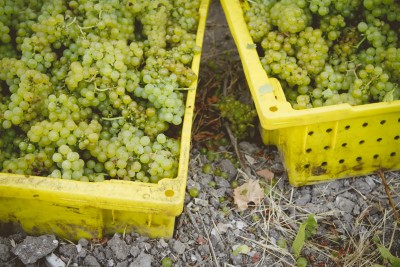
Chardonnay HarvestWhere Chardonnay is Grown:

  • The Burgundy Region of France, notably Côte de Beaune, Chablis, Côte Chalonnaise, and Mâconnais
  • The Champagne Region of France
  • Other regions of France such as Alsace (where it is only allowed to be used in sparkling wines) and the Languedoc-Roussillon
  • California, where it is grown in many diverse regions and produces a wide range of styles
  • Oregon, where it shines in both still wines and sparklers
  • Australia, where it is a leading white wine grape
  • New Zealand, where it is the #2 white wine grape after Sauvignon Blanc
  • The cooler regions of Chile
  • Franciacorta and other regions in Italy
  • Canada, including Ontario, Quebec, and British Columbia
  • And…almost anywhere wine is grown!

Food Affinities – Base Ingredients:

  • Seafood of all kinds
  • Crab Cakes, Lobster, Shrimp dripping with butter and garlic…
  • Chicken, Turkey, Game Hen, Duck
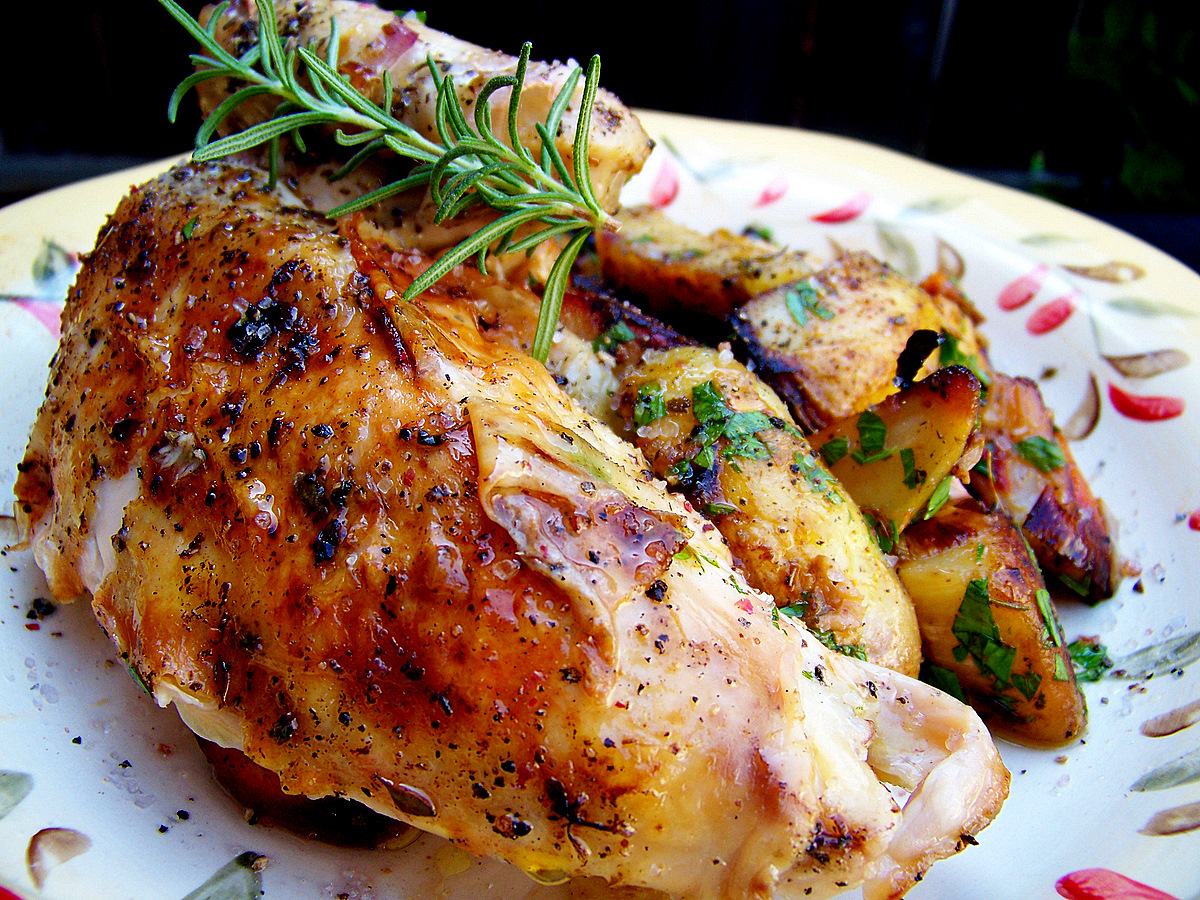
  • Roast Chicken…Roast Chicken…Roast Chicken
  • Veal, Pork…Beef.  (About that beef…be careful with the preparation. As certainly as the heavier bodied white wines, including Chardonnay, can pair with beef, that does not mean that it is a good substitute for red wine in every case.   Keep your dishes plain and simple, seasoned with herbs, mushrooms, or grilled onions.  Unless you want to hurt someone, avoid Texas Chainsaw Barbeque Sauce and other condiments that are over-the-top rich and heavy in flavor, texture, sweetness, or spiciness with Chardonnay. Trust me on this one.)

 Roasted Chicken for ChardonnayFood Affinities – Bridge Ingredients:

  • Corn, Pumpkin, Squash, Polenta
  • Tarragon, Basil, Thyme, Oregano and other fresh herbs
  • Soft cheeses such as Brie or Camembert (especially good with unoaked versions)
  • Semi-firm cheeses such as Havarti, Monterey Jack, Muenster and Gouda. Smoked versions of Gouda are especially good.
  • Firm cheese such as Swiss, Emmentaler, Gruyère, Manchego, and Jarlsberg
  • Nutmeg, Cinnamon, and Allspice (but resist the temptation to go sweet…think savory…savory…savory…)
  • Hazelnuts, Cashews, Walnuts, Pecans, Coconut (savory…savory…savory…)
  • Butter, Brown Butter, Cream, Sour Cream, Olive Oil
  • Bacon, Ham, and other cured pork products
  • Mushrooms, Onions, Garlic
  • Dijon Mustard (think about it…where is the town of Dijon?  hmmmm….)

Note: When it comes to food pairings, by all means—drink what you like!

The Bubbly Professor is…”Miss Jane” Nickles of Austin, Texas   missjane@prodigy.net

Wine Grape Cheat Sheets: Sémillon

The Soundbyte: Sémillon is a golden-skinned white wine grape known primarily for its close association with Sauvignon Blanc, as exemplified by the Sauvignon/Sémillon blends of Bordeaux and its many imitators worldwide.  However, Sémillon is increasingly seen as a stand-alone variety—particularly in the Hunter Valley Region of Australia, where it seems to have found its second home.  Sémillon has a well-documented susceptibility to Botrytis and is often made into dessert wines.  It is the most widely planted white wine grape in Bordeaux, particularly in and around Sauternes (the most famous of the botrytis-affected wines of France).  As a matter of fact, the most famous Sauternes of them all—Château d’Yquem—is reportedly 80% Sémillon in most years.

Note: outside of France, the grape is often spelled without the accent on the e (Semillon). Both spellings should be considered correct. 

Typical Attributes of a Sémillon Based Wine:

  • The grapes are hardy in the vineyard and relatively easy to cultivate.  They are fairly resistant to disease, but as luck would have it, are quite susceptible to Botrytis.
  • Sémillon tends to have moderate acidity, which is most likely why it became the world’s best blending partner for Sauvignon Blanc, which tends to scream with acidity.
  • Sémillon tends to have good extract, and a rich, somewhat oily texture or weight—this may be referred to as a waxy character.
  • Varietal Sémillon tends to have medium to high levels of alcohol.
  • Sémillon tends to be low on aromatics when made into a varietal, which is another reason why it does so well with the intensely aromatic Sauvignon Blanc. 
  • Sémillon-based wines are sometimes described as rather “bland” in their youth, but this is one of the rare white wines that can transform with age.  Older versions can take on a hazelnut, toasty richness. Oak aging also helps create a more complex wine and—along with malolactic fermentation—can encourage aromas of butter, cream, vanilla and smoke.
  • An interesting wine-tasting term that is often used to describe Sémillon is lanolin, which is actually a substance found in wool and used in cosmetics (!).  In winespeak the term refers to a smooth, creamy impression that might be considered to opposite of tart or sharp. 

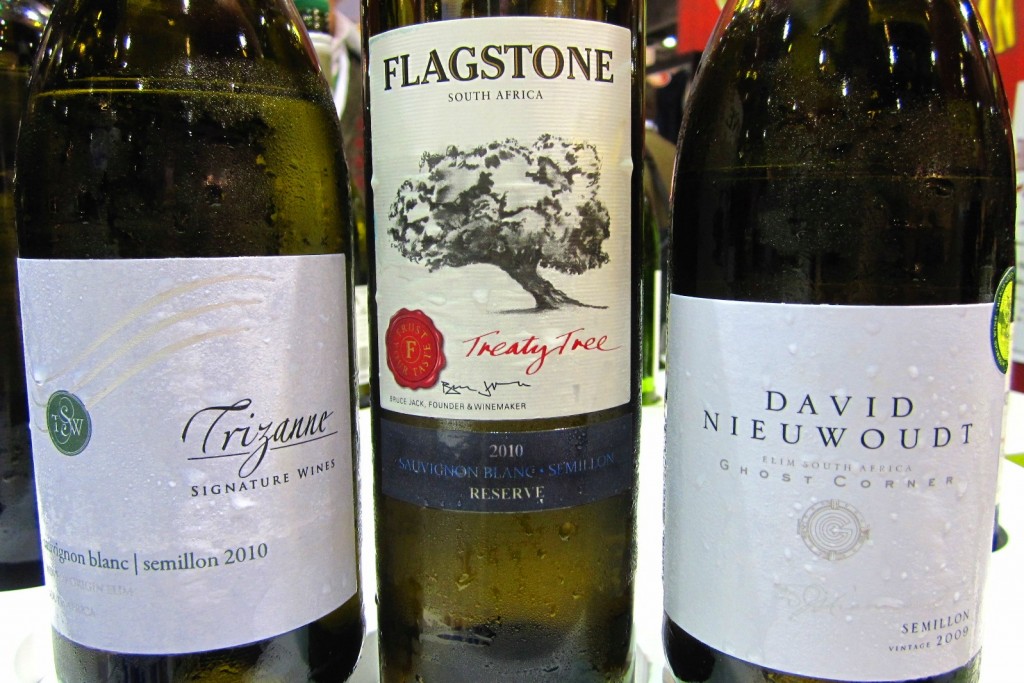
semillon bottlesTypical Aromas of a Sémillon Based Wine:

Fruity:  Apple, Pear, Lemon, Nectarine, Grapefruit, Melon, Fig, Date  

Herbal/Spicy:  Saffron, Vanilla, Dried Herb

Vegetal:  Green Grass, Asparagus, Bell Pepper 

Botrytis-affected Versions:  Apricot, Dried Apricot, Quince, Peach, Honey, Pineapple, Vanilla, Butterscotch, Curry

Oaked Versions:  Vanilla, Sweet Wood, Toast, Smoke, Oak, Coconut

Where The Best Sémillon is Grown:

  • The Southwest of France, particularly Bordeaux, where it most likely has its native home.  Sémillon is the most widely planted white grape in Bordeaux, particularly in Sauternes where it may claim up to 80% of the vineyard property.  Of course, it shares the white Bordeaux blend with Sauvignon Blanc and sometimes a dash of Muscadelle, so it has remained somewhat out of the spotlight. But be sure…Sémillon rules the white Bordeaux world.
  • Australia’s Hunter Valley, which has become Sémillon’s adopted home in much the same way that Malbec has taken to Mendoza. Hunter Valley is a leading producer of 100% varietal Sémillon.
  • In other parts of Australia, Sémillon is used as a blending partner for Chardonnay as well as in Bordeaux-inspired Sémillon-Sauvignon Blends.
  • The Côtes de Gascogne—an IGP/Vin de Pays area in the Armagnac region, is heavily planted to Sémillon.
  • The Loire Valley has a smattering of Sémillon, as does Portugal, Israel, Argentina, Chile, California, Washington State, New Zealand, and South Africa.

semillonFood Affinities – Base Ingredients:

  • Roast Chicken with Herbs!
  • Seafood of all kinds…try Classic French Steamed Mussels
  • Poultry, Duck, Veal, Pork…

Food Affinities – Bridge Ingredients:

  • Corn, Pumpkin, Squash, Polenta
  • Coconut, Apples, Pears, Pineapple
  • Nutmeg, Saffron
  • Hazelnuts, Cashews, Walnuts, Pecans
  • Bacon, Mushrooms, Sweet Onions, Garlic
  • Lemon and Grapefruit make excellent flavor bridges, but try not to overdo it on the acidity (remember, this is a low-acid wine)
  • Tarragon, Basil, Thyme, Lemongrass, Basil, Rosemary, Fresh herbs of all kinds
  • Butter, Brown Butter, Cream, Sour Cream, Olive Oil

If your Sémillon-based wine is more “Sauvignon” than “Sémillon” – check out the food pairing advice on the Cheat Sheet for Sauvignon Blanc.

If your Sémillon is botrytis-affected, it will go well with sweet dishes made with honey, cream, apricots, apples, and pears—in addition to pairing beautifully with savory dishes such as blue cheese and foie gras!

Note: When it comes to food pairings, by all means—drink what you like!

The Bubbly Professor is “Miss Jane” of Austin, Texas...missjane@prodigy.net


Wine Grape Cheat Sheets: Viognier

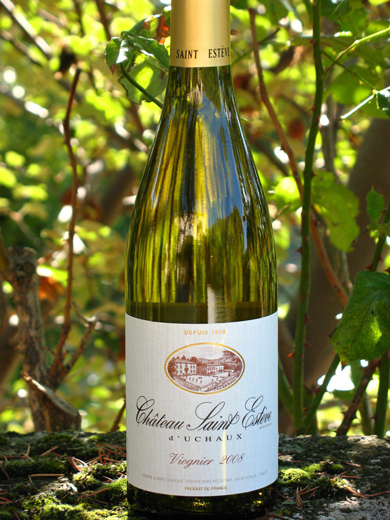
The Soundbyte:  Just a generation ago, Viognier was close to extinction. These days, this richly scented white grape has made a full recovery in terms of fame, popularity, and acreage. Viognier makes unique white wines that will bowl you over with their outrageous floral aromas and peach-pear-apricot fruit flavors. While Viognier will beguile you with its gorgeous scent and yellow-gold hue—make no mistake, this wine can pack a punch in terms of body, flavor, and alcohol. Proceed with caution!

Typical Attributes of a Viognier-Based Wine:

  • Intriguing floral scent combined with apricot, peach, and pear aromas
  • Rich fruit flavors (tree fruit, tropical fruit, ripe citrus) and a creamy mouthfeel
  • Even without oak aging, Viognier can be as full-bodied as an oaky Chardonnay
  • Deep golden color
  • Rich and over-the-top intense in flavor
  • Very often, this tips the scales for high alcohol (in the context of a white wine), although the overall richness of the wine often masks the perception of the heat of the alcohol content
  • Viognier is quite low in acid, but it may contain a bit of a bite of bitterness on the finish
  • The typical low acid often comes across as smooth and velvety on the palate
  • I have had a few late-harvest dessert wines made from Viognier, and they are delicious!

Typical Aromas of a Viognier-Based Wine:

Fruity:  Apricot, Over-ripe Apricot, Mango, Pineapple, Ripe Citrus (Tangerine, Mandarin Orange), Apple, Pear, Peach

Floral:  Honey, Acacia, Orange Blossom, Violet, Honeysuckle, Wildflowers

Spicy:  Anise, Clove, Cinnamon, Nutmeg, Vanilla

Herbal:  Mown Hay, Tobacco, Mint

Butter, Cream

Where the Best Viognier is Grown:

  • The Northern Rhône appellations of Condrieu and Chateau-Grillet produce amazing white wines from 100% Viognier.
  • In the Southern Rhône and throughout the south of France, Viognier may be produced as a single-variety wine or used in an eclectic “white Rhône blend” alongside Marsanne, Roussanne, Piquepoul, and/or Muscat (among others)
  • Also in the Southern Rhône (and elsewhere), Viognier is known to be used in teeny-tiny amounts to add fragrance and a soft side to the red G-S-M or Syrah-based wines of the Rhône.  Even if you wouldn’t know it from looking at the label, a red Southern Rhône blend may contain up to 10% Viognier in the mix.
  • California, particularly the warmer regions such as Lodi and the Sierra Foothills.
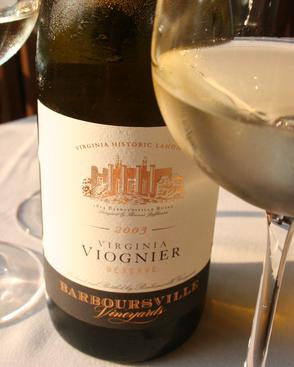
  • The State of Virginia is beginning to make some excellent Viognier, and Texas makes some nice versions as well!
  • Australia makes some excellent versions.
  • Plantings in France’s Languedoc, Roussillon, and Provence regions are expanding.

Food Affinities – Base Ingredients:

  • Pungent Cheeses
  • Crab, Mussels, Shrimp, Salmon, Smoked Salmon
  • Smoked Food, Poultry, Turkey, Pork

Food Affinities – Bridge Ingredients:

  • Curry, Ginger, Clove, Cinnamon
  • Sweet Onions, Garlic, Coconut, Honey
  • Herbs, Corn, Polenta, Walnuts, Hazelnuts
  • Butter, Cream, Fresh Cheeses

Note: When it comes to food pairings, by all means—drink what you like!

Wine Grape Cheat Sheets: Riesling

The Soundbyte: Often misunderstood due to those overly sweet, bright blue-and-pink bottles resting on the bottom shelf at the supermarket, Riesling is one of the leading white wine grapes in the world.  Riesling produces some of the finest, most complex, and longest-lasting white wines in the world.  It is considered to be native to Germany, where its cultivation can be traced back thousands of years.

The Riesling grape is renowned for its ability to walk a tight rope balancing act in its combination of sugar and acid, resulting in wines that somehow manage to be both delicate and complex.  As for the pronunciation of the name, in order to say it correctly—REE-sling—you have to smile!

Typical Attributes of a Riesling Based Wine:

  • Riesling has the amazing ability to be both very fruity and very acidic at the same time.
  • Riesling’s acidic backbone and complex, balanced flavors give it the ability to age (when produced in an age-worthy style).
  • The greatest Riesling vines in the world are grown in cool growing regions and often made into dry white wines renowned for their bracing acidity. Terms like steely, nervy, racy, tongue-curling, zingy, and precise come to mind as good ways to describe the potential acidity of a Riesling in all its glory.
  • Despite my devotion to the dry Rieslings of the world, it is true that much of the Riesling you may find on the shelf does indeed have a degree of residual sugar. This sweetness may or may not be detectable due to the balancing acidity in the wine.

In a German or Austrian wine, the term Kabinett on the label indicates a low level of ripeness at harvest. The terms Auslese and Spätlese refer to grapes with a higher level of sugar at harvest—these wines may be dry, or they may contain a small degree of residual sugar (this depends on the winemaking process).

Dessert wines made from Riesling have their place among the best dessert wines in the world.  Such wines may be labeled as Late Harvest Riesling, Botrytis-affected Riesling, and Riesling Ice Wine.  German-speaking regions may refer to these wines using terms such as Beerenauslese,  Trockenbeerenauslese, or Eiswein.

Typical Aromas of a Riesling Based Wine:

Fruity:  Peach, Dried Peaches, Apricot, Apple, Green Apple, Baked Apple, Pear, Orange, Orange Peel, Lime

Floral:  Jasmine, Rose, Orchid, Juniper, Honey, Perfume, Wildflowers, Orange Blossom, Lime Blossom

Mineral:  Flinty, Steely, Wet Stones, Chalk, Ozone (the scent of the air after a rainstorm)

Chemical:  Petrol, Gasoline, Rubber Bands, Varnish, Wet Paint, Paint Remover

Late Harvest Riesling and Riesling Ice Wine (Eiswein) can take these aromas to the extreme…I’ve found that the lime aromas transform into a quick scent of pickle juice or green olives (sounds weird, I know, but give it a try). Sweet Riesling may evoke the aromas of dried peaches rubbed on a wet stone.  Just try it for yourself!

Where the Best Riesling is Grown:

  • Riesling is native to Germany and grown throughout Germany’s wine regions.
  • Austria
  • The Alsace Region of France.
  • California, Oregon, Washington State (Bubbly Prof really likes the Washington State Rieslings)
  • New York State’s Finger Lake Region
  • Canada, especially the Niagara Peninsula
  • The cooler regions of Australia such as the Eden Valley and the Clare Valley

Food Affinities – Base Ingredients:

  • Sushi…it’s the best match in town so I had to list it first.  It’s crave-worthy.
  • Seafood of all kinds
  • Smoked Seafood – Smoked Salmon and Riesling would be my “last meal” request.
  • Chicken (and poultry of any kind)
  • Ham, Pork, Prosciutto, Sausages
  • Asian Flavors, Indian Flavors—Riesling loves the salt, the spice, and even the heat.

 Bridge Ingredients:

  • Jalapeno Peppers, Wasabi – Bubbly Prof says any type of “green heat” is fabulous with Riesling.
  • Cilantro, Lemon Grass, Fresh herbs of any kind
  • Orange, Orange Zest, Lemon, Lime
  • Avocado, Corn, Leeks, Sweet Onions, Tomatoes, Sun-dried Tomatoes
  • Bacon, Pancetta, Green Olives, Capers
  • Ginger, Curry, Cinnamon, Nutmeg, Allspice, Soy Sauce, Salty condiments

Note: When it comes to food pairings, by all means—drink what you like!

The Bubbly Professor is “Miss Jane” Nickles of Austin, Texas


Wine Grape Cheat Sheets: Sauvignon Blanc

Sauvignon Blanc—the Soundbyte: Sauvignon Blanc is one of the world’s major white wine grape varieties, celebrated for its distinctive aromas and bracing acidity.  Its crisp acidic backbone makes it one of the most food-friendly of all table wines.  Sauvignon Blanc is a highly aromatic white wine, and its distinctive aromas can vary greatly depending on terroir and winemaking.  While generally thought of as a single-varietal or blended dry white wine, Sauvignon Blanc is also used to craft luscious dessert wines.

Typical Attributes of a Sauvignon Blanc-Based Wine:

  • Sauvignon Blanc can be made in a variety of styles, based primarily on fermentation techniques and whether or not the wine is blended or oak aged.
  • Botrytis-affected and late harvest Sauvignon Blanc can be used to produce very sweet, complex dessert wines.
  • Lighter style, dry Sauvignon Blancs are generally stainless steel fermented and aged only briefly (if at all) in stainless steel.
    • The typical attributes of this lighter style wine are: light-to-medium bodied, crisp (quite acidic), delicate, steely, precise, and fruity.
  • The richer style, sometimes called Fumé Blanc in the New World, is often oak-fermented, sur lie aged, and sometimes oak barrel aged.
    • The attributes of this richer style include: medium bodied, rich, complex, smoother, and sometimes showing oak-derived complexity.
  • Sauvignon Blanc is often blended with Sémillon in order to add complexity and tone down its usual razor-sharp acidity.  This style was pioneered in the white wines of Bordeaux.

Typical Aromas of a Sauvignon Blanc-Based Wine:

Fruity:  Green Apple, Apricot, Lime, Lemon, Green Plum, Melon, Pear, Grapefruit, Pineapple, Gooseberry, Kiwi, Papaya

Herbal/Vegetative: Cut Green Grass, Green Bell Pepper, Asparagus, Fennel, Herbs, Lemon Grass, Hay, Straw, Wildflowers

Mineral:  Wet Sand, Wet Stone, Riverbank, Ozone, Fresh Rain (Petrichor)

Chemical:  Ammonia, sometimes referred to as “pipi du chat”

Dessert Wine Styles of Sauvignon Blanc can display aromas of honey, dried apricot, peaches, nutmeg and even curry…botrytis-affected wines will have that inimitable “earthy edge”!

Where The Best Sauvignon Blanc is Grown:

  • The Bordeaux Region of France, notably Graves and Entre-deux-Mers
  • The Loire Valley Region of France, notably Pouilly-Fumé and Sancerre
  • California’s Napa and Sonoma Regions
  • New Zealand, notably the Marlborough Region
  • South Africa, particularly Stellenbosch
  • The cooler regions of Chile and Argentina
  • Australia, notably The Adelaide Hills Region

Food Affinities – Base Ingredients:

  • Raw Shellfish
  • Seafood of all kinds
  • Chicken
  • Acidic Sauces
  • Tomatoes
  • Salads, Vinaigrettes
  • Vegetarian Dishes
  • Avocado
  • Asparagus

Food Affinities – Bridge Ingredients/Flavor Bridges:

  • Citrus
  • Fennel, Bell Pepper, Eggplant, Zucchini
  • Herbs, Mushrooms, Garlic
  • Dijon Mustard
  • Capers, Green Olives
  • Prosciutto
  • Feta Cheese, Goat Cheese

Note: When it comes to food pairings, by all means—drink what you like!

The Bubbly Professor is “Miss Jane” Nickles of Austin, Texas…


Wine Grape Cheat Sheets – Pinot Gris

Pinot Gris—the Soundbyte: Pinot Gris, known to most of the world as the delightful Italian Wine called Pinot Grigio, is renowned for its crisp, fruity, and vaguely floral wines from Northern Italy.  The variety known as Pinot Grigio is the “same grape-different name” as the grape variety Pinot Gris and goes by many other aliases as well.  Pinot Gris (aka Grigio) is successfully grown in France, Germany, Austria, Switzerland, Hungary, Oregon, and California. Its popularity is every-expanding and new plantings seem to know no bounds. The grape acquired the name Pinot Gris (Grey Pinot) in France due to its grayish-white fruit. It is believed to be a natural mutation of Pinot Noir.

Typical Attributes of a Pinot Gris/Pinot Grigio-Based Wine:

  • Light to medium bodied
  • Almost always fruity—lemon-lime-citrus aromas are common in those from Italy, while Alsace, California, Oregon (and several other spots) tend to produce wines with slightly richer, tropical fruit-tree fruit aromas (such as apricot and pear).
  • Very often stainless steel cold fermented.
  • Generally crisp, acidic, and refreshing.
  • Italian Pinot Grigio is often described as Sauvignon Blanc without the grassy overtones.
  • Pinot Gris from Alsace and Oregon tends to have a bit more body and be a tad smoother than those produced in the Italian style. Such wines are often compared to unoaked Chardonnay. (The Bubbly Professor agrees with this comparison, but thinks that Pinot Gris has a “waxier, creamier and smoother” style than some Chardonnay.)
  • A late harvest (potentially sweet) wine called “Vendage Tardive” is made from Pinot Gris in the French Region of Alsace. Sweet Pinot Gris-based wines are also produced in Oregon and California; these might be labeled as late harvest and or vin de glacerie.

Typical Aromas of a Pinot Gris/Pinot Grigio-Based Wine:

  • Fruity: Citrus (Lemon, Lime, Tangerine), Peach, Dried Peach, Apricot, Fresh-cut Pears, Green Apple, Melon, Tropical Fruit, Kiwi, Mango
  • Floral: Wildflowers, Blossoms, Honey
  • Herbal: Thyme, Oregano, Lemongrass
  • Mineral: Wet Stones, Wet Sand
  • Nutty

Where The Best Pinot Gris/Pinot Grigio is Grown:

  • Italy, especially in the Northern Regions of Veneto, Friuli-Venezia Giulia, and Trentino-Alto Adige
  • Alsace
  • The cooler wine growing regions of Europe such as Germany, Austria, and Switzerland.
  • California, especially Napa and Santa Barbara
  • Oregon, where it shines!

Food Affinities – Base Ingredients:

  • Seafood, Smoked Seafood, Seafood Salads
  • Poultry
  • Veal
  • Vegetarian Dishes
  • Fried Foods such as fried calamari, fried clams, and fried zucchini

Food Affinities – Bridge Ingredients:

  • Tomatoes, Mushrooms, Zucchini, Hors d’oeurves
  • Cream Sauces, Sour Cream
  • Citrus, Subtle Vinaigrettes, Capers, Green Olives
  • Basil, Tarragon, and just about all Herbs
  • Bell Peppers, Roasted Fennel, Garlic, Onions, Shallots
  • Toasted Pine Nuts
  • Ricotta Cheese, Mozzarella Cheese

Note: when it comes to food pairings, by all means, drink what you like!

The Bubbly Professor is “Miss Jane” Nickles of Austin, Texas