Five Fast Facts about the Calatayud DO

Unless you are a true wine geek (and I certainly consider myself one), you may have never heard of the Calatayud Denominación de Origen (DO)—fair enough. However, I have been seeing more of these wines on the shelf at my local liquor hangout, so I thought that it was a good time to introduce…Five Fast Facts about Spain’s Calatayud DO!

#1: It’s in Aragón—a region that is not really well-known for fine wine. Tucked just beneath the Pyrenees and inland of Catalonia, the area has a great history (in Medieval times, it was its own kingdom), amazing topography (it is home to the highest mountain in the Pyrenees and crisscrossed by the Ebro River), and incredible cities (visit Zaragoza and tour the Cathedral-Basilica of Our Lady of the Pillar). While the area does produce wine, none of the appellations are that well-known. Trust me on this one (or read fast fact #2, below).

#2: Calatayud is one of just four DOs located within Aragón. The Somontano DO—home to some delicious, Garnacha-based rosés and well as some nice varietal reds—is located in the north of the area. Two smaller areas, Campo de Borja and Cariñena, are—along with Calatayud—located and south of the Ebro River Valley. All of these appellations are approved for a long list of wine types and styles—from solid reds to light rosé and white…even sparkling and dessert wines.

#3: The Calatayud DO specializes in big red wines…mainly Garnacha and Garnacha-based blends. This hot, dry, hilly region is a challenging place for agriculture…but Garnacha thrives in areas such as these. Garnacha accounts for just over 75% of the area’s nearly 9,000 acres of vines. Other red grapes—such as Tempranillo and Mazuelo—also thrive in the region and are often part of the Calatayud Tinto blend. (Note: Garnacha is the Spanish name for the grape otherwise known as Grenache.)
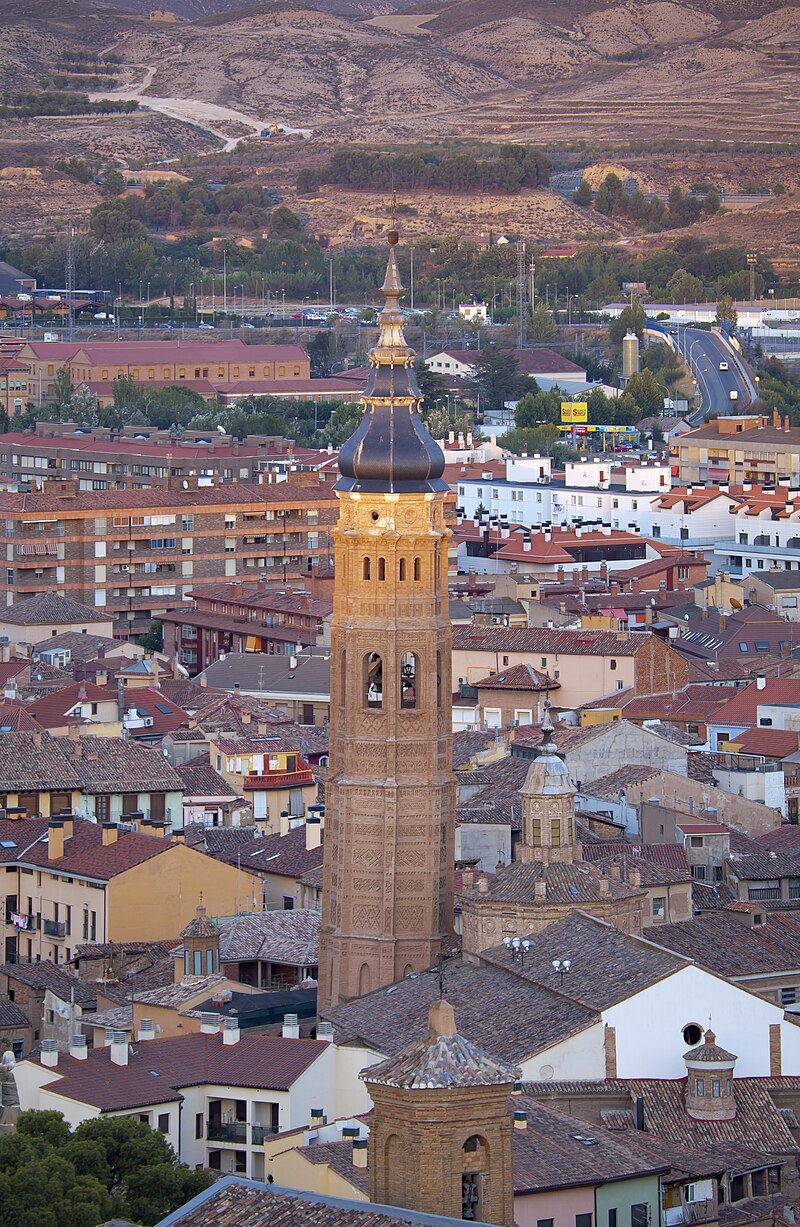
Photo of the bell tower at the Colegiata de Santa Maria la Mayor by Diego Delso, via Wikimedia Commons

#4: Like the other DOs of Aragón, the Calatayud DO is approved for the production of a long list of wine styles. Tinto (red), rosado (rosé) and blanco (white) may be produced in a range of sweetness levels ranging from bone-dry to super sweet; the terms used for these range from seco (dry) to semiseco, semidulce, and dulce (sweet). Fortified wines—known as vino de licor—may be produced using Garnacha, Macabeo or Moscatel (Muscat). Sparkling wines—vino espumoso—and Spain’s unique, slightly fizzy vino de aguja are also produced in Calatayud.

#5: The Calatayud DO is situated somewhat between the far-more-famous appellations of Priorat (about 150 miles to the east) and Rioja (about 150 miles to the east). The appellation is named after the tiny city of Calatayud, known for its 15th century Mudéjar bell tower on the grounds of the Colegiata de Santa Maria la Mayor (Collegiate Church of Santa Maria)—the tallest in the region.

References/for more information:

The Bubbly Professor is “Miss Jane” Nickles of San Marcos, Texas… missjane@prodigy.net

Five Fast Facts about the Margaret River Region

Vineyards in the Margaret River Region

The Margaret River is many things. It’s a town! It’s a river! It’s a wine region!

Here at the Bubbly Professor, we are mostly interested in the wine region, but the region (of course) is shaped by the river. It’s a fascinating spot, so let’s explore five fast facts about Australia’s Margaret River wine region.

#1: Look to the far west of Western Australia. The Margaret River Region is located in the far west of Western Australia. It consists of a long, narrow stretch of land (about 60 miles/96 km from north to south) jutting out from the Australian landmass, surrounded on three sides by the waters of the Indian Ocean. Its namesake—the town of Margaret River—is pretty much a surfing town (it was featured in the 60s surfing flick Endless Summer) and is home to just over 6,000 permanent residents. To reach the town (and the wine region) you will need to drive about 170 miles/275 km south from Perth—the nearest city—and as such, many people describe Margaret River as “the most geographically isolated wine region on earth.”

Wine map of Western Australia via WineAustralia

#2: The Margaret River runs through it. The Margaret River—just 37 miles/60 km long—flows from its source in the Whicher Range across the Margaret River Plateau until it meets the Indian Ocean. The Whicher Range is not too tall (the average height of the hills is just 558 feet/170 m above sea level), and the typically calm river changes its character with the seasons as the volume of water varies and causes the banks to expand and contract. The point where the river meets the sea—River Mouth Beach—is an interesting spot, as the calm river waters meet the wild, surf-worthy waves of the West Australia Coast.

#3: It’s young—at least for a wine region. Commercial viticulture did not arrive in the area until the 1960s, when several people—notably Dr. Tom Cullity, a Perth cardiologist influenced by a paper written by Dr. John Gladstones of the University of Western Australia—took note. Dr. Cullity planted vines that would become the Vasse Felix Winery—often called Margaret River’s founding winery—in 1967. Other endeavors soon followed, including Moss Wood (1969), Cape Mentelle (1970), Cullen Wines (1971), and Leeuwin Estate Winery (in 1973).

Cape Leeuwin

#4: Its more maritime than most. The area is greatly influenced by the surrounding ocean—and has what n described as “the most marked maritime climate of any region in Australia in terms of rainfall.” The area enjoys an average of 1,000 mm (almost 40 inches, about the same as Seattle, Washington) of rain a year. Other aspects of the climate are, however, a tad more Mediterranean—with most of the rain falling during the winter, followed by a warm, dry summer and little chance of frost or freezing temperatures.

Other aspects that contribute to the local terroir include the latitude—the area is situated comfortably within the temperate zone of the Southern Hemisphere at 33.5°S—and the region’s relatively low elevations (the average is just 131—744 feet/ 40–227 m above sea level). Soils include well-drained red loam topsoil dotted with gravel atop gneiss, schist, and granite-based sub-soils.

#5: In terms of grapes, it’s more Bordeaux than Barossa. The top three grape varieties in the Margaret River—Sauvignon Blanc, Cabernet Sauvignon, and Semillon—hail from Bordeaux. As is typical of Bordeaux, many of these grapes make their way into blends, including Sauvignon Blanc/Semillon and Cabernet Sauvignon/Merlot. Also noteworthy is that Margaret River is one of the few regions in Australia (in addition to the far more famous Hunter Valley) with a focus on Semillon. As for those grape varieties considered more typical of Australia: Chardonnay makes a good show in the Margaret River Region (by most accounts, it is the fourth-most-widely grown grape). Shiraz, however, only takes up just 13% of the total acreage (compared to 27% country-wide).

The area of Western Australia has been inhabited for over 50,000 years. Its first inhabitants—the Wadandi people—are considered the traditional owners of the land, collectively known as Wadandi Boodja, meaning Saltwater People’s Country.

References/for more information:

The Bubbly Professor is “Miss Jane” Nickles of Austin, Texas… missjane@prodigy.net

Five Fast Facts about the Bay of Biscay

Biarritz (France)

If you are a wine student who has studied Bordeaux, you’ve heard of the Bay of Biscay. If you have dreamed of traveling to the resort town of Biarritz, you’ve heard of the Bay of Biscay.  If you are a sailor who likes a challenge, you’ve heard of the Bay of Biscay. If you are interested in learning more, read on for five fast facts about the Bay of Biscay!

#1: The name and the place: The Bay of Biscay is a portion of the Atlantic Ocean located off the west coast of France and the northern coast of Spain. It stretches from Point Penmarch (a small peninsula in Brittany’s Finistère department) in the north to Cape Ortegal (a headland on the shores of A Coruña, Galicia) in the south. It is named for the province of Biscay—a sub-region of Basque Autonomous Community of Spain (Comunidad Autónoma del País Vasco).

If you sailed from Point Penmarch to Cape Ortegal (you might want to consult item #5 before doing so), you would cover 360 miles/580km; if you drove the coast, you would cover 914 miles/1,475 km and pass through the cities of Nantes, Bordeaux, Bayonne, San Sebastian, and Bilbao.

#2: It’s a bay…it’s a gulf…it’s a sea: The term Bay of Biscay is used mostly by English Speakers. In France, this area is known as the Golfe de Gascogne (Gulf of Gascony), and many Spanish speakers know it as the Golfo de Vizcaya (Gulf of Biscay/Vizcaya). In Spain, the waters just off the coast of Northern Spain (stretching east to the French city of Bayonne) are known as the Mar Cantábrico (Cantabrian Sea).

  • For the geo-curious: Terms such as bay, gulf, and sea are loosely defined. However, according to the National Geographic Education Resource Library:
    • A bay is any body of water partially surrounded by land.
    • A gulf is a portion of the ocean that penetrates land. (As such, the terms bay and gulf are largely interchangeable.) While there are some exceptions (such as the Bay of Bengal), in common use a gulf is larger than a bay.
    • Sea is a broad term that may be applied to more than 50 different types of water formations; this term is typically reserved for bodies of salt water.

#3: The Rennell Current: Several ocean currents flow through the Bay of Biscay, all of which are considered branches of the Gulf Stream. The Gulf Stream—named for its source (the Gulf of Mexico, at 20°N)—carries warm water northward and eventually reaches the northern coast of Europe. The portion of the current flowing closest to the coast in the Bay of Biscay is known as the Rennell Current, named for James Rennell (1742–18300, a British geographer and oceanographer who studied and mapped many ocean currents. It is estimated that the Rennell Current can have a warming effect of up to 4°(F) on the areas along the coast of France.

#4: The triangle of fog: Fog can show up at any time and just about any place on the Bay of Biscay, but it is an almost daily occurrence during late spring and all through summer, particularly in the southwest portion of the bay.  This “triangle of fog” typically forms over the deepest water in the bay and can extend inland along the northern coast of Spain (Galicia–Asturias–Cantabria—Basque Country) for several miles.On th

On the coast in Deba (Basque Country, Spain)

#5: The shelf and the shallow: The Bay of Biscay has a long history of shipwrecks, rough water, and tumultuous storms. During the winter months, areas of low pressure (unstable air masses/depressions) track into the bay via the Gulf Stream and are easily energized into fierce thunderstorms, much to the dismay of anyone caught on the open water.  At times, these thunderstorms are met with winds from the east and this clash of wind and rain can cause the water to churn “like a washing machine.” In addition, the continental shelf extends over a large portion of the bay, resulting in shallow water and rough seas that can occur during all types of weather.  Click here to see a detailed map of the continental shelf in the Bay of Biscay. 

Here’s to the Bay of Biscay! The next time you raise a glass of Muscadet, Cognac, Txakolina, Sidra de Asturias, or Bordeaux…remember to pay homage to the influence of the Bay of Biscay…whether it be storms or fog or ships that made it through.

References/for more information:

The Bubbly Professor is “Miss Jane” Nickles of Austin, Texas… missjane@prodigy.net

Five Fast Facts about the Edna Valley AVA

Base map via the TTB AVA Explorer

I am teaching a wine and food pairing class this afternoon, which just happens to feature a lovely Pinot Noir from the Edna Valley. As such, today is a great day to look at five fast facts about the Edna Valley AVA!

#1: It’s named after a town: The Edna Valley AVA—located in California’s San Luis Obispo County—is named after the rural town of Edna (population: 193). Edna was founded in the 1880s by a dairyman Edgar Steele.

#2: Time and place: The Edna Valley AVA was established in 1982 as a sub-appellation of California’s larger Central Coast AVA. At this time, it was the first sub-appellation to be established in San Luis Obispo County. Other AVAs in San Luis Obispo later followed, including several which are much better-known than the Edna Valley; these include the Paso Robles AVA (and her 12 sub-appellations), the Arroyo Grande AVA , York Mountain, and the Templeton Gap. The Edna AVA became a sub-appellation of the San Luis Obispo Coast (SLO Coast) AVA once it was established in 2022. If you are hanging out in the Edna Valley AVA, you can practically wave “hello” to your friends at Cal Poly and drive the 5 miles to Pismo Beach in about 10 minutes. The Edna Valley AVA is often discussed in tandem with its neighbor-to-the-immediate south, the Arroyo Grande Valley AVA.

#3: It’s a cool-climate paradise: The Edna Valley AVA extends along a low-lying northwest-southeast canyon tucked into Santa Lucia Mountains.  The western edge of the Edna Valley AVA is located just about 7 miles from the coast and is situated at the southeast end of the Los Osos Valley. The Los Osos Valley extends all the way to Morro Bay and helps to keep the area cool—and only moderately sunny—by siphoning an influx of ocean breezes and maritime fog down into Edna Valley. Combined, these influences provide the Edna Valley AVA with an overall cool climate and a super-long growing season (some say it has the longest growing season of all of California).

#4: Agriculture is well-established: Many successful agricultural endeavors were established in the Edna Valley in the 19th century. These included some viticulture (Mission grapes) as well as dairy farms, orchards (apple, pear, and citrus) and oat and barley farms. These businesses thrived well into the 1970s, when vinifera-based viticulture and winemaking caught on.

#5: Come for the Pinot, stay for the Chardonnay: Accounting for just over 30% of total vineyard plantings, Pinot Noir is the most widely planted grape variety in the Edna Valley AVA. Chardonnay—planted in about 28% of the vineyards—comes in second place. Other notable varieties include Syrah, Sauvignon Blanc, Albariño, Pinot Gris, and Viognier. This is a gorgeous area for wine tourism and tasting (and don’t forget a quick detour to the beach). Welcoming wineries located in the Edna Valley AVA include Tolosa Winery, Saucelito Canyon, and Wolff Vineyards.

References/for more information:

The Bubbly Professor is “Miss Jane” Nickles of San Marcos, Texas… missjane@prodigy.net

Five Fast Facts about Mencía

.

Mencía is a red grape variety grown mainly in northern Spain with additional plantings in central Portugal. It is known for producing nicely acidic, moderately tannic, and delightfully flavorful red wines.

If that is all that you know about Mencía, you are doing pretty well! However, if you’d like to learn a few more fascinating facts about Mencía, please read on!

#1: It is pronounced “Men-thee-ah.”

#2: It was once thought that Mencía was the same grape as—or closely related to—Cabernet Franc. However, modern DNA testing has proven that Mencía and Cabernet Franc are not particularly closely related. Mencía is, however, identical to a Portuguese grape known as Jaen—aka Jaen du Dão. It is possible that Mencía is native to the north of Spain and spread from there to Portugal’s Dão Region—perhaps via pilgrims trekking home from Santiago de Compostela. However, it is also possible that it originated in the Dão and later made its way to Spain.

.

#3: These days, Mencía is best-known as the main grape of Spain’s Bierzo DO (located in the region of Castilla y León), where it accounts for nearly 75% of the vine acreage. Mencía is also grown in Galicia (Spain) in the Valdeorras DO, Monterrei DO, and Ribeira Sacra DO. In Portugal, it is grown in the Dão, Lisboa, and Beira Interior Regions.

#4: In the not-too-distant past, Mencía was primarily grown in the fertile, rain-abundant plains and valleys of Portugal and Galicia. These plantings produced high yields, which were in turn used to produce large volumes of high-acid, fruity, quaffable wines often compared to certain lovable-but-not-serious versions of Beaujolais. As these things usually go, there certainly were a handful of quality-minded producers all along, and the idea of ultra-high quality Mencía was fully realized when—in the 1990s—Alvaro Palacios came to town. Palacios, already famous for creating ultra-high-quality wines in Priorat, began to produce Bierzo DO wines from 40-to-60-year-old Mencía vines grown on the well-drained soils of the area’s hillsides. The resulting wines, now produced by Descendientes de J. Palacios, are rich, concentrated, serious wines (including some single-vineyard bottlings that can fetch prices of $500 a bottle or more). Other top producers of hillside-grown Mencía include Dominio de Tares, Raùl Pérez, and Castro Ventosa (whose holdings include a pre-phylloxera Mencía vineyard planted on the only sandy soils to be found in Bierzo).

.

#5: Quaffable wines produced from the Mencía grape variety will be pleasant enough and have a nice cherry-red color, good acidity, and moderate tannins as well as aromas of strawberry, raspberry, cherry, and pomegranate with some floral undertones. Lower-yield, higher-quality Mencía can show all of the above as well as hints of licorice, black pepper, and a whiff of minerality—often described as a “gravel-like scent”. These wines can be deep red/violet in color, rich in meaty tannins, and as age-worthy as the finest Pinot Noir.

According to the latest figures, there are about 25,000 acres (10,100 ha) of Mencía in Spain, as well as about 7,000 acres (2,835 ha) in Portugal.

References/for further information:

The Bubbly Professor is “Miss Jane” Nickles of Austin, Texas… missjane@prodigy.net

Five Fast Facts about Saperavi

In one of the most extreme and impressive examples of everything old is new again that I have ever seen, the Saperavi grape is having a moment in the spotlight. Read on to learn more about the modern incarnation of this most ancient grape!

#1—It is a true Georgia native: Georgia (the country) has been making wine for over 8,000 years and is fittingly referred to as “the birthplace of wine.” With all that time for the vines to adapt and co-mingle, it should come as no surprise that over 500 specific grape varieties are native to the area. While most of these 500+ grapes are still thriving, the two most widely planted grapes of the country are Saperavi (our hero), and Rkatsiteli (a white grape that is both the most widely planted in Georgia and also one of the leading grapes throughout the Caucasus and Eastern Europe).

#2—What is a teinturier? Saperavi is a teinturier: A teinturier is a rare type of red wine grape that has reddish-pinkish colored flesh in addition to the red-blue-black-purple of the skin. Most red grapes—as wine students certainly know—contain white/greyish pulp, which is why maceration (contact with the grape skins) during fermentation is required to produce a wine with a hue on the pink–red–purple spectrum. Other teinturiers—in addition to Saperavi—include Alicante Bouschet and Chambourcin.

#3—Saperavi is to dye for: All that color—the tinted juice as well as the thick, anthocyanin-rich, deep-almost-black color of the skin—means that Saperavi is often used to kick up the color in red wine blends. As such, it makes total sense that the name of the grape is derived from a Georgian word meaning paint, dye, or place of color.

#4—Everything (Saperavi) old is (Saperavi) new again: These days, Saperavi has significant plantings in Ukraine, Moldova, Armenia, Russia, Bulgaria, and Australia. It has even spread to the Finger Lakes AVA in New York State. It is the leading red grape of Georgia’s well-known Kakheti PDO and is planted throughout many of the other wine regions of the country. In addition to its well-known inky, dark color, rich tannins, and lively acidity, Saperavi-based wines often show aromas of black fruit (dark berries and black currants), sweet spices (nutmeg and cinnamon), tobacco, cocoa, and roasted coffee beans.

#5—Saperavi has a son (or a daughter?): Saperavi is—along with Severny (a complex Vitis amurensis hybrid)—a parent! The result of this pairing—accomplished in the laboratory of Ya Potapenko at the Russian Center for Viticulture and Winemaking in Novocherkassk—is known as Saperavi Saverny and referred to as Northern Saperavi. Northern Saperavi is very cold tolerant (which makes sense for a grape bred to be grown in the Riostov region Russia) is known to produce highly tannic, age-worthy wine. Often blended with its parent grape (Saperavi), the wine thus produced often shows a fruity and herbaceous character.

References/for more information:

The Bubbly Professor is “Miss Jane” Nickles of San Marcos, Texas… missjane@prodigy.net

Five Fast Facts about Budbreak

.

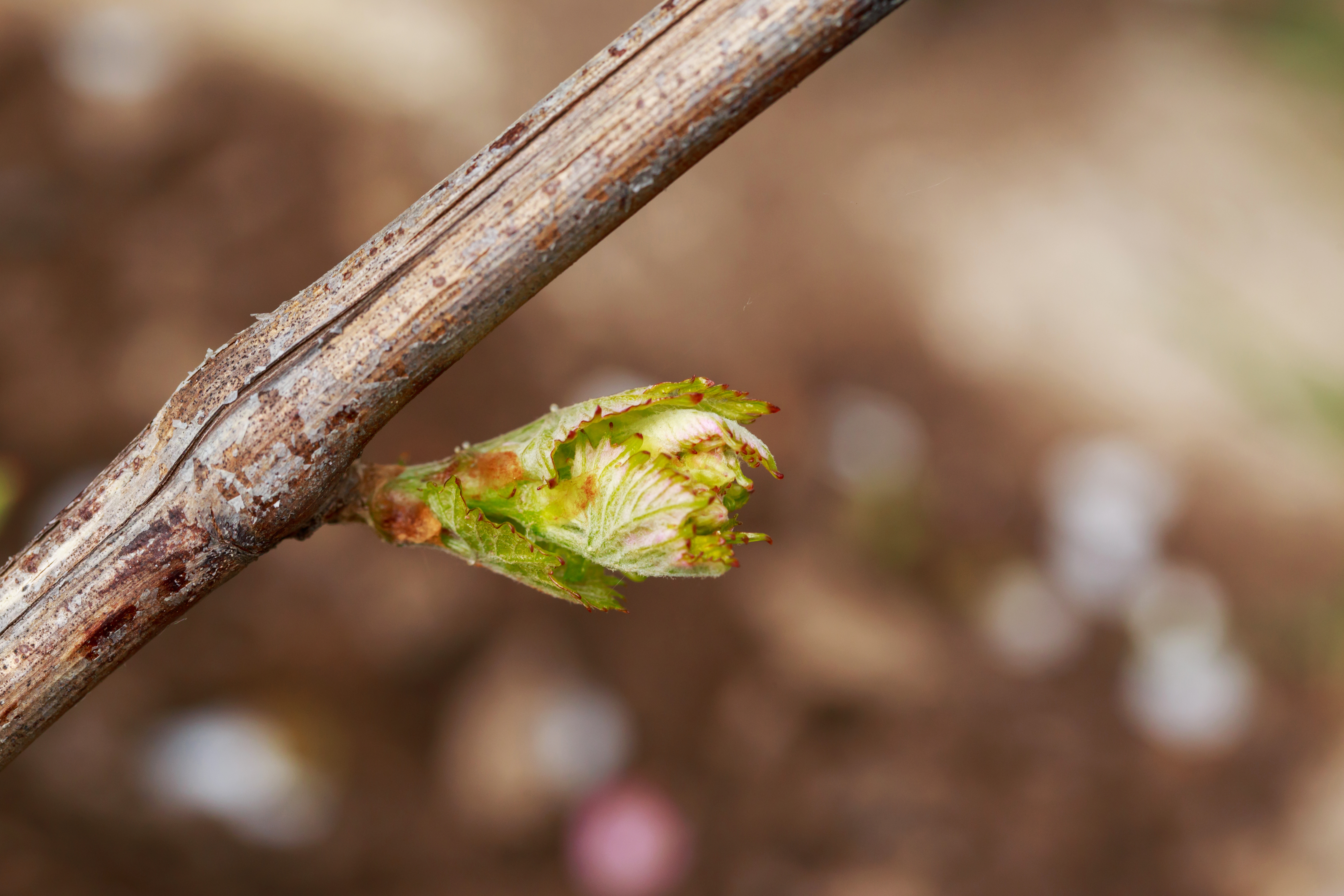
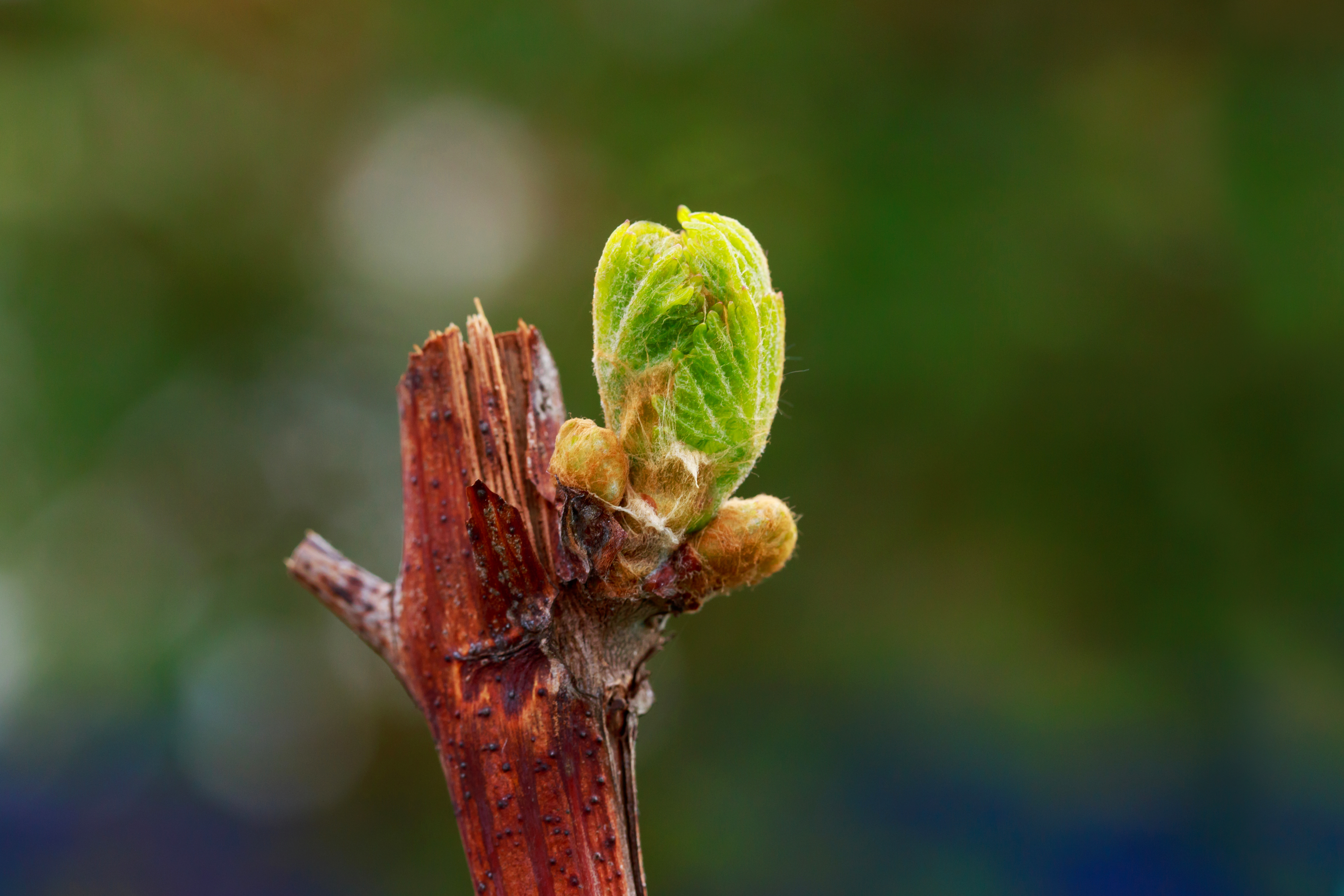
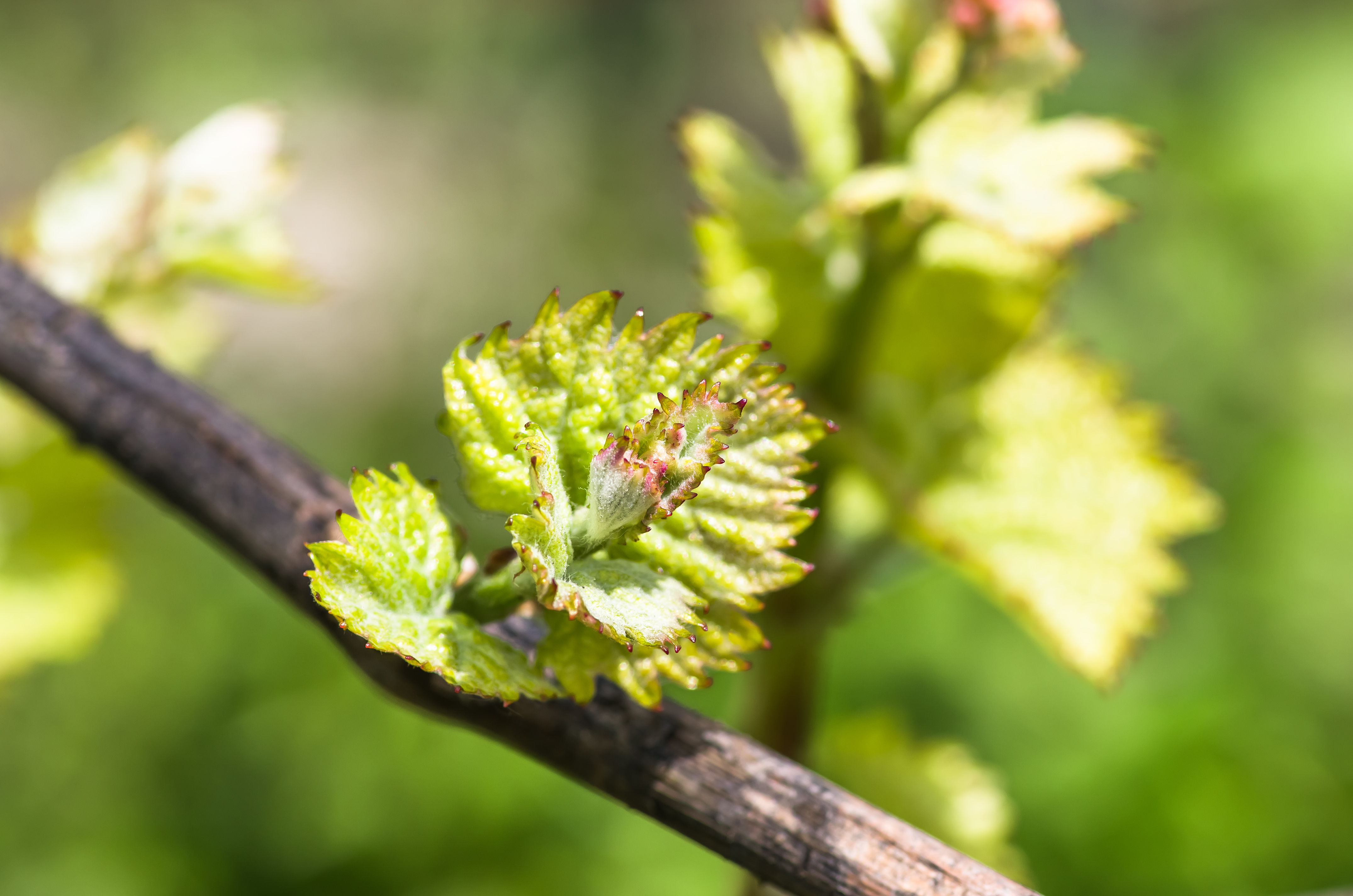
Despite the craziness of the world around us, the natural cycle of life continues. One of the most fascinating to witness—for students of wine—is the life cycle of the vineyard. For those of us in the Northern Hemisphere, we are witnessing the blooming of spring—and along with it—the breaking of buds in the vineyard.

In homage to this annual miracle, here are five fast (fascinating) facts about budbreak in the vineyard.

#1: In a typical year in the Northern Hemisphere, budbreak will begin in mid-March. In years of oddball weather, it may begin to occur as early as mid-February or as late as mid-April. In the Southern Hemisphere, the process typically begins in mid-September, but can be as early as August or as late as October.

.

#2: Within a single vine, those buds that are furthest away from the trunk will break first; in some cases, this may occur several days before those located closer to the trunk. This is particularly apparent when canes are left upright; in such cases the buds furthest from the trunk (the more distal buds) will be observed to burst several days before those closer to the trunk (basal buds). This phenomenon, known as apical dominance, can be avoided by bending or cracking the cane.

#3: The most direct correlation between mother nature and budbreak is the cumulative effect of the warming air temperature once it hits an average of 10°C/50°F. This temperature is sometimes referred to as the “growth threshold” and will signal the nascent buds to shed their fuzzy exterior and break free. Soil temperature may also be a contributing factor, so a wet-and-cold late winter (resulting in wet soils that retain the cold temperatures) can slide bud break back a few days or weeks. (According to the website of Penn State Extension/Wine and Grapes there is conflicting information on whether or not soil temperature affects the timing of bud break. In some studies, Cabernet Sauvignon vines show a correlation between the date of bud break and rising soil temperatures. Alternatively, some studies show no correlation between soil temperatures and the timing of bud break in Syrah.) Other factors that influence the timing of budbreak include photoperiod (day length) and chemical (hormonal) plant growth regulators that help to maintain the plant’s period of dormancy even in the face of mid-winter warm spells.

.

#4: While many factors contribute to the timing of budbreak in a given vineyard in a given year, some varieties are known for their tendency towards early budbreak. Likewise, some grapes tend to be late breakers. Here is a list of some of the better-known varieties, arranged by their tendencies regarding bud-break and ripening:

  • Early bud break/early ripening: Chardonnay, Pinot Noir, Merlot
  • Early bud break/mid-to-late ripening: Chenin Blanc, Grenache, Viognier
  • Late bud break/early ripening: Sauvignon Blanc, Syrah
  • Late bud break/mid-to-late ripening: Riesling, Cabernet Sauvignon

#5: Fun with fruit trivia: Grapevines need a slightly higher base (air) temperature than is required to induce bud break in many other fruits. Fruit trees such as apple, peach, cherry, and apricot tend to break bud when the average air temperature reaches 39° to 41 °F (3.8° to 5°C).

The most important aspect of bud break, at least in my opinion, is that is represents the hope for a successful year, to be followed by flowering, fruit set, veraison, ripening, harvest, and (several months or several years later) more wine for all of us lucky humans. Bring on the buds!

References/for more information:

The Bubbly Professor is “Miss Jane” Nickles of San Marcos, Texas… missjane@prodigy.net

Five Fast Facts about Strohwein

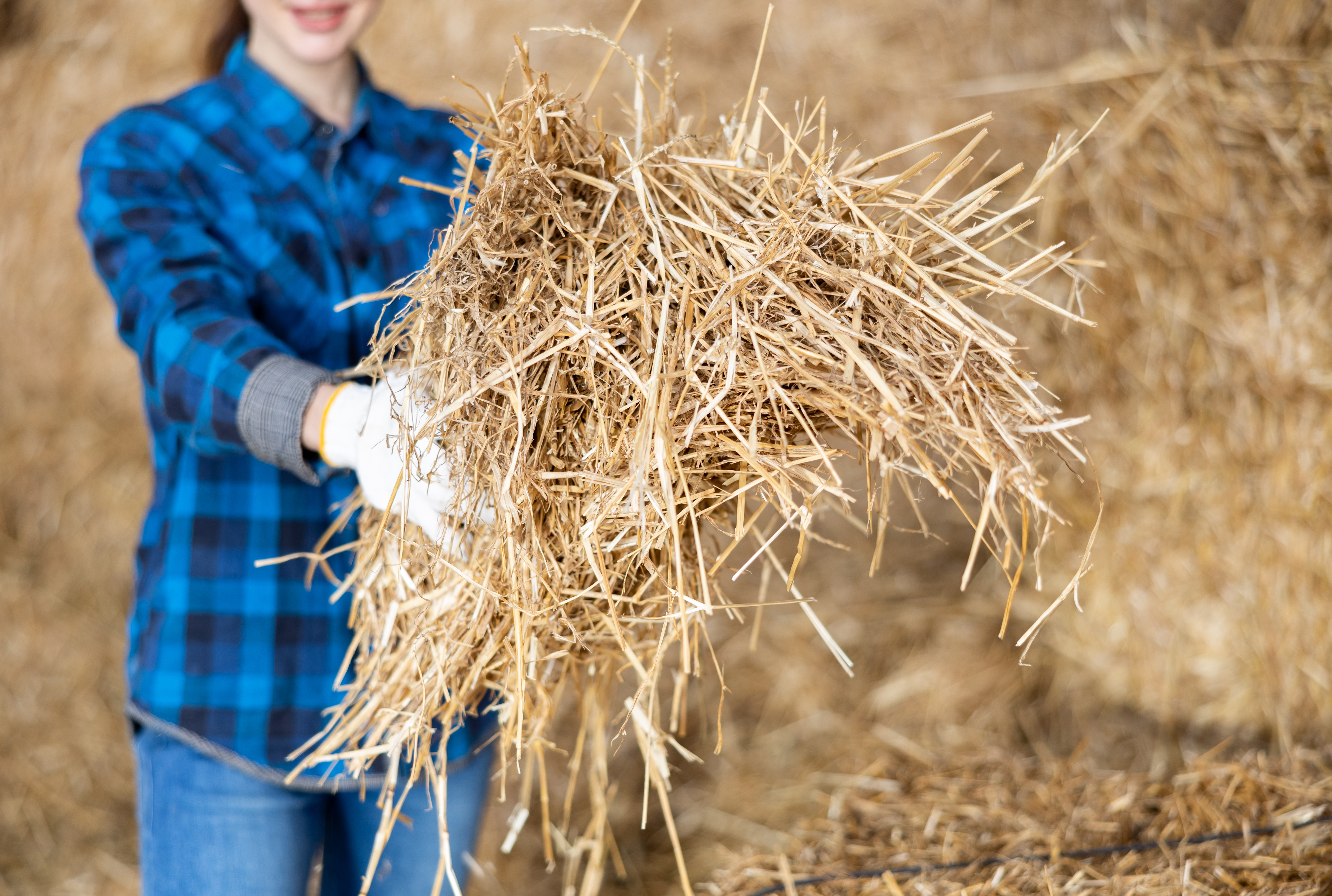
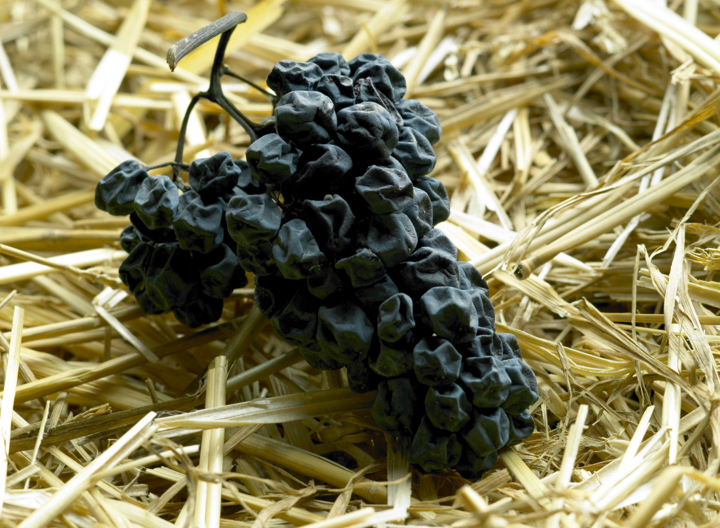
Sweet wine made from grapes dried on straw mats, often referred to as straw wine—has a long history in Europe. The first such examples were likely produced in Greece, and the drying technique eventually made its way to Italy (where a more general term—passito—is typically used to refer to dried-grape wines of many types).

Students of wine will undoubtedly recognize Strohwein as a specific type of dried-grape wine produced in Austria—and in doing so they would be almost correct! Read on to read five fast (and fascinating) facts about Strohwein.

#1: In Austria: Strohwein is indeed a type of sweet, dried-grape wine produced in Austria. The country obtained EU protection for the term as representing it as a distinctive product of Austria in 1999. Schilfwein (reed wine)—also registered as a distinctive product of Austria in 1999—is synonymous with Strohwein. In Austria, the term Strohwein can only be used on a PDO wine, with Burgenland as a leading region. There is a minimum of 5% abv, but no minimum sugar is mandated.

#2: Specifications for Austrian Strohwein: Grapes are to be stored (dried) on straw or reed mats for at least three months. Sugar content before pressing must be minimum of 25°KMW (about 29.6° brix). The white grapes of Austria—including local favorites Grüner Veltliner, Muscat, and Riesling—are often used for Strohwein, but red grapes such as Zweigelt and Blaufränkisch are used as well.

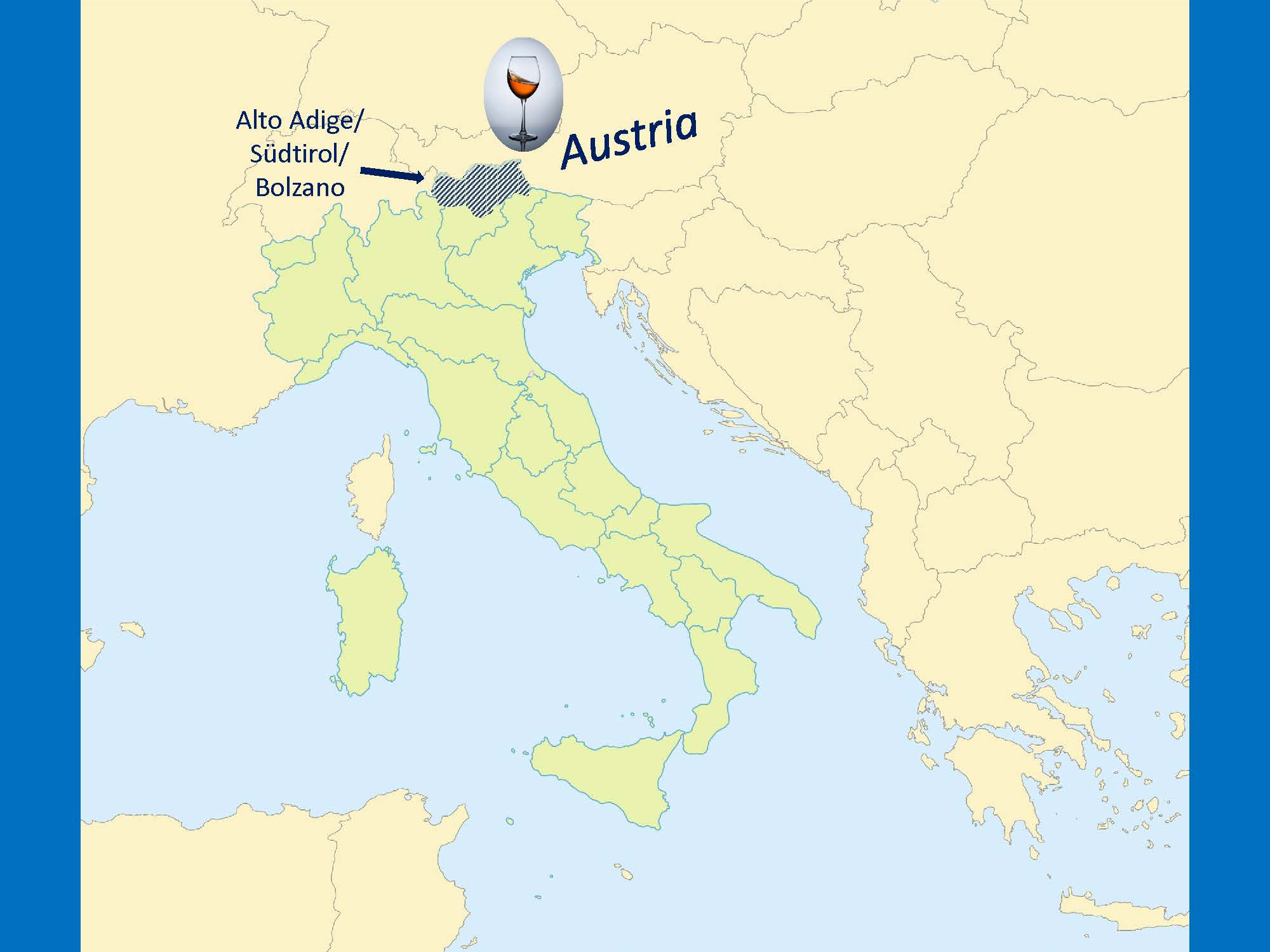
#3: In Italy: Italy is also allowed to use the term Strohwein for certain products produced in the province of Bolzano (also known as South Tyrol, Südtirol, or Alto Adige). Bolzano is located in the far north of Italy, just south of (and adjacent to) the Austrian state of Tyrol. Italian Strohwein may be labeled with a PDO or a PGI designation. As such, it may be produced under any of the following appellations: Alto Adige/Südtirol DOC, Mitterberg IGT, or Vigneti delle Dolomiti IGT.

#4: Specifications for Italian Strohwein: The Italian definition of Strohwein requires that the grapes be dried, after harvest, over a straw trellis. According to the requirements of the Alto Adige DOC, passito wines may be produced using Chardonnay, Pinot Bianco, Pinot Grigio, Müller Thurgau, Sauvignon, Riesling, Silvaner, Gewürztraminer, Kerner, and/or Moscato Giallo grapes, and may not be sold until June 1 of the year following the harvest.

#5: Straw wine from Germany (or not): Despite its penchant for sweet wines, dried-grape wines of any type were— along with the major re-writing of the German wine law—disallowed for use in the PDO wines of Germany in 1971. The reasoning was (so it seems) that dried-grape wines were not “fresh” and that the drying process roughly equated to chaptalization. However, in the early 2000s, the Ulrich Stein Estate lobbied the ministry of viticulture and eventually succeeded in getting the ban on straw wine overturned. However, by the time this was accomplished—in 2009—Austria and Italy had already protected the term. Eventually, Ulrich Stein was able to get a new term—Striehween (based on a local dialect)—trademarked for use with certain wines. (It is not, however, part of any appellation rules.)

Switzerland produces dried grape wines sometimes labeled with the term Strohwein—but keep in mind, they are not a member of the EU—and like much of the world beyond Europe—they are not entirely beholden to EU rules.

France has a small but interesting tradition of straw wine—known as Vin de Paille—and we will tackle that topic in the near future! Keep in mind that straw wine—no matter what you call it—is typically produced in exceedingly small amounts and will likely be difficult to procure outside of the region of production.

References/for more information:

The Bubbly Professor is “Miss Jane” Nickles of Austin, Texas… missjane@prodigy.net


Five Fast Facts about Sonoma Creek

Sonoma Creek is dwarfed—in length and volume as well as fame—by the nearby Napa River. However, this small-but-mighty creek makes its mark in the southwest corner of Sonoma County in a very big way. Read on to ponder five fast facts about Sonoma Creek!

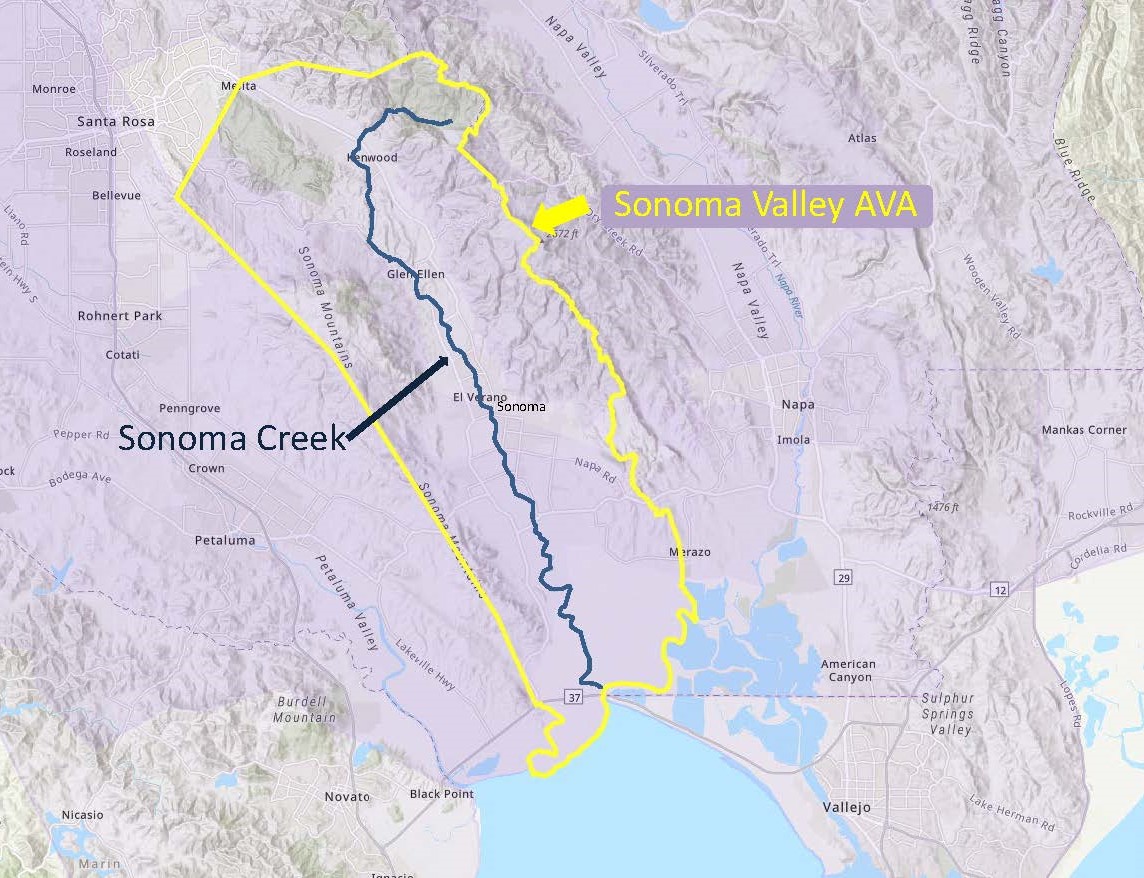
#1: From its source on the west side of the Mayacamas Mountains—Sugarloaf Ridge State Park to be exact—Sonoma Creek measures about 33 miles/54 km in total length. After running (mostly) west for about 3 miles/5 km, the creek takes a turn and flows to the south/southwest through Sonoma Valley before emptying into San Pablo Bay.

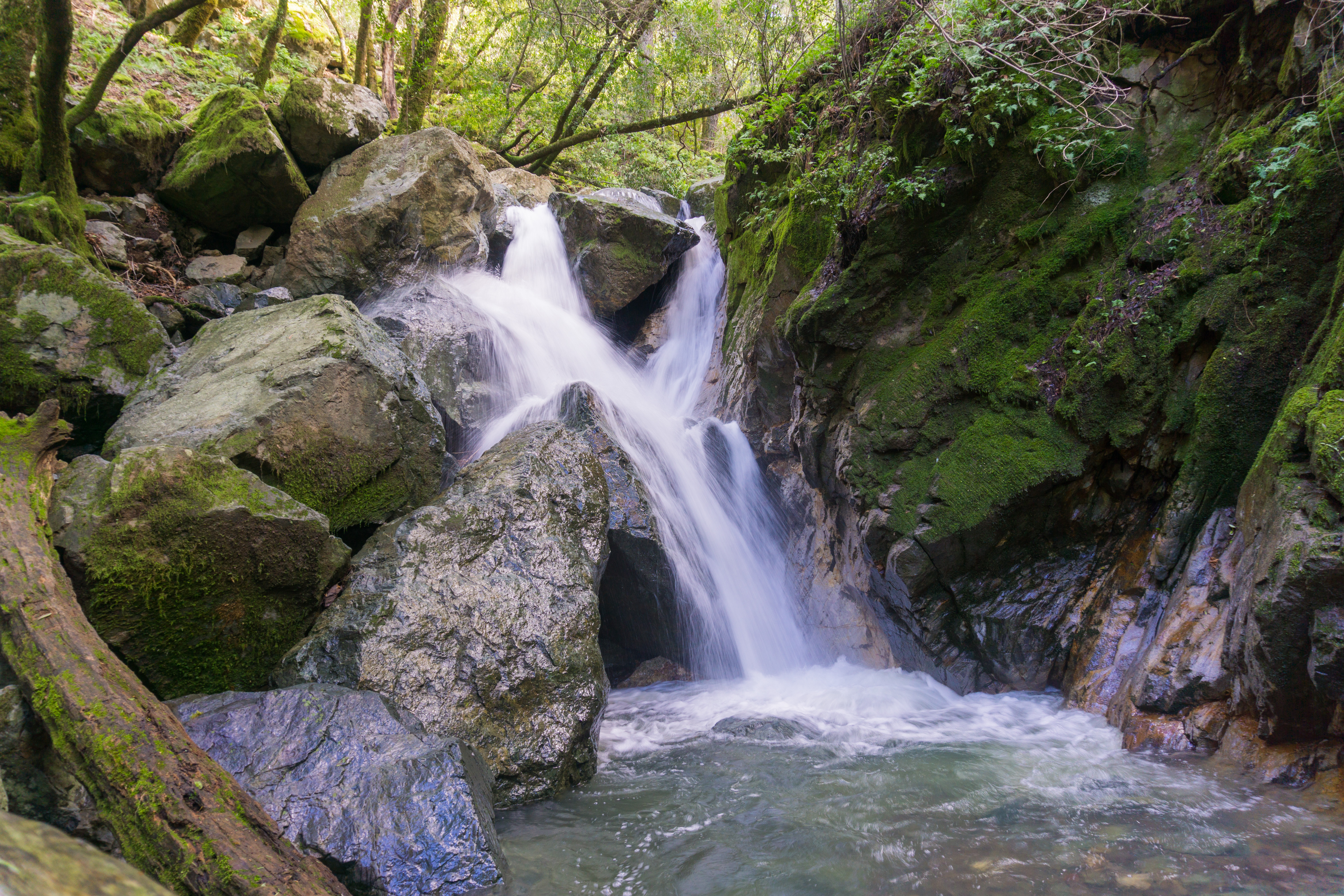
#2: There is a waterfall! Sonoma Falls is tucked into Sugarloaf Ridge State Park, near the source of the creek. The park is located a short (3-mile/5-kilometer) drive from Kenwood—just turn east off of Sonoma Highway onto Adobe Canyon Road. From the park’s visitor’s center, you can take any one of several short hikes to Sonoma Creek Falls. The falls are somewhat seasonal, but if you catch it during winter, spring, or after a storm, you are likely to be rewarded with the soothing sound of falling water. At its most lively, Sonoma Falls is multi-tiered and can cascade as much as 20 feet/6 meters.

Sonoma Falls (on a good day)

#3: Some of the best-known wine towns in the Sonoma Valley AVA are located directly on Sonoma Creek. The bucolic wine country towns of Kenwood, Glen Ellen, El Verano, and (the town of) Sonoma are located directly on the creek. Dozens of wineries are situated just a few miles from the creek (or even closer)—check out Buena Vista, Kunde Family Winery, Kenwood Vineyards, and Sangiacomo Family Wines.

#4: The Sonoma Creek Watershed is located entirely within the Sonoma Valley AVA. Surrounded by the vineyards of the Sonoma Valley AVA, Sonoma Creek is fed by waters that flow from the very mountains that define the appellation’s boundaries. The Mayacamas—located along the appellation’s eastern boundary—give rise to the headwaters of the creek itself as well as several tributaries including Bear Creek and Calabazas Creek (just north of the town of Glen Ellen). The Sonoma Mountains—forming the northern and western edge of the region—give rise to Yulupa Creek (sourced along the eastern slope of Bennet Mountain), Graham Creek, and Fowler Creek.

#5: Sonoma Creek is one of the three main bodies of water that course through (and drain) the southern portion of Sonoma County. The southern section of Sonoma County is drained by Sonoma Creek, the Petaluma River, and Tolay Creek. The 18 mile-/29 km-long Petaluma River rises in a series of small hills located between the towns of Cotati and Petaluma. After flowing directly through the town of Petaluma, it forms part of the border between Sonoma and Marin County before emptying into San Pablo Bay. Tolay Creek—located between the watershed of Sonoma Creek and the Petaluma River—rises from Tolay Lake (itself located in a narrow ridge near the southern edge of Sonoma Mountains). Somewhat seasonal, Tolay Creek flows in a southerly direction for 12.5 miles/20 km towards San Pablo Bay.  For the last 2 miles/3 km of its run—after it passes underneath Highway 37—Tolay Creek marks the western boundary of the Sonoma Valley AVA.

References/for more information:

The Bubbly Professor is “Miss Jane” Nickles of Austin, Texas… missjane@prodigy.net

Five Fast Facts about Saint-Pourçain

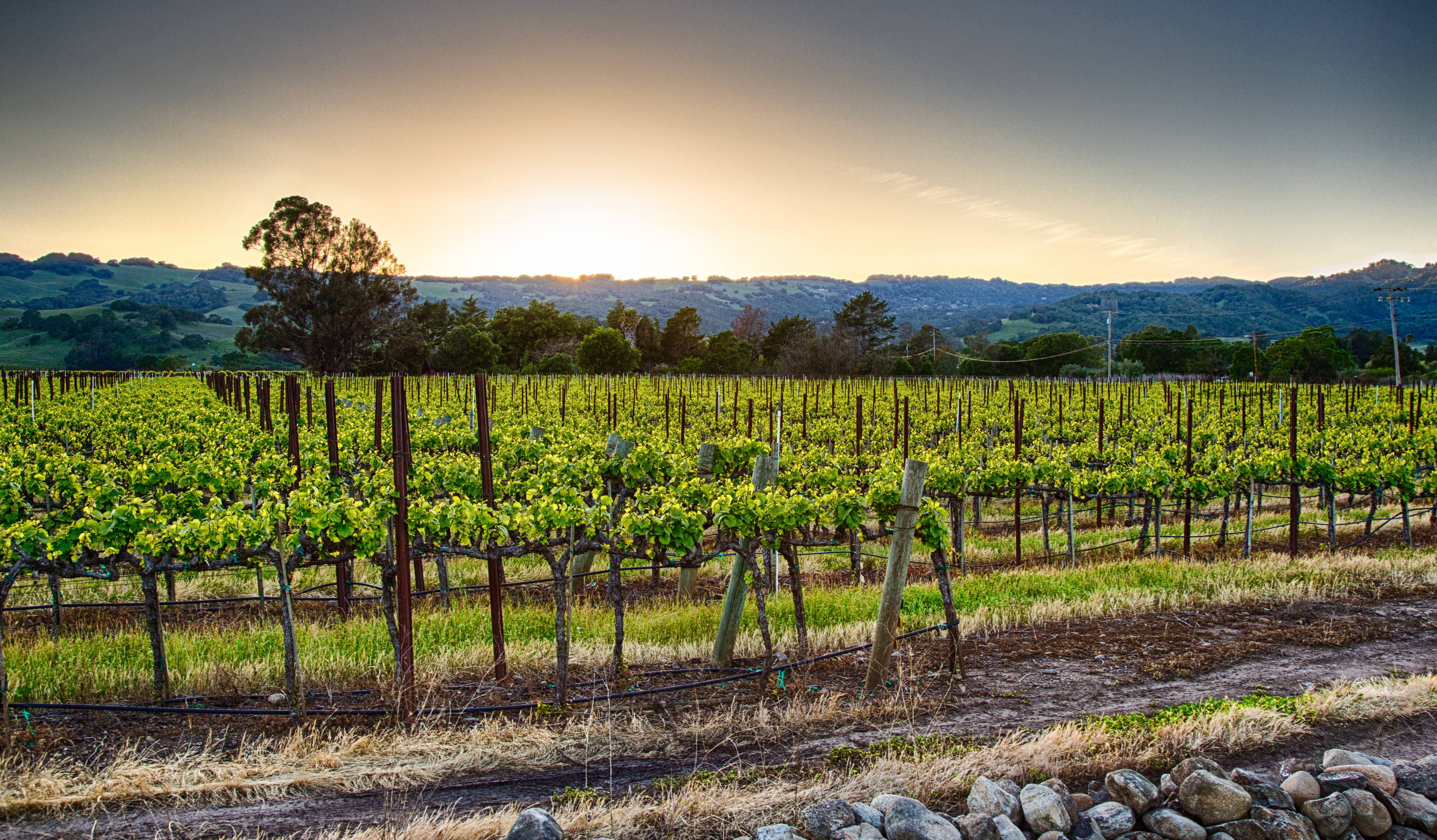
Saint-Pourçain—one of the five AOCs often described as the appellations of Central France—is an obscure appellation located in the Allier Department. Even though its wines are not typically found outside of Western Europe—the area is planted to a mere 1,480 acres/600 ha of vines—the region holds a fascination all its own. Read on for some interesting tidbits about the little-known Saint- Pourçain AOC.

#1—Saint-Pourçain is considered one of the oldest vineyards in France. Like many regions in France, the wines of Saint-Pourçain are well-documented from the start of the Middle Ages and are known to have received some notoriety in pre-revolutionary France. However, viticulture in Saint-Pourçain and throughout the (present-day) Allier Department can be traced back to the time of the Romans. Some people even believe that viticulture in the area dates as far back as the Phoenicians (pre-BCE), who founded the colony of Cantilia in the present-day commune of Chantelle.

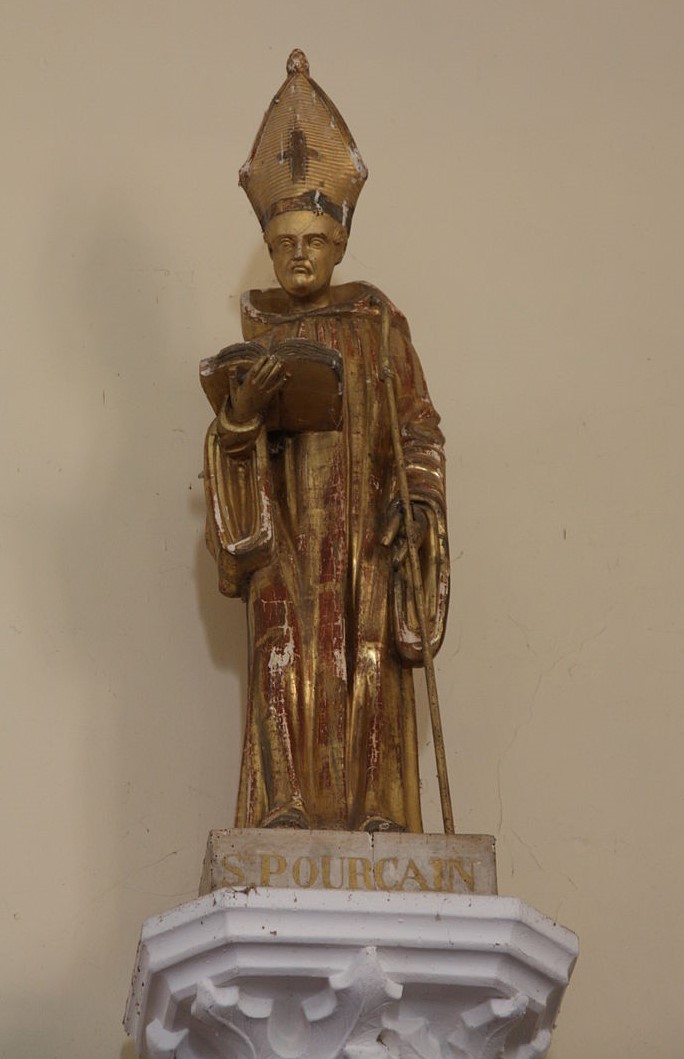
Statue of Saint Pourcain in the Église de Monestier via Wikimedia Commons

#2—There was an actual Saint. Saint Pourçain—also known as Portianus—lived in the area sometime in the sixth century. A former slave—freed from a brutal master during the Roman occupation of Gaul—he lived as a hermit and founded a monastery on the banks of the Sioule River. He is credited with performing many miracles that benefited the inhabitants of the area—including restoring the sight of his blind owner, which led to his freedom. Another miracle involved giant serpents emerging from an amphora of wine and the subsequent release of a group of prisoners. It is said that Portianus/Pourçain was so beloved that at the time of his death (circa 532) the people of the area changed the name of their town from Mirendense to Saint Pourçain.

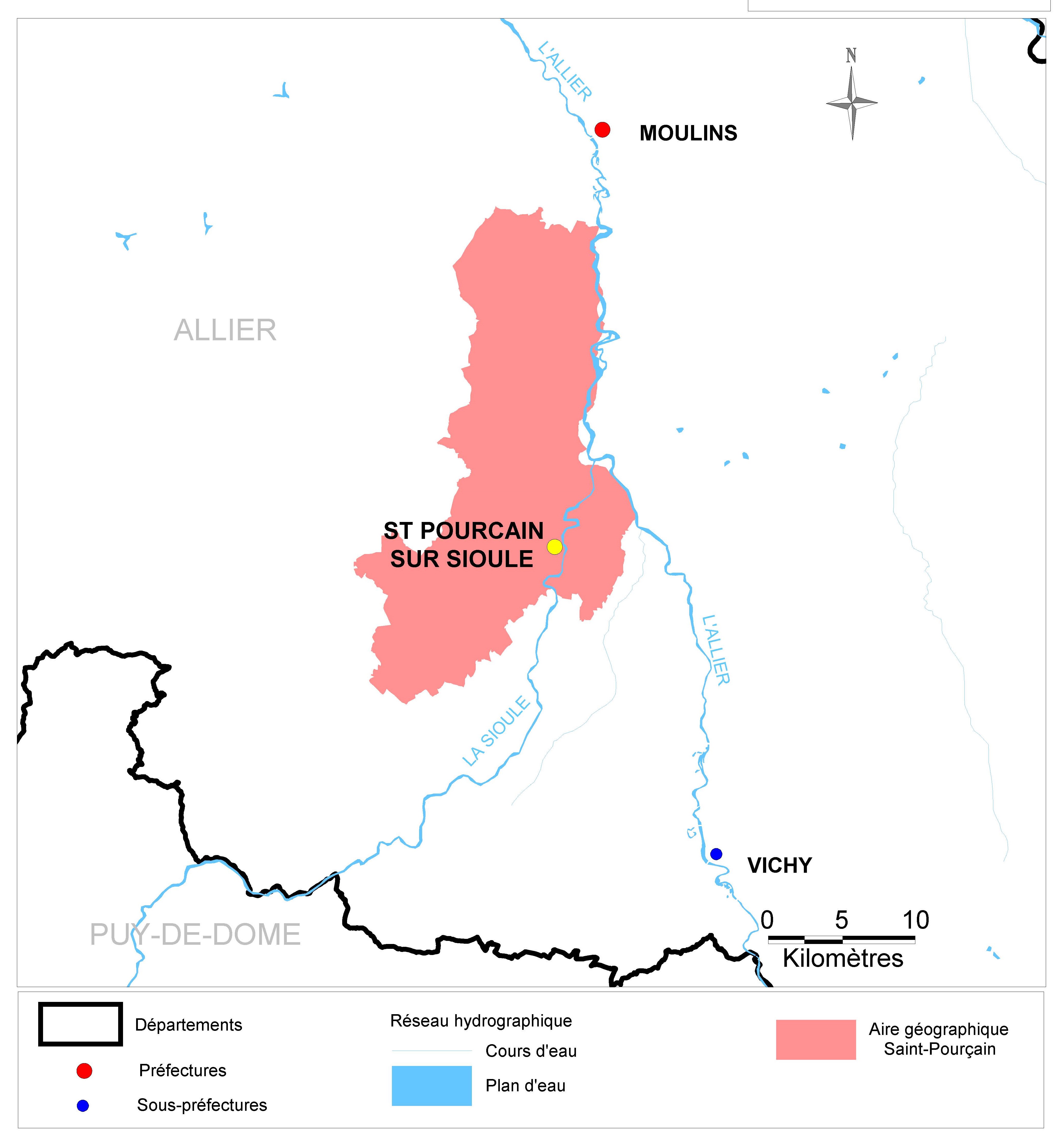
#3—The appellation is named after the town of Saint-Pourçain-sur-Sioule. Located near the geographic center of France, Saint-Pourçain-sur-Sioule lies just to the west of the Allier River. The Sioule River (a left tributary of the Allier) flows—from its source in the Massif Central—north/northeasterly directly through the town; it joins the Allier about 10 km/6 miles beyond its northern edge.

#4—Saint-Pourçain is sometimes considered a “lost vineyard of Burgundy.” In many reference books, the appellations of Central France—including the Saint- Pourçain AOC—are grouped with the other appellations of the Loire (Sancerre and the other appellations of the Eastern Loire are located about 75 miles/120 km to the north). However, it can be argued that the only true connection between the appellations of Central France and those of the Loire Valley is the river itself. On the other hand, in terms of landscape, architecture, terroir, and even the wines themselves, Saint- Pourçain has more in common with Burgundy. The topography—in terms of rolling hills punctuated by valleys and plateaus as well as south/south-east facing slopes—is similar, as is the latitude. Saint-Pourçain sits at 46°N, the same parallel as the southern Burgundy town of Mâcon, located about 73 miles/117 miles to the east.

Map of the Saint Pourcain AOC via the INAO

#5—Like Burgundy, the Saint-Pourçain AOC produces red, white, and rosé. Like most of the wines produced in Burgundy, the wines of Saint-Pourçain are required to be dry and tranquille (still/non-sparkling).  The grape varieties—based around Chardonnay, Pinot Noir, and Gamay—are Burgundy-esque as well. For the record, the encépagement (plantings) allowed for use in the wines of the Saint-Pourçain AOC are as follows:

  • Rouge/Red: 25% to 60% Pinot Noir; 40% to 75% Gamay
  • Blanc/White: 50% to 80% Chardonnay; 20% to 40% Tressalier (known in Burgundy as Sacy); up to 10% Sauvignon Blanc
  • Rosé: 100% Gamay

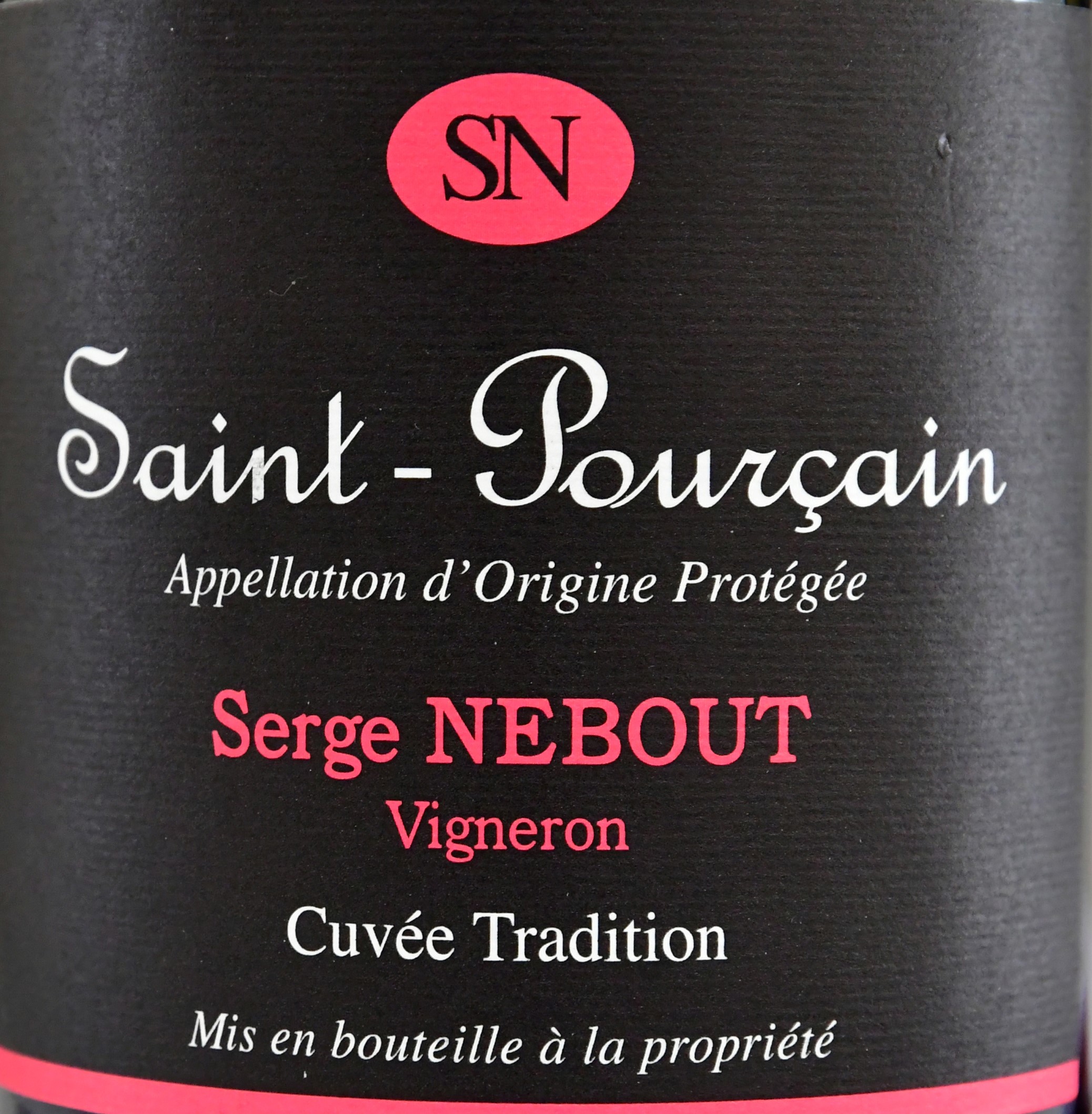
 There are currently about 20 wineries in the Saint-Pourçain AOC; noted producers include Domaine des Berioles and Domaine Nebout. The local co-op, Cave de Saint-Pourçain, is the majority producer.

References/for more information:

The Bubbly Professor is “Miss Jane” Nickles of Austin, Texas… missjane@prodigy.net