In Praise of the Juniper Berry

Fig 4-2 Juniper BerriesThe hero of gin lovers everywhere, the juniper berry is not really a berry at all but the seed cone of the juniper plant. Juniperus communis—the common juniper—is a shrub or small evergreen tree with needle-like leaves that grow in whorls of three. Juniper often grows as a low-spreading shrub, but juniper trees can grow to over 32 feet (10m) tall. The juniper plant has over 50 varieties and the largest range of any woody plant in the Northern Hemisphere, thriving throughout the temperate zone across North America, Europe, and Asia.

Many cultures consider the leaves of the juniper to be a symbol of protection against disease and evil spirits. In Tuscany, a sprig of juniper is often placed in front of the door to offer spiritual protection to the house and its inhabitants. Juniper can also ward off snakes—according to the ancient Greek pharmacologist Pedanius Dioscorides—who claimed that the smoke from a fire of burning juniper could keep the slithering reptiles far, far away.

The “berries” of the juniper plant begin life a grey-green color. They ripen in 18 months to a deep purple-black hue with a blue waxy coating. Juniper berries are also revered for their medicinal purposes, particularly as a diuretic and for conditions of the kidney, bladder, and stomach.

Of course, to students of wine and spirits, the juniper berry is known primarily as the predominant flavoring in gin and other spirits such as Genever, Steinhäger, and Wacholder. The flavor profile of juniper berries is often described a pine-like, resin-like, intensely herbal and with bitter citrus notes. Noted author Harold McGee, in his book On Food and Cooking defines the flavor of juniper as “green-fresh.”
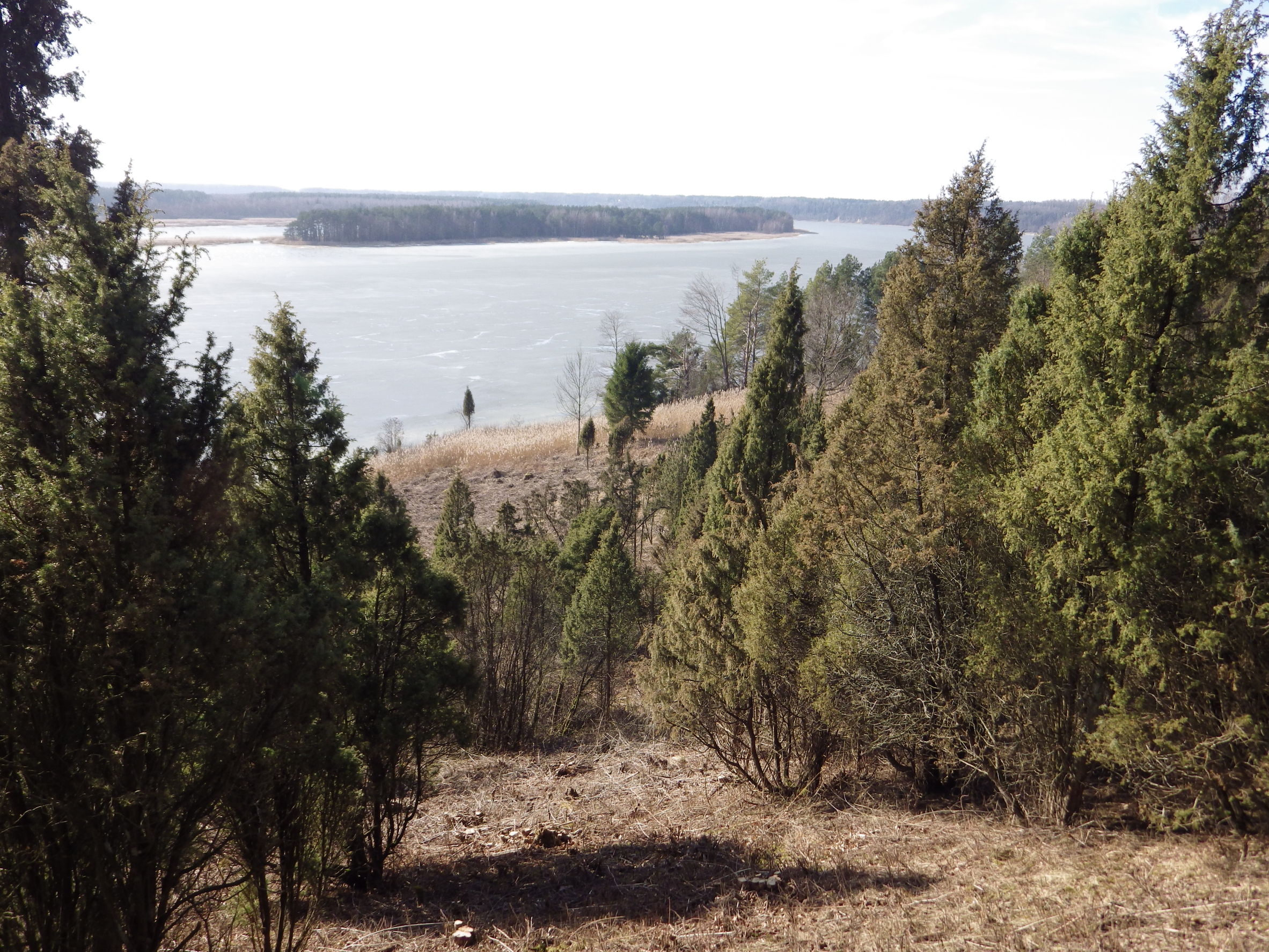
The Juniper Forest ("The Valley of Juniper) in Ziarat, Pakistan

The Juniper Forest (“The Valley of Juniper”) in Ziarat, Pakistan

Juniper berries also play a role in culinary arts, particularly throughout Scandinavia and Central Europe. As such, juniper berries are often used to impart a sharp, clean flavor to meat dishes—particularly game, with its often distinct and robust flavor profile—as well as cabbage and sauerkraut dishes. Juniper has a natural affinity for pork and is found in many recipes for roast or braised pork, as seen in the recipe for choucroute garnie, a classic Alsatian dish of sauerkraut braised with mixed meats and sausages.

One more thing: on Easter Monday, according to tradition, the young men in Kashubia (Northern Poland) chase the young ladies around the town square, brushing (sometimes referred to as “gently whipping”) their legs with juniper sprigs. This custom is believed to ensure good fortune in love to the participants. I can only assume that after watching this annual tradition unfold, the parents would need a shot (or two) of gin.

The Bubbly Professor is “Miss Jane” Nickles of Austin, Texas: missjane@prodigy.net

Ten Tidbits on Tasmania

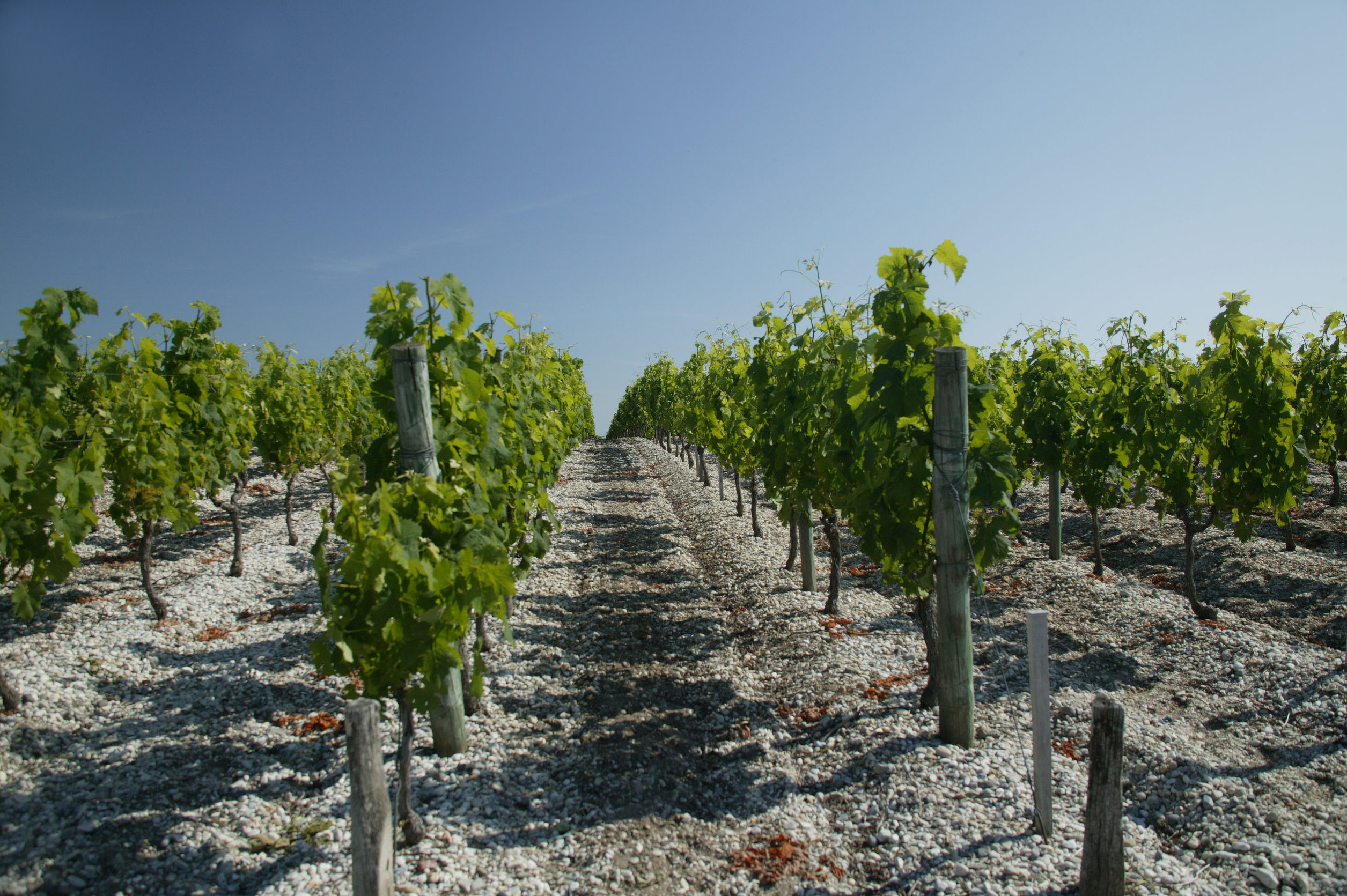
Tasmania VineyardTen Tidbits on Tasmania – Tasmanian Wine, that is!

#1 – The island of Tasmania is the southernmost state of Australia and lies about 150 miles south of the coast of Victoria, across the Bass Strait. Tasmania lies directly in the path of the fierce trade winds known as the “Roaring Forties” and as such, its west coast has a cold, wet climate.

#2 – Tasmania is Australia’s most mountainous state. The highest point is Mount Ossa in the northwest. Mount Ossa reaches peaks of 5,350 feet (1,620 meters) above sea level. The temperature climate necessary for viticulture in Tasmania is made possible by the multiple mountain ranges that criss-cross the center of the island. Most Tasmanian vineyards are located on lower slopes and valleys of these mountains, or in the rain shadow to the east.

#3 – As is to be expected considering its location, Tasmania has a maritime climate. Mild spring and summer temperatures, warm autumn days, and cool nights allow for the region’s grapes to enjoy a long, slow ripening with minimal loses of natural acidity.

#4 – Cool climate grapes dominate the viticultural landscape and include 44% Pinot Noir, 23% Chardonnay, 12% Sauvignon Blanc, 11% Pinot Gris and 5% Riesling. Other varieties include Cabernet Sauvignon, Merlot, and Gewürztraminer.  Tasmania’s cool climate makes it a natural for sparkling wines, and many of the sparkling wines produced in Australia are sourced with grapes grown in Tasmania.

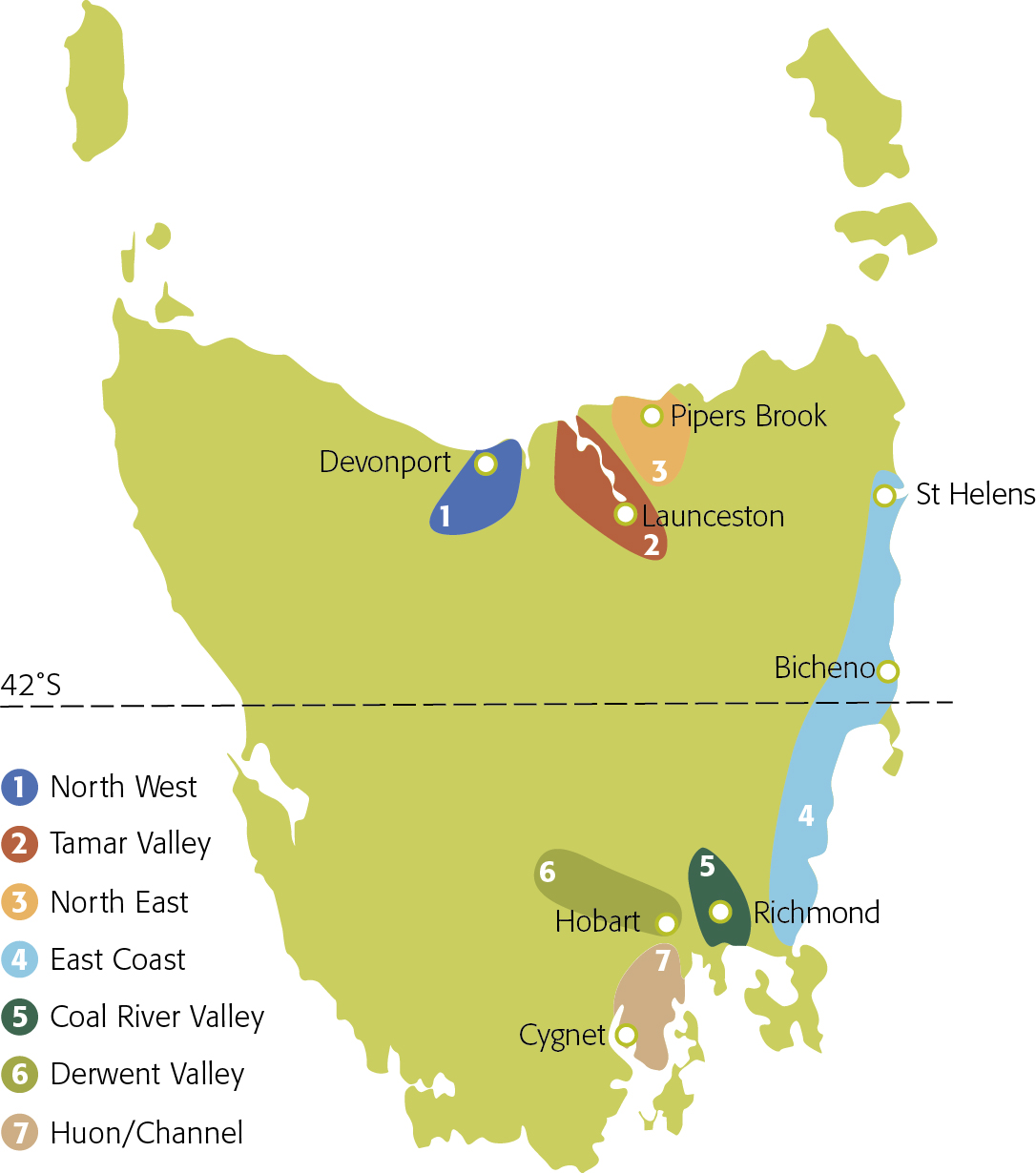
Tasmania map#5 – Tasmania’s output is tiny. At last count, the state had just over 3,700 acres (1,500 hectares) of vineyards, and accounted for approximately 0.5% of Australia’s output. They even say that “more wine is spilled on the main land than is produced in Tasmania.” However – Tasmania’s wine production rose by more than 300% over the last decade, and quality is regarded as quite high.

#6 – According to winetasmania.com, 100% of bottled Tasmanian wine retails for $15.00 or more – as compared to only 7% of Australian wines overall.

#7 – Tasmania’s first vineyard, planted in 1788, was a failure. The vines were planted by William Blight at Adventure Bay (on Bruny Island), but when he returned four years later they were gone. Vines were planted again in the early 1800s, and wine was made and sold commercially in Tasmania from 1800 through the 1860s. However, vine disease and the gold rush in Victoria (1851-1870) caused wine production in Tasmania to collapse by the 1870s.

#8 – In the 1830s, wines from Tasmania were brought to Victoria by William Henty. Henty sailed from Launceston in Tasmania to Portland in Victoria on the Schooner Thistle. Among his belongings were “one cask of grape cuttings and one box of plants.” These cuttings became the first vines planted in Victoria. At about the same time, vines from Tasmania were also among the first grapes planted in South Australia; John Hack (in 1837), and John Reynell (in 1837) both planted Tasmanian vines in South Australia.  Some say, based on these facts, that vines from Tasmania founded the wine industries of both Victoria and South Australia.

Map via winetasmania.com.au

Map via winetasmania.com.au

#9 – The beginnings of the modern era of Tasmanian wines can be traced back to the 1950s, when two Europeans, Jean Miguet and Claudio Alcorso arrived in Tasmania and, without knowing each other or what the other was doing, began planting vines and making wine.

#10 – While Tasmania does not have any officially designated wine regions or sub-regions within it, the following “unofficial” areas are generally used to describe those areas rich with vines:

  • In Northern Tasmania: The Northwest Coast, Tamar Valley, and Northeast/Pipers River
  • In Southern Tasmania: Coal River Valley, Derwent Valley, and Huon/Channel Valley
  • Straddling the Two: The East Coast

The Bubbly Professor is “Miss Jane” Nickles of Austin, Texas: missjane@prodigy.net

A Side Note on the Sidecar

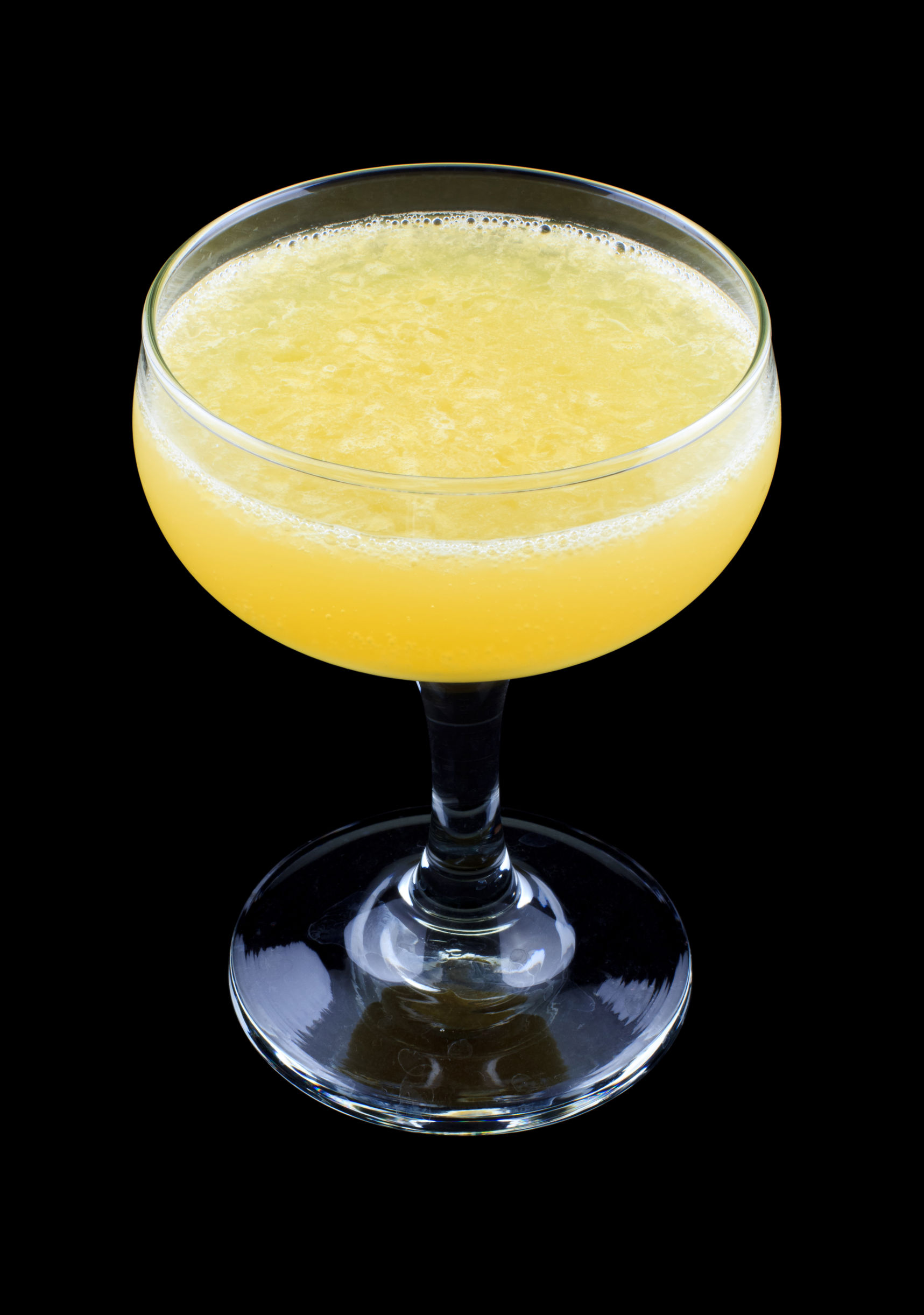
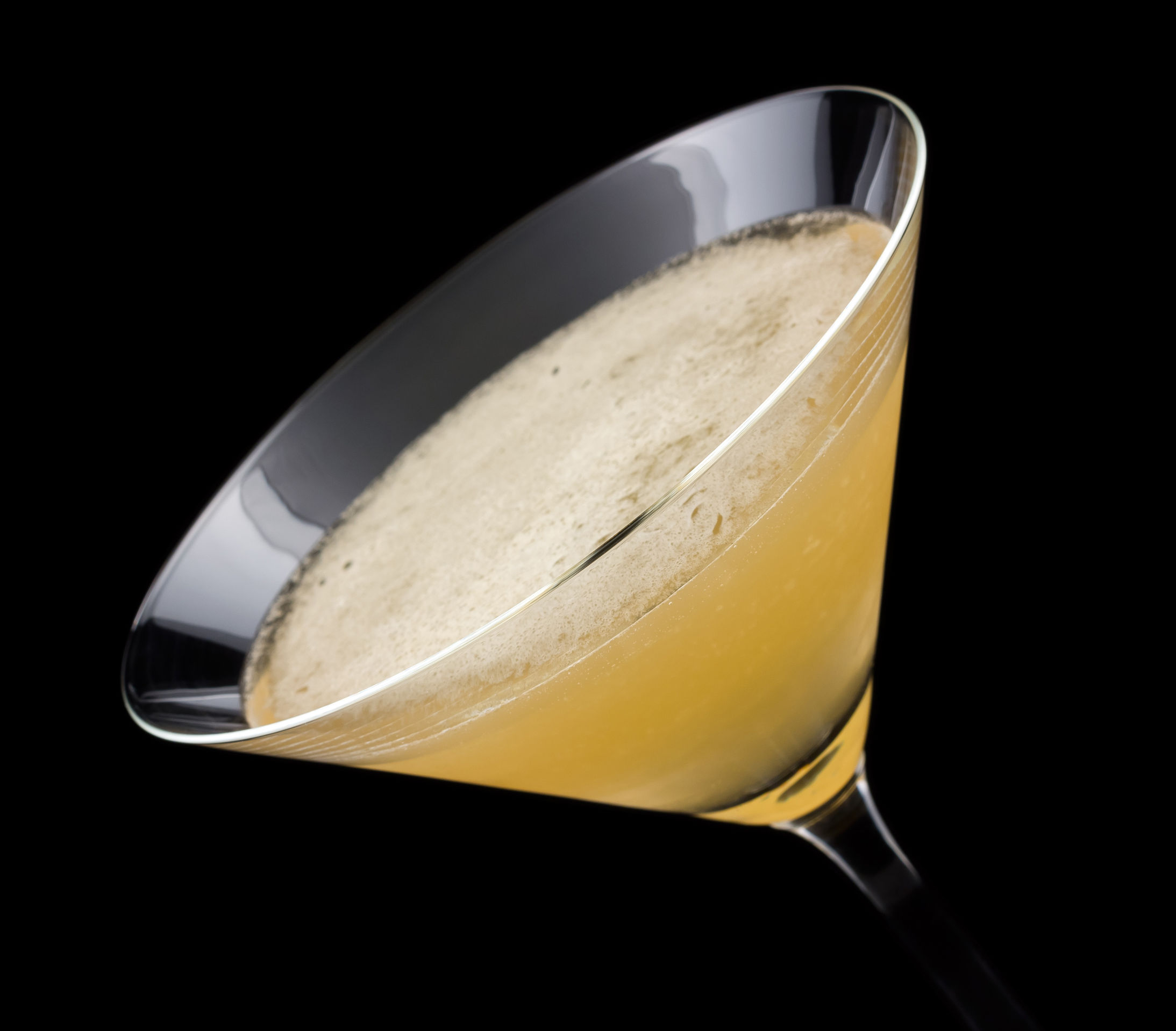
sidecar 1This blog post about the classic cocktail – the Sidecar – was borne of last Friday night’s dinner.

The anh (adorable new husband) and I went to our favorite local swingin’ hot spot. It’s a pretty fancy restaurant, maybe even special-occasion style, but we always snag a couple of seats at the bar and order casual. We have never been disappointed. Great, simple, classic food; excellent cocktails, professional, white-apron service – we love it every time.

One of my favorite things about the restaurant is the short-and-simple list of craft cocktails they offer. I usually order something cha-cha like the Bartlett Pear Martini (garnished with a house-made slice of dried pear) or the absolutely fabulous Blood and Sand, but this evening I really fancied a Sidecar. Interestingly enough, our lively bartender remarked that no one had ordered a Sidecar in years and he had to look it up. He quickly consulted his handy Mr. Boston Guide and made me a delightful cocktail (well, actually there were two cocktails by the end of the evening). Just perfect.

But it set me to thinking…if a working bartender in a busy, upscale restaurant has to remind himself how to make a Sidecar – what gives? A Sidecar is a classic, 1920’s-style  cocktail, and as such should be enjoying a resurgence of popularity along with other crafty cocktails – so let’s help it along!

As is true of many cocktails, there are many versions of the origin of the drink and the meaning of the name. One legend dates back to Harry’s Bar in Paris, near the end of the First World War. It seems there was a certain American Army Captain who sidecar 2would often arrive at the bar in the sidecar of his friend’s motorbike. The Captain drank Cognac, but as Cognac is considered more of an after-dinner drink in France, the bartender sweetened it with a bit of Cointreau and sharpened it with a squeeze of lemon juice. Named after the Captain’s preferred method of transportation, the Sidecar was born.

England also claims to be the land of the Sidecar’s invention. In London the star of the story is the legendary Pat MacGarry, bartender at the Buck’s Club in London, famous for inventing the Buck’s Fizz cocktail. The details of the story are the same – a Cognac-loving gentleman pulled up to the club in his friend’s sidecar – only the names have been changed!

A totally different version of the story harkens back to pre-prohibition New Orleans, where it is said that the Sidecar evolved from the Brandy Crusta. Here, the word “sidecar” was used for that little bit of a drink that is sometimes leftover after a drink is strained into the glass. The bartender would serve the excess in a shot glass on the side – which came to be known as a sidecar. In time, the story goes, the recipe for the Brandy Crusta (Cognac, Curacao, bitters, lemon juice, sugar) evolved, with Cointreau replacing the Curacao, and the new drink became known as a Sidecar.

sidecar 3There are also many versions of the recipe. While it is commonly agreed that the drink is composed of Cognac, Cointreau, and lemon juice—after that, all bets are off. Some recipes call for a sugared rim, some call for a lemon zest garnish, some call for a non-sugared rim, and some call for an orange wedge garnish. Some list the proportions of the drinks as 1:1:1 Cognac-Cointreau-lemon juice, some 2:1:1 for the same ingredients. I used to make mine in the 2:1:1 recipe – until I watched this beautifully made video by The Cocktail Spirit with Robert Hess. Robert recommends 4:2:1 Cognac-Cointreau-Lemon, and after listening to him (and trying it out) – I agree!

You need to watch Robert’s video! It will take six minutes of your life, but I promise it will be well worth it! You’ll learn a lot about the Sidecar, cocktail ingredients, cocktail techniques, and perhaps even life in general. And you will definitely be left craving a Sidecar. Enjoy in moderation and good health!

The Bubbly Professor is “Miss Jane” Nickles of Austin, Texas: missjane@prodigy.net
Five Fast Facts about Brouilly

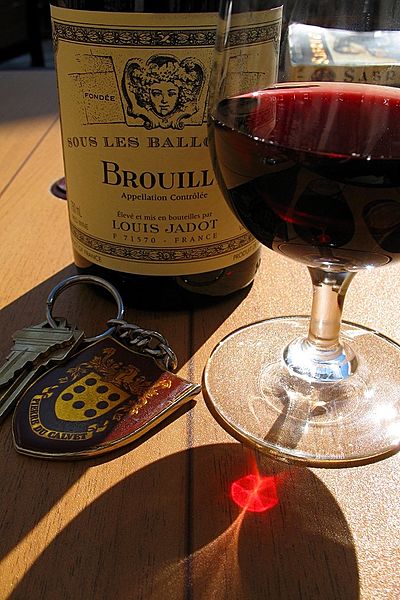
Photo of Louis Jadot Brouilly by Rob Ireton, via Wikimedia Commons

Photo of Louis Jadot Brouilly by Rob Ireton, via Wikimedia Commons

Five Fast Facts about Brouilly

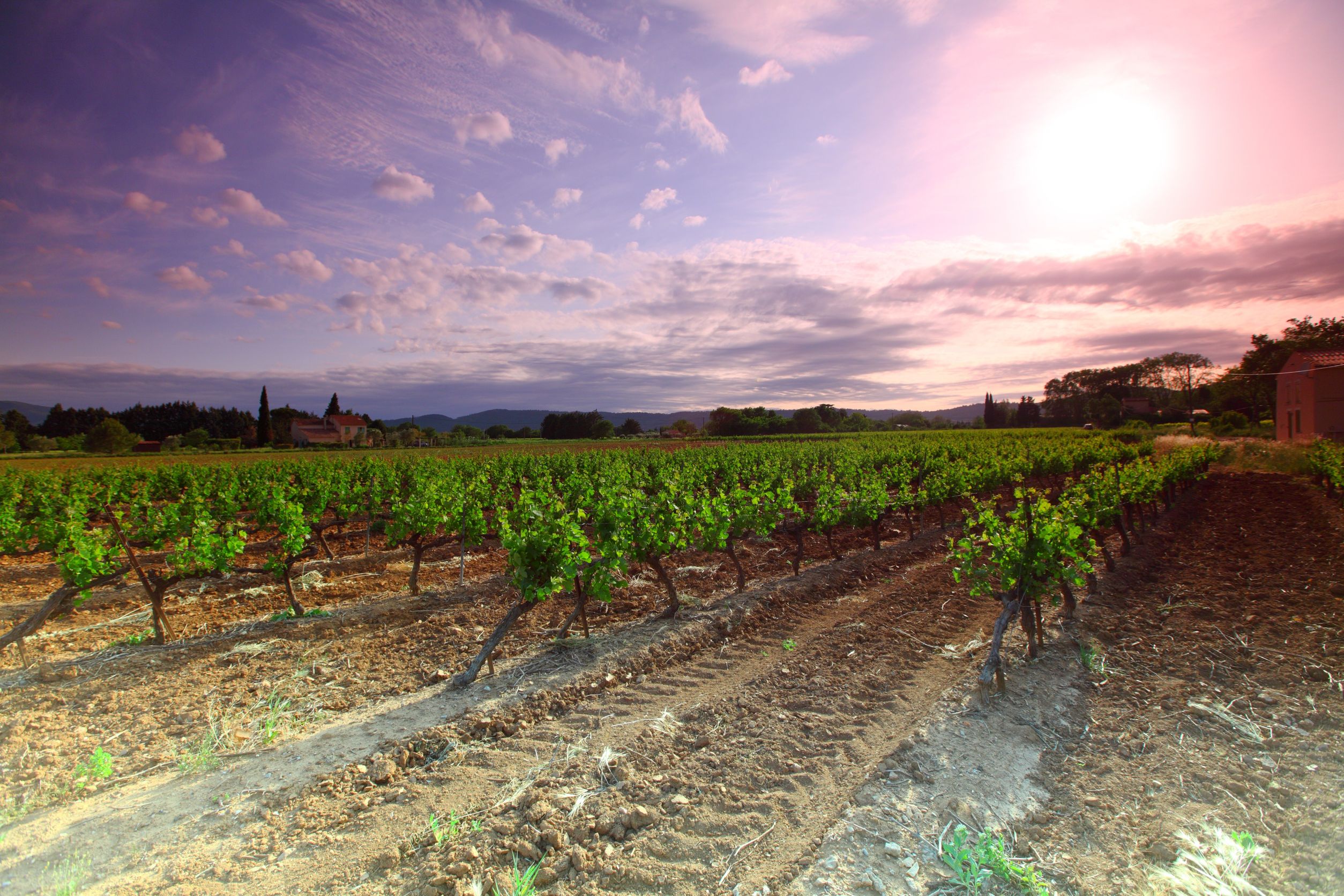
#1 – Brouilly is one of the ten Crus of Beaujolais. It is the largest and most southerly of the ten Beaujolais Crus,  Although this large area contains a wide range of microclimates and soil types, most of the vineyards face roughly east and capture the bright morning sunshine as it rises over the Saone River Valley. The hills to the west shelter the region from some of the colder influences coming in from western France, while warm sunshine throughout the growing season means that the vines of Brouilly are among the first to be harvest in Beaujolais every year.

#2 – Brouilly is one of the few AOCs of Beaujolais not to be named after a local village; instead, it is named for Mount Brouilly. The vineyard area of Brouilly surrounds the mountain, and covers land in the following six communes: Cercié, Charentay, Odenas, Quincié-en-Beaujolais, Saint-Etienne-la-Varenne, and Saint-Lager.

#3 – The mountain itself, set somewhat apart from the hills to the west of Beaujolais, was named after a Roman soldier named Brulius, who is credited with planting the first vines here over 2,000 years ago. There is a small chapel at the top of the hill, built in 1857 in order to place the vineyards under the protection of the Virgin Mary.  A smaller, separate AOC, Côte de Brouilly, covers vineyards on the higher slopes of the mountain, and is completely surrounded by the larger Brouilly AOC.

#4 – The Brouilly AOC is approved only for dry, red  wines based on the Gamay grape variety. Interestingly enough, the décret for the appellation also allows for white grapes to be grown in the region, and up to 15% of the wine may be based on Chardonnay, Aligoté, or Melon de Bourgogne.

Mount Brouilly

Mount Brouilly

#5 – There’s a legend for that: Brouilly is home to a Lieu-dit (small vineyard area bearing a traditional name) named Pisse-Vielle. Pisse-Vielle which pretty much sounds like what it means, which is for lack of a better way of saying it, “Piss, old woman.’

The  legend behind the name goes like this: A pious old woman, who regularly goes to confession, had her first meeting with the town’s new priest. The woman had very little to actually confess, so at the end of their meeting, the priest gave her his typical salutation of “Go, and sin no more!” Unfortunately, in the local dialect of the town, the word for to sin (pécher) and (for lack of a gentler way of saying it) to pee (pisser) sounded quite the same – and she thought the priest had commanded her to “Go and pee no more.” (Poor thing!) She tried her best to comply, but her husband didn’t quite understand the command, and went to see to Priest. The husband and the priest quickly cleared up the confusion, and in his rush to convey the news, the husband yelled down the street towards his wife – “Pisse Vielle!” (“Piss, Old Woman!”) – “the priest said it’s alright!”  As these things usually go, the neighbors heard his cry, and have not since forgotten!

Five Fast Facts about Entre-Deux-Mers

Map of Bordeaux via The Society of Wine Educators

Map of Bordeaux via The Society of Wine Educators

Five Fast Facts about Entre-Deux-Mers

#1 – Entre-Deux-Mers is named after its geographical location (“between two seas,” sometimes translated as “rivers” or “tides”), which refers to its situation in the lands between the Garonne and the Dordogne Rivers. These rivers provide the location with a mild, maritime climate and soils made up mainly of  a mix of clay and limestone. The area closest to the eastern shore of the Garonne River has a good deal of humidity – enough for the production of botrytis-affected wines.

#2 – The Entre-Deux-Mers AOC appellation is only approved for white wines. 70% of the grapes must be the “principal varieties” of Sauvignon Blanc, Sémillon, Muscadelle, or Sauvignon Gris.  The other 30% may include Merlot Blanc (maximum 30%), and a combined maximum of 10% of Mauzac, Colombard, and Ugni Blanc. Entre-Deaux-Mers AOC must contain a minimum of two grape varieties.

#3 – The Entre-Deux-Mers area contains within it 7 different AOCs. These appellations are approved for a variety of different types of wine. They are:

  • The aforementioned Entre-Deux-Mers AOC (for dry white wines), which includes the sub-zone of Entre-Deux-Mers Haut-Benauge
  • Cadillac (botrytis-affected sweet white wines)
  • Graves de Vayres AOC (for dry wines, both red and white)
  • Loupiac AOC (sweet white wines, may be affected by botrytis)
  • Côtes de Bordeaux-Saint-Macaire AOC (white wines – dry [sec], off-dry [moelleux]) and sweet/botrytis affected [liquoreux])
  • Ste-Croix-du-Mont AOC (sweet, botrytis-affected white wines)
  • Premières Côtes de Bordeaux AOC (white wines, off-dry to sweet)

#4 – The area produces a lot of good-to-very good red wine, with the majority of the red grapevines planted to Merlot. Much of this is bottled under the Bordeaux AOC; the best of these wines are sold under the Bordeaux Supérieur AOC.

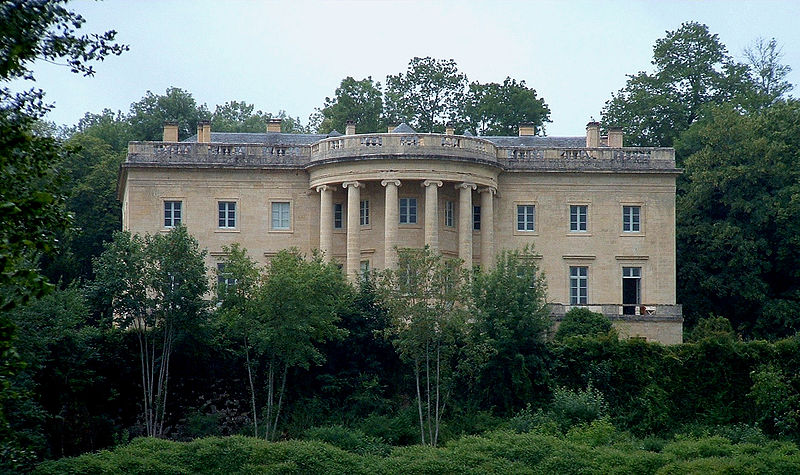
Photo of Château de Rastignac by MOSSOT, via Wikimedia Commons

Photo of Château de Rastignac by MOSSOT, via Wikimedia Commons

#5 – Just-for-fun fact: A house (now sub-divided into apartments) in the area, known as Château de Rastignac, was designed to look like the US White House. While the architect, Mathurin Salat, never visited the United States, it is known that our wine-loving third President, Thomas Jefferson -who had reviewed the original architectural plans of the White House – did visit the area and meet Salat during Jefferson’s service as the US Ambassador to France.

The Bubbly Professor is “Miss Jane” Nickles of Austin, Texas – missjane@prodigy.net
Now on the Wine Travel Bucket List: Moldova

moldova mapQuick! Tell me everything you know about Moldova!

If you can’t come up with anything, don’t feel bad. As of yesterday, I knew a grand total of about three things about Moldova: one-it was part of the former Soviet Union; two-they make wine there (but I couldn’t tell you anything about it); and three-it is the home of the “Epic Sax Guy.”

Today, though, I can tell you quite a bit more about Moldova. For instance, Moldova is located between Romania and Ukraine, just north of the Black Sea. As part of the breakup of the Soviet Union, Moldova declared itself an independent state – the Republic of Moldova – in 1991. The transition has not been easy and there has been civil unrest and economic woes. But there has also been progress, and in 2013 Moldova entered into an “Association Agreement” with the European Union, meaning that they can work towards aligning their practices with EU standards in the hopes of becoming a member in the future. It should be interesting to see how that unfolds.

This also means that wines of Moldova may soon fall under EU standards, and perhaps that means that more wine lovers may soon become a bit more familiar with Moldovan wines. For starters, here are a few fascinating facts about the wines of Moldova:

It’s ancient: Moldova has one of the oldest wine cultures in the world; there is evidence of wine production in the area as far back as 3,000 BC.

It’s growing: Moldova currently has over 275,000 acres of vines. Of the vinifera grapes planted, about 70% of them are international varieties of the Cabernet-Merlot-Chardonnay type. About 20% are grapes sometimes called “Caucasian grapes” and are widely grown throughout eastern Europe – Rkatsiteli and Saperavi, for example.

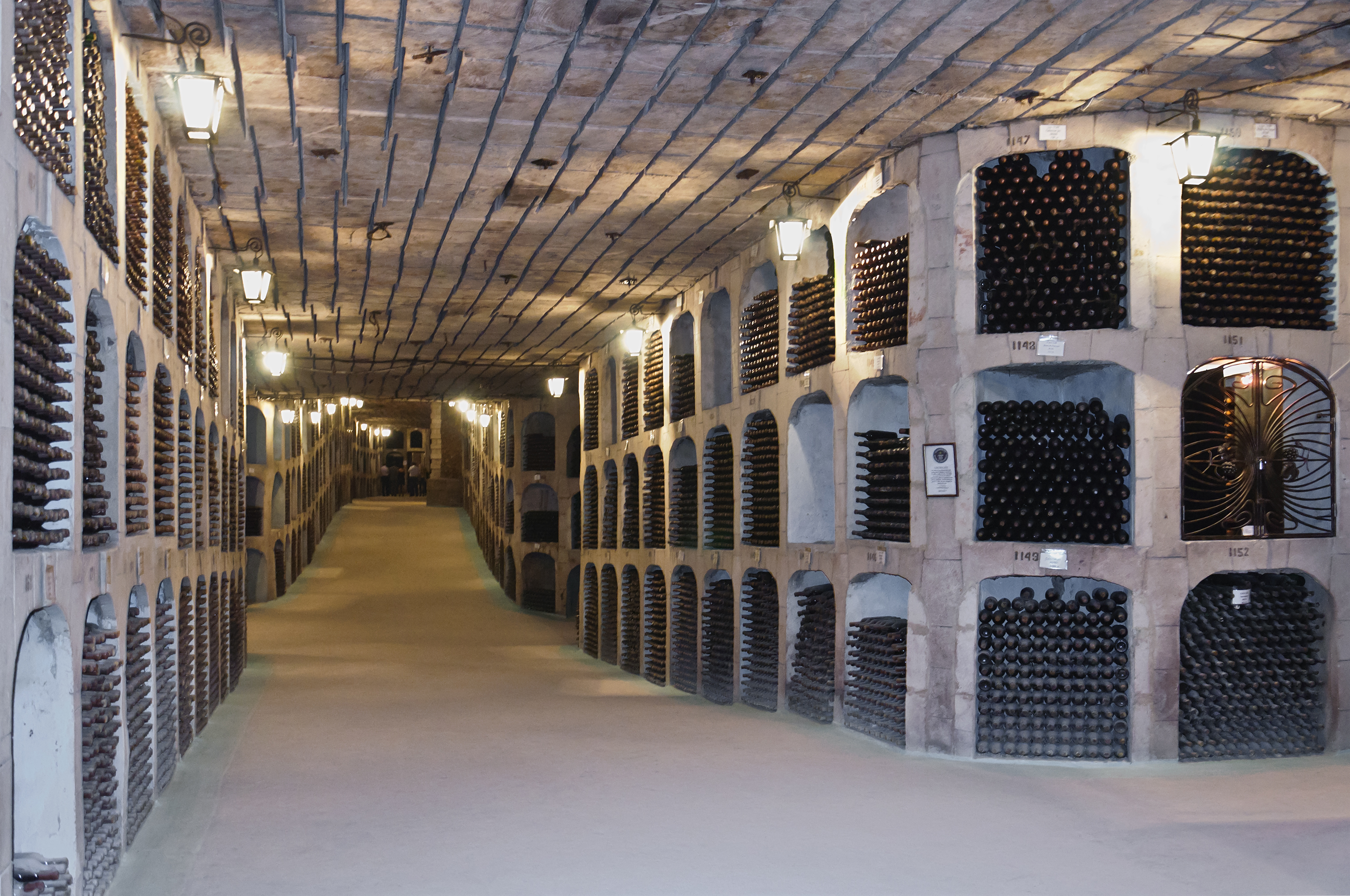
"Caves Milestii Mici Moldavie" by Photo: Myrabella / Wikimedia Commons.

“Caves Milestii Mici Moldavie” by Photo: Myrabella / Wikimedia Commons.

It’s indigenous: About 10% of Moldova’s vineyards are planted to the indigenous varieties of the region. Some of these include Feteasca Alba (white), Feteasca Regala (white), Feteasca Neagra (red), Rara Neagra (red), and Viorica (white). These are surely some of the most historic and unique wines of the region.

It’s deep: Moldova is well-known for its historic and extensive wine tunnels. The cellars of Mileștii Mici Winery stretch on for over 135 miles, at an average depth of 250 feet. The cellar, built in the style of a feudal fortress, is understandably one of Moldova’s most popular tourist attractions. With over 1.5 million bottles of wine from all over the world – some dating back to the 1960’s – Mileștii Mici Winery’s “Golden Collection” holds the Guinness World Record for the world’s largest wine cellar and wine collection.

It sparkles: During the time of the Soviet Union, Moldova was a large producer of the sparkling wine known at the time as Sovetskoye Shampanskoye (“Soviet Champagne”). The Cricova Winery, the largest producer of Moldovan sparklers, makes its wines using the “Traditional Method” and ages its wine in its underground cellars. The underground cellars of the Cricova Winery –  stretching on for 45 miles and housing a large wine collection known as the “National Vinotheque” – are almost as impressive as the cellar at Mileștii Mici.

Map via the Wine of Moldova site: http://wineofmoldova.com/en/

Map via the Wine of Moldova site: http://wineofmoldova.com/en/

It has 4 designated regions, including 3 PGIs:

  • The historic region of Balti is the smallest, northernmost and coolest region. The Balti region produces mainly white wines as well as a high-quality brandy known as Divin.
  • The Codru PGI is the largest area, producing over 60% of the country’s wine.  This cool-to-warm-climate region, surrounded by forests, is known for white wines.
  • The Valul lui Traian PGI, located in the southeast of the country, is the leading producer of red wine.
  • The Ștefan-Vodă PGI, located in the basin of the Nistru River, includes the famous Purcari region. It produces both red and white wines. Purcari wines have been renowned throughout Europe since 1878, when Negru de Purcari (a red wine made with Cabernet Sauvignon, Rara Neagră and Saperavi grapes) was awarded a gold medal at the World Exhibition.

For more information, visit the Wine of Moldova website!


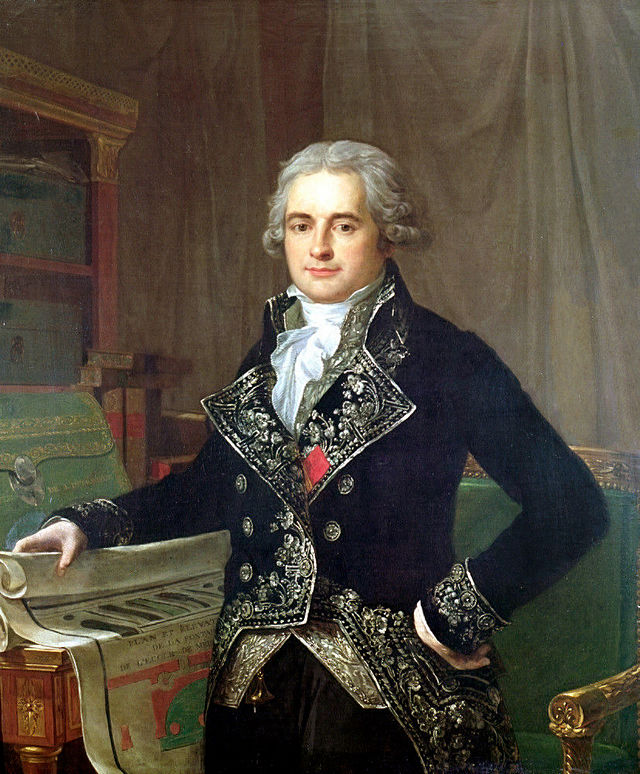
Jean-Antoine Claude Chaptal, Comte de Chanteloup

Portrait of Jean-Antoine Chaptal (1815)  by Anicet Charles Gabriel Lemonnier

Portrait of Jean-Antoine Chaptal (1815) by Anicet Charles Gabriel Lemonnier

Winemakers all over the world consider him a friend, but in public, they might pretend they don’t know him. No, he isn’t a fuzzy underworld-figure selling steroids; nor is he an embarrassing relative, nor a wine writer with a price. He is Jean-Antoine Claude Chaptal, Comte de de Chanteloup!

Perhaps we should refer to him by the name and moniker by which he is best-known (to wine lovers, that is), simply Jean-Antoine Chaptal. Jean-Antoine, a scientist, professor, and industrialist, perfected the process of adding sugar to grape must before fermentation in order to increase the final level of alcohol in the wine. That process, now known as chaptalization, is still in use today.

Jean-Antoine was actually a fascinating man. Born on June 4, 1756, he died in 1832, having lived until age 76. He was a both a chemist and a medical doctor. He chaired the chemistry department of the medical school at the University of Montpellier, and is credited with coining the term “nitrogen” (fr. nitrogène) for a gas produced via nitric acid, previously referred to as “mephitic air.”

A learned, confident, and outspoken man, Chaptal was arrested and imprisoned during the French Revolution. Despite this, after the revolution Dr. Chaptal became a statesman, succeeding Lucien Bonaparte as Minister of the Interior of the First French Empire. During his time as Minister of the Interior, Dr. Chaptal established the Paris Hospital, built a chemical manufactory near Paris, founded a school of arts, and instituted the metric system in France.

Dr. Chaptal, a decorated man of science, was conferred the title of Comte de Chanteloup by Napoleon himself.  In 1816, he was nominated a member of the French Academy of Sciences by Louis XVIII. He was awarded the Grand Cross of the Legion of Honor, the cordon of the Ordre de Saint-Michel, and his name is one of the 72 names inscribed on the Eiffel Tower. Rue Chaptal in Paris’ Montmarte neighborhood is named after him.

Perhaps, however, his greatest legacy is that silky Pinot Noir, that bracing Riesling, or that lighter-than-air Champagne that you are enjoying right now. As we know, it just might have been produced with a little help from chemistry, as seen by the mind of Jean-Antoine Claude Chaptal, Comte de Chanteloup.

The Bubbly Professor is “Miss Jane” Nickles of Austin, Texas – missjane@prodigy.net

Decoding the Amtliche Prüfungsnummer

AP rhineThis is a blog post borne of necessity…in teaching my online CSW Prep Classes, I always dread “Module 8.” Module 8, you see, covers the wines of Germany and Austria.

This does not in any way mean that I dread talking about – or partaking of – the wines of Germany and Austria. As a matter of fact, the Grosses Gewachs Mosel Riesling or Kremstal DAC Grüner Veltliner I am sipping alongside is most likely going to be the highlight of my day.

But it’s all about the words, the language, the umlauts and the eszetts. They are all a bit intimidating and confusing to me, being a native English speaker who never traveled to Europe until the 4th decade of her life.

So, in an attempt to dive straight to the heart (in das Herz) of the matter (von tge Sache) I set about to understand something that had always baffled me: Amtliche Prüfungsnummer. It turns out, the Amtliche Prüfungsnummer, while certainly appearing cryptic and complicated, contains a lot of useful information about a German wine, and absolutely reveals the seemingly complex tangle that is German wine to be a highly organized, useful system.

First of all, for the simple language (thank you, Google Translate).

Amtliche – “Official”

Prüfungsnummer – “Exam Number”

Thus, our Amtliche Prüfungsnummer, commonly referred to as the “A.P. Number,” translates as  “official exam number,” although most wine references will refer to it as the “official approval number.”  The A.P. Number identifies the wine as to producer, village of origin, and testing center where the wine was awarded its official approval. The process is required for all wines bottled under the classifications of QbA and Prädikatswein.

The actual number consists of several blocks of figures – surely you’ve seen one, looking quite complicated, such as this example:

AP wine glassA.P. NR. 2 606 319 011 07

Here is what those numbers mean:

2 606 319 011 07: 2 – The first number represents region where the wine was tested. The wine will be tested in the same general region where it was produced, however, there are only 9 testing centers as opposed to 13 quality wine regions (Anbaugebiete). This testing center – number 2 – handles wines from the Middle Mosel and Rheingau.

2 606 319 011 07: 606 – The second number, which may be two or three digits, represents the particular village within the larger testing region, where the wine was produced.

2 606 319 011 07: The third number represents the particular bottler (producer).

2 606 319 011 07: The fourth number represents the sequential order that the wine was submitted by that produce. In other words, this is the eleventh wine submitted for testing in this particular year by the producer.

2 606 319 011 07: The fifth number represents the last two digits of the year that the wine was submitted for testing, usually the year after the vintage.

Whew! Do you have information overload? It’s a lot of data, but remember, this is all to protect the quality and reputation of German wines, which is good for everyone – even us consumers. Producers are required to keep sample bottles of each wine for a certain number of years, and thus the system is such that, if a complaint were received or someone had reason to doubt a wine’s authenticity, a bottle of the specific wine could be located and tested.

Simple? No.

Effective? Yes.

I sleep better at night knowing my Pflaz Riesling (5 594 022 17 12) and my Rheingau Spätburgunder (4 383 675 01 11) is signed, sealed, and approved!

The Bubbly Professor is…”Miss Jane” Nickles of Austin, Texas – jnickles@prodigy.net


It’s all about that CLORPT

.

.

It happened again. All I really wanted to do was to get a quick, google-assisted definition of the word “colluvial.” I had read somewhere (the particular book, magazine, or webpage long since totally forgotten) that many of the soils in Alsace were colluvial.

Colluvial soils, it turns out,  are made up of materials that tend to accumulate at the bottom of steep slopes and cliffs, mainly via the action of gravity – as opposed to alluvial soils, which accumulate due to the action of rivers and streams.

But here’s what I also found out…we are living in the pedosphere! The pedosphere, which rests above the lithosphere (basically the earth’s crust and mantle) but below the atmosphere, is the outermost layer of the earth. It is where soil lives, and where soil is formed, via the weathering (breaking down) of minerals, the decomposition of organic matter, and everything moving around (as in living things moving around, as well as -ahem – colluvial and alluvial actions). The pedosphere is the foundation of all plant life (and therefore animal life) on the planet. And here we thought it was all about the specific flavor of Riesling from the Haut-Rhin!

Soil has Texture

Here’s something else I learned: soil has texture. Good students of wine most likely know that the particles that make up soil are categorized by size, with clay being the smallest, silt the intermediate, and sand the largest. The blend, so to speak, of the particles is what makes up a soil’s “texture.” There are actually 12 major soil classifications, as defined by the USDA. Some of these, such as “sandy clay” or “silty clay” are self-explanatory; while “loam” is made up of somewhat equal parts of sand, silt, and clay.

.

.

Soil has Color

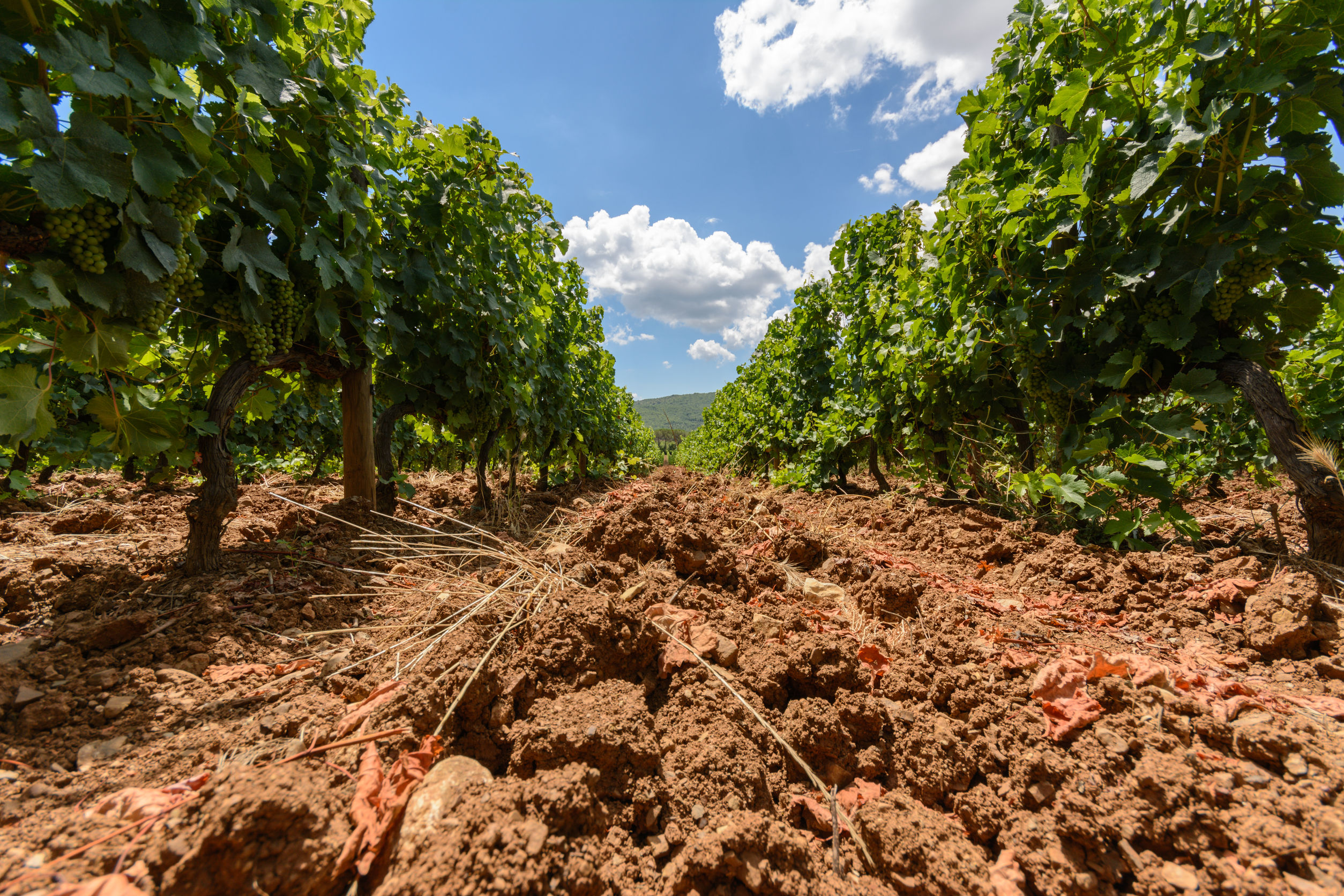
We know about bright-red terra rosa and glistening gray llicorella, so it shouldn’t come as a big surprise that the color of soil varies according to mineral content, organic material, and water. That lovely orange/brown color signals high iron content. Dark brown or black soils are high in organic material. A well-drained soil is brightly colored, while a poorly drained soil will show an uneven pattern of red, yellow, and gray.

Soil has Structure.

Is this beginning to sound a bit like wine? Color, texture, structure? Perhaps that’s a stretch – but you have to admit all things are connected. The structure of soil relates to how the soil particles arrange themselves into small clumps, called “peds.” Peds vary due to the nature of the particles themselves and the conditions under which they were formed. For instance, getting wet and drying out, freezing and thawing, being walked on, having things grown in it, and/or being moved around can all influence the nature of the peds.

There are six basic ways to describe soil’s structure, based on how these peds interplay. They are: platy, prismatic, columnar, blocky, granular, and single-grained. Platy soil is thin and flat; sometimes the result of being walked on or otherwise compacted. Prismatic soil is formed into columns; columnar soil is also formed into columns but with a salty “cap.” Blocky soil is irregular. Granular is crumbly, usually the result of plant growth. Single-grained soil refuses to “clump” together.

.

.

Good/Bad Dirt = Texture, Structure, and CLORPT

Soil “behaves” based on a combination of texture and structure. What a farmer might call “good soil” may be a granular soil with a loamy texture, as it holds water and nutrients. A vigneron, however, might prefer a sandy clay soil with a blocky texture, as it would be well-drained of both water and nutrients.

As for the specific soils we wine students love to talk about – jory, tufa, greywacke, marl, schist, shale, slate…they differ due to five major factors, known as CLORPT. (Now there’s a term I bet you never heard before!) CLORPT stands for climate, organisms, relief, parent material, and time – all the things that go into the various vineyard soils, all over the world, that make such tasty wine. And, lest we forget – they support all plant life and therefore animal life as well – one must eat before one can drink.

The Bubbly Professor is “Miss Jane” Nickles of Austin, Texas – missjane@prodigy.net

Note: I researched this post using about two dozen Wikipedia pages, the Soil Sciences of America Association,  and the “gardening resources” page on the Cornell University website.

The Good, The Bad, and the Diffuse

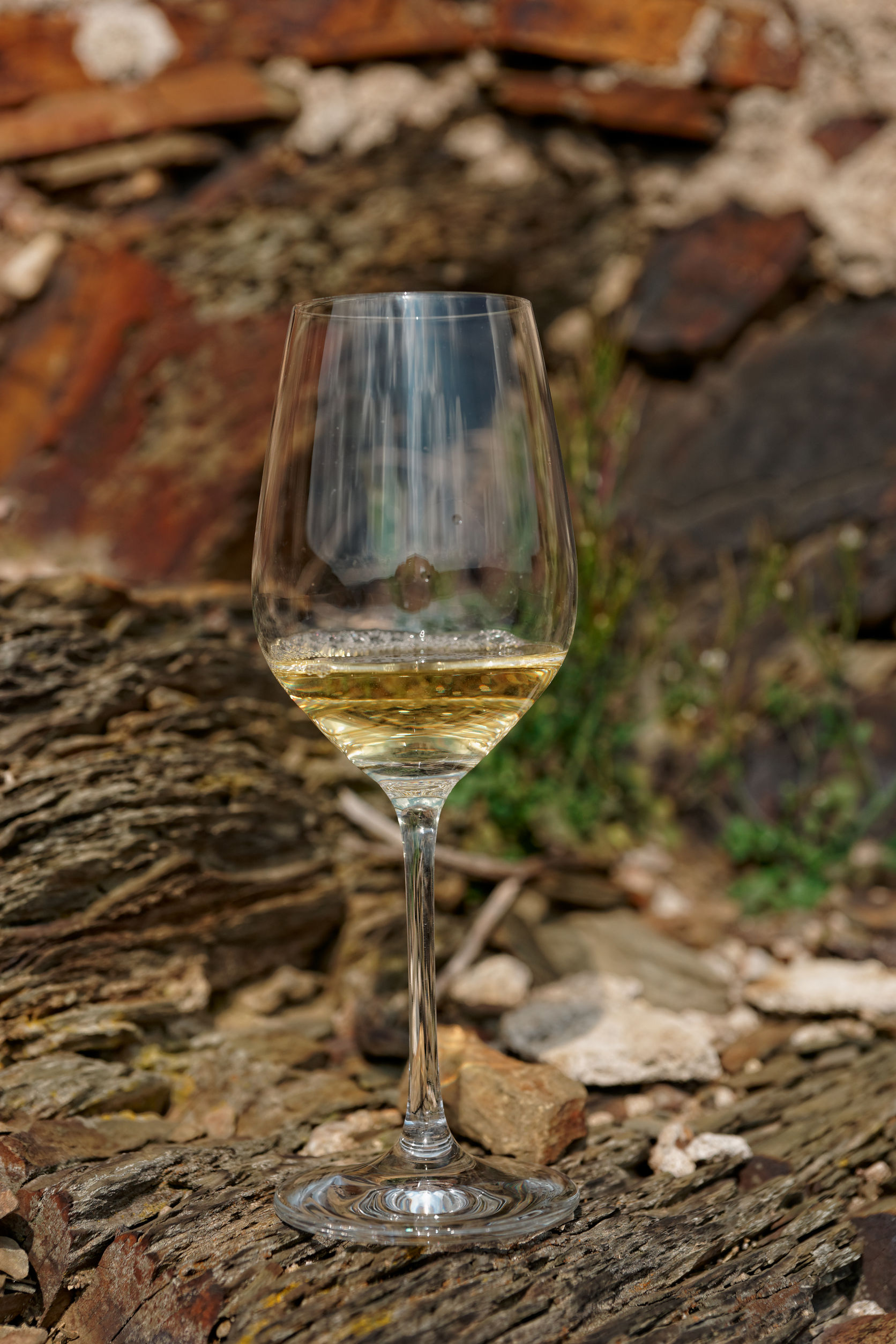
Structure

Structure

Last summer when I was putting together my “Palate Tune-Up” session for the SWE Conference in Seattle, I spent a great deal of time researching, thinking about, and (yuck) experiencing wine faults. After all, the main premise of the session was to learn to recognize faults – sulfur dioxide, TCA, excessive Brett and other such imbalances – in wine.

It soon occurred to me, however, that giving such a session based on the ick-factor might be something akin to career suicide. Why would people choose to attend the ick-factor session, when Cru Artisan Bordeaux was being poured right next door?

With that in mind, I decided to start the course off by pouring three spectacular wines – each chosen to represent a specific aspect of what we expect in an excellent wine – before we tested the faulty wines. So, my next challenge was to define – and then demonstrate – what makes a wine “excellent.”

As every wine lover knows, defining what makes a wine “excellent” is a challenging – and very subjective – proposal. Every time I came up with a succinct definition, I could hear the arguments and rebuttals from my future audience.

Balance

Balance

Thus, it was several weeks before I came up with my examples. I would choose a wine to represent the following three aspects of an excellent wine: Complexity, Balance, and Structure. Complexity and balance were relatively easy to define, demonstrate, and provide with near-perfect examples.

Structure, on the other hand, eluded me. I thought I knew what it meant, and I could definitely recognize both its presence and absence in a wine, but it was difficult to put into words without talking around and through the matter for less than ten minutes.

So…of course I went on a research bender. What did the wine experts among us have to say about structure?  The New Wine Lover’s Companion had a pretty good definition, basically stating that structure referred to a wine’s “architecture – its plan – including the building blocks of acid, alcohol, fruit, glycerol, and tannins.”  It went on to say that the term “structure” is meaningless without an adjective in front of it, such as “well structured” or “strong structure.”

The Wine Spectator’s online glossary also had a decent enough definition – saying it was related to “mouthfeel.”  Many other references used the rather clichéd “its like milk versus cream” line of reasoning or provided a multitude of synonyms for body – texture, backbone, weight – or provided adjectives to describe it – mouth-filling, brawny, rich, lean, gritty, velvety, smooth.

Complexity

Complexity

But I still wanted to know just what it was…the technical-sorta definition as to what provides a wine with good structure.  Professor Emile Peynaud came as close as anyone could possibly, it seemed, to delivering what I wanted to know with his definition of “structure” as “impressions of volume, form, and consistency.” In other words, structure is the taster’s sense of the wine’s physical make-up.

But it still seemed that I would need to write my own definition to convey just exactly what I meant to say. So I came up with the following: I would explain what is meant by a wine’s structure beginning with the interplay of the same set of attributes that contribute to balance in flavor. In my definition, therefore, a wine’s structure is composed of the sensory impact of acid, sugar, fruit, tannin, extract, and alcohol – but instead of noticing how these components impact flavor, we draw our attention to how they work together to create the tactile sensation of the wine.

So much for the definition! Now, I needed to define and demonstrate how a lack of structure would be described in a wine. Defining the opposite of balance was easy: unbalanced. Defining the opposite of complexity was very easy: monotony. But the only “textbook” opposite of “structure” I could find was “unstructured.” That just didn’t seem right.

Diffuse

Diffuse

So I went on another month-long research bender to find the perfect word that meant “unstructured.” I could find many ways to discuss wines with inadequate or unbalanced structure. For instance, the term “hollow” is also used to denote lack of structure; hollow wines are diluted and lack depth. A “brawny” or “rustic” wine may be described as a hefty wine with plenty of weight, flavor, and grit; but lacking in the complexity needed to bring the elements together in a refined way. And everyone’s favorite – “flabby” to describe a wine lacking in acid, or missing its “backbone.”

But there was no real “winespeak” term to define lack of balance, texturally speaking. So I found an excellent word to portray what I meant – diffuse. The term diffuse is used to describe a building or structure with no strength, or something that is scattered, spread out, or dispersed.  Remembering that “structure” refers to the elements of texture and their relationship, I think it describes a wine lacking in the regard quite well.

The Bubbly Professor is “Miss Jane” Nickles of Austin, Texas – missjane@prodigy.net