Five Fast Facts about Strohwein

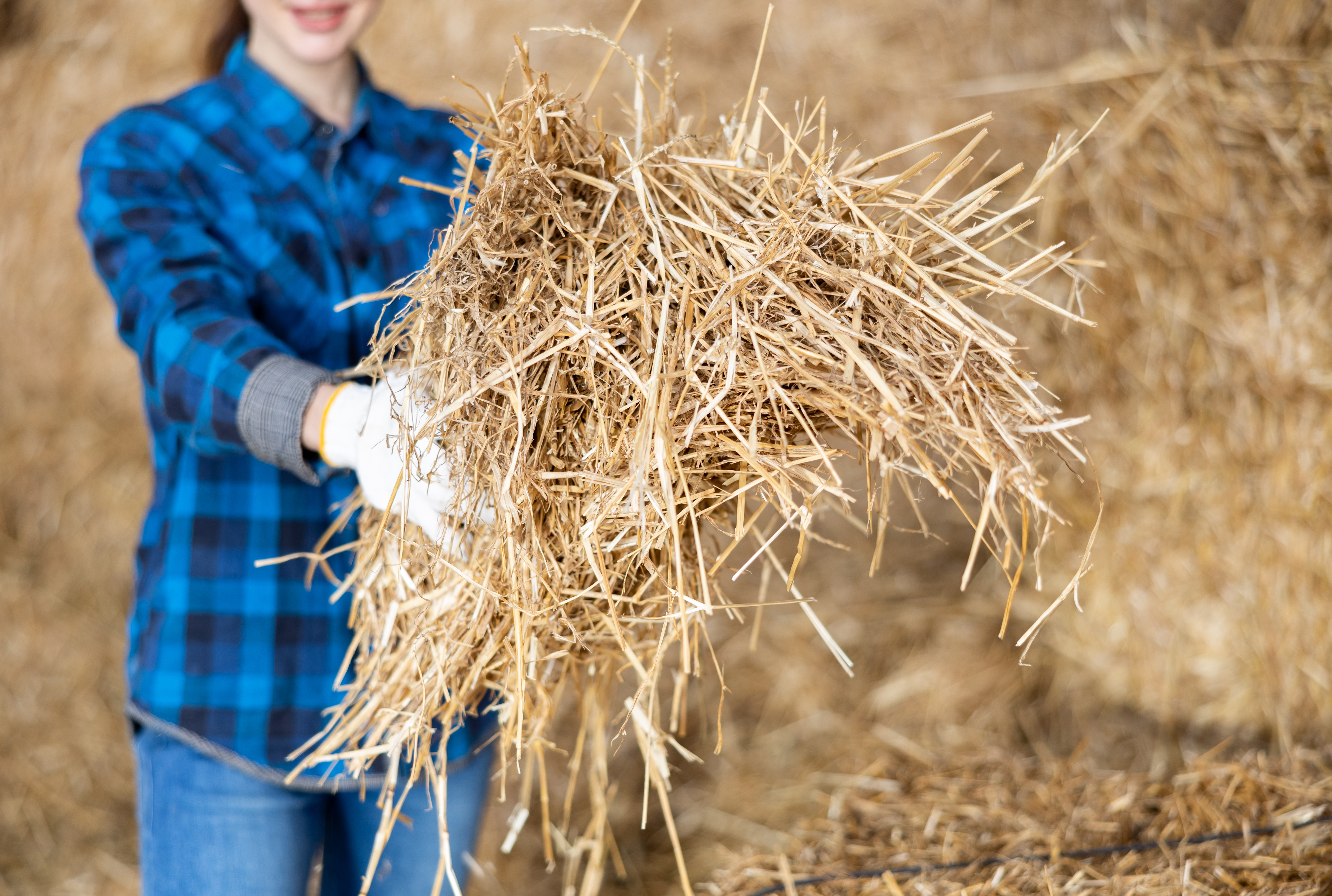
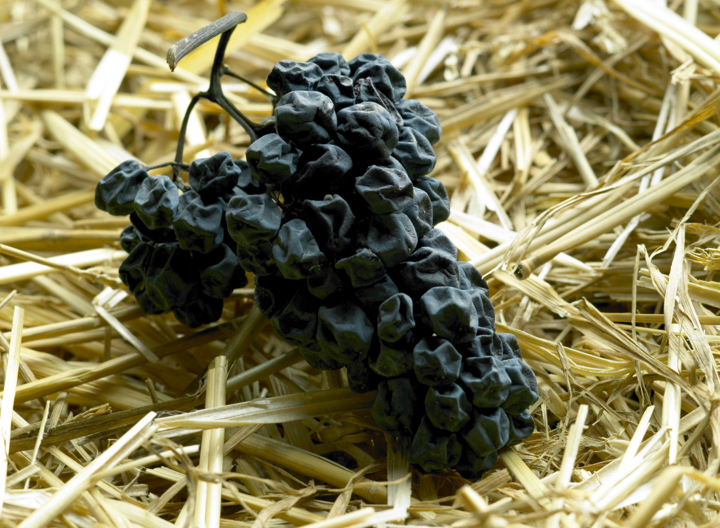
Sweet wine made from grapes dried on straw mats, often referred to as straw wine—has a long history in Europe. The first such examples were likely produced in Greece, and the drying technique eventually made its way to Italy (where a more general term—passito—is typically used to refer to dried-grape wines of many types).

Students of wine will undoubtedly recognize Strohwein as a specific type of dried-grape wine produced in Austria—and in doing so they would be almost correct! Read on to read five fast (and fascinating) facts about Strohwein.

#1: In Austria: Strohwein is indeed a type of sweet, dried-grape wine produced in Austria. The country obtained EU protection for the term as representing it as a distinctive product of Austria in 1999. Schilfwein (reed wine)—also registered as a distinctive product of Austria in 1999—is synonymous with Strohwein. In Austria, the term Strohwein can only be used on a PDO wine, with Burgenland as a leading region. There is a minimum of 5% abv, but no minimum sugar is mandated.

#2: Specifications for Austrian Strohwein: Grapes are to be stored (dried) on straw or reed mats for at least three months. Sugar content before pressing must be minimum of 25°KMW (about 29.6° brix). The white grapes of Austria—including local favorites Grüner Veltliner, Muscat, and Riesling—are often used for Strohwein, but red grapes such as Zweigelt and Blaufränkisch are used as well.

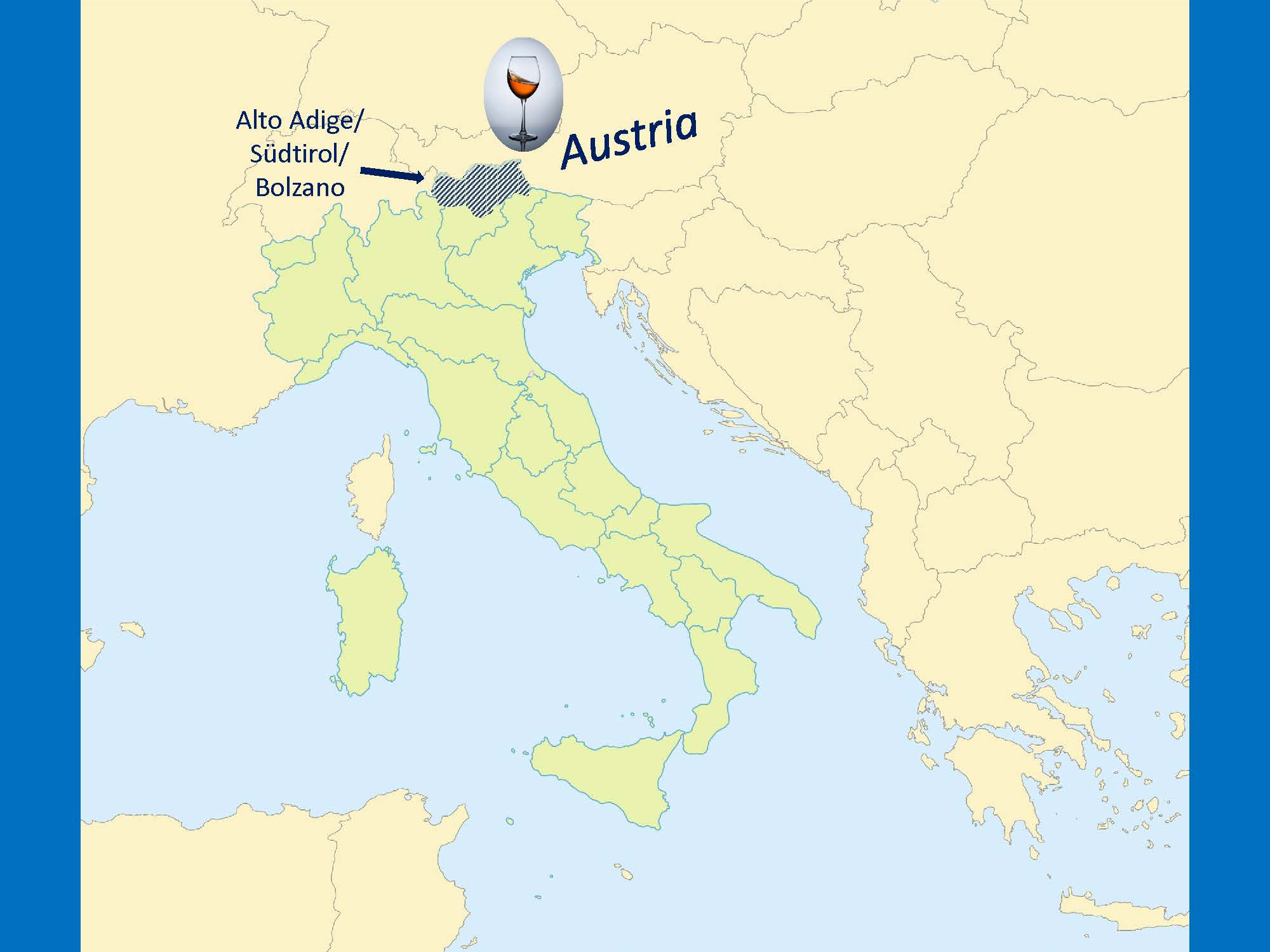
#3: In Italy: Italy is also allowed to use the term Strohwein for certain products produced in the province of Bolzano (also known as South Tyrol, Südtirol, or Alto Adige). Bolzano is located in the far north of Italy, just south of (and adjacent to) the Austrian state of Tyrol. Italian Strohwein may be labeled with a PDO or a PGI designation. As such, it may be produced under any of the following appellations: Alto Adige/Südtirol DOC, Mitterberg IGT, or Vigneti delle Dolomiti IGT.

#4: Specifications for Italian Strohwein: The Italian definition of Strohwein requires that the grapes be dried, after harvest, over a straw trellis. According to the requirements of the Alto Adige DOC, passito wines may be produced using Chardonnay, Pinot Bianco, Pinot Grigio, Müller Thurgau, Sauvignon, Riesling, Silvaner, Gewürztraminer, Kerner, and/or Moscato Giallo grapes, and may not be sold until June 1 of the year following the harvest.

#5: Straw wine from Germany (or not): Despite its penchant for sweet wines, dried-grape wines of any type were— along with the major re-writing of the German wine law—disallowed for use in the PDO wines of Germany in 1971. The reasoning was (so it seems) that dried-grape wines were not “fresh” and that the drying process roughly equated to chaptalization. However, in the early 2000s, the Ulrich Stein Estate lobbied the ministry of viticulture and eventually succeeded in getting the ban on straw wine overturned. However, by the time this was accomplished—in 2009—Austria and Italy had already protected the term. Eventually, Ulrich Stein was able to get a new term—Striehween (based on a local dialect)—trademarked for use with certain wines. (It is not, however, part of any appellation rules.)

Switzerland produces dried grape wines sometimes labeled with the term Strohwein—but keep in mind, they are not a member of the EU—and like much of the world beyond Europe—they are not entirely beholden to EU rules.

France has a small but interesting tradition of straw wine—known as Vin de Paille—and we will tackle that topic in the near future! Keep in mind that straw wine—no matter what you call it—is typically produced in exceedingly small amounts and will likely be difficult to procure outside of the region of production.

References/for more information:

The Bubbly Professor is “Miss Jane” Nickles of Austin, Texas… missjane@prodigy.net
 

Wine Grape Cheat Sheets: Sangiovese

Sangiovese ChiantiThe Soundbyte:  It is widely accepted that Sangiovese was well-known to the winemakers of Ancient Rome, and it is suspected that the grape was known in Tuscany as far back as the time of the Etruscans. These days, Sangiovese is widely grown throughout Central Italy—from Romagna to Lazio—and throughout Italy down to Campania and Sicily.

Outside of Italy, Sangiovese is mainly known as the lead grape of Chianti (in all its variations), but lovers of Italian wine know that it also stars in the majority of the Tuscany’s other red wines—to include Carmignano, Vino Nobile di Montepulciano, Morellino di Scansano, Brunello di Montalcino, Rosso di Montalcino, and Sangiovese di Romagna, among others. In a country growing hundreds (if not thousands) of different grapes, Sangiovese reigns as the number one grape variety in Italy, where it accounts for nearly 10% of the entire wine grape crop.

While increasingly seen as a stand-alone varietal, Sangiovese is often used in blends. In Tuscany it is likely to be blended with small amounts of Canaiolo, Colorino, Trebbiano, or even international varieties such as Cabernet Sauvignon, Cabernet Franc, or Merlot.

Typical Attributes of a Sangiovese Based Wine:

  • The flavor profile is complex, with earthy aromas often overtaking the scent of fruit, spice, flowers, and oak.
  • Sangiovese has a moderate to high level of natural acidity.
  • Medium to full-bodied, with descriptors ranging from supple-and-elegant to assertive-and-robust.
  • The finish tends to have a little bite of bitterness.  I often describe it as “bitter cherry.”
  • Medium to medium-plus tannins, often assisted with a bit of oak contact.
  • Sangiovese can be used to produce a lighter style of red wine, and this approachability has made it a consumer favorite.  Sangiovese also makes a wonderful, spicy rosé, and stars in many an Italian rosato.

Typical Aromas of a Sangiovese Based Wine:

  • Fruity:  Plum, Cherry, Blackberry, Raspberry, Strawberry, Blueberry, Mulberry, Orange Peel
  • Spicy:  Tea, Clove, Cinnamon, Thyme, Anise
  • Floral:  Violet, Dried Flowers
  • Wood-derived:  Cedar, Oak, Vanilla, Sweet Wood, Smoke, Toast, Tar
  • Earthy:  Wet Leaves, Wet Dirt, Forest, Tobacco, Tea, Dusty, Herbal

Where The Best Sangiovese is Grown:

  • Italy—its native home—where it is the most widely-grown red grape variety.
  • Sangiovese BrunelloIt especially thrives in Tuscany, where it forms the base of the wines of Chianti, Chianti Classico, Vino Nobile de Montepulciano, and Brunello di Montalcino as well as many other wines. It is sometimes part of the blend—often alongside Cabernet Sauvignon or other grape invaders—in the wines known as the Super Tuscans.
  • Beyond Tuscany, it is found throughout Italy and is a main grape in Umbria, Marche, Lombardy, Emilia-Romagna, and as far south as Campania and Sicily.
  • Italian immigrants brought Sangiovese to California.  The earliest recorded Sangiovese vineyard in California is the Seghesio Family’s Chianti Station Vineyard, planted near Geyserville in 1910. However, Sangiovese never really took off in California until the Super Tuscan movement of the 1980’s.  Since then, Sangiovese has been gaining popularity in the United States and is now grown in Napa, Sonoma, and The Sierra Foothills.
  • Flat Creek Estate in Marble Falls, Texas (once-upon-a-time in 2005) created a Sangiovese-Cabernet Sauvignon blend they called a Super Texan. The wine immediately commanded world wine attention when it won the coveted Double Gold Medal at the San Francisco International Wine Competition that year.  Sangiovese continues to thrive in Texas.
  • Oregon, Washington State, Virginia, and The Niagara Peninsula now have Sangiovese plantings, as do Australia, Argentina, Romania, Corsica, South Africa, and Chile.

 Food Affinities – Base Ingredients: 

  • Beef, Lamb, Pork, Chicken, Turkey, Duck, Hard Cheeses
    sangiovese steak

Food Affinities – Bridge Ingredients:

  • Simple, rustic dishes, Grilled Foods, Fresh Herbs
  • Tomatoes, Sun-dried Tomatoes, Tomato Sauces
  • Onions, Garlic, Mushrooms, Eggplant, Fennel, Roasted Bell Peppers
  • Green Olives, Black Olives, Capers
  • Pecans, Walnuts
  • Pasta Dishes, Risotto Dishes
  • Prosciutto, Pancetta, Bacon

Note: When it comes to food pairings, by all means—drink what you like!

The Bubbly Professor is “Miss Jane” Nickles of Austin, Texas….


Tannat Hero

Pascual Harriague in 1880 (Gobierno de Salto)

Pascual Harriague in 1880 (Gobierno de Salto)

Every good wine student knows that Uruguay is the fourth largest wine producer in South America. Every good wine student also knows that Tannat is the leading grape of Uruguay—accounting for close to 45% of all vineyard plantings in the country and producing a unique style of wine when grown in the vineyards around Montevideo in southern Uruguay.

But did you know that in Uruguay, Tannat is often referred to by the name Harriague? And that Don Pascual Harriague—a Frenchman from the Basque country—might as well be called the hero of Tannat?  As you may have suspected, there’s a story there!

Pascual Harriague was born in 1819 in Lapurdi—a traditional Basque province that is now part of the French Pyrénées Atlantiques département. In 1838, at the age of 19, he moved to Uruguay. Settling in the capitol city of Montevideo, he worked in a saladero del cerro—basically a meat processing/tannery facility—making meat jerky, lard, soap, and other products.

In 1840, Harriague moved to Salto at the invitation of John Claviere, the owner of the Saladero Quemado Ceibal. He partnered with Clavíere in a prosperous business known as the Saladero Quemado Ceibal. While living in Salto, Harriague developed an interest in farming. Over the years, he acquired a bit of land where he discovered native grape vineyards growing wild. He tried to cultivate these vines to use in wine production, to no avail.

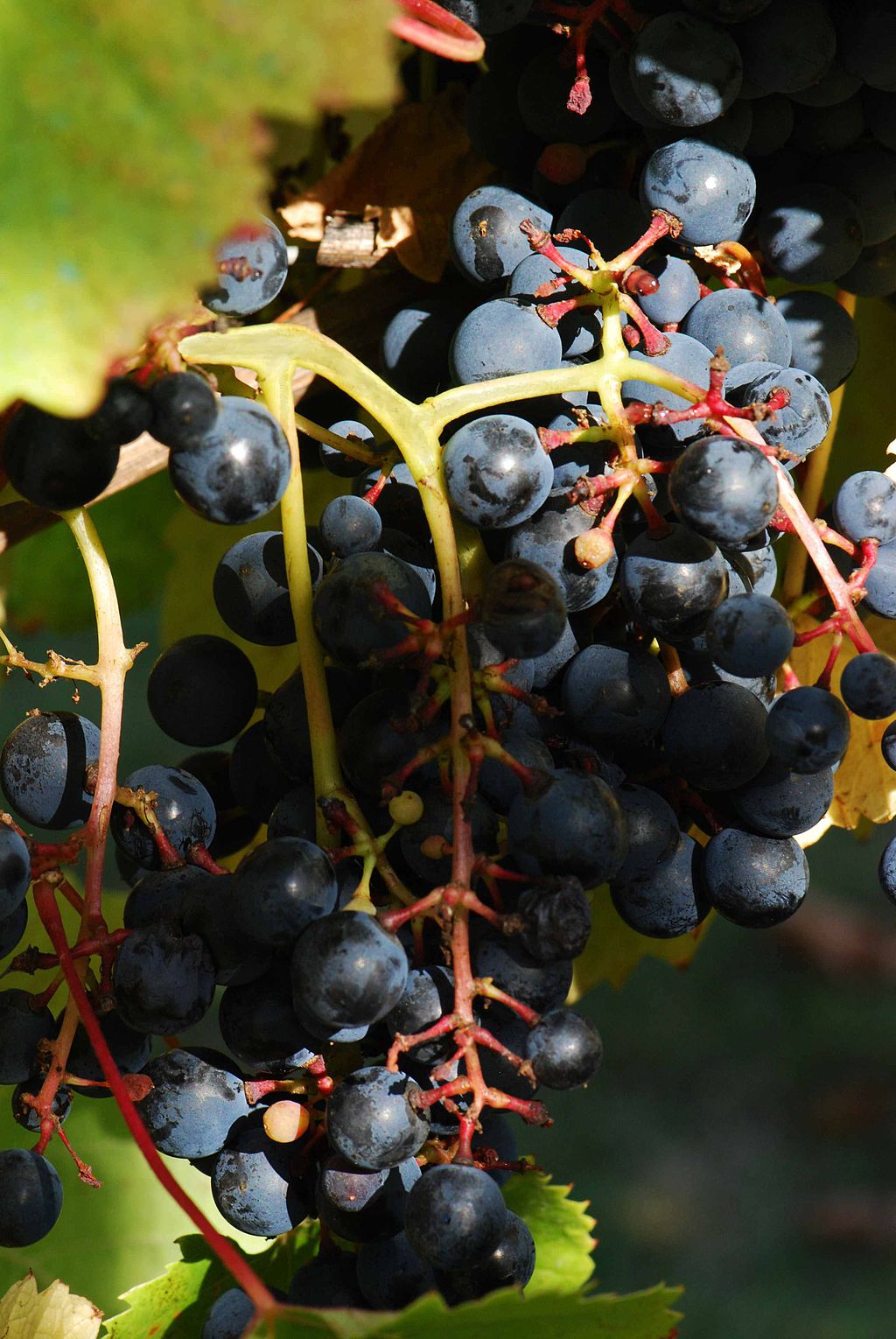
Photo of Tannat grapes by Pancrat, via Wikimedia Commons

Photo of Tannat grapes by Pancrat, via Wikimedia Commons

He later consulted Juan Jauregui, a viticulturist from Concordia (an Argentine city located just across the Uruguay River from Salto). Through this connection, Harriague acquired some grape cuttings from Madiran in Southwest France, a region not too far from his home in the Basque Country.

These grapes turned out to be the Tannat variety. Harriague cultivated the grapes and had his first harvest of Tannat in 1878, followed soon thereafter by the successful production of Tannat-based red wines. Harriague’s winery quickly became the leading winery in the country, and its success led other farmers to enter the fields of viticulture and wine production. Soon, there were more than 90 wineries in the country, located mainly in Salto and around Montevideo (closer to the coast).

In 1888 the government of Uruguay awarded Harriague with the Medalla de Oro (gold medal) for the quality of his crops and his contribution to the industry of Uruguay. That same year, his Tannat won a silver medal for red wine at the Universal Exposition in Barcelona and again in Paris.

After many successful years of viticulture, phylloxera eventually ravaged the vineyards of Uruguay and Pascual Harriague returned to Europe. After his 1894 death at the age of 75, his daughters fulfilled their father’s dying wish and returned his ashes to Salto.

Uruguay has honored the legacy of Don Pascual Harriague in many ways. In 2001, the public high school in Salto was renamed Escuela No. 69 – Pascual Harriague.  In 2011, the municipality of Salto began to renovate some of Harriagues’s old cellars, which had been severely damaged by a fire in 1910. The cellars and the surrounding areas have been made into a public promenade—El Paseo Pascual Harriague—in honor of one of the leading pioneers of the wine industry in Uruguay.

References (all in Spanish):

The Bubbly Professor is “Miss Jane” Nickles of Austin, Texas… missjane@prodigy.net
 Uruguay map

Wine and Thanksgiving DESSERT!

In my experience, the typical accompaniment for T-day dessert has been the dregs of whatever wine was served with the meal.  Nothing wrong with that, but Thanksgiving is a special day, so why not offer up a specially chosen Pumpkin Pie Pairing to cap off the day?

In terms of food-and-wine pairings, one of the most important concepts is to pair to taste, not to flavor.  This makes a pumpkin pie pairing really simple:  you need a sweet wine, lest the food dull out the wine. It does not need to be a tooth-zapper, uber-sweet, sugar coma-inducing type of wine—just a hint of sweetness will do. (This is, however, one of those pairings where super-sweet wine works.)

Here are a few of my favorites…perhaps you will enjoy them as well!

Sauternes:  Sauternes and its luscious sweetness is a match made in heaven for pumpkin pie.  The wine is a good “big and rich meets big and rich and they live happily ever after” type of match in terms of texture, and the subtle dried apricot-vanilla-nutmeg-dried leaves kind of aromas and flavors of Sauternes make this a fall fest in a glass.  Sauternes can be expensive; my personal favorite, Chateau Guiraud, is a cool one hundred bucks, however, there are many inexpensive (around $20.00 a bottle) versions on the market these days, and they are worth a try as well.

Tawny Port: In my personal opinion, this is one of the finest choices to pair with pumpkin pie. Over the years, as I’ve hosted (or attended) big Thanksgiving gatherings, I’ve typically been in charge of dessert wine. Without exception— no matter how big or impressive a spread I provide—the first bottle to be emptied is the Tawny Port.  So there.  First emptied = great match.  Not a scientific experiment, but a darn good one.  My go-to Tawny Port is Taylor-Fladgate 10-Year-Old Age Indicated Tawny Porto, which runs about $30.00 a bottle.

Moscato d’Asti:  Moscato d’Asti, besides being just plain hands-down delicious, is a great match for pumpkin pie. It’s light, fizzy, and sweet—but not too sweet—and when paired with pumpkin pie, the wine will transform and taste just slightly off dry.  It’s a cool trick to play with people who claim to be too sophisticated for sweet wine.  Moscato’s popularity of late has spawned a host of cheap imitations, but you can’t go wrong with a true Italian; Michele Chiarello makes a wonderful version (should retail for around $20.00).

Vin Santo:  Tuscany’s famous wine for meditation is another great match for pumpkin pie.  The wine’s just-barely-there sweetness will allow it to pair with the pumpkin pie well; after a bite of pie, you won’t taste the wine’s sweet side anymore, but it will still taste rich, woodsy, spicy, and delightful.  If you try, you might even find a scent of pumpkin pie spice lingering in your glass.  Just about any Vin Santo will delight you, but my personal favorite is from Borgo Scopeto.

Sweet wine from California: If you are looking to provide an All-American slate for your wine pairings, look to Napa Valley for some impressive sweet wines. They aren’t made in huge amounts, by Dolce (by Far Niente) is an amazing sweet white wine, as is Violeta from Grgich Hills Estate.

Brandy:  If you enjoy a long evening of conversation, Brandy is a great choice to serve with your pumpkin pie.  I personally don’t buy into the “spirits dull the palate” argument and think that Brandy with its warmth and calm makes a perfect pie pairing partner.  I fell in love with Torres Brandy on my last trip to Spain (sipped on Christmas Eve just as the neighborhood tapas bar was closing down for the night, with Christmas lights twinkling all around)—but I am equally enamored with Christian Brothers Brandy from the San Joaquin Valley in California.  The Christian Brothers Wineries and Distillery played an impressive role in the history of California Wine, as any visitor to Napa knows…perhaps that’s a story for a future blog post!

Coffee:  If you are in need of a wake-up (or sober-up) session before continuing on to the rest of your day, nothing beats a good cup of coffee with your pumpkin pie.  Coffee and pumpkin pie also makes a great day-after-Thanksgiving breakfast…just don’t tell  your fitness trainer.

Happy Holidays, Everyone!

The Bubbly Professor is “Miss Jane” Nickles of Austin, Texas… missjane@prodigy.net
Island Gin/Gin de Mahón

Here’s a question for those “in the know” when it comes to distilled spirits: Name a IGP Gin from Spain! It’s a tough question – but the answer is: Gin de Mahón, produced on the island of Menorca (one of the Balearic Islands located in the Mediterranean Sea, off the east coast of Spain).

The production of gin began on the island of Menorca during the island’s occupation by the British in the 18th century (1712-1802). This time in history coincided with London’s Gin Craze, and the British soldiers on Menorca would ask for gin during their visits to the local taverns. The island, at the time, didn’t have gin (or anything like it), so the locals found a way to re-create—and, most likely, improve upon—the London style of gin.

Using a brandy base made from wines of the region (remember, this is Mediterranean Spain and grapes and wine abound), the spirit was produced in wood-fired copper pot stills, re-distilled with juniper berries (grown wild on the island) and lemon zest, and aged in American oak barrels. This created a unique, earthy style of gin with the distinct botanical-piney-resiny aroma and flavor of juniper, along with a hint of bitter citrus, a smoky, earthy undertones, and a clean finish.

After the British left the island, the locals continued to produce and enjoy their unique style of local gin. By the 20th century, several brands began to emerge, and the gin became an international commercial success.  Xoriguer—the sole remaining brand of Gin de Mahón—was started by Miguel Pons Justo, a member of a family with a long history of craftsmanship  Xoriguer was (and continues to be) the name of their family business, and the picture on the bottle is of a windmill built on the family estate in 1784. Destilerías Xoriguer is still a family business and produces a range of spirits and liqueurs.

Gin de Mahón is produced using a base ferment of the local wines of the region, distilled in wood-fired copper stills, flavored with local juniper, and aged in American oak before bottling.

References/for more information:

The Bubbly Professor is “Miss Jane” Nickles of Austin, Texas… missjane@prodigy.net

And the award for the smallest AVA goes to….

.

For decades—since 1983, when it was first established—the Cole Ranch AVA held the title as the smallest AVA in the United States. However, as of June 30, 2021, there’s a new (tiny) kid in town, and it is the Ulupalakua AVA.

The Ulupalakua AVA is unique in many ways—including its location on the Hawaiian Island of Maui. Ulupalakua is Hawaii’s first and only AVA (to date), as well as the southern-most AVA of the United States (it sits in the middle of the Pacific Ocean on the 20th parallel). However, maritime influence and elevation helps to make this tiny corner of the 50th state conducive to quality viticulture. Believe it or not, grape-based wine production was first introduced to the region in the early 1800s—although pineapple wine and other fruit wines were (and remain) a specialty as well.

These days, there are 16 acres of vineyards located within the Ulupalakua AVA. Leading grape varieties include Syrah, Grenache, Malbec, Chenin Blanc, and Viognier. Varietal wines—Syrah is a specialty— blended wines, and sparkling wines are crafted (under several different brands) by the nearby Maui Winery, many of them using estate-grown grapes.

About that new “smallest AVA” title, here are the statistics of our two teeny contenders:

  • Ulupalakua AVA:
    • Total land area: 70 acres
    • (Reported) acres planted to vine: 16
    • Date established: June 30, 2021
  • Cole Ranch AVA:
    • Total land area: 150 acres
    • (Reported) acres planted to vine: 55
    • Date established: May 16, 1983

And the winner of the title smallest AVA in the United States is…the Ulupalakua AVA!

P.S. As part of my day job with the Society of Wine Educators, I’ll be updating the material in the 2023 Certified Specialist of Wine (CSW) Study Guide to describe the Cole Ranch AVA as the “smallest AVA in California.”

References/for more information:

The Bubbly Professor is “Miss Jane” Nickles of Austin, Texas… missjane@prodigy.net

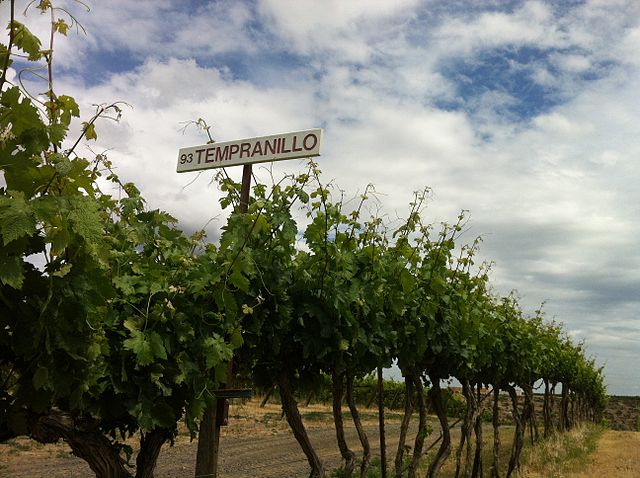
Wine Grape Cheat Sheets: Tempranillo

The Soundbyte:  Tempranillo is a primary red grape for much of Northern and Central Spain, including the famous wines of Rioja and Ribera del Duero.  It is also a key blending grape used in Port—where it often goes by the name Tinta Roriz.  It is often said that the name Tempranillo is derived from the Spanish word temprano—meaning early—and refers to the fact that the grape buds, flowers, and ripens a full two weeks before Spain’s other leading red grape— Garnacha (Grenache).

There is a fantastic old legend that says that Tempranillo ended up in Northern Spain via the Camino de Santiago.  According to the legend, Cistercian Monks making the religious pilgrimage from Burgundy to Santiago de Compostela left Pinot Noir cuttings behind at the monasteries around Haro, Burgos, and Logroño.  From these vines, the Pinot Noir grape morphed itself into its new surroundings and ended up as the Tempranillo we know now and love.  Alas, this tale must remain with us as “just a good story” seeing as recent have shown no such genetic connection between the two cultivars.  Tempranillo is, these days, believed to be a native son of Northern Spain.

Typical Attributes of a Tempranillo-based Wine:

  • Medium-to-deep ruby-red color in appearance (while young); Tempranillo-based wines can sometimes show a deep hue but lighter color intensity such as is often seen in Sangiovese or Pinot Noir.
  • These are long-lasting wines that often improve with significant aging and maturation.  This is in part due to the fact that Tempranillo has a low amount of oxidizing enzyme, making it particularly resistant to oxidation.
  • These wines, made from heat-loving, thick-skinned black grapes, tend to be medium to high in alcohol.
  • Medium-to-high levels of tannin, often described as “firm yet round”
  • Intense fruit flavors mingled with spice and earth tones, often enhanced via contact with oak
  • Tempranillo can be made into a fun, fruity, easy drinking wine via Carbonic Maceration.
  • Tempranillo makes some wonderful, dry rosés.

Typical Aromas of a Tempranillo-based Wine:

Fruity: Strawberry, Blueberry, Raspberry, Blackberry, Black Currant, Red Stone Fruit, Cherry, Plum, Raisin, Prune

Spicy: Vanilla, Dried Herbs, Clove, Cinnamon

Herbal: Green Herb, Mint, Eucalyptus

Earthy: Wet Earth, Leather, Mineral, Tobacco, Graphite

Oak-Derived:  Cedar, Vanilla, Oak, Soft Spice

Where The Best Tempranillo is Grown:

  • Spain, where it is one of the leading grapes and grown throughout the country (particularly in the northern reaches of the country). It is (perhaps) best-known as the leading grape of the Rioja DOCa.
  • Spain’s (arguably) most famous wine and winery, Vega Sicilia, makes a Tempranillo-based blend and is leading the way for a resurgence of the vines and wines of the Ribera del Duero DO.
  • Tempranillo is also the leading grape variety of the Spanish regions of Valdepeñas and La Mancha, where it sometimes goes by the name of Cencibel, Ojo de Libre, Tinto Fino, Tinto del Pais, Tinto del Toro or Ull de Liebre.
  • Portugal’s Douro Valley, where it is used to produce varietal wines and is also a key blending partner in the fortified wines of Port.
  • Tempranillo is also used as a varietal wine in the Portuguese region of the Alentejo. In Portugal it is usually referred to as Tinta Roriz or Tinta Aragonez.
  • Tempranillo thrives in many locations int he United States, to include California, Washington State, Southern Oregon, and Texas. (One of the first Texas wines I ever tasted (and truly enjoyed) was made a 100% Estate-grown Tempranillo Blend called El Guapo made by Alamosa Wine Cellars in Bend, Texas (alas, the owners have since retired and are now traveling the world in the comfort of a luxury RV).  You can read more about that story here.
  • Australia, particularly McLaren Vale.  Australian producer D’Arenberg has a Tempranillo/Grenache/Souzao blend called “Sticks and Stones”.
  • Chile, Argentina, and Mexico all have some vineyards planted to Tempranillo.

Food Affinities – Base Ingredients:

  • Beef, Lamb, Veal, Pork, Grilled Foods

Food Affinities – Bridge Ingredients:

  • Spanish Ham, Smoked Paprika, Tapas
  • Paella, especially when made with lots of Chicken and Sausage (leave the seafood-heavy paellas to a different/lighter styles of wine)
  • Garlic, Onions, Roasted Garlic
  • Tomatoes, Roasted Tomatoes, Dried Tomatoes
  • Currants, Prunes, Almonds (go easy on the sweetness)
  • Mushrooms, Bell Peppers, Roasted Bell Peppers, Stuffed Peppers

Note: When it comes to food pairings, by all means—drink what you like!

The Bubbly Professor is “Miss Jane” Nickles of Austin, Texas…missjane@prodigy.net

Wine Grape Cheat Sheets: Gewürztraminer

The Soundbyte:  Simply stated, Gewürztraminer is an enigma.  It is the one wine you either love or hate.  The wine has a tendency to be a bit of a shock to the palate; and is not quite what you expected from its rather forward floral, fruit, and spicy aromas. This is not to say it is not a delightful wine; it can be a delicious wine indeed and, in my opinion, it makes a fantastic pairing partner for many otherwise hard-to-pair foods.

The French region of Alsace has seen the most success with Gewürtraminer, and the name is obviously German, but it is believed that the grape’s history began in Italy (somewhere in the Tyrollean Alps, near the village of Tramin in Alto Adige).  Like many grapes, Gewürztraminer tends to mutate based in its surroundings, so the grapes themselves may be golden yellow, light pink, or even pinkish-brown and spotted.  It also tends to be a difficult vine in the vineyard, being quite susceptible to poor fruit set, frost damage, and certain viral diseases.  However, the grapes, with their thick skins and blotchy colors, can attain very high sugar concentrations and those amazing aromas, which can lead to some pretty interesting wines!

Note: outside of Germany, the grape is typically spelled without the umlaut (Gewurztraminer); both spellings should be considered correct. 

Typical Attributes of a Gewürztraminer Based Wine:

  • The one thing that cannot be denied about Gewürtraminer is its spectacular fragrance.  Be prepared for a waft of rose petals, exotic fruits, and spicy perfume aromas that seem to leap out of the glass.
  • Gewürztraminer’s lychee-like aroma is legendary. It has even been reported that Gewürztramier and lychee share a common chemical structure responsible for the aroma. If you’ve never sniffed a lychee, go grab a can from your neighborhood grocer’s Asian Foods section and prepare to be amazed!
  • Gewürztraminer is made in many styles, from bone dry to very sweet.
  • Guard your palate and brace yourself.  Even in dry styles of the wine, Gewürztraminer’s aromas smell sweet, but the flavor can hit the palate with a bombshell of dry spice and perfume.  I’ve often compared it to eating pure ground cinnamon.  Not entirely bad, but kind of weird if you were expecting cinnamon cookies.
  • Gewürtraminer tends to be low acid, which can be problematic in some of the sweeter wines.  However, at the same time the wine tends to have a bit of bitterness to it.  This can lend a needed balance to a low-acid wine, especially those of the off-dry or sweet styles. P.S. When pairing the wine with food, remember that acidity and bitterness react to food pairings in very different ways.
  • The amazing ability of Gewürztraminer to attain high sugar levels means that dry versions of the wine can be misleadingly high in alcohol…this is a wine to watch out for!
  • Sweet versions of Gewürtraminer are made from late harvest grapes and botrytis-affected grapes.  In Alsace, these wines might be called “Vendages Tardives”or “Sélection de Grains Nobles.”
  • Gewurz also makes a very nice ice wine is made as well.

Typical Aromas of a Gewürztraminer Based Wine:

Fruity:  Pear, Lychee, Peach, Apricot, Guava, Pineapple, Passion Fruit, Mango, Grapefruit, Sultana (Golden Raisin)

Floral:  Roses, Rose Petal, Gardenia, Carnation, Jasmine, Honeysuckle, Honey, Perfume

Spicy:  Ginger, Cinnamon, Nutmeg, White Pepper, Allspice, Clove

Strange but True:  Coconut, Pond’s Cold Cream, Cheap Rose Perfume, Nivea Cream, “Cosmetics,” “Old Lady Perfume” (don’t try to deny it), Church Incense, Petroleum, Turpentine, Diesel, Gasoline

Where The Best Gewürztraminer is Grown:

  • The Alsace region of France, which many people consider to be the place where Gewurztraminer finds its perfect expression.  (Remember that there is no “ü” in Gewurz in the French language, so don’t let anybody tell you it is spelled wrong!)  In Alsace, Gewurztraminer accounts for about 20% of the vineyards, making it one of the most widely planted grapes of the area. Riesling, the number one grape, accounts for 23% of the vineyards.
  • Austria, Germany, Hungary, Switzerland, Luxembourg and many of the smaller wine producers of Eastern Europe also grow Gewürztraminer, but it may be going by any one of the following aliases:  Roter Traminer, Drumin, Pinat Cervena, Livora, Tramini, Mala Dinka, among others.
  • True to its history, the grape is still grown in the Trentino/Alto Adige areas in Italy 
  • Areas of Canada, such as Vancouver Island, The Okanagan Valley, and Ontario, as well as New York’s Finger Lakes and Long Island Wine Country 
  • The Cooler regions of Australia and New Zealand  
  • California grew a lot of Gewurztraminer back in the 1870s; a well-regarded version was produced by Charles Krug in Napa and Jacob Gundlach in Sonoma.  These days, the cooler regions of California, including Mendocino County, Monterey County and Sonoma, do quite well with small plantings of the grape.

 Food Affinities—Base Ingredients:

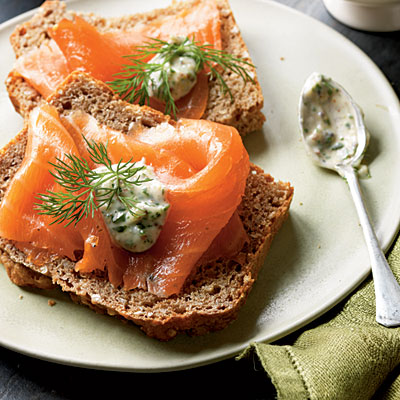
  • Crab, Mussels, Shrimp, Salmon, Smoked Salmon, Sushi, Tuna, Sturdier Fish
  • Smoked Food  
  • Pungent Cheeses, Smoked Cheeses (Roquefort, Muenster, and Gouda among the favorites)
  • Chicken, Turkey, Duck
  • Liver, Chicken Liver, Foie Gras
  • Just about anything made with Pork
  • Salami, Paté, Bacon, Pancetta, just about any type of Charcuterie

 Food Affinities—Bridge Ingredients:

  • Tropical Fruits, Orange, Lychee
  • Ginger, Fennel Seed, Cinnamon, Clove
  • Onions, Garlic
  • Smoked Gouda, Smoked Mozzarella
  • Asian Flavors, Curry, Spicy foods
    • It seems that the pungency of many foods actually cuts the pungency of Gewurz, which does not always happen in the food-and-wine world but this is a great example of a “flavor bridge” being a good thing!
  • French Onion Soup and Gewurz is one of the best food pairings on earth! Click here for My Favorite French Onion Soup Recipe.

Note: When it comes to food pairings, by all means—drink what you like!

The Bubbly Professor is “Miss Jane” of Austin, Texas…missjane@prodigy.net


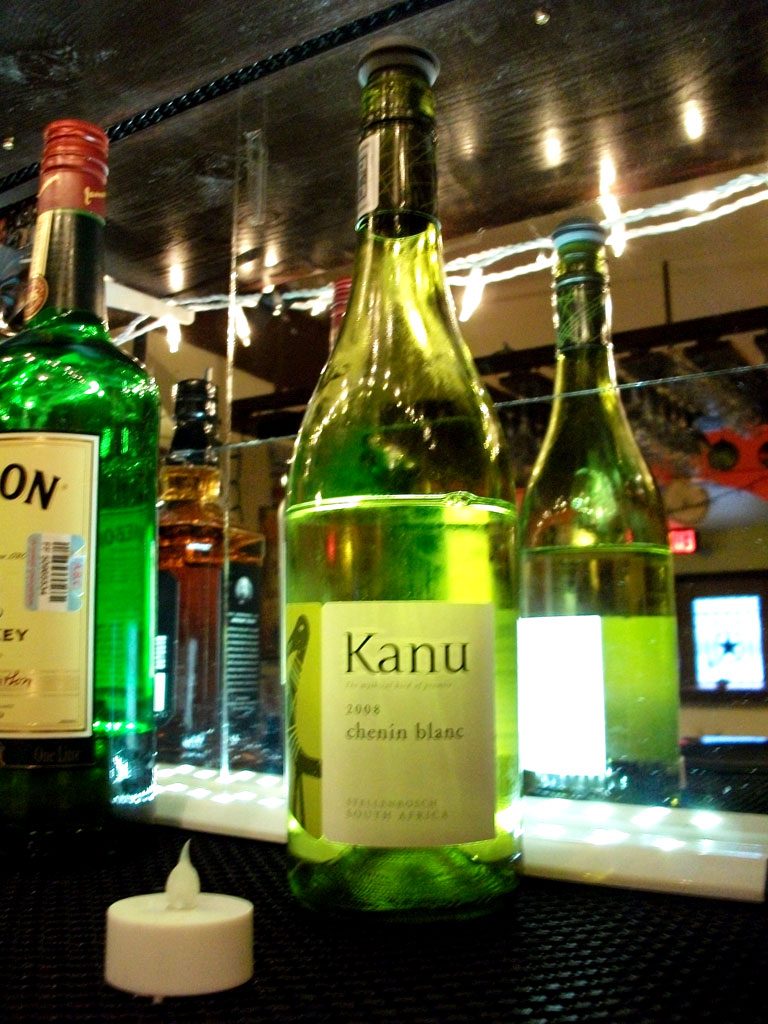
Wine Grape Cheat Sheets: Chenin Blanc

The Soundbyte:  Chenin Blanc is native to the Loire Valley Region of France and is widely grown throughout the Loire Valley. It also thrives in many other regions in Europe and beyond!

Chenin Blanc produces a fruity, floral, easy to drink white wine with clean, fresh flavors and a good zing of acidity.   However, this is no simple little white wine grape—Chenin Blanc can be made into serious, mineral-driven dry wines, traditional method sparkling wines, and decadent botrytis-affected dessert wines in addition to the well-known, and much beloved easy drinking style.

Typical Attributes of a Chenin Blanc Based Wine:

  • Typical, dry (to off-dry) Chenin Blanc wines are generally light bodied with fruity, floral, and nutty overtones. They tend to be low(er) in alcohol and easy to drink.
  • Chenin Blanc has a good deal of acidity. However, this zing is often balanced with the fruity (and sometimes sweet) flavors typical of the grape; as such, it generally comes across as a smooth, easy to drink and easy to love wine.
  • Despite its reputation for producing easy drinkers, Chenin Blanc most definitely has a serious side, as is often seen in the western/middle Loire. For example, the steely, nervy, mineral-driven wines of Savenniéres have been called “the most cerebral wines in the world.” (Imho, this means that the wine steals your attention and makes you think.)
  • Chenin Blanc’s delicate character makes it a good match for delicately flavored foods—there are few chances for the flavors of the wine and the food to clash.
  • Chenin Blanc is also made into Sparkling wines in the Loire Valley and other regions.
  • Chenin Blanc also stars as a dessert wine often produced in a late harvest or botrytis-affected style. Excellent examples of sweet Chenin are produced in the Coteaux du Layon region (in France’s Loire Valley) and South Africa.

Typical Aromas of a Chenin Blanc Based Wine:

Fruity:  Apricot, Melon, Green Apple, Green Plum, Pear, Quince, Lemon, Lime, Grapefruit, Greengage (a light green plum popular in France and England)

Floral/Herbal:  Orange Blossom, Wildflowers, Perfume, Honey, Honeysuckle, Acacia, Grass, Hay, Angelica (na herb that smells somewhat like celery, is often candied, and is used to flavor Chartreuse)

Chalk, Mineral:  Flint, Smoke, “Steely”

Nutty:  Almond, Marzipan

Where The Best Chenin Blanc is Grown:

  • The Loire Valley in France, notably the regions of Vouvray, Coteaux du Layon, Savevnnières, and Saumur.  The Loire Valley is thought to be the native home of Chenin Blanc, and it is used to make just about every type of white wine possible.  The region of Savennières produces bone-dry, steely versions, while Anjou, Montlouis, and Vouvray are made in a variety of styles from dry to sweet.  Saumur and other Loire regions produce sparkling Chenin Blanc from dry to sweet, and world-class dessert wines are the specialty of Bonnezeaux and Quarts-de-Chaume.
  • Chenin Blanc is the most widely planted white wine grape in South Africa, where for centuries it has gone by the name of “Steen.”  The grape may have been one of the original grapes planted by Jan van Riebeeck in 1655, or it may have come to South Africa with the French Huguenots who arrived a bit later.
  • California, Washington, New Mexico and several other states in the US
  • Australia, where it is often blended with Semillon, and New Zealand, where it is grown in small amounts on the North Island
  • Many other wine producing regions and countries—including the emerging regions of Israel, Brazil, Uruguay, and Mexico—have plantings of Chenin Blanc.

Food Affinities – Base Ingredients:

  • Delicately Flavored Seafood, Smoked Seafood, Shellfish
  • Chicken, other types of Poultry, Chicken Liver, Foie Gras
  • Ham, Prosciutto, Bacon
  • Goat’s Cheese
  • Crudities and Dips
  • Potato Dishes, Vegetarian Dishes
Food Affinities – Bridge Ingredients:
  • Curry, Indian Spices, Asian Spices
  • Capers, Herbs
  • Mushrooms, Avocado, Zucchini, Endive, Spinach
  • Honey (go easy on the sweetness with dry wines)
  • Almonds, Hazelnuts
  • Apricot, Melon, Apple

Note: When it comes to food pairings, by all means—drink what you like!

The Bubbly Professor is “Miss Jane” Nickles of Austin, Texas


Wine Grape Cheat Sheets: Zinfandel

Zinfandel—The Soundbyte: Zinfandel used to be known as “California’s Mystery Grape,” as an old-timey legend says that Zinfandel vines of the vitis vinifera species were growing happily in California before European settlement of the New World.

This was fun to believe for a while, but today we know better. It is now known that Zinfandel traveled from Croatia to Vienna during the Habsburg Monarchy’s rule over Croatia, when some cuttings ended up in the Imperial Nursery in Vienna. From there, they were sent to a horticulturist in Long Island who sent some vines out to California. In California, Italian immigrants working the gold rush appreciated the grape’s sturdy, robust style and planted them with enthusiasm—only to abandon their vineyards when the gold rush fizzled out.  Those vineyards—and their (Zinfandel) mystery grapes—were rediscovered years later when California experienced a new wave of post-Prohibition winemakers. Quite a story, right?

DNA fingerprinting has revealed that today’s Zinfandel is identical (or near identical) to a grape known as Tribidrag or Crljenak Kaštelanski and native to the Dalmatian Coast of Croatia. Zinfandel is also either identical to—or very closely related to—a grape known as Primitivo, as grown in Puglia in Southern Italy.

Wherever it came from and whatever you call it, Zinfandel has proved itself as a hardworking, heat-seeking, robust grape.

Typical Attributes of a Zinfandel-based Wine:

    • Fruit-forward and often intensely fruity…the aromas and flavors of blackberry, cherry and plum are quite recognizable.
    • In my wine tastings I generally introduce Zin as having aromas of blackberry, black pepper, and black licorice.  It’s a pretty good Zin cliché.
    • Medium to high alcohol…sometimes 15% or more
    • Medium to full body; more likely towards the fuller side
    • Medium to high tannin combined with refreshing acidity.  Zinfandel grown in warm climates/warm vintages can show velvety (rather than grippy) tannins, but the medium to high tannin levels abide.
    • Yes…. the Zinfandel grape can be made into White Zinfandel (rosé).  This style of wine is produced by allowing the juice to ferment in contact with the intensely colored red grape skins for a day or two—just until the juice turns a light pink color.  At this point, the juice is pressed off the grape skins and fermentation is allowed to complete using just the (now pink-hued) juice. While it is true that your Mama’s White Zinfandel most likely had a touch of residual sugar and this style remains popular today, Zinfandel is also made into crisp, dry, serious rosé.
    • Late harvest Zinfandel is often made into a luscious, complex dessert wine. (which makes a great pairing for chocolate).

Typical Aromas of a Zinfandel-based Wine:

  • Black Fruit:
    • Blackberry (Blackberry Jam), Boysenberry, Plum, Raisin, Prune
  • Red Fruit:
    • Raspberry, Ripe Cherry, Pomegranate
  • Savory Spice:
    • Black Pepper, White Pepper
  • Baking Spice:
    • Cinnamon, Clove, Nutmeg, Allspice, Anise (Black Licorice)
  • Cocoa/Chocolate
  • Wood-derived:
    • Oak, Vanilla
  • Sometimes:
    • Maple, Mushroom, Mint, Mineral

Where the Best Zinfandel is Grown:

  • California—it grows all over the state; good choices include Sonoma County, Amador County/the Sierra Foothills, Paso Robles, Napa County, and Lodi
  • The south of Italy—where it is known as Primitivo
  • Croatia—the native home, where it is sometimes called Tribidrag or Crljenak Kaštelanski
  • In smaller amounts—South Africa, South America, and Australia

Food Affinities – Base Ingredients:

  • Beef, Lamb, Venison, Pork, Chicken, Turkey, Duck, Sausage

Food Affinities – Bridge Ingredients:

  • Any type of burgers (even turkey burgers)
    • Blue Cheese Bacon Cheeseburgers
    • Burgers with Caramelized Onions
  • Sausage and Peppers
  • Eggplant, Mushrooms, Black Beans
  • Tomatoes, Sun-dried Tomatoes
  • Mint, Rosemary, Oregano
  • Grilled Flavors, Smoky Flavors
  • Onions, Shallots
  • Walnuts, Pecans, Hazelnuts
  • Chocolate—which many people love, but most folks will recommend that you stick to the sweet versions of Zin for dessert.

Note: When it comes to food pairings, by all means—drink what you like!