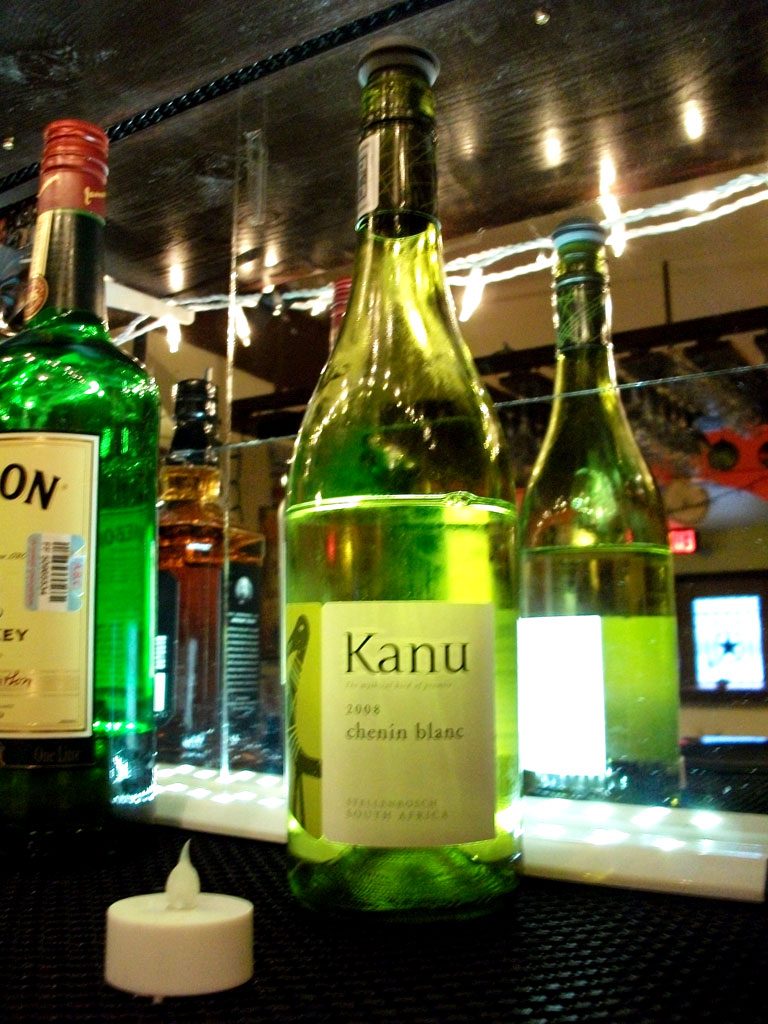
Wine Grape Cheat Sheets: Chenin Blanc

The Soundbyte:  Chenin Blanc is native to the Loire Valley Region of France and is widely grown throughout the Loire Valley. It also thrives in many other regions in Europe and beyond!

Chenin Blanc produces a fruity, floral, easy to drink white wine with clean, fresh flavors and a good zing of acidity.   However, this is no simple little white wine grape—Chenin Blanc can be made into serious, mineral-driven dry wines, traditional method sparkling wines, and decadent botrytis-affected dessert wines in addition to the well-known, and much beloved easy drinking style.

Typical Attributes of a Chenin Blanc Based Wine:

  • Typical, dry (to off-dry) Chenin Blanc wines are generally light bodied with fruity, floral, and nutty overtones. They tend to be low(er) in alcohol and easy to drink.
  • Chenin Blanc has a good deal of acidity. However, this zing is often balanced with the fruity (and sometimes sweet) flavors typical of the grape; as such, it generally comes across as a smooth, easy to drink and easy to love wine.
  • Despite its reputation for producing easy drinkers, Chenin Blanc most definitely has a serious side, as is often seen in the western/middle Loire. For example, the steely, nervy, mineral-driven wines of Savenniéres have been called “the most cerebral wines in the world.” (Imho, this means that the wine steals your attention and makes you think.)
  • Chenin Blanc’s delicate character makes it a good match for delicately flavored foods—there are few chances for the flavors of the wine and the food to clash.
  • Chenin Blanc is also made into Sparkling wines in the Loire Valley and other regions.
  • Chenin Blanc also stars as a dessert wine often produced in a late harvest or botrytis-affected style. Excellent examples of sweet Chenin are produced in the Coteaux du Layon region (in France’s Loire Valley) and South Africa.
Typical Aromas of a Chenin Blanc Based Wine:

Fruity:  Apricot, Melon, Green Apple, Green Plum, Pear, Quince, Lemon, Lime, Grapefruit, Greengage (a light green plum popular in France and England)

Floral/Herbal:  Orange Blossom, Wildflowers, Perfume, Honey, Honeysuckle, Acacia, Grass, Hay, Angelica (na herb that smells somewhat like celery, is often candied, and is used to flavor Chartreuse)

Chalk, Mineral:  Flint, Smoke, “Steely”

Nutty:  Almond, Marzipan

Where The Best Chenin Blanc is Grown:

  • The Loire Valley in France, notably the regions of Vouvray, Coteaux du Layon, Savevnnières, and Saumur.  The Loire Valley is thought to be the native home of Chenin Blanc, and it is used to make just about every type of white wine possible.  The region of Savennières produces bone-dry, steely versions, while Anjou, Montlouis, and Vouvray are made in a variety of styles from dry to sweet.  Saumur and other Loire regions produce sparkling Chenin Blanc from dry to sweet, and world-class dessert wines are the specialty of Bonnezeaux and Quarts-de-Chaume.
  • Chenin Blanc is the most widely planted white wine grape in South Africa, where for centuries it has gone by the name of “Steen.”  The grape may have been one of the original grapes planted by Jan van Riebeeck in 1655, or it may have come to South Africa with the French Huguenots who arrived a bit later.
  • California, Washington, New Mexico and several other states in the US
  • Australia, where it is often blended with Semillon, and New Zealand, where it is grown in small amounts on the North Island
  • Many other wine producing regions and countries—including the emerging regions of Israel, Brazil, Uruguay, and Mexico—have plantings of Chenin Blanc.

Food Affinities – Base Ingredients:

  • Delicately Flavored Seafood, Smoked Seafood, Shellfish
  • Chicken, other types of Poultry, Chicken Liver, Foie Gras
  • Ham, Prosciutto, Bacon
  • Goat’s Cheese
  • Crudities and Dips
  • Potato Dishes, Vegetarian Dishes
Food Affinities – Bridge Ingredients:
  • Curry, Indian Spices, Asian Spices
  • Capers, Herbs
  • Mushrooms, Avocado, Zucchini, Endive, Spinach
  • Honey (go easy on the sweetness with dry wines)
  • Almonds, Hazelnuts
  • Apricot, Melon, Apple

Note: When it comes to food pairings, by all means—drink what you like!

The Bubbly Professor is “Miss Jane” Nickles of Austin, Texas
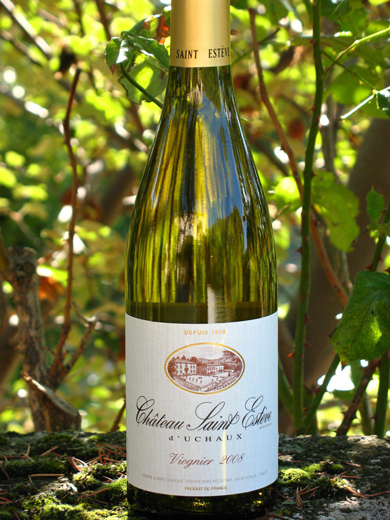


Wine Grape Cheat Sheets: Viognier

The Soundbyte:  Just a generation ago, Viognier was close to extinction. These days, this richly scented white grape has made a full recovery in terms of fame, popularity, and acreage. Viognier makes unique white wines that will bowl you over with their outrageous floral aromas and peach-pear-apricot fruit flavors. While Viognier will beguile you with its gorgeous scent and yellow-gold hue—make no mistake, this wine can pack a punch in terms of body, flavor, and alcohol. Proceed with caution!

Typical Attributes of a Viognier-Based Wine:

  • Intriguing floral scent combined with apricot, peach, and pear aromas
  • Rich fruit flavors (tree fruit, tropical fruit, ripe citrus) and a creamy mouthfeel
  • Even without oak aging, Viognier can be as full-bodied as an oaky Chardonnay
  • Deep golden color
  • Rich and over-the-top intense in flavor
  • Very often, this tips the scales for high alcohol (in the context of a white wine), although the overall richness of the wine often masks the perception of the heat of the alcohol content
  • Viognier is quite low in acid, but it may contain a bit of a bite of bitterness on the finish
  • The typical low acid often comes across as smooth and velvety on the palate
  • I have had a few late-harvest dessert wines made from Viognier, and they are delicious!

Typical Aromas of a Viognier-Based Wine:

Fruity:  Apricot, Over-ripe Apricot, Mango, Pineapple, Ripe Citrus (Tangerine, Mandarin Orange), Apple, Pear, Peach

Floral:  Honey, Acacia, Orange Blossom, Violet, Honeysuckle, Wildflowers

Spicy:  Anise, Clove, Cinnamon, Nutmeg, Vanilla

Herbal:  Mown Hay, Tobacco, Mint

Butter, Cream

Where the Best Viognier is Grown:

  • The Northern Rhône appellations of Condrieu and Chateau-Grillet produce amazing white wines from 100% Viognier.
  • In the Southern Rhône and throughout the south of France, Viognier may be produced as a single-variety wine or used in an eclectic “white Rhône blend” alongside Marsanne, Roussanne, Piquepoul, and/or Muscat (among others)
  • Also in the Southern Rhône (and elsewhere), Viognier is known to be used in teeny-tiny amounts to add fragrance and a soft side to the red G-S-M or Syrah-based wines of the Rhône.  Even if you wouldn’t know it from looking at the label, a red Southern Rhône blend may contain up to 10% Viognier in the mix.
  • California, particularly the warmer regions such as Lodi and the Sierra Foothills.
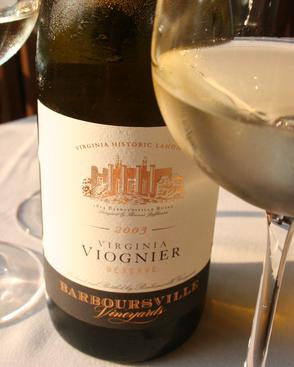
  • The State of Virginia is beginning to make some excellent Viognier, and Texas makes some nice versions as well!
  • Australia makes some excellent versions.
  • Plantings in France’s Languedoc, Roussillon, and Provence regions are expanding.

Food Affinities – Base Ingredients:

  • Pungent Cheeses
  • Crab, Mussels, Shrimp, Salmon, Smoked Salmon
  • Smoked Food, Poultry, Turkey, Pork

Food Affinities – Bridge Ingredients:

  • Curry, Ginger, Clove, Cinnamon
  • Sweet Onions, Garlic, Coconut, Honey
  • Herbs, Corn, Polenta, Walnuts, Hazelnuts
  • Butter, Cream, Fresh Cheeses

Note: When it comes to food pairings, by all means—drink what you like!

Wine Grape Cheat Sheets: Riesling

The Soundbyte: Often misunderstood due to those overly sweet, bright blue-and-pink bottles resting on the bottom shelf at the supermarket, Riesling is one of the leading white wine grapes in the world.  Riesling produces some of the finest, most complex, and longest-lasting white wines in the world.  It is considered to be native to Germany, where its cultivation can be traced back thousands of years.

The Riesling grape is renowned for its ability to walk a tight rope balancing act in its combination of sugar and acid, resulting in wines that somehow manage to be both delicate and complex.  As for the pronunciation of the name, in order to say it correctly—REE-sling—you have to smile!

Typical Attributes of a Riesling Based Wine:

  • Riesling has the amazing ability to be both very fruity and very acidic at the same time.
  • Riesling’s acidic backbone and complex, balanced flavors give it the ability to age (when produced in an age-worthy style).
  • The greatest Riesling vines in the world are grown in cool growing regions and often made into dry white wines renowned for their bracing acidity. Terms like steely, nervy, racy, tongue-curling, zingy, and precise come to mind as good ways to describe the potential acidity of a Riesling in all its glory.
  • Despite my devotion to the dry Rieslings of the world, it is true that much of the Riesling you may find on the shelf does indeed have a degree of residual sugar. This sweetness may or may not be detectable due to the balancing acidity in the wine.

In a German or Austrian wine, the term Kabinett on the label indicates a low level of ripeness at harvest. The terms Auslese and Spätlese refer to grapes with a higher level of sugar at harvest—these wines may be dry, or they may contain a small degree of residual sugar (this depends on the winemaking process).

Dessert wines made from Riesling have their place among the best dessert wines in the world.  Such wines may be labeled as Late Harvest Riesling, Botrytis-affected Riesling, and Riesling Ice Wine.  German-speaking regions may refer to these wines using terms such as Beerenauslese,  Trockenbeerenauslese, or Eiswein.

Typical Aromas of a Riesling Based Wine:

Fruity:  Peach, Dried Peaches, Apricot, Apple, Green Apple, Baked Apple, Pear, Orange, Orange Peel, Lime

Floral:  Jasmine, Rose, Orchid, Juniper, Honey, Perfume, Wildflowers, Orange Blossom, Lime Blossom

Mineral:  Flinty, Steely, Wet Stones, Chalk, Ozone (the scent of the air after a rainstorm)

Chemical:  Petrol, Gasoline, Rubber Bands, Varnish, Wet Paint, Paint Remover

Late Harvest Riesling and Riesling Ice Wine (Eiswein) can take these aromas to the extreme…I’ve found that the lime aromas transform into a quick scent of pickle juice or green olives (sounds weird, I know, but give it a try). Sweet Riesling may evoke the aromas of dried peaches rubbed on a wet stone.  Just try it for yourself!

Where the Best Riesling is Grown:

  • Riesling is native to Germany and grown throughout Germany’s wine regions.
  • Austria
  • The Alsace Region of France.
  • California, Oregon, Washington State (Bubbly Prof really likes the Washington State Rieslings)
  • New York State’s Finger Lake Region
  • Canada, especially the Niagara Peninsula
  • The cooler regions of Australia such as the Eden Valley and the Clare Valley

Food Affinities – Base Ingredients:

  • Sushi…it’s the best match in town so I had to list it first.  It’s crave-worthy.
  • Seafood of all kinds
  • Smoked Seafood – Smoked Salmon and Riesling would be my “last meal” request.
  • Chicken (and poultry of any kind)
  • Ham, Pork, Prosciutto, Sausages
  • Asian Flavors, Indian Flavors—Riesling loves the salt, the spice, and even the heat.

 Bridge Ingredients:

  • Jalapeno Peppers, Wasabi – Bubbly Prof says any type of “green heat” is fabulous with Riesling.
  • Cilantro, Lemon Grass, Fresh herbs of any kind
  • Orange, Orange Zest, Lemon, Lime
  • Avocado, Corn, Leeks, Sweet Onions, Tomatoes, Sun-dried Tomatoes
  • Bacon, Pancetta, Green Olives, Capers
  • Ginger, Curry, Cinnamon, Nutmeg, Allspice, Soy Sauce, Salty condiments

Note: When it comes to food pairings, by all means—drink what you like!

The Bubbly Professor is “Miss Jane” Nickles of Austin, Texas


Wine Grape Cheat Sheets: Syrah

Syrah—The Soundbyte: The Syrah grape, also known as Shiraz, is believed to be native to the Auvergne-Rhône-Alpes region of southeastern France. It is the leading red grape variety of the Northern Rhône Valley, and a major player in the (mainly) blended red wines of the Southern Rhône.

There’s a lovely legend that tells of the grape as a native to the city of Shiraz in Iran, transported from its Middle Eastern home to the south of France by a knight returning from the crusades—but, alas, it has been proven untrue and will remain with us as just another good story.

Today, Syrah thrives in many areas across the winemaking world and is the superstar grape of Australia. It is most often made into dry reds of both the single-variety and blended-variety styles.  While it is sometimes used to produce bubbly wines, rosé, and dessert wines; Syrah is mainly known (and widely appreciated) as a powerhouse red.

 Typical Attributes of a Syrah-based Wine:

  • European-style Syrah-based wines tend to be medium-dark in color and concentrated in flavor. European Syrah is often blended with softer grapes to minimize or balance tannin and alcohol levels. These wines are often described as earthy, dense, smoky, and herbal. 
  • Outside of Europe, Syrah/Shiraz-based wines tend to be dark purple, opaque, and inky in appearance.  Other attributes of this style of Syrah include high alcohol, fruit-forwardness, and intense tannins. These tannins are sometimes considered “soft” or “velvety” because they are drinkable when the wines are still young (often a result of winemaking techniques).
  • Australian Shiraz is sometimes described as plush ripey. Who can resist that?
  • The Australians produce sparkling Shiraz.
  • Syrah also makes a lovely, dry rosé.

Typical Aromas of a Syrah-based Wine:

Fruity:  Blackberry, Plum, Ripe Cherry, Currant, Prune, Blueberry, (Dried) Orange Peel

Spicy:  Black Pepper, Cinnamon, Clove, Vanilla, Chocolate, Coffee, Espresso, “Burnt Coffee”

Chemical:  Leather, Burnt, Tar, Smoke, Burnt Rubber, Asphalt, Graphite

Earthy:  Gamey, Smoky, Minty, Barnyard, Garrigue

Floral:  Lavender, Wildflowers, Dried Flowers, Violets

Where The Best Syrah is Grown:

  • Australia.
  • The Rhône:  Syrah stars in the wines of the Rhône, as the dominant variety in the North (in famous wines such as  Cornas, Hermitage, and Côte Rôtie) and as part of the typical Rhône blend in the South (as in Châteauneuf-du-Pape and Côtes du Rhône). The red Rhône Blend is often referred to as GSM (Grenache-Syrah-Mourvèdre); these grapes typically make up the backbone of Rhône blends, but such wines may contain other grapes as well.
  • Syrah also does well in the south/southeast of France (Provence, Languedoc, Roussillon).
  • South Africa, especially the warmer regions such as Paarl and Franschhoek.  For a real treat, try a bottle of “The Chocolate Block” from Boekenhoutskloof Winery (extra credit if you can pronounce it).
  • California, especially Sonoma, Mendocino, Napa, and Santa Barbara.
  • Washington State—a trendy growing region for Syrah—is well-represented; particularly the Walla Walla Valley AVA (which actually extends south into Oregon). The Rocks District of Milton-Freewater AVA (located in the Walla Walla Valley but within the state of Oregon) is also a fantastic (albeit small) region for Syrah.

 Food Affinities – Base Ingredients:

  • Beef, Lamb, Veal, Venison, Pork, Hard Cheeses

Food Affinities – Bridge Ingredients:

  • Garlic, Onions, Mushrooms
  • Walnuts, Pecans
  • Rosemary, Thyme, Bay Leaf, Sage
  • Tomatoes, Eggplant, Fennel
  • Currants, Raisins, Prunes (but go easy on the sweetness)
  • Green Peppercorns, Black Pepper, Coarse Grained Mustard, Chili Spices, Barbeque Flavors

Note: When it comes to food pairings, by all means—drink what you like!

The Bubbly Professor is “Miss Jane” Nickles of Austin, Texas – missjane@prodigy.net .