Wine Grape Cheat Sheets: Grenache

The Soundbyte:  Grenache is coming into its own as a single-variety wine, and wonderful examples can be found from Australia, California, Washington State, Texas, Spain, France, and Italy. At their best, these wines are fruity, earthy, and flavorful while not being too tightly wound. What’s not to love?

However, when discussing Grenache, we cannot forget its roles as (what I like to term) the world of wine’s most in-demand wing man. This refers to the fact that—while Grenache is certainly capable of starring in varietal wines—it is undoubtedly an in-demand partner in some of the world’s most famous red wine blends.

In Spain, Grenache is often blended with Tempranillo, Cinsault, and a host of other grapes; this is particularly apparent in the DOCa wines of Priorat/Priorato.  In France, Grenache is one of the three amigos (Grenache-Syrah-Mourvèdre) of the Rhône Blend (otherwise known as G-S-M), while also playing a part in some of the more complex (13-grapes-or-even-more) wines of the Southern Rhône. Grenache is also made into dessert and fortified wines and makes a world-class rosé.

Typical Attributes of a Grenache-based Wine:

  • A typical varietal wine made with Grenache might be described as relatively high in alcohol with aromas and flavors red fruit, black fruit, and spice.
  • The texture of Grenache has been described as rustic due to its rich flavors yet moderate structure.
  • The grape tends to be thin-skinned and low in both color and tannin, however, these factors can vary depending on vineyard conditions and winemaking; Grenache can sometimes pack a tannic punch.
  • Grenache is used in fortified wines, dessert wines, and delightful rosés; but its most common incarnation is as the backbone of hearty red blends.

Typical Aromas of a Grenache Based Wine:

grenache grapesFruity:  Cherry, Raspberry, Blackberry, Blueberry, Strawberry, Cranberry, Currant, Raisin, Plum, Fig

Spicy:  Black Pepper, White Pepper, Menthol, Licorice/Anise, Clove, Cinnamon, Juniper

Earthy:  Mineral, Stony, Baked Earth, Wet Earth, Leather, Forest Floor, Bramble, Tobacco, Smoke, Leather

Floral:  Roses, Dried Rose Petals, Violet

Herbal/Vegetable: Herbs de Provence, Garrigue (Shrubland), Rosemary, Dried Herbs (Savory), Mint, Menthol, Eucalyptus

Oak-Derived:  Chocolate, Mocha, Cocoa, Vanilla, Sweet Wood

Where The Best Grenache is Grown:

  • In France’s Rhône Valley, especially the Southern Rhône, where it is the super star grape of Châteauneuf-du-Pape, Gigondas, and Rasteau. Typically, it plays a leading role—along with Syrah and Mourvèdre—in the blended red wines of the Southern Rhône
  • The grape is part of the blend that is used to produce many delightful rosés throughout the Southern Rhône, including Lirac and Tavel
  • Also in France, Grenache is grown in Provence, Rouissillon, Languedoc, Minervois, Fitou, and Corbières. It is also the leading variety of certain fortified wines in produced in Banyuls and Maury
  • In Spain, where it is among the most widely planted red grapes in the country, the grape is called “Garnacha”
  • Garnacha is main variety in Priorat and Campo de Borja; and plays a role in the wines of Rioja, Navarra,  Somontano, Catalonia, and La Mancha
  • In Italy where—known as Cannonau—it stars in the Sardinian wine known as Cannonau di Sardegna
  • Australia, where it makes some awesome varietals, including my favorite, d’Arenberg’s McLaren Vale “The Custodian” Grenache
  • California, where it has historically been grown in San Joaquin Valley and is now produced in many other regions such as Santa Barbara and Paso Robles.
  • Washington State is also getting into Grenache

NOTE: Across the wine world, there are many names for Grenache, including the following: Garnacha, Garnatxa, Lladoner, Uva di Spagna, Cannonau, or Tinto Aragonés. As Grenache has several color mutations, sometimes the grape is identified as Grenache Noir or Garnacha Tinta. 
grenache foodFood Affinities – Base Ingredients:

  • Beef, Lamb, Veal, Venison, Pork, Hard Cheeses

Food Affinities – Bridge Ingredients:

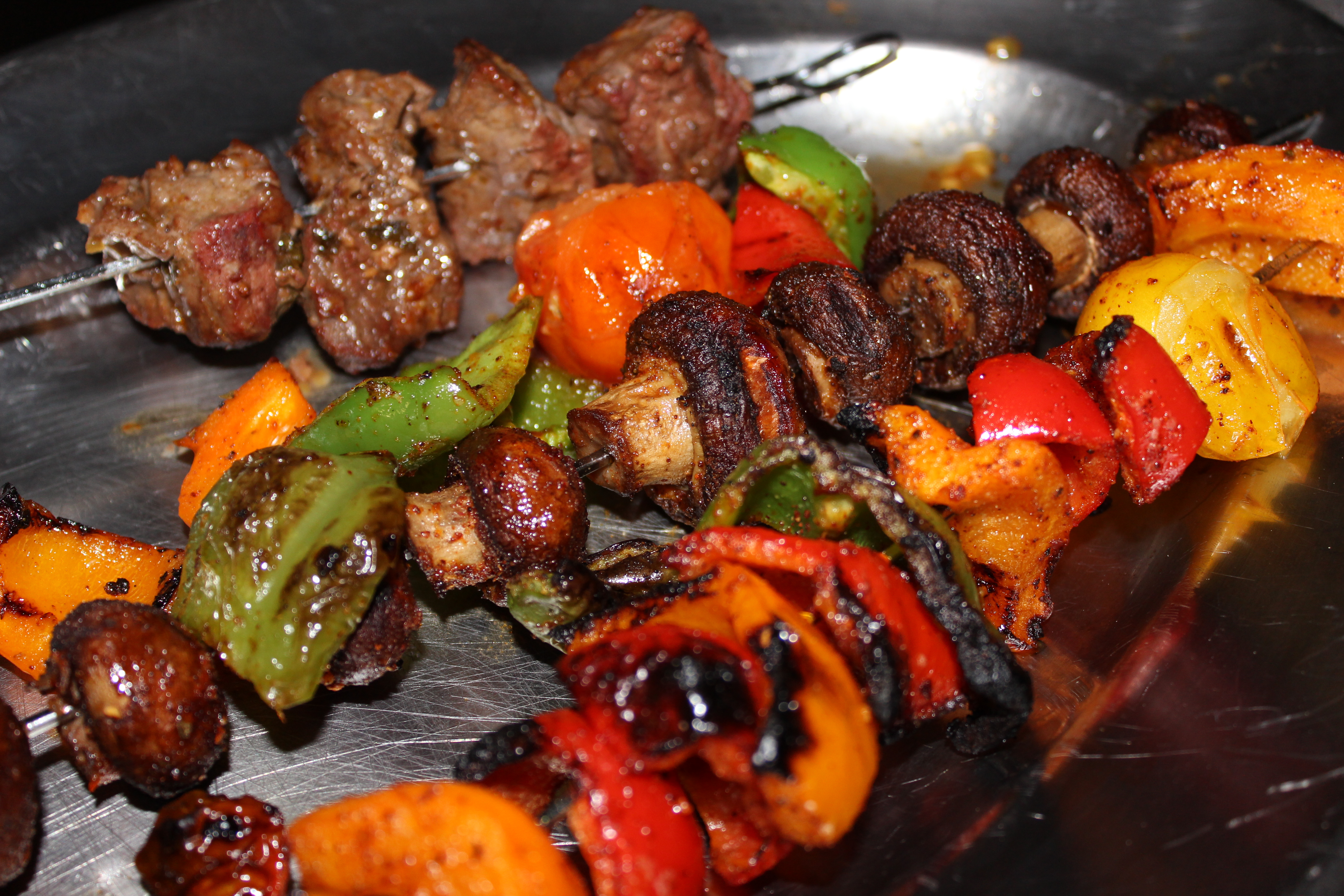
  • Simple, rustic dishes, Grilled Foods
  • Tomatoes, Sun-dried Tomatoes, Tomato Sauces
  • Onions, Garlic, Mushrooms, Eggplant, Fennel, Roasted Bell Peppers
  • Green Olives, Black Olives, Capers, Green Peppercorns, Black Pepper
  • Rosemary, Thyme, Bay Leaf

Note: When it comes to food pairings, by all means—drink what you like!

The Bubbly Professor is “Miss Jane” Nickles of San Marcos, Texas…


Wine Grape Cheat Sheets: Sangiovese

Sangiovese ChiantiThe Soundbyte:  It is widely accepted that Sangiovese was well-known to the winemakers of Ancient Rome, and it is suspected that the grape was known in Tuscany as far back as the time of the Etruscans. These days, Sangiovese is widely grown throughout Central Italy—from Romagna to Lazio—and throughout Italy down to Campania and Sicily.

Outside of Italy, Sangiovese is mainly known as the lead grape of Chianti (in all its variations), but lovers of Italian wine know that it also stars in the majority of the Tuscany’s other red wines—to include Carmignano, Vino Nobile di Montepulciano, Morellino di Scansano, Brunello di Montalcino, Rosso di Montalcino, and Sangiovese di Romagna, among others. In a country growing hundreds (if not thousands) of different grapes, Sangiovese reigns as the number one grape variety in Italy, where it accounts for nearly 10% of the entire wine grape crop.

While increasingly seen as a stand-alone varietal, Sangiovese is often used in blends. In Tuscany it is likely to be blended with small amounts of Canaiolo, Colorino, Trebbiano, or even international varieties such as Cabernet Sauvignon, Cabernet Franc, or Merlot.

Typical Attributes of a Sangiovese Based Wine:

  • The flavor profile is complex, with earthy aromas often overtaking the scent of fruit, spice, flowers, and oak.
  • Sangiovese has a moderate to high level of natural acidity.
  • Medium to full-bodied, with descriptors ranging from supple-and-elegant to assertive-and-robust.
  • The finish tends to have a little bite of bitterness.  I often describe it as “bitter cherry.”
  • Medium to medium-plus tannins, often assisted with a bit of oak contact.
  • Sangiovese can be used to produce a lighter style of red wine, and this approachability has made it a consumer favorite.  Sangiovese also makes a wonderful, spicy rosé, and stars in many an Italian rosato.

Typical Aromas of a Sangiovese Based Wine:

  • Fruity:  Plum, Cherry, Blackberry, Raspberry, Strawberry, Blueberry, Mulberry, Orange Peel
  • Spicy:  Tea, Clove, Cinnamon, Thyme, Anise
  • Floral:  Violet, Dried Flowers
  • Wood-derived:  Cedar, Oak, Vanilla, Sweet Wood, Smoke, Toast, Tar
  • Earthy:  Wet Leaves, Wet Dirt, Forest, Tobacco, Tea, Dusty, Herbal

Where The Best Sangiovese is Grown:

  • Italy—its native home—where it is the most widely-grown red grape variety.
  • Sangiovese BrunelloIt especially thrives in Tuscany, where it forms the base of the wines of Chianti, Chianti Classico, Vino Nobile de Montepulciano, and Brunello di Montalcino as well as many other wines. It is sometimes part of the blend—often alongside Cabernet Sauvignon or other grape invaders—in the wines known as the Super Tuscans.
  • Beyond Tuscany, it is found throughout Italy and is a main grape in Umbria, Marche, Lombardy, Emilia-Romagna, and as far south as Campania and Sicily.
  • Italian immigrants brought Sangiovese to California.  The earliest recorded Sangiovese vineyard in California is the Seghesio Family’s Chianti Station Vineyard, planted near Geyserville in 1910. However, Sangiovese never really took off in California until the Super Tuscan movement of the 1980’s.  Since then, Sangiovese has been gaining popularity in the United States and is now grown in Napa, Sonoma, and The Sierra Foothills.
  • Flat Creek Estate in Marble Falls, Texas (once-upon-a-time in 2005) created a Sangiovese-Cabernet Sauvignon blend they called a Super Texan. The wine immediately commanded world wine attention when it won the coveted Double Gold Medal at the San Francisco International Wine Competition that year.  Sangiovese continues to thrive in Texas.
  • Oregon, Washington State, Virginia, and The Niagara Peninsula now have Sangiovese plantings, as do Australia, Argentina, Romania, Corsica, South Africa, and Chile.

 Food Affinities – Base Ingredients: 

  • Beef, Lamb, Pork, Chicken, Turkey, Duck, Hard Cheeses
    sangiovese steak

Food Affinities – Bridge Ingredients:

  • Simple, rustic dishes, Grilled Foods, Fresh Herbs
  • Tomatoes, Sun-dried Tomatoes, Tomato Sauces
  • Onions, Garlic, Mushrooms, Eggplant, Fennel, Roasted Bell Peppers
  • Green Olives, Black Olives, Capers
  • Pecans, Walnuts
  • Pasta Dishes, Risotto Dishes
  • Prosciutto, Pancetta, Bacon

Note: When it comes to food pairings, by all means—drink what you like!

The Bubbly Professor is “Miss Jane” Nickles of Austin, Texas….


Wine and Thanksgiving DESSERT!

In my experience, the typical accompaniment for T-day dessert has been the dregs of whatever wine was served with the meal.  Nothing wrong with that, but Thanksgiving is a special day, so why not offer up a specially chosen Pumpkin Pie Pairing to cap off the day?

In terms of food-and-wine pairings, one of the most important concepts is to pair to taste, not to flavor.  This makes a pumpkin pie pairing really simple:  you need a sweet wine, lest the food dull out the wine. It does not need to be a tooth-zapper, uber-sweet, sugar coma-inducing type of wine—just a hint of sweetness will do. (This is, however, one of those pairings where super-sweet wine works.)

Here are a few of my favorites…perhaps you will enjoy them as well!

Sauternes:  Sauternes and its luscious sweetness is a match made in heaven for pumpkin pie.  The wine is a good “big and rich meets big and rich and they live happily ever after” type of match in terms of texture, and the subtle dried apricot-vanilla-nutmeg-dried leaves kind of aromas and flavors of Sauternes make this a fall fest in a glass.  Sauternes can be expensive; my personal favorite, Chateau Guiraud, is a cool one hundred bucks, however, there are many inexpensive (around $20.00 a bottle) versions on the market these days, and they are worth a try as well.

Tawny Port: In my personal opinion, this is one of the finest choices to pair with pumpkin pie. Over the years, as I’ve hosted (or attended) big Thanksgiving gatherings, I’ve typically been in charge of dessert wine. Without exception— no matter how big or impressive a spread I provide—the first bottle to be emptied is the Tawny Port.  So there.  First emptied = great match.  Not a scientific experiment, but a darn good one.  My go-to Tawny Port is Taylor-Fladgate 10-Year-Old Age Indicated Tawny Porto, which runs about $30.00 a bottle.

Moscato d’Asti:  Moscato d’Asti, besides being just plain hands-down delicious, is a great match for pumpkin pie. It’s light, fizzy, and sweet—but not too sweet—and when paired with pumpkin pie, the wine will transform and taste just slightly off dry.  It’s a cool trick to play with people who claim to be too sophisticated for sweet wine.  Moscato’s popularity of late has spawned a host of cheap imitations, but you can’t go wrong with a true Italian; Michele Chiarello makes a wonderful version (should retail for around $20.00).

Vin Santo:  Tuscany’s famous wine for meditation is another great match for pumpkin pie.  The wine’s just-barely-there sweetness will allow it to pair with the pumpkin pie well; after a bite of pie, you won’t taste the wine’s sweet side anymore, but it will still taste rich, woodsy, spicy, and delightful.  If you try, you might even find a scent of pumpkin pie spice lingering in your glass.  Just about any Vin Santo will delight you, but my personal favorite is from Borgo Scopeto.

Sweet wine from California: If you are looking to provide an All-American slate for your wine pairings, look to Napa Valley for some impressive sweet wines. They aren’t made in huge amounts, by Dolce (by Far Niente) is an amazing sweet white wine, as is Violeta from Grgich Hills Estate.

Brandy:  If you enjoy a long evening of conversation, Brandy is a great choice to serve with your pumpkin pie.  I personally don’t buy into the “spirits dull the palate” argument and think that Brandy with its warmth and calm makes a perfect pie pairing partner.  I fell in love with Torres Brandy on my last trip to Spain (sipped on Christmas Eve just as the neighborhood tapas bar was closing down for the night, with Christmas lights twinkling all around)—but I am equally enamored with Christian Brothers Brandy from the San Joaquin Valley in California.  The Christian Brothers Wineries and Distillery played an impressive role in the history of California Wine, as any visitor to Napa knows…perhaps that’s a story for a future blog post!

Coffee:  If you are in need of a wake-up (or sober-up) session before continuing on to the rest of your day, nothing beats a good cup of coffee with your pumpkin pie.  Coffee and pumpkin pie also makes a great day-after-Thanksgiving breakfast…just don’t tell  your fitness trainer.

Happy Holidays, Everyone!

The Bubbly Professor is “Miss Jane” Nickles of Austin, Texas… missjane@prodigy.net

Wine Grape Cheat Sheets: Tempranillo

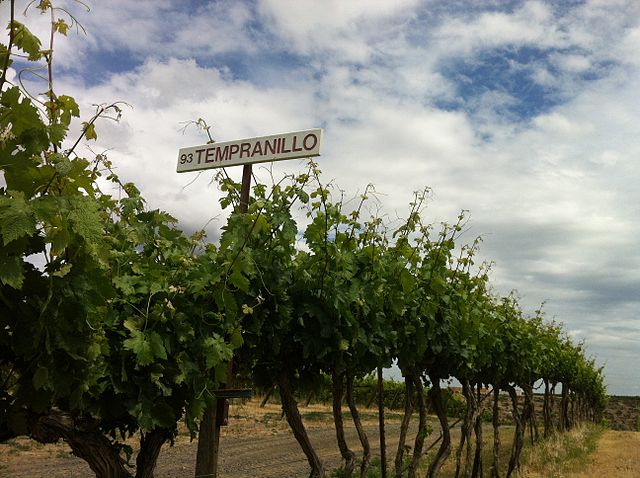
The Soundbyte:  Tempranillo is a primary red grape for much of Northern and Central Spain, including the famous wines of Rioja and Ribera del Duero.  It is also a key blending grape used in Port—where it often goes by the name Tinta Roriz.  It is often said that the name Tempranillo is derived from the Spanish word temprano—meaning early—and refers to the fact that the grape buds, flowers, and ripens a full two weeks before Spain’s other leading red grape— Garnacha (Grenache).

There is a fantastic old legend that says that Tempranillo ended up in Northern Spain via the Camino de Santiago.  According to the legend, Cistercian Monks making the religious pilgrimage from Burgundy to Santiago de Compostela left Pinot Noir cuttings behind at the monasteries around Haro, Burgos, and Logroño.  From these vines, the Pinot Noir grape morphed itself into its new surroundings and ended up as the Tempranillo we know now and love.  Alas, this tale must remain with us as “just a good story” seeing as recent have shown no such genetic connection between the two cultivars.  Tempranillo is, these days, believed to be a native son of Northern Spain.

Typical Attributes of a Tempranillo-based Wine:

  • Medium-to-deep ruby-red color in appearance (while young); Tempranillo-based wines can sometimes show a deep hue but lighter color intensity such as is often seen in Sangiovese or Pinot Noir.
  • These are long-lasting wines that often improve with significant aging and maturation.  This is in part due to the fact that Tempranillo has a low amount of oxidizing enzyme, making it particularly resistant to oxidation.
  • These wines, made from heat-loving, thick-skinned black grapes, tend to be medium to high in alcohol.
  • Medium-to-high levels of tannin, often described as “firm yet round”
  • Intense fruit flavors mingled with spice and earth tones, often enhanced via contact with oak
  • Tempranillo can be made into a fun, fruity, easy drinking wine via Carbonic Maceration.
  • Tempranillo makes some wonderful, dry rosés.

Typical Aromas of a Tempranillo-based Wine:

Fruity: Strawberry, Blueberry, Raspberry, Blackberry, Black Currant, Red Stone Fruit, Cherry, Plum, Raisin, Prune

Spicy: Vanilla, Dried Herbs, Clove, Cinnamon

Herbal: Green Herb, Mint, Eucalyptus

Earthy: Wet Earth, Leather, Mineral, Tobacco, Graphite

Oak-Derived:  Cedar, Vanilla, Oak, Soft Spice

Where The Best Tempranillo is Grown:

  • Spain, where it is one of the leading grapes and grown throughout the country (particularly in the northern reaches of the country). It is (perhaps) best-known as the leading grape of the Rioja DOCa.
  • Spain’s (arguably) most famous wine and winery, Vega Sicilia, makes a Tempranillo-based blend and is leading the way for a resurgence of the vines and wines of the Ribera del Duero DO.
  • Tempranillo is also the leading grape variety of the Spanish regions of Valdepeñas and La Mancha, where it sometimes goes by the name of Cencibel, Ojo de Libre, Tinto Fino, Tinto del Pais, Tinto del Toro or Ull de Liebre.
  • Portugal’s Douro Valley, where it is used to produce varietal wines and is also a key blending partner in the fortified wines of Port.
  • Tempranillo is also used as a varietal wine in the Portuguese region of the Alentejo. In Portugal it is usually referred to as Tinta Roriz or Tinta Aragonez.
  • Tempranillo thrives in many locations int he United States, to include California, Washington State, Southern Oregon, and Texas. (One of the first Texas wines I ever tasted (and truly enjoyed) was made a 100% Estate-grown Tempranillo Blend called El Guapo made by Alamosa Wine Cellars in Bend, Texas (alas, the owners have since retired and are now traveling the world in the comfort of a luxury RV).  You can read more about that story here.
  • Australia, particularly McLaren Vale.  Australian producer D’Arenberg has a Tempranillo/Grenache/Souzao blend called “Sticks and Stones”.
  • Chile, Argentina, and Mexico all have some vineyards planted to Tempranillo.

Food Affinities – Base Ingredients:

  • Beef, Lamb, Veal, Pork, Grilled Foods

Food Affinities – Bridge Ingredients:

  • Spanish Ham, Smoked Paprika, Tapas
  • Paella, especially when made with lots of Chicken and Sausage (leave the seafood-heavy paellas to a different/lighter styles of wine)
  • Garlic, Onions, Roasted Garlic
  • Tomatoes, Roasted Tomatoes, Dried Tomatoes
  • Currants, Prunes, Almonds (go easy on the sweetness)
  • Mushrooms, Bell Peppers, Roasted Bell Peppers, Stuffed Peppers

Note: When it comes to food pairings, by all means—drink what you like!

The Bubbly Professor is “Miss Jane” Nickles of Austin, Texas…missjane@prodigy.net

Wine Grape Cheat Sheets: Gamay

The Soundbyte:  The Gamay grape—officially known as  Gamay Noir à Jus Blanc—can make uncomplicated, easily drinkable, light bodied, light-colored red wines.  It is also capable of producing richly hued, rather tannic, complex, and age-worthy wines.  It’s a vinifera chameleon.

One thing that we can be assured of, though, is that the grape is hearty in the vineyard.  The grape is so prolific and high-yield that long ago it was feared that Gamay would overwhelm the vineyards of Burgundy, and the prolific grapes would damage the reputation of the fine Pinot Noir the Burgundy region was (and is) known for. In order to avoid this messy complication, Philip the Bold—then the Duke of Burgundy—banished the grape from the Kingdom and declared it to be an evil, disloyal plant. In a wonderful twist of fate, grape growers in Burgundy who loved the high-yield, easy-drinking wine made from Gamay were nonplussed and set up their beloved Gamay vines just a bit to the south of the vineyards of Burgundy, where the grape still reigns today.

Typical Attributes of a Gamay Based Wine:

    • Light-to-medium bodied, although it can surprise you at times with a sturdy wine.
    • The tannins in a Gamay-based wine can be quite diverse—some versions are light-to-medium, while some versions have sturdy tannins.  The grapes themselves are considered high tannin, although wine-making traditions often ameliorate their impact.
    • Crisp, lively acidity.
    • Some versions can have a light, cranberry juice-like clear red color; others have a deeper red hue that resembles a dark version of Pinot Noir.
    • Fruit-forward aromas and flavors of ripe berries, red fruits of all kinds, even apples and pears—however, some versions can show more aromatic complexity. Such version may show aromas and flavors such as savory herb, earthiness, and minerality.
    • Many versions are considered picnic wines—uncomplicated and easy to drink.  The fact that Gamay can be served slightly chilled for a refreshing thirst quencher adds to the picnic appeal.
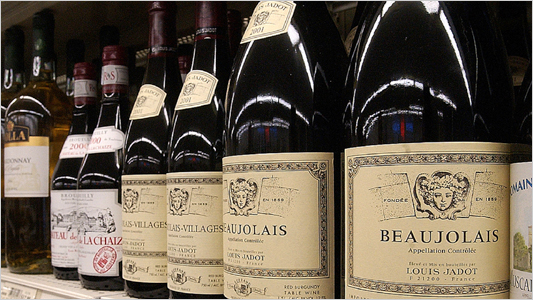
    • Beaujolais is sometimes produced via the fermentation technique known as carbonic maceration.  Because of this unique process, Beaujolais often displays aromas of banana, bubble gum, pear gummies and/or red candy.
    • Many Gamay-based wines are highly drinkable when young. However, Gamay is capable of producing age-worthy wines. The Beaujolais Crus are all good examples of age-worthy Gamay.
    • We can’t forget the very popular “nouveau” style wine made from Gamay that is intended to be consumed just a few months after harvest.  Look for Beaujolais Nouveau to be released every year on the Third Thursday of November, along with a good deal of publicity and many excellent parties.

Typical Aromas of a Gamay-based Wine:

  • Fruity:  strawberry, raspberry, cranberry, cherry, red plum, red currant, ripe pear, red apple
  • Floral:  lavender, wildflower, violet, rose 
  • Herbal: dried herbs, white pepper, crushed black pepper
  • Earthy/Mineral: wet stone, crushed rock, dried leaves, wet dirt
  • Oak-Derived: oak, cedar, vanilla, sweet spice, licorice, nutmeg
  • Sometimes found as a result of carbonic maceration: pink bubblegum, banana, pear drop, red candy

Where The Best Gamay is Grown:

  • The Beaujolais Region of France, just south of (and somewhat overlapping) the Burgundy Region.  The wines of the Beaujolais Region include Beaujolais AOC Beaujolais-Villages AOC, and the highest quality wines—the ten Beaujolais Cru. Each of the ten Beaujolais Cru has its own AOC and will be labeled with the appellation name (such as Saint-Amour, Juliénas, Chénas, and Moulin-à-Vent.
  • We can’t forget the fun-and-fruity Beaujolais Nouveau, which accounts for almost 50% of the entire output of the region.
  • It’s kind of a well-known secret, but Gamay is still permitted to be used in in certain parts of Burgundy such as the Mâconnais, and just may be surreptitiously tucked in amongst the Pinot vines—even in some of Burgundy’s higher-ranking vineyards.
  • France’s Loire Valley, particularly Anjou, Touraine, and Cheverny, where the grape may turn up in red wines, rosé, or sparkling wines.
  • The Niagara Peninsula and other parts of Ontario (Canada).
  • California grows some Gamay, but there was confusion in the past about a wine called Napa Gamay or Gamay Beaujolais.  It is now known that these wines were made from a grape known as Valdiguié, which has its own history and style.  However, you can find true Gamay in California and Oregon these days.
  • Australia and New Zealand have a bit of Gamay.

Food Affinities – Base Ingredients:

Seafood of all kinds – try Mussels, Lobster Rolls, Crab Salads, Snapper Veracruz, or fried shrimp.  This might work best with the lighter versions, but if you are looking for a red wine with seafood match, Gamay will be among your best choices.

Chicken (hot or cold), Duck, Poultry of any kind.  Try duck with cherries.

Just about anything made from Pork:  Ham, Prosciutto, Sausages, Charcuterie, Roasted Pork Loin, Pork Chops

Picnic Food, Cold Food, Cheese Plates, Sandwiches (think Prosciutto on a Baguette with a slice of Brie…)

Food Affinities – Bridge Ingredients:

  • Tomatoes, Capers, Dijon Mustard
  • White Cheeses, Sharp Cheeses such as Feta
  • Salty Foods – maybe chips and dips, pretzels and hummus?
  • Onions, Garlic, Green Bell Peppers
  • Green Olives, Black Olives
  • Mixed flavors such as an array of appetizers or finger foods

The Bubbly Professor is “Miss Jane” Nickles of Austin, Texas…


Wine Grape Cheat Sheets: Malbec

The Soundbyte:  One of Malbec’s earliest claims to fame is the spot it holds as one of the classic grape varieties approved for making red wines in the Bordeaux region of France.  Malbec was fairly widely planted in Bordeaux before a particularly harsh winter in 1956 wiped out a good majority of the vines, moat of which were never to be re-planted.  Nevertheless, Malbec is still used in Bordeaux, albeit in small amounts. Malbec can bring spiciness, deep color, ample tannin, and a particular plum-like flavor to blended red wines. These days, Malbec is best-known as the superstar of the high-altitude red wines of Argentina.  The best Malbecs can be described as mouth-filling, fruity, and sumptuous.  Worldwide, Malbec is planted in small amounts, but its popularity and acreage is on the rise.

Typical Attributes of a Malbec-based Wine:

  • Medium to full-bodied.  Malbec-based reds are known for having medium-to-high tannin and (often) a high level of dissolved solids (extract).
  • In France, Malbec is primarily used as a minor grape in the blended wines of Bordeaux and Southwest France. Outside of Europe, however, Malbec is often used in into 100% varietal wines.
  • The tannins can be a conundrum. In younger wines (or those made from less-ripe grapes), the tannins are sometimes described as tight or tightly-wound. Wines from warmer regions or riper grapes—as well as those made using certain wine making techniques (such as PFM)—can have tannins that are described as plush or ripe.
  • Malbec tends to make earthy, rustic wines.
  • Malbec-based wines tend to be very deep red or purple—opaque or almost inky—in color.
  • Malbec also makes a delightful rosé wine and…I’m beginning to see some late harvest/sweet wines made using Malbec.

Typical Aromas of a Malbec-based Wine:

Fruity:  Plum, Dark Cherry, Cooked Berries, Blackberry, Boysenberry, Raspberry, Fig, Black Currant

Floral: Violet, Lavender, Perfume (especially in wines of high altitude) 

Herbal: Fresh Herbs, Eucalyptus

Spicy:  Anise, Vanilla, Cocoa, Chocolate, Espresso, Tobacco

Sometimes from the Grape, and sometimes from Oak:  Oak, Cedar, Fresh Lumber, Mocha, Toast, Coffee, Tar

Where The Best Malbec is Grown:

  • Argentina…it especially thrives in the province of Mendoza.  Malbec is the major red varietal grape planted in Argentina.
  • In the Bordeaux region of France, where it is blended in small amounts to add spice to the Bordeaux Blend.
  • Cahors, the region in Southwest France known for making Malbec-based wines sometimes called “The Black Wine of Cahors.”
  • There is small amount grown in the Central Loire Valley of France.
  • There are some plantings in California, Washington State, Oregon and Texas— where it is made into both varietal wines and as a part of the Meritage blend.
  • You may be drinking Malbec but don’t know it; the grape goes by many aliases including Auxerrois, Côt (sounds like coat), and Pressac.

Food Affinities – Base Ingredients:

  • Beef, Lamb, Veal, Venison, Pork, Hard Cheeses

Food Affinities – Bridge Ingredients:

  • Garlic, Roasted Garlic, Onions, Mushrooms
  • Walnuts, Pecans
  • Rosemary, Thyme, Mint, Bay Leaf
  • Tomatoes, Roasted Tomatoes, Sun-dried Tomatoes
  • Cocoa, Chocolate (easy on the sweetness!)
  • Eggplant, Fennel
  • Blackberries, Currants, Figs
  • Black Pepper, Creole Spices, Chili Spices, Barbeque Flavors

Note: When it comes to food pairings, by all means—drink what you like!

The Bubbly Professor is “Miss Jane” Nickles of Austin, Texas… missjane@prodigy.net

Wine Grape Cheat Sheets: Pinot Noir

The Soundbyte:  The Pinot Noir grape has been grown in the Burgundy region of France for centuries, and is used to craft the region’s world-famous red wines.  Pinot Noir is also grown in Champagne, where it makes its way into many “house blend” Champagnes as well as Blanc de Noirs and Rosé Champagne.  Elsewhere in France, Pinot Noir is grown in the Loire Valley—several red wines of the Central Loire, including Sancerre (when its red), are based around Pinot Noir!

Pinot Noir has also found a home in the Willamette Valley Region of Oregon—so much so that the region is often referred to as Burgundy West.  The finicky grape thrives in the cooler growing regions of California, the warmer spots of New Zealand, and the coastal appellations of Australia (think Tasmania, Yarra Valley, and the Mornington Peninsula).

Despite its fame and fortune, Pinot Noir is known for being incredibly finicky in the vineyard. It is often called the heartbreak grape, and can be just as difficult in the winery as it is in the vineyard. Pinot Noir can indeed be the best of wines…or the worst of wines. Let’s talk about the best!

Typical Attributes of a Pinot Noir-based Wine:

  • Light garnet to dark ruby in color…sometimes the lightness of the color belies the flavor intensity of the wine!
  • Medium body, medium in tannin
  • The finest Pinot Noir wines combine juicy fruit flavors with earthy complexity and zingy, balanced acidity.
  • Pinot Noir is potentially one of the most delicate, complex, and food-friendly red wines.
  • Pinot Noir has a signature aromatic profile (imho) of floral notes at the top of the glass and cherry-berry scents at the bottom, both circling a core of “earthy-floral-garden dirt” aromas.
  • Save Pinot Noir for an occasion when you have at least 25 dollars to spend…bad Pinot Noir can be disappointing indeed. (The “New World Hope” exception to this rule just might be Pinot Noir from Tasmania…time will tell.)
  • Pinot Noir makes fantastic sparkling wines and is the most widely planted grape in Champagne.  If you are drinking a Blanc de Noir, chances are, you are drinking Pinot.
  • Rosé of Pinot Noir is a beautiful thing.

Typical Aromas of a Pinot Noir-Based Wine:

Fruity:  Black cherry, dried cherry, raspberry, strawberry, cranberry, blueberry, plum, dried plum, pomegranate

Earthy:  Mushroom, wet dirt, wet leaves, dry leaves, barnyard, dried herbs

Floral:  Rose, violet, dried flowers

Wood-Derived:  Vanilla, smoke, oak, cinnamon, nutmeg, clove (hints of spice from barrel aging)

Crazy but true: Cola, Dr. Pepper, prune, cocoa, Earl Grey Tea

Where The Best Pinot Noir is Grown:

  • The Burgundy Region of France
  • Champagne
  • France’s Loire Valley…Sancerre Rouge is actually Pinot Noir
  • Oregon…sometimes called “Burgundy West”!
  • California, particularly in and around the Central Coast, Sonoma, and the cooler portions of Napa
  • New Zealand
  • Australia grows Pinot Noir in its cooler regions such as Tasmania, Yarra Valley, and the Mornington Peninsula.

Food Affinities – Base Ingredients:

  • Beef, Lamb, Veal, Poultry, Pork
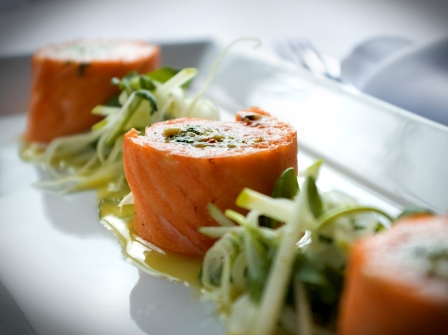
  • Heavier seafood such as Salmon and Tuna…this is truly a wine that can pair with both red and white meat (depending on the preparation, of course)
  • This is an ideal wine for the typical American Thanksgiving menu, as well as most other “everybody brings a dish” type of holiday meals.  

Food Affinities – Bridge Ingredients:

  • Mushrooms, Truffles, Black Olives
  • Earthy Flavored Cheeses, Blue Cheese, Soft Cheeses
  • Tomatoes, Garlic, Shallots, Onions
  • Basil Pesto, Fresh Herbs
  • Eggplant, Beets, Roasted Red Bell Peppers
  • Cherries, Cranberry, Plum – as with most dry wines, careful with the sweetness level.

Note: When it comes to food pairings, by all means—drink what you like!

The Bubbly Professor is “Miss Jane” Nickles of Austin, Texas


Perfect Pairings: Wine with Holiday Ham

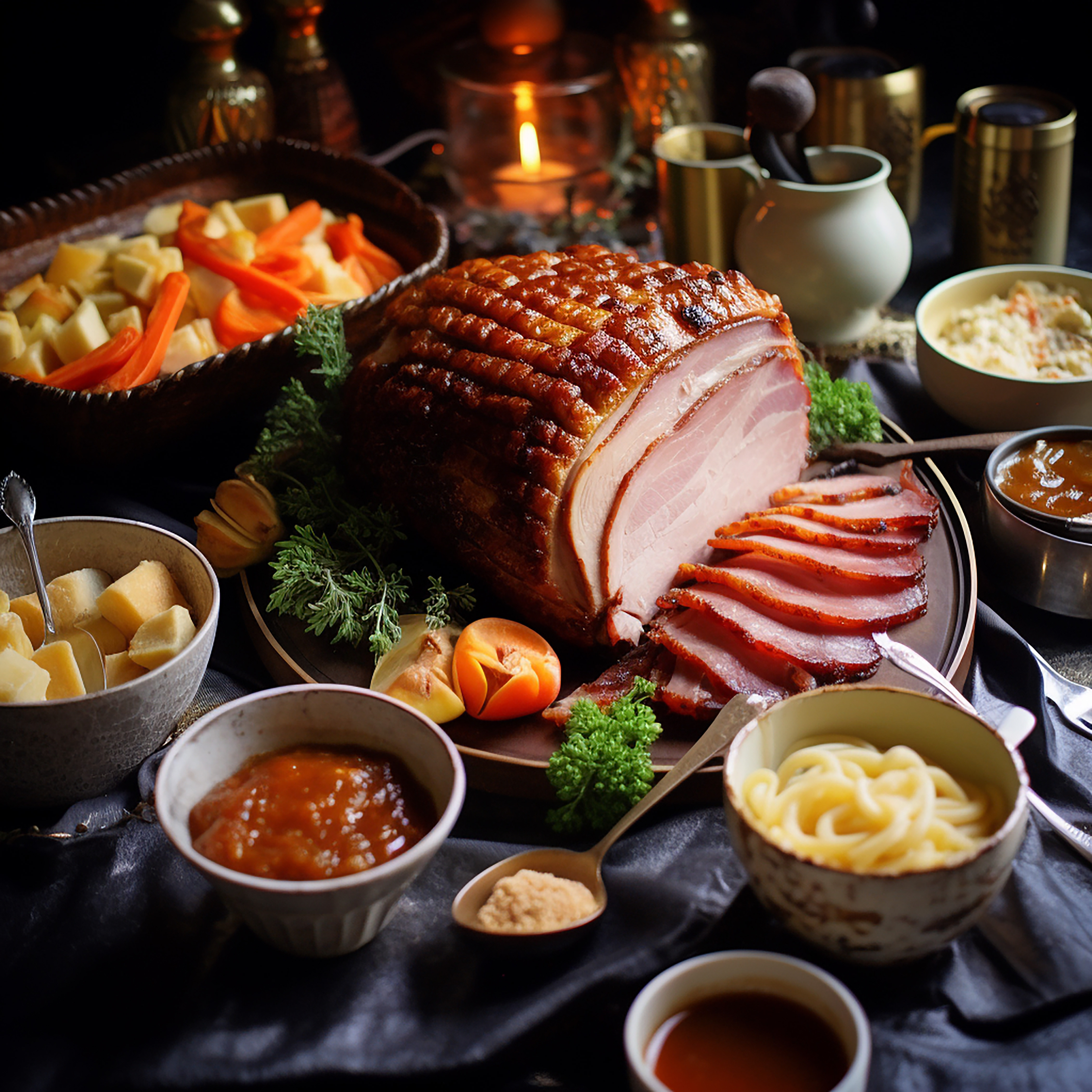
If your next big, crazy holiday gathering is going to feature a holiday ham (yum), the centerpiece of your meal will probably be glazed with maple or pierced with cloves. On the side, you are likely to find the standard line-up of holiday buffet dishes, including scalloped potatoes, sweet potatoes, brandied peaches, and green beans.

Your first wine pairing guideline for such a feast is center your wine choices around white wines, rosés, or lighter styles of red. This is to avoid a clash with the inevitable sweetness on your plate and to avoid overpowering the entrée.  In addition—as is typical of holiday feasts—the array of side dishes on the table will offer up a wide variety of tastes and flavors, so our challenge is to find a wine that doesn’t wrestle with the rest of the meal.

Here are a few guidelines to help you find a great wine to pair with a meal centered around a holiday ham:

Look for something light-to-medium:  A light-to-medium bodied wine—with a corresponding light-to-medium level of flavor intensity—is unlikely to overpower the main course in terms of both weight and flavor.  For best results choose a sparkling wine, a white wine, or a rosé.  There are also plenty of options for red wines lovers; just keep to the lighter styles of red. Wines based on Pinot Noir, Mencía, Gamay, or (sometimes) Sangiovese are great choices.  This can be a great day for lovers of French wine and a great day to bring out the Burgundy and Beaujolais. For lovers of Italian wines, Chianti, Chianti Classico, or Valpolicella can be good choices (however, be advised that depending on the producer, these wines can be light-and-lovely or big-and-brawny).

Fruit-forward wines will shine: A dinner based on ham will most likely contain a side dish based on peaches, raisins, or sweet potatoes.  While it is very hard to predict flavor-based reactions in wine and food pairings (as opposed to taste-based, which can be predicted quite accurately), fruity flavors in food will typically cause the wine to seem less fruity, drier, and more astringent. In order to avoid a fruit-on-fruit wrestling match and ending up with insipid-tasting wine, make sure the wine has fruity flavors to begin with.

A touch of sweetness will make a great match: If your ham is honey-baked, maple-drenched, or brown sugar-glazed, this is important. While it seems counter-intuitive, sweetness in food makes wine taste less sweet (and therefore more acidic).  If the idea of sweet wines on the dinner table scares you, don’t forget that your open-door policy on holidays most likely means that your guests have a broad range of preferences in wine, and this is one case where the Moscato drinkers and the sweet wine lovers may just have an edge. In order to abide by this rule, you don’t need a super-sweet dessert wine, just a wine with a hint of sweetness. After all, a few bottles of Moscato d’Asti, Brachetto d’Acqui, or off-dry Vouvray never hurt anybody!

The Bubbly Professor’s Suggestions for wine to pair with Holiday Ham

  • Riesling from Alsace, Germany, or Washington State is a great choice. For the wine adventurer, try finding a single winery that offers wines in varying levels of sweetness.  Tasting them along with the meal will make for an interesting feast!
  • Vouvray, either sparkling or still, or any other Chenin Blanc-based wine from the Loire or elsewhere (South Africa makes some wonderful Chenin). Vouvray sometimes has a bit of residual sugar, so this wine checks a lot of boxes.
  • Rosé…just about any rosé would be lovely, and this is a time where Rosé d’Anjou with its slight hint of sweetness will absolutely shine.  A rosé made from Sangiovese—which to me always seems to have a charming little hint of baking spice in the flavor—would also work.  If you have a rich uncle, tell him to bring Domaine Tempier Bandol Rosé (from Provence) and save a bottle for me!
  • Pinot Gris from Alsace or Oregon—this is an under-appreciated wine if ever there was one.  For less than $30.00 a bottle, grab a bottle of Pinot Gris from Oregon’s Willamette Valley.  It’s a bit more expensive, but if that doesn’t bother you, try a Pinot Gris from Alsace.
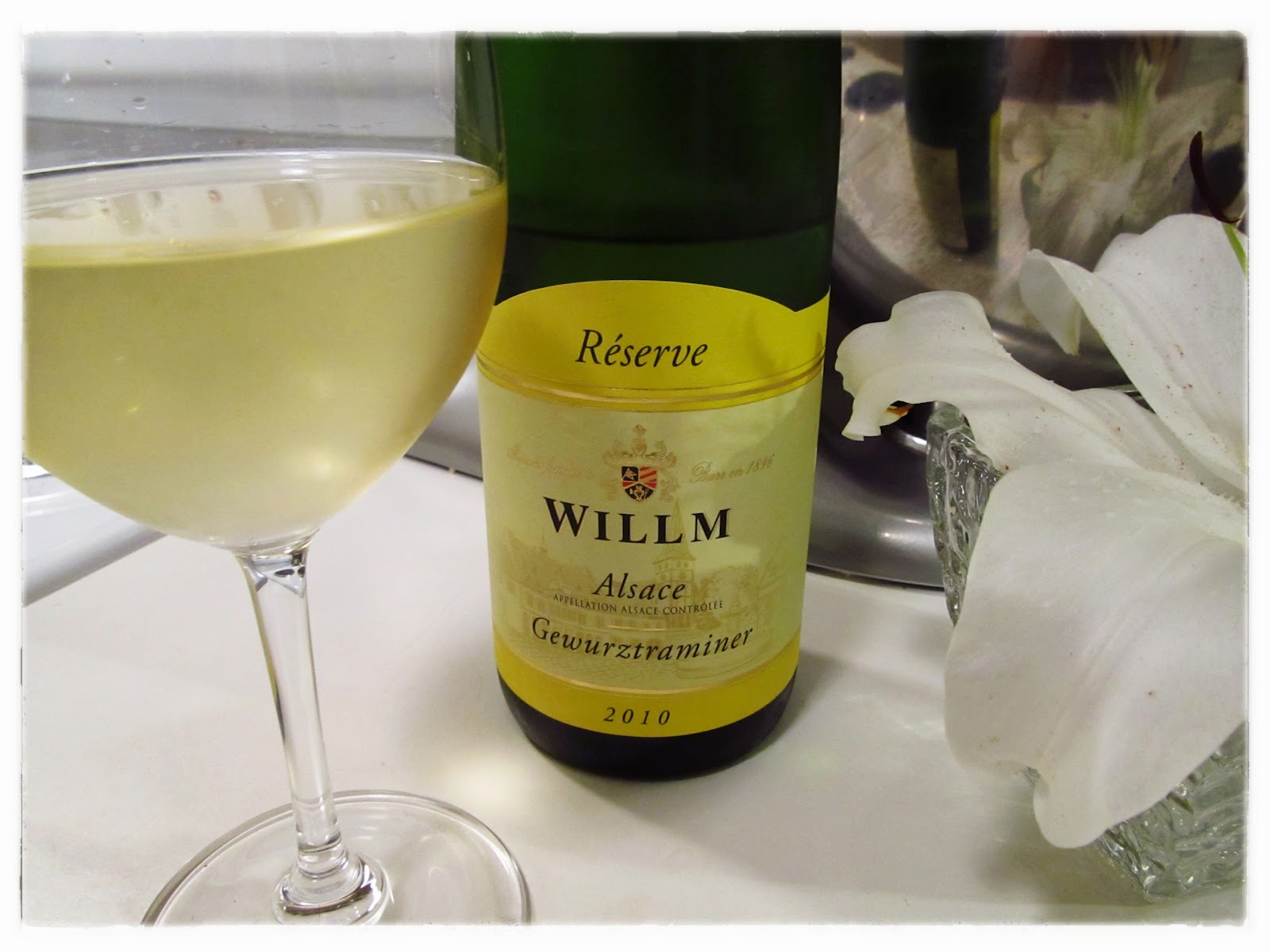
  • Gewürztraminer…my favorite “love it or hate it” wine will really shine with the flavors of a holiday ham feast.  Germany and Alsace make terrific dry varieties, and some of the versions from California have a slight hint of sweetness. Either version will do.
  • Rosé Champagne might just be the perfect choice.  Go for broke and load up the table with Laurent Perrier Brut Rosé, or spend a bit less and find a Brut Rosé Cava from Spain. (Pro tip: buy the Cava for your guests and keep a secret stash of Laurent Perrier in the bedroom mini fridge just for you and your bestie.)
  • Prosecco is a good choice, but then it just about always is!
  • For the wine adventurous…try a Cabernet-Franc based red wine from the Loire, such as Chinon or Bourgueil. California is also making interesting Cabernet Franc these days.
  • Red Burgundy, Cru Beaujolais or Oregon Pinot Noir.  You just can’t go wrong with these food-loving wines.
  • Chianti, Chianti Classico, or Valpolicella—sure to please the lovers of earthy red Italian wines.
  • For the sweet wine aficionados in the crowd, grab a few bottles of Moscato d’Asti and Brachetto d’Acqui.  These slightly sweet wines will work for the whole meal from spiced cashews to pecan pie!

Remember to relax and enjoy the holidays, and don’t stress over the wine choices.  Choose something you love and something that your guests will be comfortable with, whether they be wine newbies or wine adventurers!

The Bubbly Professor is “Miss Jane” Nickles of Austin, Texas…

Perfect Pairings: Wines for Thanksgiving

When pairing wines with a big turkey dinner, it’s time to take sides. 

By this—taking sides—I do not mean that you have to get involved in every family feud that comes up around the dinner table. (oh. please. no.) Rather, I mean that it is a good idea to choose your wines with a mind to the varied tastes and flavors of your side dishes.  Turkey—typically the main event on T-day—is actually quite neutral in flavor and can pair nicely with a variety of wines.  Side dishes for turkey, however, include the sweet (think yams topped with mini marshmallows), the spicy (sausage stuffing), the salty (gravy), and the tangy (pickles, olives, and cranberry sauce).

It takes a fruity, acidic wine with no chance of clashing flavors to match that schizo of a meal.   

I know this subject has been talked to death, that opinions on the matter run hot, and what the world needs now is hardly one more blog post on what wines to serve on Thanksgiving.  So, it is with humility and a bit of trepidation that I offer the following ideas on choosing wine for Thanksgiving.

#1—Choose a wine with lots of crisp, lively acidity:  Tangy foods, such as cranberry sauce, citrus, or anything from the relish tray, need to be paired with wines that can stand up to the challenge.  To be safe, serve a wine that has lively acidity to begin with and your wine will maintain its balanced flavor even in the presence of acidic foods.

#2—Choose a wine with fruit-forward flavors:  Cranberry sauce, sweet potatoes, creamed corn and yams…due to the fact that they have a degree of sweetness, these foods pair best with a wine that has a very fruit-forward style. A wine with a hint of sweetness is ideal, as any sweetness in a food will diminish the fruitiness or sweetness of a wine.  For these reasons, it is a good idea to start with a wine with a good deal of fruit flavors—and maybe even a touch of sweetness—in order to preserve the wine’s balance with these types of foods.

#3—Choose a wine that is low-to-moderate in tannin:  Tannin is an integral part of the taste, flavor, and structure of most red wines. It’s also the component that gives many wines their structure and grip while lending a velvety mouthfeel to others.  However, as beloved a high-tannin wines may be, it pays to go moderate with the tannin in the wines we serve on Thanksgiving. The reason—simply put—is that too much tannin can clash with spicy flavors; those sweet tastes can also be anproblem (as they can bring the bitterness and astringency of a tannic wine to the forefront).  To avoid a clash of the titans that might end up with a metallic or bitter taste in your mouth, keep those red wines low-to-moderate in tannin. You might look for a red wine described as smooth, ripe, or velvety.

#4—Choose a wine with low-or-no noticeable oak influence:  Oak is a beloved flavor enhancer of many wines, and lots of people love oak aromas and flavors.  However, highly oaked wines can clash with some food flavors; to avoid this clash, choose a wine (or wines) with no overt oak flavors (especially the bitterness that often can be sensed on the back of the palate). These oak-derived tastes can clash with foods that are slightly sweet, a bit fruity, or a tad spicy (and there will be plenty of all of these at a typical Thanksgiving feast)!

#5—Choose a wine that is moderate in alcohol:  Alcohol, while part of what makes wine so delightful, has a tendency to clash with certain tastes and flavors, and with all the flavor mingling going on at Thanksgiving, this cage match is likely to happen.  all possible, keep your wine choices in the moderate alcohol range (lower than 14%, dessert wines excepted). On the other hand, if you enjoy the sensation of throwing gasoline on a fire, go right ahead and serve a 15% abv Napa Cab.  And then there’s this…turkey already has enough drowsiness-inducing tryptophan to put you and your relatives to sleep before the first kick-off of the first football game of the day. We don’t need any help from excessive amounts of alcohol!

#6—Remember the reason for the season: American Thanksgiving is a US-centric holiday, a celebration of the bounty of the fall harvest, and a time to be grateful. As such, sometimes I like to choose my wines for Thanksgiving with these ideas in mind. As this is a US-centric holiday, it’s a great time to focus on the wines of the United States. To accomplish this, you could focus on the well-known American wines such as Monterey Chardonnay. Napa Cabernet, Paso Robles Zinfandel, Oregon Pinot Noir, or Washington State Riesling. You could also focus on the lesser-known but still fascinating wines of Idaho, New York State, Virginia, Texas, or any of our other wine-producing states. To add the aspect of celebrating the harvest, try a Beaujolais Nouveau from France. It might not be anyone’s idea of the finest wine on earth, but it represents a true celebration of the harvest, as signified by the early release of the just-made wine of each year.  As a way of expressing gratitude…choose a wine to appeal to those you are most thankful for….seek out your father’s favorite Burgundy, your granddaughter’s beloved white zinfandel, or your oldest friend’s favorite wine. You can’t go wrong.

Bubbly Professor’s Wine Suggestions for Your Turkey Dinner:

  • Riesling from Alsace, Germany, or Washington State
  • Viognier from Texas, California, or The Rhône Valley of France
  • Unoaked Chardonnay
  • Bubbly—any dry or semi-dry sparkling wine; pink versions pair well with a wide range of food, and Prosecco is always a good choice
  • For the adventurous…Sparkling Shiraz
  • For the less-than-adventurous…Moscato d’Asti
  • Dry rosé—an all-around great choice! Serious, French rosé—such as those made in Tavel or Lirac—is a great choice. American rosé of Pinot Noir will work as well.
  • Zinfandel from Lodi, Paso Robles, Sonoma, the Sierra Foothills (Amador or El Dorado County)
  • Pinot Noir from Burgundy, California’s Central Coast, or Oregon
  • Beaujolais
  • Or, of course, you can use this philosophy:  serve anything you like…it’s just one day out of life!

Happy Holidays, Everyone!! No matter what you serve, enjoy the day and give thanks for all the good things in your life! 

The Bubbly Professor is “Miss Jane” Nickles of Austin, Texas… missjane@prodigy.net