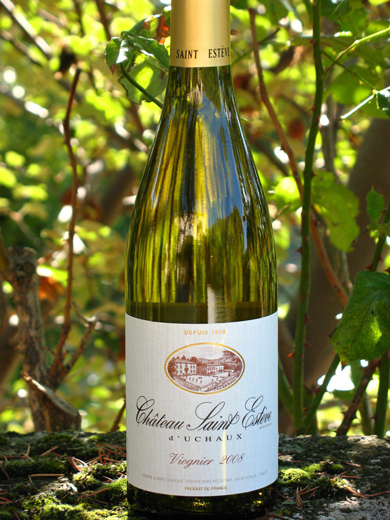
Wine Grape Cheat Sheets: Viognier

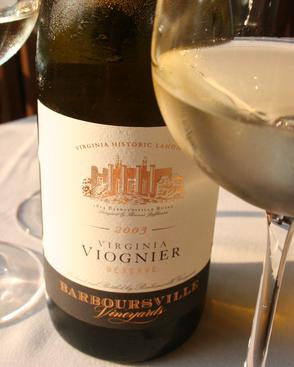
The Soundbyte:  Just a generation ago, Viognier was close to extinction. These days, this richly scented white grape has made a full recovery in terms of fame, popularity, and acreage. Viognier makes unique white wines that will bowl you over with their outrageous floral aromas and peach-pear-apricot fruit flavors. While Viognier will beguile you with its gorgeous scent and yellow-gold hue—make no mistake, this wine can pack a punch in terms of body, flavor, and alcohol. Proceed with caution!

Typical Attributes of a Viognier-Based Wine:

  • Intriguing floral scent combined with apricot, peach, and pear aromas
  • Rich fruit flavors (tree fruit, tropical fruit, ripe citrus) and a creamy mouthfeel
  • Even without oak aging, Viognier can be as full-bodied as an oaky Chardonnay
  • Deep golden color
  • Rich and over-the-top intense in flavor
  • Very often, this tips the scales for high alcohol (in the context of a white wine), although the overall richness of the wine often masks the perception of the heat of the alcohol content
  • Viognier is quite low in acid, but it may contain a bit of a bite of bitterness on the finish
  • The typical low acid often comes across as smooth and velvety on the palate
  • I have had a few late-harvest dessert wines made from Viognier, and they are delicious!

Typical Aromas of a Viognier-Based Wine:

Fruity:  Apricot, Over-ripe Apricot, Mango, Pineapple, Ripe Citrus (Tangerine, Mandarin Orange), Apple, Pear, Peach

Floral:  Honey, Acacia, Orange Blossom, Violet, Honeysuckle, Wildflowers

Spicy:  Anise, Clove, Cinnamon, Nutmeg, Vanilla

Herbal:  Mown Hay, Tobacco, Mint

Butter, Cream

Where the Best Viognier is Grown:

  • The Northern Rhône appellations of Condrieu and Chateau-Grillet produce amazing white wines from 100% Viognier.
  • In the Southern Rhône and throughout the south of France, Viognier may be produced as a single-variety wine or used in an eclectic “white Rhône blend” alongside Marsanne, Roussanne, Piquepoul, and/or Muscat (among others)
  • Also in the Southern Rhône (and elsewhere), Viognier is known to be used in teeny-tiny amounts to add fragrance and a soft side to the red G-S-M or Syrah-based wines of the Rhône.  Even if you wouldn’t know it from looking at the label, a red Southern Rhône blend may contain up to 10% Viognier in the mix.
  • California, particularly the warmer regions such as Lodi and the Sierra Foothills.
  • The State of Virginia is beginning to make some excellent Viognier, and Texas makes some nice versions as well!
  • Australia makes some excellent versions.
  • Plantings in France’s Languedoc, Roussillon, and Provence regions are expanding.

Food Affinities – Base Ingredients:

  • Pungent Cheeses
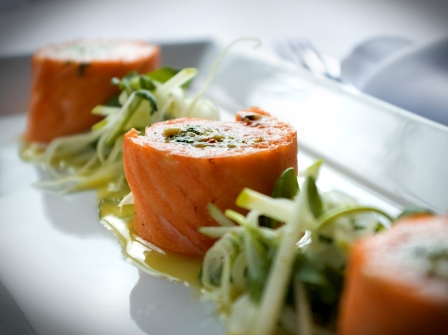
  • Crab, Mussels, Shrimp, Salmon, Smoked Salmon
  • Smoked Food, Poultry, Turkey, Pork

Food Affinities – Bridge Ingredients:

  • Curry, Ginger, Clove, Cinnamon
  • Sweet Onions, Garlic, Coconut, Honey
  • Herbs, Corn, Polenta, Walnuts, Hazelnuts
  • Butter, Cream, Fresh Cheeses

Note: When it comes to food pairings, by all means—drink what you like!

Wine Grape Cheat Sheets: Pinot Noir

The Soundbyte:  The Pinot Noir grape has been grown in the Burgundy region of France for centuries, and is used to craft the region’s world-famous red wines.  Pinot Noir is also grown in Champagne, where it makes its way into many “house blend” Champagnes as well as Blanc de Noirs and Rosé Champagne.  Elsewhere in France, Pinot Noir is grown in the Loire Valley—several red wines of the Central Loire, including Sancerre (when its red), are based around Pinot Noir!

Pinot Noir has also found a home in the Willamette Valley Region of Oregon—so much so that the region is often referred to as Burgundy West.  The finicky grape thrives in the cooler growing regions of California, the warmer spots of New Zealand, and the coastal appellations of Australia (think Tasmania, Yarra Valley, and the Mornington Peninsula).

Despite its fame and fortune, Pinot Noir is known for being incredibly finicky in the vineyard. It is often called the heartbreak grape, and can be just as difficult in the winery as it is in the vineyard. Pinot Noir can indeed be the best of wines…or the worst of wines. Let’s talk about the best!

Typical Attributes of a Pinot Noir-based Wine:

  • Light garnet to dark ruby in color…sometimes the lightness of the color belies the flavor intensity of the wine!
  • Medium body, medium in tannin
  • The finest Pinot Noir wines combine juicy fruit flavors with earthy complexity and zingy, balanced acidity.
  • Pinot Noir is potentially one of the most delicate, complex, and food-friendly red wines.
  • Pinot Noir has a signature aromatic profile (imho) of floral notes at the top of the glass and cherry-berry scents at the bottom, both circling a core of “earthy-floral-garden dirt” aromas.
  • Save Pinot Noir for an occasion when you have at least 25 dollars to spend…bad Pinot Noir can be disappointing indeed. (The “New World Hope” exception to this rule just might be Pinot Noir from Tasmania…time will tell.)
  • Pinot Noir makes fantastic sparkling wines and is the most widely planted grape in Champagne.  If you are drinking a Blanc de Noir, chances are, you are drinking Pinot.
  • Rosé of Pinot Noir is a beautiful thing.

Typical Aromas of a Pinot Noir-Based Wine:

Fruity:  Black cherry, dried cherry, raspberry, strawberry, cranberry, blueberry, plum, dried plum, pomegranate

Earthy:  Mushroom, wet dirt, wet leaves, dry leaves, barnyard, dried herbs

Floral:  Rose, violet, dried flowers

Wood-Derived:  Vanilla, smoke, oak, cinnamon, nutmeg, clove (hints of spice from barrel aging)

Crazy but true: Cola, Dr. Pepper, prune, cocoa, Earl Grey Tea

Where The Best Pinot Noir is Grown:

  • The Burgundy Region of France
  • Champagne
  • France’s Loire Valley…Sancerre Rouge is actually Pinot Noir
  • Oregon…sometimes called “Burgundy West”!
  • California, particularly in and around the Central Coast, Sonoma, and the cooler portions of Napa
  • New Zealand
  • Australia grows Pinot Noir in its cooler regions such as Tasmania, Yarra Valley, and the Mornington Peninsula.

Food Affinities – Base Ingredients:

  • Beef, Lamb, Veal, Poultry, Pork
  • Heavier seafood such as Salmon and Tuna…this is truly a wine that can pair with both red and white meat (depending on the preparation, of course)
  • This is an ideal wine for the typical American Thanksgiving menu, as well as most other “everybody brings a dish” type of holiday meals.  

Food Affinities – Bridge Ingredients:

  • Mushrooms, Truffles, Black Olives
  • Earthy Flavored Cheeses, Blue Cheese, Soft Cheeses
  • Tomatoes, Garlic, Shallots, Onions
  • Basil Pesto, Fresh Herbs
  • Eggplant, Beets, Roasted Red Bell Peppers
  • Cherries, Cranberry, Plum – as with most dry wines, careful with the sweetness level.

Note: When it comes to food pairings, by all means—drink what you like!

The Bubbly Professor is “Miss Jane” Nickles of Austin, Texas


Wine Grape Cheat Sheets: Riesling

The Soundbyte: Often misunderstood due to those overly sweet, bright blue-and-pink bottles resting on the bottom shelf at the supermarket, Riesling is one of the leading white wine grapes in the world.  Riesling produces some of the finest, most complex, and longest-lasting white wines in the world.  It is considered to be native to Germany, where its cultivation can be traced back thousands of years.

The Riesling grape is renowned for its ability to walk a tight rope balancing act in its combination of sugar and acid, resulting in wines that somehow manage to be both delicate and complex.  As for the pronunciation of the name, in order to say it correctly—REE-sling—you have to smile!

Typical Attributes of a Riesling Based Wine:

  • Riesling has the amazing ability to be both very fruity and very acidic at the same time.
  • Riesling’s acidic backbone and complex, balanced flavors give it the ability to age (when produced in an age-worthy style).
  • The greatest Riesling vines in the world are grown in cool growing regions and often made into dry white wines renowned for their bracing acidity. Terms like steely, nervy, racy, tongue-curling, zingy, and precise come to mind as good ways to describe the potential acidity of a Riesling in all its glory.
  • Despite my devotion to the dry Rieslings of the world, it is true that much of the Riesling you may find on the shelf does indeed have a degree of residual sugar. This sweetness may or may not be detectable due to the balancing acidity in the wine.

In a German or Austrian wine, the term Kabinett on the label indicates a low level of ripeness at harvest. The terms Auslese and Spätlese refer to grapes with a higher level of sugar at harvest—these wines may be dry, or they may contain a small degree of residual sugar (this depends on the winemaking process).

Dessert wines made from Riesling have their place among the best dessert wines in the world.  Such wines may be labeled as Late Harvest Riesling, Botrytis-affected Riesling, and Riesling Ice Wine.  German-speaking regions may refer to these wines using terms such as Beerenauslese,  Trockenbeerenauslese, or Eiswein.

Typical Aromas of a Riesling Based Wine:

Fruity:  Peach, Dried Peaches, Apricot, Apple, Green Apple, Baked Apple, Pear, Orange, Orange Peel, Lime

Floral:  Jasmine, Rose, Orchid, Juniper, Honey, Perfume, Wildflowers, Orange Blossom, Lime Blossom

Mineral:  Flinty, Steely, Wet Stones, Chalk, Ozone (the scent of the air after a rainstorm)

Chemical:  Petrol, Gasoline, Rubber Bands, Varnish, Wet Paint, Paint Remover

Late Harvest Riesling and Riesling Ice Wine (Eiswein) can take these aromas to the extreme…I’ve found that the lime aromas transform into a quick scent of pickle juice or green olives (sounds weird, I know, but give it a try). Sweet Riesling may evoke the aromas of dried peaches rubbed on a wet stone.  Just try it for yourself!

Where the Best Riesling is Grown:

  • Riesling is native to Germany and grown throughout Germany’s wine regions.
  • Austria
  • The Alsace Region of France.
  • California, Oregon, Washington State (Bubbly Prof really likes the Washington State Rieslings)
  • New York State’s Finger Lake Region
  • Canada, especially the Niagara Peninsula
  • The cooler regions of Australia such as the Eden Valley and the Clare Valley

Food Affinities – Base Ingredients:

  • Sushi…it’s the best match in town so I had to list it first.  It’s crave-worthy.
  • Seafood of all kinds
  • Smoked Seafood – Smoked Salmon and Riesling would be my “last meal” request.
  • Chicken (and poultry of any kind)
  • Ham, Pork, Prosciutto, Sausages
  • Asian Flavors, Indian Flavors—Riesling loves the salt, the spice, and even the heat.

 Bridge Ingredients:

  • Jalapeno Peppers, Wasabi – Bubbly Prof says any type of “green heat” is fabulous with Riesling.
  • Cilantro, Lemon Grass, Fresh herbs of any kind
  • Orange, Orange Zest, Lemon, Lime
  • Avocado, Corn, Leeks, Sweet Onions, Tomatoes, Sun-dried Tomatoes
  • Bacon, Pancetta, Green Olives, Capers
  • Ginger, Curry, Cinnamon, Nutmeg, Allspice, Soy Sauce, Salty condiments

Note: When it comes to food pairings, by all means—drink what you like!

The Bubbly Professor is “Miss Jane” Nickles of Austin, Texas


Wine Grape Cheat Sheets: Syrah

Syrah—The Soundbyte: The Syrah grape, also known as Shiraz, is believed to be native to the Auvergne-Rhône-Alpes region of southeastern France. It is the leading red grape variety of the Northern Rhône Valley, and a major player in the (mainly) blended red wines of the Southern Rhône.

There’s a lovely legend that tells of the grape as a native to the city of Shiraz in Iran, transported from its Middle Eastern home to the south of France by a knight returning from the crusades—but, alas, it has been proven untrue and will remain with us as just another good story.

Today, Syrah thrives in many areas across the winemaking world and is the superstar grape of Australia. It is most often made into dry reds of both the single-variety and blended-variety styles.  While it is sometimes used to produce bubbly wines, rosé, and dessert wines; Syrah is mainly known (and widely appreciated) as a powerhouse red.

 Typical Attributes of a Syrah-based Wine:

  • European-style Syrah-based wines tend to be medium-dark in color and concentrated in flavor. European Syrah is often blended with softer grapes to minimize or balance tannin and alcohol levels. These wines are often described as earthy, dense, smoky, and herbal. 
  • Outside of Europe, Syrah/Shiraz-based wines tend to be dark purple, opaque, and inky in appearance.  Other attributes of this style of Syrah include high alcohol, fruit-forwardness, and intense tannins. These tannins are sometimes considered “soft” or “velvety” because they are drinkable when the wines are still young (often a result of winemaking techniques).
  • Australian Shiraz is sometimes described as plush ripey. Who can resist that?
  • The Australians produce sparkling Shiraz.
  • Syrah also makes a lovely, dry rosé.

Typical Aromas of a Syrah-based Wine:

Fruity:  Blackberry, Plum, Ripe Cherry, Currant, Prune, Blueberry, (Dried) Orange Peel

Spicy:  Black Pepper, Cinnamon, Clove, Vanilla, Chocolate, Coffee, Espresso, “Burnt Coffee”

Chemical:  Leather, Burnt, Tar, Smoke, Burnt Rubber, Asphalt, Graphite

Earthy:  Gamey, Smoky, Minty, Barnyard, Garrigue

Floral:  Lavender, Wildflowers, Dried Flowers, Violets

Where The Best Syrah is Grown:

  • Australia.
  • The Rhône:  Syrah stars in the wines of the Rhône, as the dominant variety in the North (in famous wines such as  Cornas, Hermitage, and Côte Rôtie) and as part of the typical Rhône blend in the South (as in Châteauneuf-du-Pape and Côtes du Rhône). The red Rhône Blend is often referred to as GSM (Grenache-Syrah-Mourvèdre); these grapes typically make up the backbone of Rhône blends, but such wines may contain other grapes as well.
  • Syrah also does well in the south/southeast of France (Provence, Languedoc, Roussillon).
  • South Africa, especially the warmer regions such as Paarl and Franschhoek.  For a real treat, try a bottle of “The Chocolate Block” from Boekenhoutskloof Winery (extra credit if you can pronounce it).
  • California, especially Sonoma, Mendocino, Napa, and Santa Barbara.
  • Washington State—a trendy growing region for Syrah—is well-represented; particularly the Walla Walla Valley AVA (which actually extends south into Oregon). The Rocks District of Milton-Freewater AVA (located in the Walla Walla Valley but within the state of Oregon) is also a fantastic (albeit small) region for Syrah.

 Food Affinities – Base Ingredients:

  • Beef, Lamb, Veal, Venison, Pork, Hard Cheeses

Food Affinities – Bridge Ingredients:

  • Garlic, Onions, Mushrooms
  • Walnuts, Pecans
  • Rosemary, Thyme, Bay Leaf, Sage
  • Tomatoes, Eggplant, Fennel
  • Currants, Raisins, Prunes (but go easy on the sweetness)
  • Green Peppercorns, Black Pepper, Coarse Grained Mustard, Chili Spices, Barbeque Flavors

Note: When it comes to food pairings, by all means—drink what you like!

The Bubbly Professor is “Miss Jane” Nickles of Austin, Texas – missjane@prodigy.net .

Wine Grape Cheat Sheets: Sauvignon Blanc

Sauvignon Blanc—the Soundbyte: Sauvignon Blanc is one of the world’s major white wine grape varieties, celebrated for its distinctive aromas and bracing acidity.  Its crisp acidic backbone makes it one of the most food-friendly of all table wines.  Sauvignon Blanc is a highly aromatic white wine, and its distinctive aromas can vary greatly depending on terroir and winemaking.  While generally thought of as a single-varietal or blended dry white wine, Sauvignon Blanc is also used to craft luscious dessert wines.

Typical Attributes of a Sauvignon Blanc-Based Wine:

  • Sauvignon Blanc can be made in a variety of styles, based primarily on fermentation techniques and whether or not the wine is blended or oak aged.
  • Botrytis-affected and late harvest Sauvignon Blanc can be used to produce very sweet, complex dessert wines.
  • Lighter style, dry Sauvignon Blancs are generally stainless steel fermented and aged only briefly (if at all) in stainless steel.
    • The typical attributes of this lighter style wine are: light-to-medium bodied, crisp (quite acidic), delicate, steely, precise, and fruity.
  • The richer style, sometimes called Fumé Blanc in the New World, is often oak-fermented, sur lie aged, and sometimes oak barrel aged.
    • The attributes of this richer style include: medium bodied, rich, complex, smoother, and sometimes showing oak-derived complexity.
  • Sauvignon Blanc is often blended with Sémillon in order to add complexity and tone down its usual razor-sharp acidity.  This style was pioneered in the white wines of Bordeaux.

Typical Aromas of a Sauvignon Blanc-Based Wine:

Fruity:  Green Apple, Apricot, Lime, Lemon, Green Plum, Melon, Pear, Grapefruit, Pineapple, Gooseberry, Kiwi, Papaya

Herbal/Vegetative: Cut Green Grass, Green Bell Pepper, Asparagus, Fennel, Herbs, Lemon Grass, Hay, Straw, Wildflowers

Mineral:  Wet Sand, Wet Stone, Riverbank, Ozone, Fresh Rain (Petrichor)

Chemical:  Ammonia, sometimes referred to as “pipi du chat”

Dessert Wine Styles of Sauvignon Blanc can display aromas of honey, dried apricot, peaches, nutmeg and even curry…botrytis-affected wines will have that inimitable “earthy edge”!

Where The Best Sauvignon Blanc is Grown:

  • The Bordeaux Region of France, notably Graves and Entre-deux-Mers
  • The Loire Valley Region of France, notably Pouilly-Fumé and Sancerre
  • California’s Napa and Sonoma Regions
  • New Zealand, notably the Marlborough Region
  • South Africa, particularly Stellenbosch
  • The cooler regions of Chile and Argentina
  • Australia, notably The Adelaide Hills Region

Food Affinities – Base Ingredients:

  • Raw Shellfish
  • Seafood of all kinds
  • Chicken
  • Acidic Sauces
  • Tomatoes
  • Salads, Vinaigrettes
  • Vegetarian Dishes
  • Avocado
  • Asparagus

Food Affinities – Bridge Ingredients/Flavor Bridges:

  • Citrus
  • Fennel, Bell Pepper, Eggplant, Zucchini
  • Herbs, Mushrooms, Garlic
  • Dijon Mustard
  • Capers, Green Olives
  • Prosciutto
  • Feta Cheese, Goat Cheese

Note: When it comes to food pairings, by all means—drink what you like!

The Bubbly Professor is “Miss Jane” Nickles of Austin, Texas…


Wine Grape Cheat Sheets – Pinot Gris

Pinot Gris—the Soundbyte: Pinot Gris, known to most of the world as the delightful Italian Wine called Pinot Grigio, is renowned for its crisp, fruity, and vaguely floral wines from Northern Italy.  The variety known as Pinot Grigio is the “same grape-different name” as the grape variety Pinot Gris and goes by many other aliases as well.  Pinot Gris (aka Grigio) is successfully grown in France, Germany, Austria, Switzerland, Hungary, Oregon, and California. Its popularity is every-expanding and new plantings seem to know no bounds. The grape acquired the name Pinot Gris (Grey Pinot) in France due to its grayish-white fruit. It is believed to be a natural mutation of Pinot Noir.

Typical Attributes of a Pinot Gris/Pinot Grigio-Based Wine:

  • Light to medium bodied
  • Almost always fruity—lemon-lime-citrus aromas are common in those from Italy, while Alsace, California, Oregon (and several other spots) tend to produce wines with slightly richer, tropical fruit-tree fruit aromas (such as apricot and pear).
  • Very often stainless steel cold fermented.
  • Generally crisp, acidic, and refreshing.
  • Italian Pinot Grigio is often described as Sauvignon Blanc without the grassy overtones.
  • Pinot Gris from Alsace and Oregon tends to have a bit more body and be a tad smoother than those produced in the Italian style. Such wines are often compared to unoaked Chardonnay. (The Bubbly Professor agrees with this comparison, but thinks that Pinot Gris has a “waxier, creamier and smoother” style than some Chardonnay.)
  • A late harvest (potentially sweet) wine called “Vendage Tardive” is made from Pinot Gris in the French Region of Alsace. Sweet Pinot Gris-based wines are also produced in Oregon and California; these might be labeled as late harvest and or vin de glacerie.

Typical Aromas of a Pinot Gris/Pinot Grigio-Based Wine:

  • Fruity: Citrus (Lemon, Lime, Tangerine), Peach, Dried Peach, Apricot, Fresh-cut Pears, Green Apple, Melon, Tropical Fruit, Kiwi, Mango
  • Floral: Wildflowers, Blossoms, Honey
  • Herbal: Thyme, Oregano, Lemongrass
  • Mineral: Wet Stones, Wet Sand
  • Nutty

Where The Best Pinot Gris/Pinot Grigio is Grown:

  • Italy, especially in the Northern Regions of Veneto, Friuli-Venezia Giulia, and Trentino-Alto Adige
  • Alsace
  • The cooler wine growing regions of Europe such as Germany, Austria, and Switzerland.
  • California, especially Napa and Santa Barbara
  • Oregon, where it shines!

Food Affinities – Base Ingredients:

  • Seafood, Smoked Seafood, Seafood Salads
  • Poultry
  • Veal
  • Vegetarian Dishes
  • Fried Foods such as fried calamari, fried clams, and fried zucchini

Food Affinities – Bridge Ingredients:

  • Tomatoes, Mushrooms, Zucchini, Hors d’oeurves
  • Cream Sauces, Sour Cream
  • Citrus, Subtle Vinaigrettes, Capers, Green Olives
  • Basil, Tarragon, and just about all Herbs
  • Bell Peppers, Roasted Fennel, Garlic, Onions, Shallots
  • Toasted Pine Nuts
  • Ricotta Cheese, Mozzarella Cheese

Note: when it comes to food pairings, by all means, drink what you like!

The Bubbly Professor is “Miss Jane” Nickles of Austin, Texas

Tales of the Vine: The Hungry Black Rooster

The wine region we know as Chianti—stretching across Tuscany from Florence in the north to the medieval town of Siena in the south—is one of the oldest geographically defined wine regions on earth.  Winemaking in this region can be documented as far back as the 13th Century, and the first defined boundaries of the Chianti Wine Region were set in place in 1716 by The Grand Duke Cosimo III de Medici.

Within the Chianti district, a smaller area known as the Chianti Classico DOCG represents the original, historic center of the region.  The wines of Chianti Classico are considered to be the traditional wines of Chianti and (most would agree), the best.  Winemakers in Chianti Classico guard the vineyards, the wine, and their region’s reputation fiercely.

In 1924, a group of grape growers and winemakers formed a group to promote and protect the image of the wines of Chianti Classico and took as their symbol the Gallo Nero, or Black Rooster.  In 2003 the Italian government gave the group—now known as the Consortium (Consorzio) of Chianti Classico—regulatory control of the entire production of Chianti Classico, and all the wines of the region now bear the symbol of the Black Rooster.

The story of how this famous wine region became to be represented by a black rooster is one of the best legends of the wine world, and goes like this:

The legend of the Black Rooster dates back to a 14th century boundary dispute between Florence and Siena.   After a long and drawn-out battle, the two Republics decided to settle the issue with a race between two knights on horseback.  According to the rules of the match, each knight would set off from their respective hometowns upon the crow of the rooster. In other words, the race was to commence—you would think—at dawn.  The knights would travel along the road between the two Republics, and the point where they met in the middle would be the official boundary line between Florence and Siena.

The townspeople of Siena chose as their representative a white rooster.  In order to make him a happy, strong singer, they fed him well and pampered their rooster until the appointed day.

The people of Florence chose a black rooster to represent them, but they fed him sparingly. Some say they flat-out neglected him—so much that in fact, on the morning of the contest he was so hungry that he woke up several hours before dawn, and crowed and crowed and crowed until he was fed.  Thus, the knight from Florence began his part of the race in what was basically the middle of the night. Not surprisingly, he covered most of the road between the two Republics before he met up with the Knight from Siena.

As a result, almost the whole of the land of Chianti was annexed to the Republic of Florence and the Black Rooster, or Gallo Nero became the symbol of the newly-expanded area.  Later, the Gallo Nero became the symbol of the original Lega di Chianti in the 16th century. When the Consorzio of Chianti Classico was created in 1924, they chose the black rooster as their symbol as well.

Look closely at any bottle of Chianti Classico….you’ll find the black rooster on the label, proudly representing centuries of tradition.

The Bubbly Professor is “Miss Jane” Nickles of Austin, Texas… missjane@prodigy.net

References/for more information:

Deconstructing Llicorella

PrioratThis morning I set about to research the wine region of Priorat for a blog post.  I already knew the basics of the region, such as the fact that it is one of Spain’s two DOCa wines, the main grape variety is Garnacha Tinta, and the area came to international attention in the 1990s.

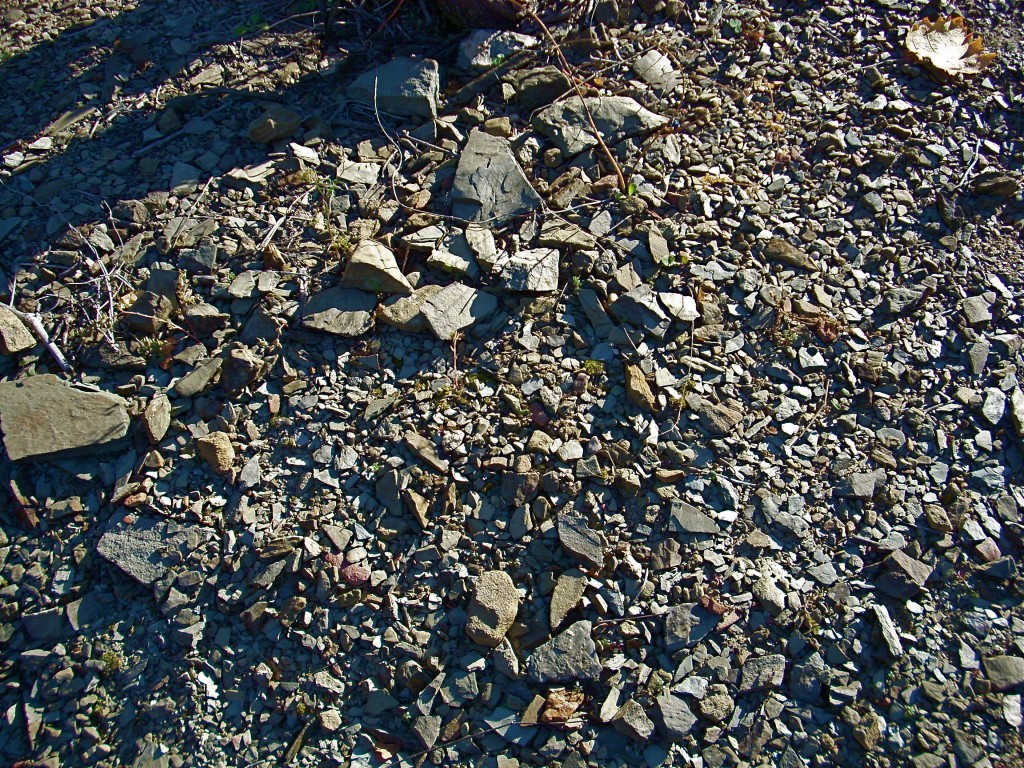
Wikipedia (I know, not the best reference but in this case, just a starting point) also had this to say, “The area is characterized by its unique terroir of black slate and quartz soil known locally as Llicorella.” I already knew that the soil in Priorat is mainly Llicorella…at least I knew the word, and could have guessed it correctly on a multiple choice test.  But being in a Monday sort of contemplative mood, I wondered if I really understood Llicorella.  Of course, I didn’t. So I set about to deconstruct Llicorella.

First of all…just what exactly is slate? Slate is a fine-grained, foliated, homogeneous metamorphic rock derived from sedimentary rock composed of clay or volcanic ash. It is the finest grained foliated metamorphic rock.

Slate...a Metamorphic Rock

Slate…a Metamorphic Rock

Metamorphic Rock? Metamorphic rocks are created from the transformation of existing rock types.  Metamorphism means “change in form.” Rocks under the earth’s surface change form by being subjected to heat, generally temperatures from 300° – 400°F, which can cause both physical and chemical changes in the rock itself.

Sedimentary Rock? Sedimentary rocks are formed by the solution of mineral and organic particles within bodies of water. Sedimentation is the name for several different processes that cause mineral particles and organic particles to settle and accumulate first into a dissolved solution and later into sediment.  Sediment is then transported to dry land by water, wind, or glaciers, or is left behind when the bodies of water dry up.  With time, the slushy sediment hardens into rock. Sandstone is probably the most well-known sedimentary rock.

Clay? Clay is a very fine-grained soil type made up of very fine minerals such as aluminium phyllosilicates, iron, magnesium, and a bunch of other chemicals I have never heard of. The minerals that make up clay soil are the result of weathering…the breakdown of rocks, soils, and minerals through contact with air, water, and living creatures.

Licorella

Llicorella

Volcanic Ash? Volcanic ash is made up of pieces of pulverized rock, minerals, and volcanic glass that are created during volcanic eruptions. Pieces of ash must be less than 2 mm in diameter – larger fragments are referred to as cinders or blocks. At least this one I can understand!

Foliated? There are two types of metamorphic rocks:  foliated rocks and non-foliated rocks.  Foliated metamorphic rocks, such as schist and slate, have a “layered” appearance that has been produced by exposure to heat and directed pressure.  Non-foliated metamorphic rocks such as marble and quartz do not have the “layered” appearance.

And what is quartz? Quartz is the second most abundant mineral in the Earth’s continental crust, after feldspar. There are many different varieties of quartz, several of which are semi-precious gemstones. Quartz is the most common element of sand and sandstone and is used in glassmaking.  Quartz is almost immune to weathering and is a component of granite and other igneous rocks.

Aha- that’s why sand is coarse (quartz doesn’t “weather”) and clay is fine (its made up of materials that do weather or “breakdown”).

I think I’ll stop there. But for those of you who are curious, igneous rocks are rocks that are formed by the cooling and solidification of lava or magma. Granite and obsidian are igneous rocks.

So now, when someone says, “Llicorella is a unique soil made up of black slate and quartz,” what do you know?

Vineyard in PrioratSources (in addition to http://en.wikipedia.org/wiki/Priorat_(DOQ)):

http://geology.com/

http://www.quartzpage.de/index.html

http://www.mineralszone.com/

http://www.turismepriorat.org/en

http://www.in-spain.info/top20/spanish-white-wine-priorat.htm

The Bubbly Professor is “Miss Jane” Nickles of Austin, Texas  missjane@prodigy.net

Perfect Pairings: Wines for Thanksgiving

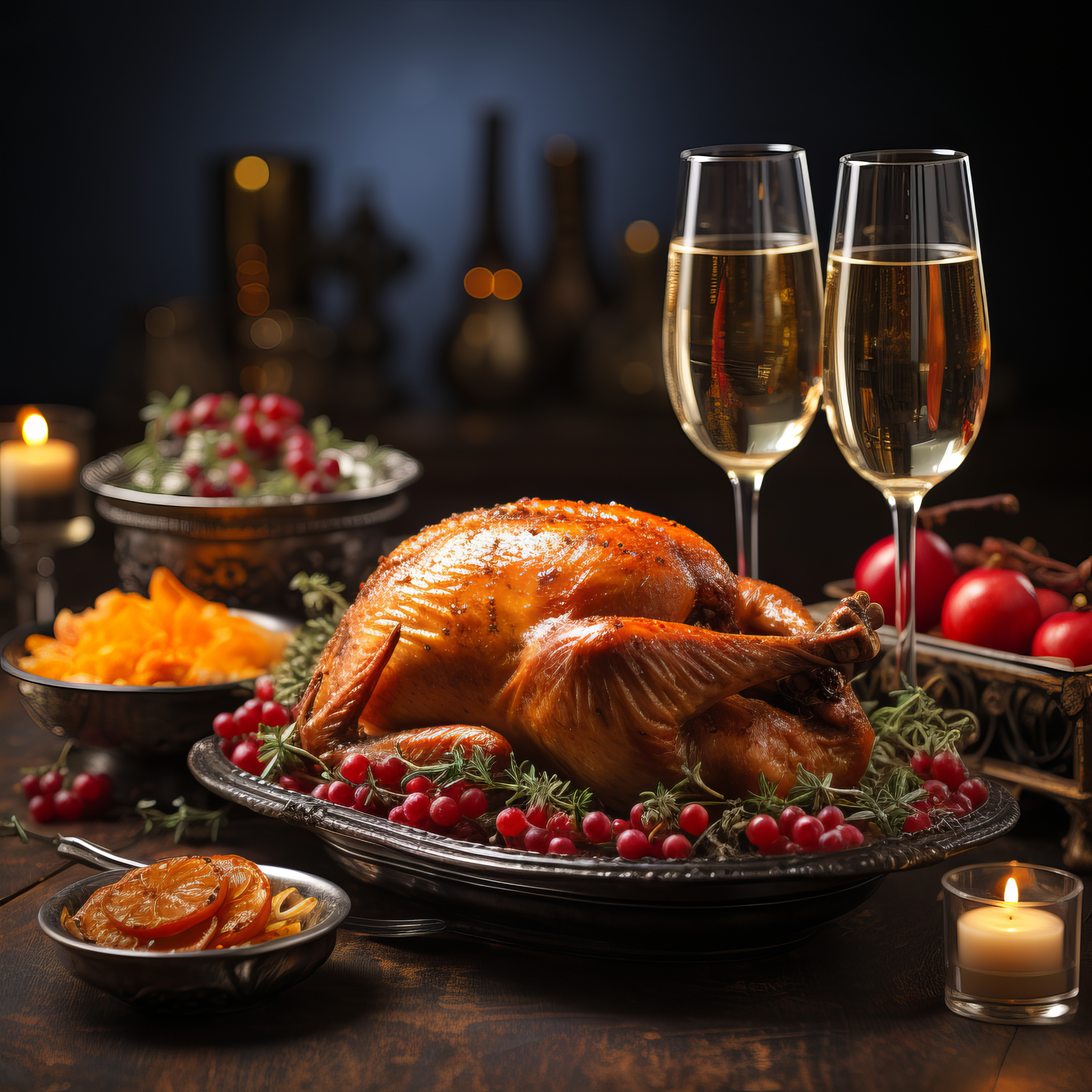
When pairing wines with a big turkey dinner, it’s time to take sides. 

By this—taking sides—I do not mean that you have to get involved in every family feud that comes up around the dinner table. (oh. please. no.) Rather, I mean that it is a good idea to choose your wines with a mind to the varied tastes and flavors of your side dishes.  Turkey—typically the main event on T-day—is actually quite neutral in flavor and can pair nicely with a variety of wines.  Side dishes for turkey, however, include the sweet (think yams topped with mini marshmallows), the spicy (sausage stuffing), the salty (gravy), and the tangy (pickles, olives, and cranberry sauce).

It takes a fruity, acidic wine with no chance of clashing flavors to match that schizo of a meal.   

I know this subject has been talked to death, that opinions on the matter run hot, and what the world needs now is hardly one more blog post on what wines to serve on Thanksgiving.  So, it is with humility and a bit of trepidation that I offer the following ideas on choosing wine for Thanksgiving.

#1—Choose a wine with lots of crisp, lively acidity:  Tangy foods, such as cranberry sauce, citrus, or anything from the relish tray, need to be paired with wines that can stand up to the challenge.  To be safe, serve a wine that has lively acidity to begin with and your wine will maintain its balanced flavor even in the presence of acidic foods.
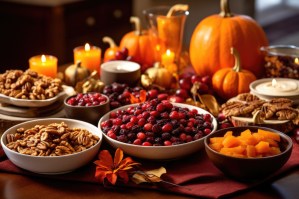
#2—Choose a wine with fruit-forward flavors:  Cranberry sauce, sweet potatoes, creamed corn and yams…due to the fact that they have a degree of sweetness, these foods pair best with a wine that has a very fruit-forward style. A wine with a hint of sweetness is ideal, as any sweetness in a food will diminish the fruitiness or sweetness of a wine.  For these reasons, it is a good idea to start with a wine with a good deal of fruit flavors—and maybe even a touch of sweetness—in order to preserve the wine’s balance with these types of foods.

#3—Choose a wine that is low-to-moderate in tannin:  Tannin is an integral part of the taste, flavor, and structure of most red wines. It’s also the component that gives many wines their structure and grip while lending a velvety mouthfeel to others.  However, as beloved a high-tannin wines may be, it pays to go moderate with the tannin in the wines we serve on Thanksgiving. The reason—simply put—is that too much tannin can clash with spicy flavors; those sweet tastes can also be anproblem (as they can bring the bitterness and astringency of a tannic wine to the forefront).  To avoid a clash of the titans that might end up with a metallic or bitter taste in your mouth, keep those red wines low-to-moderate in tannin. You might look for a red wine described as smooth, ripe, or velvety.

#4—Choose a wine with low-or-no noticeable oak influence:  Oak is a beloved flavor enhancer of many wines, and lots of people love oak aromas and flavors.  However, highly oaked wines can clash with some food flavors; to avoid this clash, choose a wine (or wines) with no overt oak flavors (especially the bitterness that often can be sensed on the back of the palate). These oak-derived tastes can clash with foods that are slightly sweet, a bit fruity, or a tad spicy (and there will be plenty of all of these at a typical Thanksgiving feast)!
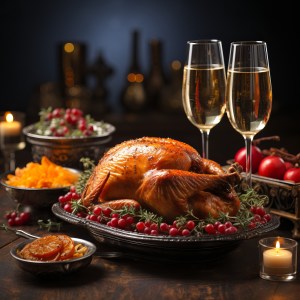
#5—Choose a wine that is moderate in alcohol:  Alcohol, while part of what makes wine so delightful, has a tendency to clash with certain tastes and flavors, and with all the flavor mingling going on at Thanksgiving, this cage match is likely to happen.  all possible, keep your wine choices in the moderate alcohol range (lower than 14%, dessert wines excepted). On the other hand, if you enjoy the sensation of throwing gasoline on a fire, go right ahead and serve a 15% abv Napa Cab.  And then there’s this…turkey already has enough drowsiness-inducing tryptophan to put you and your relatives to sleep before the first kick-off of the first football game of the day. We don’t need any help from excessive amounts of alcohol!

#6—Remember the reason for the season: American Thanksgiving is a US-centric holiday, a celebration of the bounty of the fall harvest, and a time to be grateful. As such, sometimes I like to choose my wines for Thanksgiving with these ideas in mind. As this is a US-centric holiday, it’s a great time to focus on the wines of the United States. To accomplish this, you could focus on the well-known American wines such as Monterey Chardonnay. Napa Cabernet, Paso Robles Zinfandel, Oregon Pinot Noir, or Washington State Riesling. You could also focus on the lesser-known but still fascinating wines of Idaho, New York State, Virginia, Texas, or any of our other wine-producing states. To add the aspect of celebrating the harvest, try a Beaujolais Nouveau from France. It might not be anyone’s idea of the finest wine on earth, but it represents a true celebration of the harvest, as signified by the early release of the just-made wine of each year.  As a way of expressing gratitude…choose a wine to appeal to those you are most thankful for….seek out your father’s favorite Burgundy, your granddaughter’s beloved white zinfandel, or your oldest friend’s favorite wine. You can’t go wrong.

Bubbly Professor’s Wine Suggestions for Your Turkey Dinner:

  • Riesling from Alsace, Germany, or Washington State
  • Viognier from Texas, California, or The Rhône Valley of France
  • Unoaked Chardonnay
  • Bubbly—any dry or semi-dry sparkling wine; pink versions pair well with a wide range of food, and Prosecco is always a good choice
  • For the adventurous…Sparkling Shiraz
  • For the less-than-adventurous…Moscato d’Asti
  • Dry rosé—an all-around great choice! Serious, French rosé—such as those made in Tavel or Lirac—is a great choice. American rosé of Pinot Noir will work as well.
  • Zinfandel from Lodi, Paso Robles, Sonoma, the Sierra Foothills (Amador or El Dorado County)
  • Pinot Noir from Burgundy, California’s Central Coast, or Oregon
  • Beaujolais
  • Or, of course, you can use this philosophy:  serve anything you like…it’s just one day out of life!

Happy Holidays, Everyone!! No matter what you serve, enjoy the day and give thanks for all the good things in your life! 

The Bubbly Professor is “Miss Jane” Nickles of Austin, Texas… missjane@prodigy.net
Train the Trainer: Critical Thinking in the Wine Classroom

One of my rallying cries in wine education and ALL education for that matter, is to teach our student skills far, far beyond the basic memorization of facts.  I’ve spoken at many a conference on this matter, and have dedicated many of my posts on this blog to the subject.  It’s all about teaching to the “higher order thinking skills” known as (I’m not making this up) “HOTS” rather than just teaching to knowledge or memorization, known as “lower order thinking skills” or “LOTS”.

One of the best ways to teach to the “HOTS” is to guide your students to use the information rather than just remember it.  For instance, in my red wine class for beginners, I hope that my students will not just memorize the names of the red wines and the vocabulary words we discussed, but be able to use the information in some meaningful way, such as:

  • Describe what tannin is, and discuss how it adds to the overall character of a wine.
  • Discuss acidity in red wines and how it compares to acidity in white wine.
  • Describe a wine’s method of production and how it lead to some certain character of the wine…

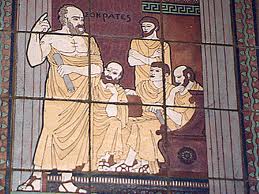
What we are doing here is teaching critical thinking skills. Critical thinking can be traced in Western thought to the Socratic method of teaching used in Ancient Greece, and in the East, to the Buddhist Kalama Sutta. It is a part of the formal education process, increasingly significant as students progress through the higher grades, and should be the main concern in college and graduate-level teaching.  Obviously, critical thinking is an important part of just about every profession. 

According to Wikipedia, “There is debate among educators about its precise meaning and scope.”  Thank you, Wiki..very well said.  Crtical thinking is indeed one of those concepts, like “Politics” or “The Economy” that everyone understands but is hard pressed to actually define.  So here goes, my contribution to the debate…my definition of critical thinking:  The process of actively using new information by application, analysis, or evaluation. I tried to keep it simple.

Here is a list of my favorite techniques for adding critical thinking to the wine classroom:

  • Compare and contrast wines (or regions, or winemakers) by style.
  • Group wines into categories and explain why and how you chose the categories.
  • List wines in order (lightest to fullest, simplest to most complex).
  • Support an opinion with evidence. For instance, this wine is complex because…
  • Discuss whether or not a certain wine appeals to you, and tell us why/why not.
  • Describe a certain aspect of a wine (tannin, alcohol, residual sugar) and discuss how it relates to the other elements of flavor.
  • Predict how a wine will interact with a certain food.

And to make it easy, you can use what I call a “Bubbly Professor Brain Crank”.  I like to call this one “The Instant Critical Thinking Tool”: 

This wine is ____________  because ______________.

I like to use this sentence for class discussions, and it has a tendency to show up on my final exams.  I love it because it appears simple and un-intimidating, and yet you must use critical thinking to answer the question.  It’s also perfect for discussion because there are an infinite number of correct answers.  Students like that feature for test questions as well.

Here’s a sample…just how would you answer this question?

This Beringer Private Reserve Cabernet Sauvignon 2019 is ___________ because ________________.  

Made you think!  

The Bubbly Professor is “Miss Jane” Nickles of Austin, Texas…