Wine Grape Cheat Sheets: Chenin Blanc
October 13, 2022 6 Comments
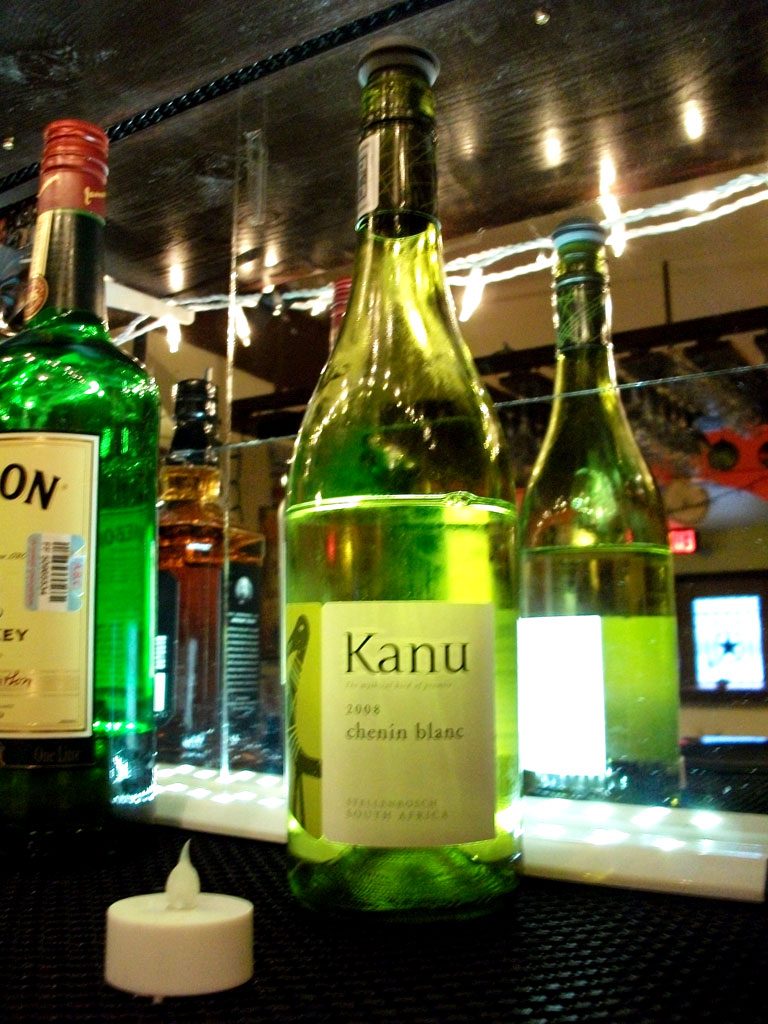
 The Soundbyte: Chenin Blanc is native to the Loire Valley Region of France and is widely grown throughout the Loire Valley. It also thrives in many other regions in Europe and beyond!
Chenin Blanc produces a fruity, floral, easy to drink white wine with clean, fresh flavors and a good zing of acidity. However, this is no simple little white wine grape—Chenin Blanc can be made into serious, mineral-driven dry wines, traditional method sparkling wines, and decadent botrytis-affected dessert wines in addition to the well-known, and much beloved easy drinking style.
Typical Attributes of a Chenin Blanc Based Wine:
- Typical, dry (to off-dry) Chenin Blanc wines are generally light bodied with fruity, floral, and nutty overtones. They tend to be low(er) in alcohol and easy to drink.
- Chenin Blanc has a good deal of acidity. However, this zing is often balanced with the fruity (and sometimes sweet) flavors typical of the grape; as such, it generally comes across as a smooth, easy to drink and easy to love wine.
- Despite its reputation for producing easy drinkers, Chenin Blanc most definitely has a serious side, as is often seen in the western/middle Loire. For example, the steely, nervy, mineral-driven wines of Savenniéres have been called “the most cerebral wines in the world.” (Imho, this means that the wine steals your attention and makes you think.)
- Chenin Blanc’s delicate character makes it a good match for delicately flavored foods—there are few chances for the flavors of the wine and the food to clash.
- Chenin Blanc is also made into Sparkling wines in the Loire Valley and other regions.
- Chenin Blanc also stars as a dessert wine often produced in a late harvest or botrytis-affected style. Excellent examples of sweet Chenin are produced in the Coteaux du Layon region (in France’s Loire Valley) and South Africa.
 Typical Aromas of a Chenin Blanc Based Wine:
Fruity: Apricot, Melon, Green Apple, Green Plum, Pear, Quince, Lemon, Lime, Grapefruit, Greengage (a light green plum popular in France and England)
Floral/Herbal: Orange Blossom, Wildflowers, Perfume, Honey, Honeysuckle, Acacia, Grass, Hay, Angelica (na herb that smells somewhat like celery, is often candied, and is used to flavor Chartreuse)
Chalk, Mineral: Flint, Smoke, “Steely”
Nutty: Almond, Marzipan
Where The Best Chenin Blanc is Grown:
- The Loire Valley in France, notably the regions of Vouvray, Coteaux du Layon, Savevnnières, and Saumur. The Loire Valley is thought to be the native home of Chenin Blanc, and it is used to make just about every type of white wine possible. The region of Savennières produces bone-dry, steely versions, while Anjou, Montlouis, and Vouvray are made in a variety of styles from dry to sweet. Saumur and other Loire regions produce sparkling Chenin Blanc from dry to sweet, and world-class dessert wines are the specialty of Bonnezeaux and Quarts-de-Chaume.
- Chenin Blanc is the most widely planted white wine grape in South Africa, where for centuries it has gone by the name of “Steen.” The grape may have been one of the original grapes planted by Jan van Riebeeck in 1655, or it may have come to South Africa with the French Huguenots who arrived a bit later.
- California, Washington, New Mexico and several other states in the US
- Australia, where it is often blended with Semillon, and New Zealand, where it is grown in small amounts on the North Island
- Many other wine producing regions and countries—including the emerging regions of Israel, Brazil, Uruguay, and Mexico—have plantings of Chenin Blanc.
F ood Affinities – Base Ingredients:
- Delicately Flavored Seafood, Smoked Seafood, Shellfish
- Chicken, other types of Poultry, Chicken Liver, Foie Gras
- Ham, Prosciutto, Bacon
- Goat’s Cheese
- Crudities and Dips
- Potato Dishes, Vegetarian Dishes
- Curry, Indian Spices, Asian Spices
- Capers, Herbs
- Mushrooms, Avocado, Zucchini, Endive, Spinach
- Honey (go easy on the sweetness with dry wines)
- Almonds, Hazelnuts
- Apricot, Melon, Apple
Note: When it comes to food pairings, by all means—drink what you like!
The Bubbly Professor is “Miss Jane” Nickles of Austin, Texas
 The Bubbly Professor