Wine Grape Cheat Sheets: Gamay
October 12, 2021 5 Comments
 The Soundbyte: The Gamay grape—officially known as Gamay Noir à Jus Blanc—can make uncomplicated, easily drinkable, light bodied, light-colored red wines. It is also capable of producing richly hued, rather tannic, complex, and age-worthy wines. It’s a vinifera chameleon.
One thing that we can be assured of, though, is that the grape is hearty in the vineyard. The grape is so prolific and high-yield that long ago it was feared that Gamay would overwhelm the vineyards of Burgundy, and the prolific grapes would damage the reputation of the fine Pinot Noir the Burgundy region was (and is) known for. In order to avoid this messy complication, Philip the Bold—then the Duke of Burgundy—banished the grape from the Kingdom and declared it to be an evil, disloyal plant. In a wonderful twist of fate, grape growers in Burgundy who loved the high-yield, easy-drinking wine made from Gamay were nonplussed and set up their beloved Gamay vines just a bit to the south of the vineyards of Burgundy, where the grape still reigns today.
Typical Attributes of a Gamay Based Wine:
-
- Light-to-medium bodied, although it can surprise you at times with a sturdy wine.
- The tannins in a Gamay-based wine can be quite diverse—some versions are light-to-medium, while some versions have sturdy tannins. The grapes themselves are considered high tannin, although wine-making traditions often ameliorate their impact.
- Crisp, lively acidity.
- Some versions can have a light, cranberry juice-like clear red color; others have a deeper red hue that resembles a dark version of Pinot Noir.
- Fruit-forward aromas and flavors of ripe berries, red fruits of all kinds, even apples and pears—however, some versions can show more aromatic complexity. Such version may show aromas and flavors such as savory herb, earthiness, and minerality.
- Many versions are considered picnic wines—uncomplicated and easy to drink. The fact that Gamay can be served slightly chilled for a refreshing thirst quencher adds to the picnic appeal.
- Beaujolais is sometimes produced via the fermentation technique known as carbonic maceration. Because of this unique process, Beaujolais often displays aromas of banana, bubble gum, pear gummies and/or red candy.
- Many Gamay-based wines are highly drinkable when young. However, Gamay is capable of producing age-worthy wines. The Beaujolais Crus are all good examples of age-worthy Gamay.
- We can’t forget the very popular “nouveau” style wine made from Gamay that is intended to be consumed just a few months after harvest. Look for Beaujolais Nouveau to be released every year on the Third Thursday of November, along with a good deal of publicity and many excellent parties.
T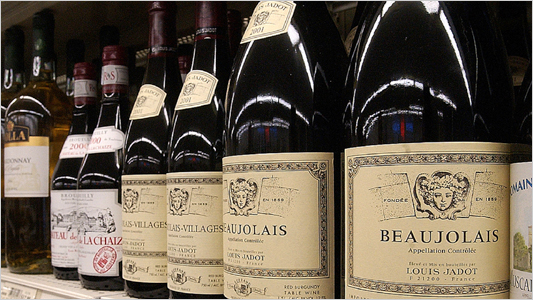 ypical Aromas of a Gamay-based Wine:
- Fruity: strawberry, raspberry, cranberry, cherry, red plum, red currant, ripe pear, red apple
- Floral: lavender, wildflower, violet, rose
- Herbal: dried herbs, white pepper, crushed black pepper
- Earthy/Mineral: wet stone, crushed rock, dried leaves, wet dirt
- Oak-Derived: oak, cedar, vanilla, sweet spice, licorice, nutmeg
- Sometimes found as a result of carbonic maceration: pink bubblegum, banana, pear drop, red candy
Where The Best Gamay is Grown:
- The Beaujolais Region of France, just south of (and somewhat overlapping) the Burgundy Region. The wines of the Beaujolais Region include Beaujolais AOC Beaujolais-Villages AOC, and the highest quality wines—the ten Beaujolais Cru. Each of the ten Beaujolais Cru has its own AOC and will be labeled with the appellation name (such as Saint-Amour, Juliénas, Chénas, and Moulin-à-Vent.
- We can’t forget the fun-and-fruity Beaujolais Nouveau, which accounts for almost 50% of the entire output of the region.
- It’s kind of a well-known secret, but Gamay is still permitted to be used in in certain parts of Burgundy such as the Mâconnais, and just may be surreptitiously tucked in amongst the Pinot vines—even in some of Burgundy’s higher-ranking vineyards.
- France’s Loire Valley, particularly Anjou, Touraine, and Cheverny, where the grape may turn up in red wines, rosé, or sparkling wines.
- The Niagara Peninsula and other parts of Ontario (Canada).
- California grows some Gamay, but there was confusion in the past about a wine called Napa Gamay or Gamay Beaujolais. It is now known that these wines were made from a grape known as Valdiguié, which has its own history and style. However, you can find true Gamay in California and Oregon these days.
- Australia and New Zealand have a bit of Gamay.
Food Affinities – Base Ingredients:
 Seafood of all kinds – try Mussels, Lobster Rolls, Crab Salads, Snapper Veracruz, or fried shrimp. This might work best with the lighter versions, but if you are looking for a red wine with seafood match, Gamay will be among your best choices.
Chicken (hot or cold), Duck, Poultry of any kind. Try duck with cherries.
Just about anything made from Pork: Ham, Prosciutto, Sausages, Charcuterie, Roasted Pork Loin, Pork Chops
Picnic Food, Cold Food, Cheese Plates, Sandwiches (think Prosciutto on a Baguette with a slice of Brie…)
Food Affinities – Bridge Ingredients:
- Tomatoes, Capers, Dijon Mustard
- White Cheeses, Sharp Cheeses such as Feta
- Salty Foods – maybe chips and dips, pretzels and hummus?
- Onions, Garlic, Green Bell Peppers
- Green Olives, Black Olives
- Mixed flavors such as an array of appetizers or finger foods
The Bubbly Professor is “Miss Jane” Nickles of Austin, Texas…
 About bubblyprof
 The Bubbly Professor
Please tell people know to judge all Beaujolais by Beaujolais Nouveau. The Nouveau can be fun, the the Cru can be amazing.
It is my understanding that Beaujolais is a part of the Burgundy region. A Bourgogne winemaker said that although those in Burgundy will say it is not, the bottle will say it is a wine from Bourgogne.
It is true that technically, Beaujolais is part of the Burgundy region!
We have grown Napa Gamay ( Valdiguie, renamed in 2007 ) in the Napa Valley since my grandfather planted it in 1909. We have now planted two rows ( about 200 vines ) I purchased virus free grafting wood from U.C. Davis 4 years ago. It was Charles Krug / Peter & Bob’s Mondavi’s top seller of this style wine through the 70’S. Peter & Bob received a Gold Medal on our Napa Gamay in 1948 .We sold over two hundred tons to Charles Shaw in the 90’S, Rick Foreman , then Scott Mc Cleod was Charles’s wine makers. Since then it was made by Mark Topel, in Healdsberg, As a red table wine and made into Rose as well, Donnis Topel named it Flirt. Drew Dixon, Andrew Lane winery, also made Gamay from our Napa Gamay grapes. We have converted all that Gamay vineyard to Cabernet, with only two rows of the new Gamay remaining. First commercial crop from new vines will be this year. We have used Gamay for our home made wine many times in the last 107 years. I did find and drank a bottle that we made that was ten years old. Very smooth and drinkable.
Craig Battuello
Pingback: You can’t be First but you can be Nouveau | The Bubbly Professor