Wine Grape Cheat Sheets: Riesling

The Soundbyte: Often misunderstood due to those overly sweet, bright blue-and-pink bottles resting on the bottom shelf at the supermarket, Riesling is one of the leading white wine grapes in the world.  Riesling produces some of the finest, most complex, and longest-lasting white wines in the world.  It is considered to be native to Germany, where its cultivation can be traced back thousands of years.

The Riesling grape is renowned for its ability to walk a tight rope balancing act in its combination of sugar and acid, resulting in wines that somehow manage to be both delicate and complex.  As for the pronunciation of the name, in order to say it correctly—REE-sling—you have to smile!

Typical Attributes of a Riesling Based Wine:

  • Riesling has the amazing ability to be both very fruity and very acidic at the same time.
  • Riesling’s acidic backbone and complex, balanced flavors give it the ability to age (when produced in an age-worthy style).
  • The greatest Riesling vines in the world are grown in cool growing regions and often made into dry white wines renowned for their bracing acidity. Terms like steely, nervy, racy, tongue-curling, zingy, and precise come to mind as good ways to describe the potential acidity of a Riesling in all its glory.
  • Despite my devotion to the dry Rieslings of the world, it is true that much of the Riesling you may find on the shelf does indeed have a degree of residual sugar. This sweetness may or may not be detectable due to the balancing acidity in the wine.

In a German or Austrian wine, the term Kabinett on the label indicates a low level of ripeness at harvest. The terms Auslese and Spätlese refer to grapes with a higher level of sugar at harvest—these wines may be dry, or they may contain a small degree of residual sugar (this depends on the winemaking process).

Dessert wines made from Riesling have their place among the best dessert wines in the world.  Such wines may be labeled as Late Harvest Riesling, Botrytis-affected Riesling, and Riesling Ice Wine.  German-speaking regions may refer to these wines using terms such as Beerenauslese,  Trockenbeerenauslese, or Eiswein.

Typical Aromas of a Riesling Based Wine:

Fruity:  Peach, Dried Peaches, Apricot, Apple, Green Apple, Baked Apple, Pear, Orange, Orange Peel, Lime

Floral:  Jasmine, Rose, Orchid, Juniper, Honey, Perfume, Wildflowers, Orange Blossom, Lime Blossom

Mineral:  Flinty, Steely, Wet Stones, Chalk, Ozone (the scent of the air after a rainstorm)

Chemical:  Petrol, Gasoline, Rubber Bands, Varnish, Wet Paint, Paint Remover

Late Harvest Riesling and Riesling Ice Wine (Eiswein) can take these aromas to the extreme…I’ve found that the lime aromas transform into a quick scent of pickle juice or green olives (sounds weird, I know, but give it a try). Sweet Riesling may evoke the aromas of dried peaches rubbed on a wet stone.  Just try it for yourself!

Where the Best Riesling is Grown:

  • Riesling is native to Germany and grown throughout Germany’s wine regions.
  • Austria
  • The Alsace Region of France.
  • California, Oregon, Washington State (Bubbly Prof really likes the Washington State Rieslings)
  • New York State’s Finger Lake Region
  • Canada, especially the Niagara Peninsula
  • The cooler regions of Australia such as the Eden Valley and the Clare Valley

Food Affinities – Base Ingredients:

  • Sushi…it’s the best match in town so I had to list it first.  It’s crave-worthy.
  • Seafood of all kinds
  • Smoked Seafood – Smoked Salmon and Riesling would be my “last meal” request.
  • Chicken (and poultry of any kind)
  • Ham, Pork, Prosciutto, Sausages
  • Asian Flavors, Indian Flavors—Riesling loves the salt, the spice, and even the heat.

 Bridge Ingredients:

  • Jalapeno Peppers, Wasabi – Bubbly Prof says any type of “green heat” is fabulous with Riesling.
  • Cilantro, Lemon Grass, Fresh herbs of any kind
  • Orange, Orange Zest, Lemon, Lime
  • Avocado, Corn, Leeks, Sweet Onions, Tomatoes, Sun-dried Tomatoes
  • Bacon, Pancetta, Green Olives, Capers
  • Ginger, Curry, Cinnamon, Nutmeg, Allspice, Soy Sauce, Salty condiments

Note: When it comes to food pairings, by all means—drink what you like!

The Bubbly Professor is “Miss Jane” Nickles of Austin, Texas


Five Fast Facts about the Anderson Valley AVA

Photo via the Anderson Valley Winegrowers Association

The Anderson Valley—located in California’s Mendocino County—was established as an American Viticultural Area (AVA) in 1983. This was back when there were only about 30 regions so designated in the United States, as compared to the 250-plus AVAs that exist now.

Here are five fast facts about this tiny but fascinating stretch of California wine country.

The valley and the vines: The Anderson Valley AVA stretches for just over 15 miles/24 km along a narrow valley formed by Anderson Creek and the Navarro River. From north-to-south, it measures about one mile/1.6 km wide. As such, it forms a neat rectangle (with a bit of fluff on the western edge) tucked between the Mendocino Ridge AVA to the south and the Yorkville Highlands AVA to the southeast. The Anderson Valley AVA is one of the sub-regions of the larger Mendocino AVA.

The Anderson Valley AVA covers a total of 57,600 acres/23,310 ha; of these, 2,457 acres/994 ha are under vine. There are currently just over 90 commercial vineyards and 30 bonded wineries within its boundaries. Many wineries located nearby in Napa and Sonoma Counties produce wine using Anderson Valley fruit.

Base map via USGS: https://apps.nationalmap.gov

Rivers, ridges, and rolling hills: In the Anderson Valley, the relatively flat (and fertile) valley floor occupies a fairly narrow path through the region. Beyond the valley, the area consists of rolling hills—interspersed with forests of Douglas Fir, California Laurel, and California Redwood Trees—and mountain ridges (topping out at about 2,500 feet/762 m above sea level) outlining the California Coast Range. The mountains and hills form a series of south-facing slopes, many of which are considered prime spots for viticulture.

No doubt about it, it’s a cool climate: The western edge of the Anderson Valley AVA—known to locals as the deep end—is located a mere 10 miles/16 km from the Pacific coast. From here, the low-lying, narrow valley is perfectly poised to capture the cool ocean breezes and funnel the early morning fog inland and upriver. Rain is often plentiful, although it can vary from year to year. The entire area can experience a diurnal temperature fluctuation of more than 50°F, and while daytime temperatures do sometimes reach as high as 100°F (38 °C) for a few days in the summertime, the average temperature for a given year is typically 53°F (12°C). As such, the Anderson Valley is one of the coolest of the cool-climate wine regions of California.

Map via the TTB AVA Explorer

Pinot Noir rules: According to a vineyards census published by the Anderson Valley Winegrowers Association (AVWA), as of 2018 nearly 69% of the vineyards in the region are planted to Pinot Noir. The second most widely planted grape—at 21%—is Chardonnay, much of which makes its way into the area’s sparkling wines. Other leading grapes include Gewürztraminer (4%), Merlot (3%, mostly grown in the eastern, warmer part of the region), Pinot Gris (2%), and Riesling (1%).

Pinot Noir arrived in the region in 1971, when Husch Vineyards planted 2.5 acres of the heartbreak grape in a small hilltop vineyard now known as “the Knoll.” Other estates—including Navarro Vineyards, Lazy Creek Vineyards, and Greenwood Ridge Vineyards soon followed suit. Plantings of Pinot Noir have increased more than five-fold since the mid-1990s as the undeniable affinity between the terroir of the Anderson Valley and Pinot Noir was affirmed.

Anderson Valley Pinot Noir is known for its vibrant acidity and elegance as well as aromas and flavors of red and black fruit (raspberry, black cherry, cranberry, plum) backed up by herbal, savory, earthy, and floral notes. Leading producers of Anderson Valley Pinot Noir located within the AVA include Navarro Vineyards, Baxter Winery, and Domaine Anderson. Wineries located outside of the valley—including Williams Selyem, Littorai, Cakebread, and Siduri—are also producing outstanding Pinot Noir using Anderson Valley fruit.

Specialists in sparkling wine: The Anderson Valley’s first sparkling wine—produced by Scharffenberger Cellars—was released in 1981. Handley Cellars (1983) and Navarro Vineyards (1988) soon followed with sparklers of their own. However, with the 1982 arrival of Roederer Estate—the California outpost of the Champagne Louis Roederer—and the 1988 release of Roederer Estate MV Brut Cuvée, the region’s reputation as a world-class producer of traditional method sparkling wines was sealed.

References/for more information:

The Bubbly Professor is “Miss Jane” Nickles of Austin, Texas… missjane@prodigy.net

Wine Geo: the Navarro River

Base map via USGS: https://apps.nationalmap.gov

The Navarro River flows for just a short distance—about 28 miles/45 km in total—across Mendocino County. The beginning point, located in the foothills of California’s Coast Range, about one mile south of the town of Philo, is defined as the point where two creeks—Anderson Creek and Rancheria Creek—join to form the main stem of the Navarro River.

On its short journey to the Pacific Ocean, the Navarro River winds its way through the Anderson Valley, named by Walter Anderson, who settled near (what is now) the town of Boonville with his family in 1851. The Anderson Valley is a rich, cool-climate agricultural valley planted to vineyards—featuring Pinot Noir, Chardonnay, Gewürztraminer, Pinot Gris, and Riesling—as well as over thirty bonded wineries. The Anderson Valley is also home to apple orchards, cideries, dairy farms, grazing land for sheep and goats, and breweries. California State Highway 128 cuts through the Anderson Valley—never too far from the river itself—from the town of Philo all the way to the river’s mouth at the Pacific Ocean.

Photo of Redwood Trees in the Navarro River Redwoods State Park by David Eppstein, via Wikimedia Commons

Just a few miles from its source, the Navarro River flows through Hendy Woods State Park. In this small area—tucked between vineyards, tasting rooms, and farms—you will find two small groves of old-growth coast redwoods. Named Big Hendy (covering 80 acres) and Little Hendy (covering 20 acres), and thanks to Joshua Hendy—a previous owner who stipulated that the property must always be protected from logging—these areas are known to contain some trees that are over 300 feet (91 m) tall and are estimated to be 1,000 years old.

If you continue your trek along the river, soon you will drive past the town of Navarro and leave the rolling fields of agriculture behind. At this point you will have entered the Navarro River Redwoods State Park. Here, you will be whisked into a narrow, 11-mile stretch of redwood forests known as the “Redwood Tunnel.”  Here, you can enjoy hiking, picnicking, swimming, kayaking, and canoeing (and even camping if you are so inclined).

Once you travel though the Redwood Tunnel you are just two miles from the coast. As you meet the Pacific Ocean, you have reached the end of Highway 128. At this point, if you are in the mood for a road trip, you’ve come to the right place—the end point of Highway 128 runs intersects with California Highway 1—portions of which are known as the Pacific Coast Highway (PCH)—and which can carry you across the Golden Gate Bridge, through Los Angeles and Santa Barbara, and all the way to Dana Point in Orange County.

Base map via the USGS

Prior to the arrival of European Settlers, the area around the Navarro River was inhabited by the Pomo people, who occupied nineteen known village sites. The Pomo people had a estimated population of 600 in 1855. European settlement in the area began in 1851; Walter Anderson (and family) as well as his two step-brothers, Issac and Henry Beeson, were among the first wave.

Wine students will no doubt know that the Navarro River flows through the Anderson Valley AVA—famous for cool-climate Pinot Noir and world class sparkling wine. Click here for a closer look at the Anderson Valley AVA and the vineyards planted in the watershed of the Navarro River.

References/for more information:

The Bubbly Professor is “Miss Jane” Nickles of Austin, Texas… missjane@prodigy.net

Wine Grape Cheat Sheets: Syrah

Syrah—The Soundbyte: The Syrah grape, also known as Shiraz, is believed to be native to the Auvergne-Rhône-Alpes region of southeastern France. It is the leading red grape variety of the Northern Rhône Valley, and a major player in the (mainly) blended red wines of the Southern Rhône.

There’s a lovely legend that tells of the grape as a native to the city of Shiraz in Iran, transported from its Middle Eastern home to the south of France by a knight returning from the crusades—but, alas, it has been proven untrue and will remain with us as just another good story.

Today, Syrah thrives in many areas across the winemaking world and is the superstar grape of Australia. It is most often made into dry reds of both the single-variety and blended-variety styles.  While it is sometimes used to produce bubbly wines, rosé, and dessert wines; Syrah is mainly known (and widely appreciated) as a powerhouse red.

 Typical Attributes of a Syrah-based Wine:

  • European-style Syrah-based wines tend to be medium-dark in color and concentrated in flavor. European Syrah is often blended with softer grapes to minimize or balance tannin and alcohol levels. These wines are often described as earthy, dense, smoky, and herbal. 
  • Outside of Europe, Syrah/Shiraz-based wines tend to be dark purple, opaque, and inky in appearance.  Other attributes of this style of Syrah include high alcohol, fruit-forwardness, and intense tannins. These tannins are sometimes considered “soft” or “velvety” because they are drinkable when the wines are still young (often a result of winemaking techniques).
  • Australian Shiraz is sometimes described as plush ripey. Who can resist that?
  • The Australians produce sparkling Shiraz.
  • Syrah also makes a lovely, dry rosé.

Typical Aromas of a Syrah-based Wine:

Fruity:  Blackberry, Plum, Ripe Cherry, Currant, Prune, Blueberry, (Dried) Orange Peel

Spicy:  Black Pepper, Cinnamon, Clove, Vanilla, Chocolate, Coffee, Espresso, “Burnt Coffee”

Chemical:  Leather, Burnt, Tar, Smoke, Burnt Rubber, Asphalt, Graphite

Earthy:  Gamey, Smoky, Minty, Barnyard, Garrigue

Floral:  Lavender, Wildflowers, Dried Flowers, Violets

Where The Best Syrah is Grown:

  • Australia.
  • The Rhône:  Syrah stars in the wines of the Rhône, as the dominant variety in the North (in famous wines such as  Cornas, Hermitage, and Côte Rôtie) and as part of the typical Rhône blend in the South (as in Châteauneuf-du-Pape and Côtes du Rhône). The red Rhône Blend is often referred to as GSM (Grenache-Syrah-Mourvèdre); these grapes typically make up the backbone of Rhône blends, but such wines may contain other grapes as well.
  • Syrah also does well in the south/southeast of France (Provence, Languedoc, Roussillon).
  • South Africa, especially the warmer regions such as Paarl and Franschhoek.  For a real treat, try a bottle of “The Chocolate Block” from Boekenhoutskloof Winery (extra credit if you can pronounce it).
  • California, especially Sonoma, Mendocino, Napa, and Santa Barbara.
  • Washington State—a trendy growing region for Syrah—is well-represented; particularly the Walla Walla Valley AVA (which actually extends south into Oregon). The Rocks District of Milton-Freewater AVA (located in the Walla Walla Valley but within the state of Oregon) is also a fantastic (albeit small) region for Syrah.

 Food Affinities – Base Ingredients:

  • Beef, Lamb, Veal, Venison, Pork, Hard Cheeses

Food Affinities – Bridge Ingredients:

  • Garlic, Onions, Mushrooms
  • Walnuts, Pecans
  • Rosemary, Thyme, Bay Leaf, Sage
  • Tomatoes, Eggplant, Fennel
  • Currants, Raisins, Prunes (but go easy on the sweetness)
  • Green Peppercorns, Black Pepper, Coarse Grained Mustard, Chili Spices, Barbeque Flavors

Note: When it comes to food pairings, by all means—drink what you like!

The Bubbly Professor is “Miss Jane” Nickles of Austin, Texas – missjane@prodigy.net .

Confusion Corner: Ciron, Cérons, Créon

.

Welcome to Confusion Corner, where we take on the befuddlements that lurk around the world of wine and spirits. Here’s a good one—Ciron, Cérons, and Créon: what are they, what do they mean, and why should we care?

To put it briefly, we are talking about a river, an appellation, and a town…all located within a few miles of one another in the southwestern reaches of Bordeaux. Let’s take a closer look!

Ciron—the River: The Ciron river arises at the edge of the Landes Plateau—close to the town of Lubbon—at an elevation of about 500 feet/152 m. From its source, the Ciron flows mainly north/northwest for 60 miles/97 km—across the vineyards of the Sauternes and Barsac AOCs—until it joins the Garonne River near the town of Langon.

.

For most of its course, the river flows through a deeply forested, humid area and the tall trees lining its banks keep the waters of the Ciron cool—even in the summer.

The mingling of the cool waters of the Ciron with the warm waters of the Garonne creates the region’s famous morning mists. This fog meanders into the areas surrounding the two rivers, enveloping entire vineyards and becoming trapped in the lower-lying spots. This mist helps to create the ideal microclimate for the development of Botrytis cinerea—the “noble rot” that helps to concentrate the area’s grapes into the super-sweet, highly flavorful fruit used in the famous dessert wines of the area.

Cérons—the Appellation: The Cérons AOC—located along the Garonne River just to the north of Barsac—is approved for the production of sweet white wines. The wine is typically based on Sémillon and Sauvignon Blanc grapes, although Sauvignon Gris and Muscadelle are allowed. The wine’s inherent sweetness (4.5% residual sugar minimum) is derived from the grapes themselves due to the mist-enhanced presence of botrytis and/or passerillage (allowing the grapes to over-ripen and partially dry out on the vine).

The Cérons appellation is named for the Ciron River—source of the botrytis-inducing mists of the region. The Ciron used to flow alongside the region’s southern border—however, over the centuries, the Ciron changed its course to the point that these days, the river flows to the south of Barsac.

The wines of the Cérons AOC tend to be lighter in flavor intensity—and perhaps less sweet—as compared to those of the adjacent Barsac and Sauternes AOCs. This is due—in part—to the specifics of the local terroir. The Cérons AOC is rather flat, meaning there are fewer low-lying areas to trap the mists rising off the river. In addition, the soils of Cérons are heavier in clay (with less gravel) than the areas to the south; this keeps the soil temperatures a bit higher and more stable, which speeds the dissipation of the morning fog.

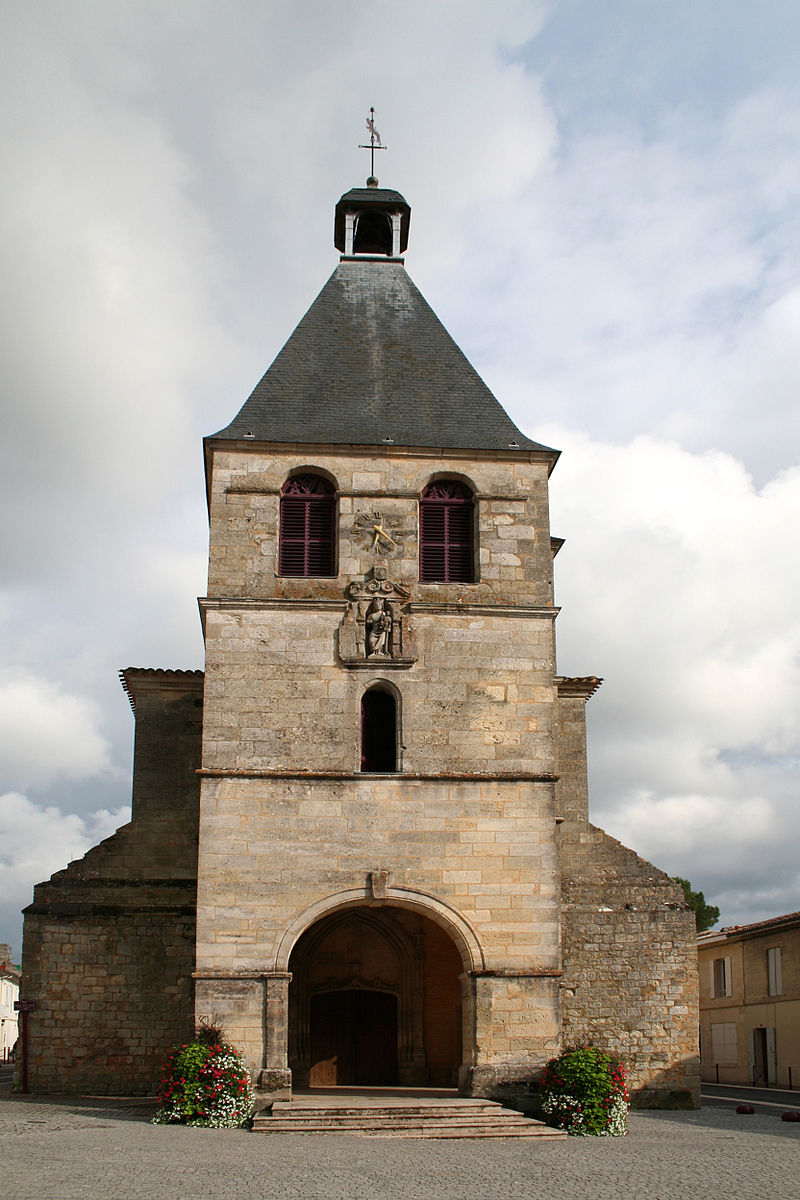
Photo of the Eglise Notre-Dame de Créon by Ophelia2 via Wikimedia Commons

Créon—the Town: Créon is a small town (technically, a commune) located within the Entre-Deux-Mers AOC, just a few miles away from where the Ciron joins the Garonne. The commune is currently home to about 5,000 people as well as several wine producing estates and vineyards, including Château Baudac and Vignobles Quinney. After a few samples of the local white wine, visitors might want to check out the Eglise Notre-Dame de Créon—originally built in the 15th century and an official Monument Historique (national heritage site) of the Republic of France.

References/for more information:

The Bubbly Professor is “Miss Jane” Nickles of Austin, Texas… missjane@prodigy.net

Wine Grape Cheat Sheets: Sauvignon Blanc

Sauvignon Blanc—the Soundbyte: Sauvignon Blanc is one of the world’s major white wine grape varieties, celebrated for its distinctive aromas and bracing acidity.  Its crisp acidic backbone makes it one of the most food-friendly of all table wines.  Sauvignon Blanc is a highly aromatic white wine, and its distinctive aromas can vary greatly depending on terroir and winemaking.  While generally thought of as a single-varietal or blended dry white wine, Sauvignon Blanc is also used to craft luscious dessert wines.

Typical Attributes of a Sauvignon Blanc-Based Wine:

  • Sauvignon Blanc can be made in a variety of styles, based primarily on fermentation techniques and whether or not the wine is blended or oak aged.
  • Botrytis-affected and late harvest Sauvignon Blanc can be used to produce very sweet, complex dessert wines.
  • Lighter style, dry Sauvignon Blancs are generally stainless steel fermented and aged only briefly (if at all) in stainless steel.
    • The typical attributes of this lighter style wine are: light-to-medium bodied, crisp (quite acidic), delicate, steely, precise, and fruity.
  • The richer style, sometimes called Fumé Blanc in the New World, is often oak-fermented, sur lie aged, and sometimes oak barrel aged.
    • The attributes of this richer style include: medium bodied, rich, complex, smoother, and sometimes showing oak-derived complexity.
  • Sauvignon Blanc is often blended with Sémillon in order to add complexity and tone down its usual razor-sharp acidity.  This style was pioneered in the white wines of Bordeaux.

Typical Aromas of a Sauvignon Blanc-Based Wine:

Fruity:  Green Apple, Apricot, Lime, Lemon, Green Plum, Melon, Pear, Grapefruit, Pineapple, Gooseberry, Kiwi, Papaya

Herbal/Vegetative: Cut Green Grass, Green Bell Pepper, Asparagus, Fennel, Herbs, Lemon Grass, Hay, Straw, Wildflowers

Mineral:  Wet Sand, Wet Stone, Riverbank, Ozone, Fresh Rain (Petrichor)

Chemical:  Ammonia, sometimes referred to as “pipi du chat”

Dessert Wine Styles of Sauvignon Blanc can display aromas of honey, dried apricot, peaches, nutmeg and even curry…botrytis-affected wines will have that inimitable “earthy edge”!

Where The Best Sauvignon Blanc is Grown:

  • The Bordeaux Region of France, notably Graves and Entre-deux-Mers
  • The Loire Valley Region of France, notably Pouilly-Fumé and Sancerre
  • California’s Napa and Sonoma Regions
  • New Zealand, notably the Marlborough Region
  • South Africa, particularly Stellenbosch
  • The cooler regions of Chile and Argentina
  • Australia, notably The Adelaide Hills Region

Food Affinities – Base Ingredients:

  • Raw Shellfish
  • Seafood of all kinds
  • Chicken
  • Acidic Sauces
  • Tomatoes
  • Salads, Vinaigrettes
  • Vegetarian Dishes
  • Avocado
  • Asparagus

Food Affinities – Bridge Ingredients/Flavor Bridges:

  • Citrus
  • Fennel, Bell Pepper, Eggplant, Zucchini
  • Herbs, Mushrooms, Garlic
  • Dijon Mustard
  • Capers, Green Olives
  • Prosciutto
  • Feta Cheese, Goat Cheese

Note: When it comes to food pairings, by all means—drink what you like!

The Bubbly Professor is “Miss Jane” Nickles of Austin, Texas…


Five Fast Facts about the Minho River

.

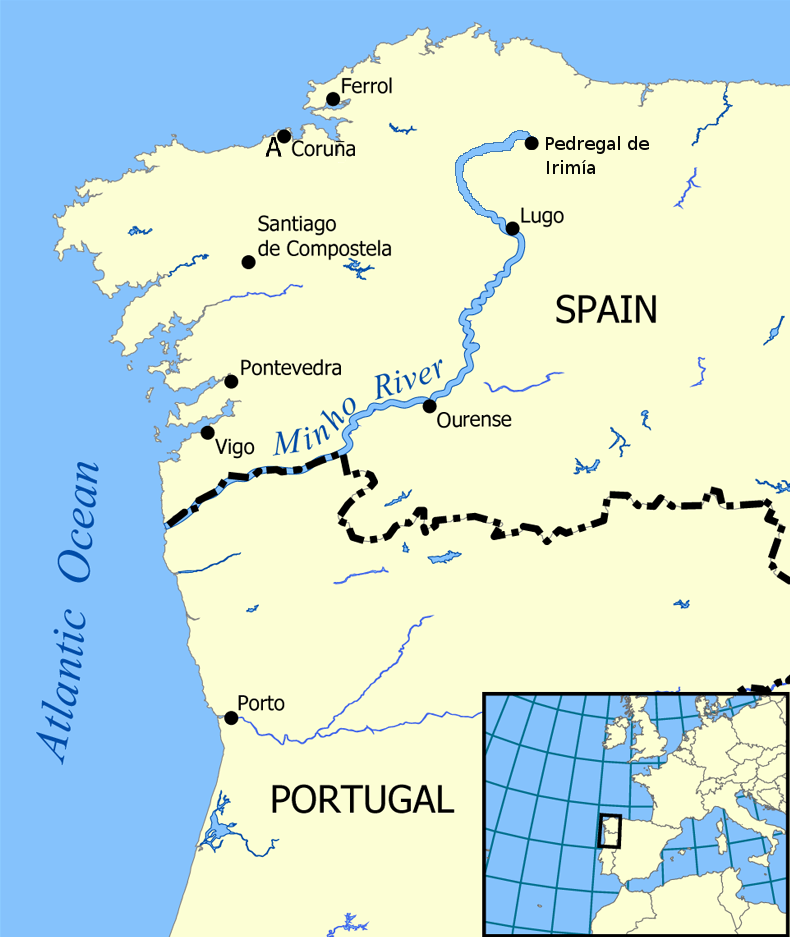
The Minho River (known in Spain as the Miño, but widely recognized by the Portuguese name Minho) flows south/southwest across Galicia before twisting to the west and defining a portion of the border between Spain and Portugal. At 210 miles/340 km long, the Minho is the longest river in Galicia and the fourth longest on the Iberian Peninsula (following the Douro, Ebro, and Tagus).

The river helps to define several of Galicia’s wine regions as well as Portugal’s Vinho Verde DOC and is, therefore, particularly well-known to students of wine. Read on to discover five fast facts about the Minho!

#1: Pedregal de Irimia—a spot located a few miles (kilometers) east of the tiny town of Meira—is considered to the source of the Minho River. The spot—positioned within the Serra do Meira/Cantabrian Mountains—is very close to the area where the northern edge of the Galician Massif meets the eastern edge of the Cantabrian Mountains. Pedregal de Irimia sits at an elevation of about 2,400 feet/732 km above sea level. The ancient walled city of Lugo—often cited as the river’s source—is located about 45 miles/73 kilometers downriver from Pedregal de Irimia.

Map of the Minho River attributed to Norman Einstein via Wikimedia Commons

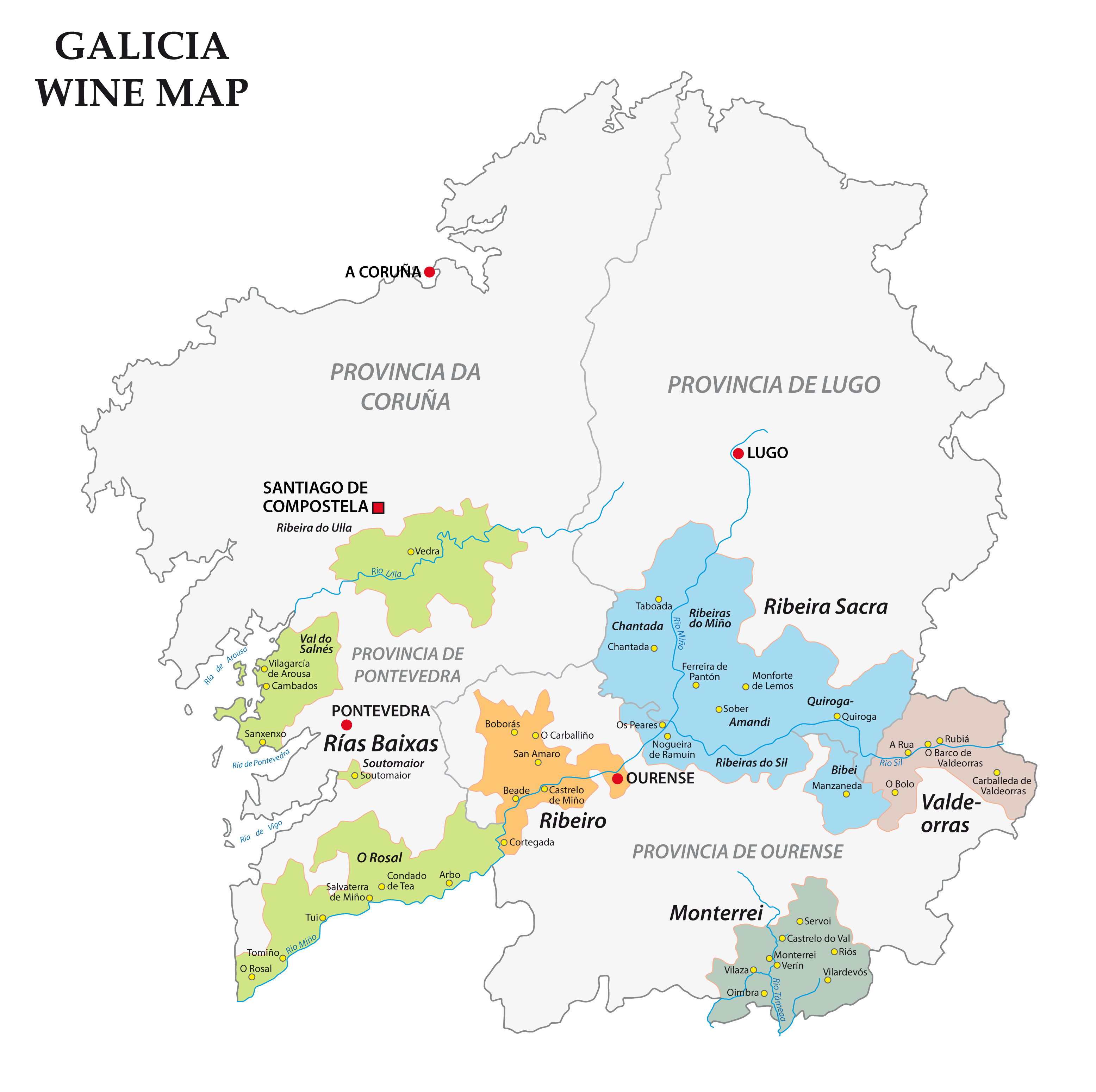
#2: About 17 miles/28 km south of the city of Lugo, the Minho River enters into—and slices through—the Ribeira Sacra DO. Here, the river Sil—once-upon-a-time a rich source of alluvial gold—flows into the Minho. The Sil flows southwest from León (Castilla y León) for about 140 miles/225 km until it joins the Minho in the Galician province of Ourense.

The Ribeira Sacra DO—whose name translates as Sacred Shore, most likely referencing the many churches and monasteries in the region—is known for reds and rosés based on the Mencía grape variety as well as white wines based on Godello. A rather long list of other varieties (including Garnacha Tinta, Albariño, Godello, Treixadura, Loureira, and Torrontés) are also allowed for use in the wines of the Ribeira Sacra DO.

#3: Just a few miles/kilometers after exiting Ribeira Sacra, the Minho flows into the Ribeiro DO. While this DO makes a small amount of Mencía-based red and rosé, white wines are the focus here and make up to 85% of the total production. The leading white grape varieties of the Ribeiro DO—used to create the crisp, fruity, and flavorful wines of the region—include Treixadura, Torrontés, Godello, Loureira, and Albariño.

#4: Passing through the eastern edge of the Ribeiro DO, the Minho River flows past the town of Cortegada and carves out the southern boundary of the Condado de Tea and O Rosal sub-regions of the Rías Baixas DO. These regions—characterized by terraced vineyards overlooking the banks of the river—are deservedly famous for their crisp, dry, fruity-and-floral white wines based on Albariño.

Wine Map of Galicia

#5: On its journey from to the Atlantic Ocean, the Minho River forms part of the border between Spain and Portugal. This part of the river’s journey begins just to the north of the town of Cevide—the northernmost spot in Portugal—and continues westward for about 50 miles/80 km to the sea. Here, the river defines the northern edge of Portugal’s Minho Vino Regional (regional/IGP) wine appellation as well as the Vinho Verde DOC. The Minho/Vinho Verde area is huge, extending as far south as the Douro River and halfway into the interior of the country. This is a lush, fertile area with a good deal of crops, fields, and agriculture of all kinds. Grapevines in the Minho are often trained up high pergolas—or even up and over trees, telephone poles, and fences. This practice makes excellent use of the available land and helps to protect the vines from the possibly harmful effects of the high humidity experienced throughout much of the region.

Vinho Verde is famous all over the world as an inexpensive, easy-drinking, widely accessible wine. While the name translates to green wine, the reference is to the wine’s flavor profile—the wine is meant to be consumed young, white it retains its crisp, fruity, and thirst-quenching style—and not its color (which can actually be red, white, or pink).

The Minho River reaches its final destination—the Atlantic Ocean—between the Spanish town of A Guarda and Portugal’s Caminha. This is the river’s widest point—it measures as much as mile/2 km across and at this stage is considered an estuary, complete with low-tide sand bars visible from either shore.

References/for more information:

The Bubbly Professor is “Miss Jane” Nickles of Austin, Texas… missjane@prodigy.net

(French) Wine from a Tropical Island: La Réunion

.

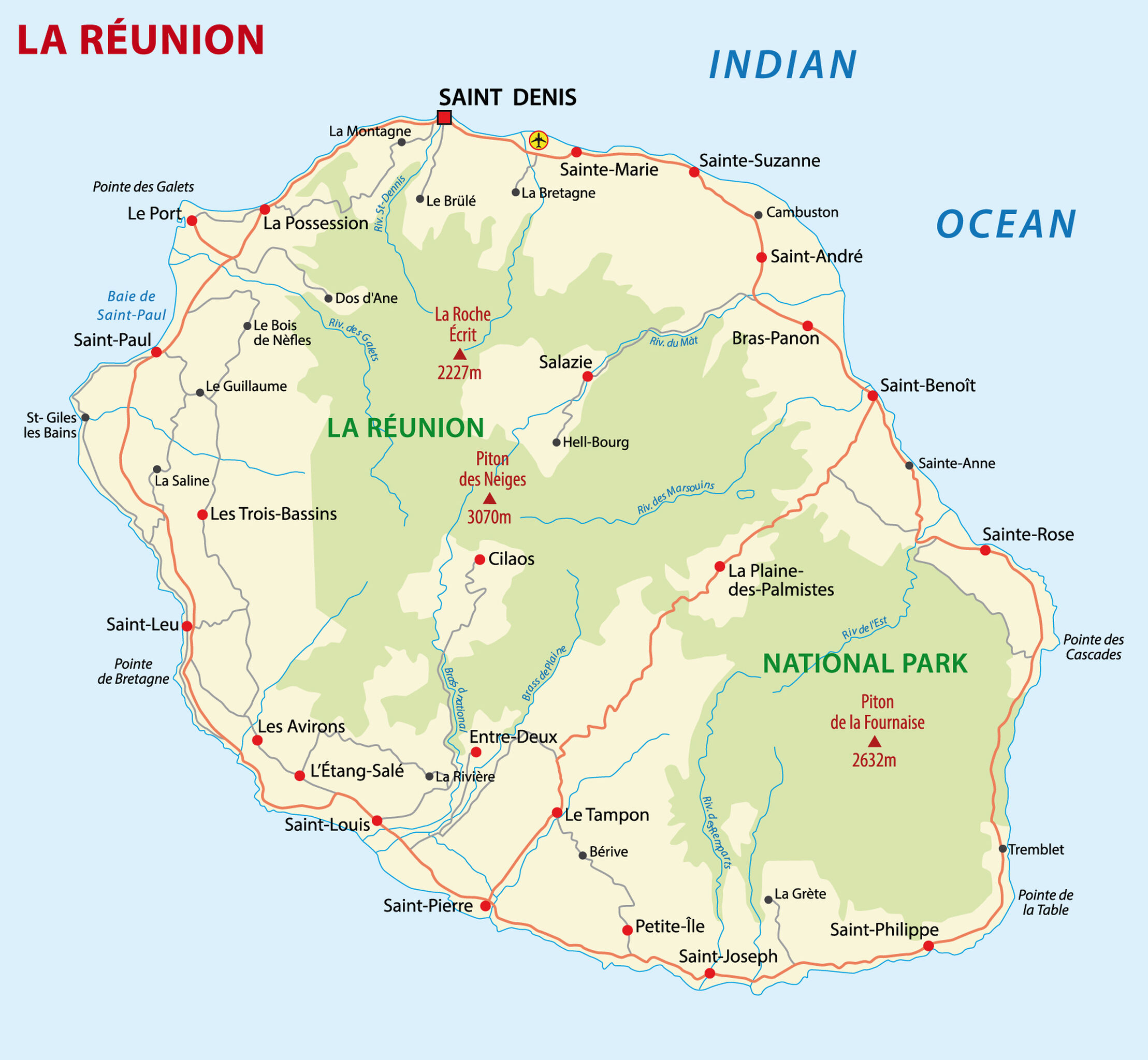
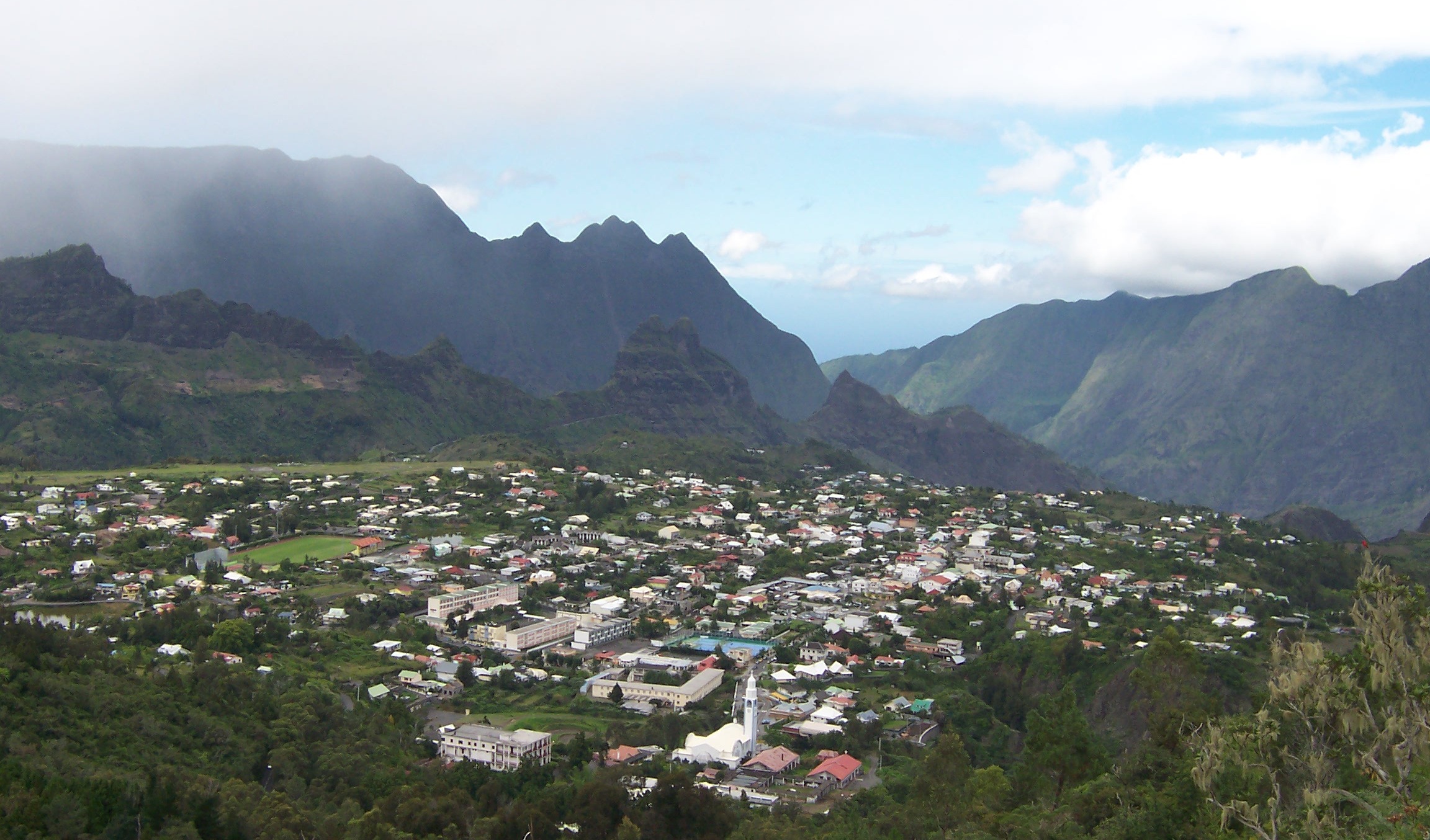
La Réunion (Reunion Island)—one of the five Départements d’Outre-Mer (Overseas Departments) of France—is located about 340 miles/550 km east of Madagascar and surrounded by the Indian Ocean. Considering its tropical-island vibe (as well as its position at 21°S latitude), it is easy to understand the fame of its locally-produced rum—which has been protected as a geographical indication—Rhum de la Réunion IGP—since 1989.

What is a bit more surprising is Vin de Cilaos—an esteemed wine produced from island-grown noble grape varieties such as Chenin Blanc, Pinot Noir, and Malbec.  Cilaos—located somewhat in the center of the island and home to 6,000 people—is one of the larger villages on La Réunion.

Vin de Cilaos can truthfully call itself a mountain wine, a high-elevation wine, and a volcanic wine. The village and its vineyards are situated in a volcanic caldera (crater) known as the Cirque de Cilaos at an elevation of 1,200 meters/3,940 feet above sea level.

Not surprisingly, Vin de Cilaos is—along with the wines from the Tahitian vineyards—one of the only French wines produced in the Southern Hemisphere. Vinifera grapes are believed to have been brought to the island in the year 1655, but most were wiped out by Phylloxera. In 1992, the Chai de Cilaos Cooperative was founded and planted over 6,000 vinifera vines—including Chenin Blanc, Pinot Noir, and Malbec—in the region. The first wine produced by the cooperative (in 1996) was a dry Chenin Blanc. Since then, other wines—including a red blend of Pinot Noir and Malbec—have followed suit. Alas, these wines are made in highly limited quantities, so if you want to try Vin de Cilaos…you’ll need to visit the island (not such a bad idea).

In addition to its fame as (French) wine-producing region, Cirque de Cilaos is a thermal spa retreat area renowned for its lentils, wildflowers, naturally sparkling water, hiking trails, and meticulous white linen embroidery—as carried on by the Maison de la Broderie de Cilaos (Cilaos Embroidery House).

Cirque de Cilaos

Grapes are grown in other parts of La Réunion as well, and a light red wine produced from Isabella grapes (a Vitis labrusca variety) is enjoyed locally. The Isabella grape variety was once-upon-a-time banned from the island, as it was believed that the wine—known as vin qui rend fou (‘wine that sends you mad’) drove people crazy. The ban was lifted in 2004.

Note: Wines from Cilaos were sometimes labeled as “Vin de Pays de Cilaos” up until 2009, when the EU disallowed the use of the title. The wines of Cilaos have never been awarded a French geographical indication, although there are rumors that an application is in process.

The Outer Limits is my series of appreciative posts about small, oddball, obscure, or out-of-the-way wine regions.

References/for more information:

The Bubbly Professor is “Miss Jane” Nickles of Austin, Texas… missjane@prodigy.net

Getting to Know Grolleau

You have  probably already met Grolleau, but you just don’t know it yet.

The Grolleau grape variety—more precisely known as Grolleau Noir, to differentiate it from its siblings/color mutations Grolleau Blanc and Grolleau Gris—is the third most widely planted red grape variety in France’s Loire Valley (after Cabernet Franc and Gamay). It has most likely made its way into your glass via a snappy rosé or creamy sparkling wine (either white or rosé) produced somewhere around Anjou, Saumur, or Touraine.

Grolleau—believed to one of the many descendants of Gouais Blanc—was first recognized as “Grolleau de Cinq-Mars” (in reference to the Central Loire Valley town of Cinq-Mars-le-Pile) in the early 1800s. It is also known to have been cultivated in the Charente Department of Southwest France around this same time, but it is assumed to be native to the Loire. The name may derive from the Old French grolle—meaning black crow—referencing the dark skin of the grapes.

Grolleau is appreciated for its reliable high yield, but this rampant fertility can pose a challenge. If left unchecked, the plant can produce huge crops of uninspiring grapes somewhat lacking in flavor and tannin—despite the lovely dark-skinned appearance of the grapes. Due to this tendency—coupled with the variety’s susceptibility to certain vine diseases—plantings of Grolleau have been declining over the last fifty years. In the 1950s, there were over 28,000 acres/11,000 ha of Grolleau planted in the Loire Valley; as of the last decade, there are just over 5,800 acres/2,350 ha (although the decline seems to have stabilized).

Nevertheless, Grolleau is widely used in the sparkling wines of the Loire Valley and persists as one of the leading grapes of region’s rosé. It is often the majority grape in the much beloved and slightly sweet wines of the Rosé d’Anjou AOC. Alas…this could be because Rosé d’Anjou is one of the few AOC wines of the region—and even the country—that allows for its use.

Grolleau-based wines tend to be high in acid, moderate in alcohol, and may show aromas/flavors of red fruit (strawberry, raspberry, cherry),  watermelon, citrus (lemon, tangerine), rose petals, and (some say) red candy.

Despite its dark reddish-black hue, the grape’s thin skins mean that Grolleau is rarely used to produce red wines. If you find one, it is likely to be labeled under an IGP—such as the Vin de Pays du Val de Loire— or a Vin de France designation. It might also be produced via carbonic maceration. (Fun fact: Grolleau is only allowed to be used in the red wines of ONE single AOC—the Anjou AOC—and even here it is limited to no more than 10% of the total blend.)

In the world of wine, one can always find the exception to the rule—and despite its penchant for bubbles and rosé, there are some serious red wines produced with Grolleau. Domaine Clau de Nel—located in Anjou—cultivates two hectares (about five acres) of 60-to-90-year-old Grolleau vines trained in gnarly, gobelet style and farmed biodynamically (Demeter Certification and all). The grapes are hand harvested, sorted in the field, and fermented with native yeasts. The resulting wine is placed in used French oak barrels and aged for at least 12 months in “ancient troglodyte cellars cut into the limestone hillside on the property.” The wine is then bottled—unfined and unfiltered. Jancis Robinson described this wine as having a “mid garnet color, a certain wildness on the nose” and as “possibly the most serious Grolleau I have ever tasted.”

Loire Valley AOCs that allow for Grolleau include the following:

  • Anjou AOC (allowed in sparkling wines; red wines may include a max. 10% Grolleau)
  • Coteaux du Loir AOC (allowed in rosé only, limited to a max of 30%)
  • Crémant de Loire AOC (no limits, but this is a bubbly-only appellation)
  • Rosé d’Anjou AOC (Grolleau is typically the majority grape, but Cabernet Sauvignon, Cabernet Franc, Malbec, Gamay, and Pineau d’Aunis/Chenin Noir are allowed as well)
  • Touraine AOC (allowed in sparkling wines and rosé only)
  • Saumur AOC (allowed in sparkling wines and rosé only)

References/for more information:

The Bubbly Professor is “Miss Jane” Nickles of Austin, Texas… missjane@prodigy.net

Wine Grape Cheat Sheets: Merlot

Cabernet TopThe Soundbyte:  Thank goodness we are many years past the hysterical-but-unfair, Sideways movie-inspired decade of bashing Merlot. While I still find myself in defense of Merlot on occasion, most of the wine-loving world has come to realize that Merlot has a lot going for it.  Merlot is loved for its supple texture, fruit-forward juiciness, and moderate tannins. It’s a great wine to sip on its own and it pairs easily with food.

Merlot is often thought of as a blending partner for Cabernet Sauvignon—and indeed, these two grapes play well together (in some of world’s greatest red wines). Merlot does just fine on its own, however, and the very qualities that make it a great blending partner can also shing in a single-variety wine.

Typical Attributes of a Merlot-Based Wine:

  • Medium tannin (as compared to many red grapes).  This is due to the large size of the grape berries, which give it a high juice-to-skin ratio
  • Smooth, soft, and supple texture…many winemakers say it’s all about the texture when it comes to Merlot
  • Rich red color…often belying the smooth character of the wine
  • Moderate-to-lively acidity
  • Fruit-forward aromas and flavors, combined with some floral, spicy, or herbal complexity
  • Lighter than Syrah and heavier than Pinot, Merlot ranks just under Cabernet Sauvignon in the rankings-by-heft.
Well, hello my little vixen. You try to look so tough and edgy, yet I know you are velvety smooth...

Well, hello my little vixen. You try to look so tough and edgy, yet I know you are velvety smooth…

Typical Aromas of a Merlot-Based Wine:

  • Fruity:  Grapes—Merlot is one of the few red vinifera wines that (sometimes) tastes like grapes:  look for aromas of Grape Jelly or Grape Jam; Berries (Blackberry, Boysenberry, Strawberry, Raspberry, Cranberry), Plum, Ripe Cherry, Currant, Fig, Prune
  • Floral:  Rose, Violet
  • Oak-Derived: Cedar, Cocoa, Cigar, Tobacco, Vanilla, Smoky
  • Herbal:  Mint, Bay Leaf
  • Spicy:  Cinnamon, Clove, Licorice, Coffee
  • Sometimes: Candied Fruit, Fruitcake, Sandalwood, Truffles, Tobacco

Where The Best Merlot is Grown:

  • The Bordeaux region of France, where it is a large part of the blend of most wines, and the predominant variety in the wines of the Right Bank (as well as those bottled under the generic Bordeaux appellations)
  • The Languedoc, Roussillon, and throughout Southern France
  • Surprise, surprise…Merlot is the most widely planted red grape in all of France (who’s Merlot-bashing now?)
  • California, particularly the North Coast Regions
  • Washington State…where NO ONE has ever dared to bash Merlot
  • Italy, especially Trentino-Alto Adige, Tuscany, Veneto, and Fruili
  • Australia, Chile, and Argentina
I'll have what she's having.

I’ll have what she’s having.

Food Affinities – Base Ingredients:

  • Beef, Veal, Venison, Pork
  • Lamb – Merlot does especially well with Lamb.  Everywhere that Mary went, Merlot was sure to go…
  • Duck, Turkey
  • Cheddar Cheeses
  • Blue Cheeses

Food Affinities – Bridge Ingredients:

  • Mushrooms, Onions, Garlic
  • White Beans – weird but really really true
  • Rosemary, Mint, other fresh and dried herbs
  • Walnuts, Pecans
  • Tomatoes, Sun-dried Tomatoes
  • Eggplant, Fennel, Beets
  • Bacon, Pancetta
  • Dijon Mustard

Note: When it comes to food pairings, by all means—drink what you like!

Are you ready to stop bashing Merlot now?  Don’t make me get out the Petrus!

The Bubbly Professor is “Miss Jane” Nickles of San Marcos, Texas…missjane@prodigy.net