Wine Grape Cheat Sheets: Viognier

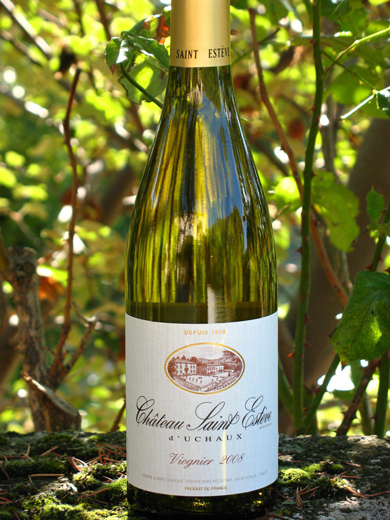
The Soundbyte:  Just a generation ago, Viognier was close to extinction. These days, this richly scented white grape has made a full recovery in terms of fame, popularity, and acreage. Viognier makes unique white wines that will bowl you over with their outrageous floral aromas and peach-pear-apricot fruit flavors. While Viognier will beguile you with its gorgeous scent and yellow-gold hue—make no mistake, this wine can pack a punch in terms of body, flavor, and alcohol. Proceed with caution!

Typical Attributes of a Viognier-Based Wine:

  • Intriguing floral scent combined with apricot, peach, and pear aromas
  • Rich fruit flavors (tree fruit, tropical fruit, ripe citrus) and a creamy mouthfeel
  • Even without oak aging, Viognier can be as full-bodied as an oaky Chardonnay
  • Deep golden color
  • Rich and over-the-top intense in flavor
  • Very often, this tips the scales for high alcohol (in the context of a white wine), although the overall richness of the wine often masks the perception of the heat of the alcohol content
  • Viognier is quite low in acid, but it may contain a bit of a bite of bitterness on the finish
  • The typical low acid often comes across as smooth and velvety on the palate
  • I have had a few late-harvest dessert wines made from Viognier, and they are delicious!

Typical Aromas of a Viognier-Based Wine:

Fruity:  Apricot, Over-ripe Apricot, Mango, Pineapple, Ripe Citrus (Tangerine, Mandarin Orange), Apple, Pear, Peach

Floral:  Honey, Acacia, Orange Blossom, Violet, Honeysuckle, Wildflowers

Spicy:  Anise, Clove, Cinnamon, Nutmeg, Vanilla

Herbal:  Mown Hay, Tobacco, Mint

Butter, Cream
Where the Best Viognier is Grown:

  • The Northern Rhône appellations of Condrieu and Chateau-Grillet produce amazing white wines from 100% Viognier.
  • In the Southern Rhône and throughout the south of France, Viognier may be produced as a single-variety wine or used in an eclectic “white Rhône blend” alongside Marsanne, Roussanne, Piquepoul, and/or Muscat (among others)
  • Also in the Southern Rhône (and elsewhere), Viognier is known to be used in teeny-tiny amounts to add fragrance and a soft side to the red G-S-M or Syrah-based wines of the Rhône.  Even if you wouldn’t know it from looking at the label, a red Southern Rhône blend may contain up to 10% Viognier in the mix.
  • California, particularly the warmer regions such as Lodi and the Sierra Foothills.
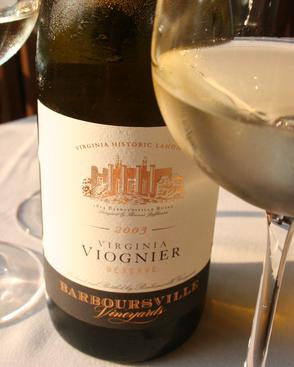
  • The State of Virginia is beginning to make some excellent Viognier, and Texas makes some nice versions as well!
  • Australia makes some excellent versions.
  • Plantings in France’s Languedoc, Roussillon, and Provence regions are expanding.

Food Affinities – Base Ingredients:

  • Pungent Cheeses
  • Crab, Mussels, Shrimp, Salmon, Smoked Salmon
  • Smoked Food, Poultry, Turkey, Pork

Food Affinities – Bridge Ingredients:

  • Curry, Ginger, Clove, Cinnamon
  • Sweet Onions, Garlic, Coconut, Honey
  • Herbs, Corn, Polenta, Walnuts, Hazelnuts
  • Butter, Cream, Fresh Cheeses

Note: When it comes to food pairings, by all means—drink what you like!

Wine Grape Cheat Sheets: Pinot Noir

The Soundbyte:  The Pinot Noir grape has been grown in the Burgundy region of France for centuries, and is used to craft the region’s world-famous red wines.  Pinot Noir is also grown in Champagne, where it makes its way into many “house blend” Champagnes as well as Blanc de Noirs and Rosé Champagne.  Elsewhere in France, Pinot Noir is grown in the Loire Valley—several red wines of the Central Loire, including Sancerre (when its red), are based around Pinot Noir!

Pinot Noir has also found a home in the Willamette Valley Region of Oregon—so much so that the region is often referred to as Burgundy West.  The finicky grape thrives in the cooler growing regions of California, the warmer spots of New Zealand, and the coastal appellations of Australia (think Tasmania, Yarra Valley, and the Mornington Peninsula).

Despite its fame and fortune, Pinot Noir is known for being incredibly finicky in the vineyard. It is often called the heartbreak grape, and can be just as difficult in the winery as it is in the vineyard. Pinot Noir can indeed be the best of wines…or the worst of wines. Let’s talk about the best!

Typical Attributes of a Pinot Noir-based Wine:

  • Light garnet to dark ruby in color…sometimes the lightness of the color belies the flavor intensity of the wine!
  • Medium body, medium in tannin
  • The finest Pinot Noir wines combine juicy fruit flavors with earthy complexity and zingy, balanced acidity.
  • Pinot Noir is potentially one of the most delicate, complex, and food-friendly red wines.
  • Pinot Noir has a signature aromatic profile (imho) of floral notes at the top of the glass and cherry-berry scents at the bottom, both circling a core of “earthy-floral-garden dirt” aromas.
  • Save Pinot Noir for an occasion when you have at least 25 dollars to spend…bad Pinot Noir can be disappointing indeed. (The “New World Hope” exception to this rule just might be Pinot Noir from Tasmania…time will tell.)
  • Pinot Noir makes fantastic sparkling wines and is the most widely planted grape in Champagne.  If you are drinking a Blanc de Noir, chances are, you are drinking Pinot.
  • Rosé of Pinot Noir is a beautiful thing.

Typical Aromas of a Pinot Noir-Based Wine:

Fruity:  Black cherry, dried cherry, raspberry, strawberry, cranberry, blueberry, plum, dried plum, pomegranate

Earthy:  Mushroom, wet dirt, wet leaves, dry leaves, barnyard, dried herbs

Floral:  Rose, violet, dried flowers

Wood-Derived:  Vanilla, smoke, oak, cinnamon, nutmeg, clove (hints of spice from barrel aging)

Crazy but true: Cola, Dr. Pepper, prune, cocoa, Earl Grey Tea

Where The Best Pinot Noir is Grown:

  • The Burgundy Region of France
  • Champagne
  • France’s Loire Valley…Sancerre Rouge is actually Pinot Noir
  • Oregon…sometimes called “Burgundy West”!
  • California, particularly in and around the Central Coast, Sonoma, and the cooler portions of Napa
  • New Zealand
  • Australia grows Pinot Noir in its cooler regions such as Tasmania, Yarra Valley, and the Mornington Peninsula.

Food Affinities – Base Ingredients:

  • Beef, Lamb, Veal, Poultry, Pork
  • Heavier seafood such as Salmon and Tuna…this is truly a wine that can pair with both red and white meat (depending on the preparation, of course)
  • This is an ideal wine for the typical American Thanksgiving menu, as well as most other “everybody brings a dish” type of holiday meals.  

Food Affinities – Bridge Ingredients:

  • Mushrooms, Truffles, Black Olives
  • Earthy Flavored Cheeses, Blue Cheese, Soft Cheeses
  • Tomatoes, Garlic, Shallots, Onions
  • Basil Pesto, Fresh Herbs
  • Eggplant, Beets, Roasted Red Bell Peppers
  • Cherries, Cranberry, Plum – as with most dry wines, careful with the sweetness level.

Note: When it comes to food pairings, by all means—drink what you like!

The Bubbly Professor is “Miss Jane” Nickles of Austin, Texas


Wine Grape Cheat Sheets: Riesling

The Soundbyte: Often misunderstood due to those overly sweet, bright blue-and-pink bottles resting on the bottom shelf at the supermarket, Riesling is one of the leading white wine grapes in the world.  Riesling produces some of the finest, most complex, and longest-lasting white wines in the world.  It is considered to be native to Germany, where its cultivation can be traced back thousands of years.

The Riesling grape is renowned for its ability to walk a tight rope balancing act in its combination of sugar and acid, resulting in wines that somehow manage to be both delicate and complex.  As for the pronunciation of the name, in order to say it correctly—REE-sling—you have to smile!

Typical Attributes of a Riesling Based Wine:

  • Riesling has the amazing ability to be both very fruity and very acidic at the same time.
  • Riesling’s acidic backbone and complex, balanced flavors give it the ability to age (when produced in an age-worthy style).
  • The greatest Riesling vines in the world are grown in cool growing regions and often made into dry white wines renowned for their bracing acidity. Terms like steely, nervy, racy, tongue-curling, zingy, and precise come to mind as good ways to describe the potential acidity of a Riesling in all its glory.
  • Despite my devotion to the dry Rieslings of the world, it is true that much of the Riesling you may find on the shelf does indeed have a degree of residual sugar. This sweetness may or may not be detectable due to the balancing acidity in the wine.

In a German or Austrian wine, the term Kabinett on the label indicates a low level of ripeness at harvest. The terms Auslese and Spätlese refer to grapes with a higher level of sugar at harvest—these wines may be dry, or they may contain a small degree of residual sugar (this depends on the winemaking process).

Dessert wines made from Riesling have their place among the best dessert wines in the world.  Such wines may be labeled as Late Harvest Riesling, Botrytis-affected Riesling, and Riesling Ice Wine.  German-speaking regions may refer to these wines using terms such as Beerenauslese,  Trockenbeerenauslese, or Eiswein.

Typical Aromas of a Riesling Based Wine:

Fruity:  Peach, Dried Peaches, Apricot, Apple, Green Apple, Baked Apple, Pear, Orange, Orange Peel, Lime

Floral:  Jasmine, Rose, Orchid, Juniper, Honey, Perfume, Wildflowers, Orange Blossom, Lime Blossom

Mineral:  Flinty, Steely, Wet Stones, Chalk, Ozone (the scent of the air after a rainstorm)

Chemical:  Petrol, Gasoline, Rubber Bands, Varnish, Wet Paint, Paint Remover

Late Harvest Riesling and Riesling Ice Wine (Eiswein) can take these aromas to the extreme…I’ve found that the lime aromas transform into a quick scent of pickle juice or green olives (sounds weird, I know, but give it a try). Sweet Riesling may evoke the aromas of dried peaches rubbed on a wet stone.  Just try it for yourself!

Where the Best Riesling is Grown:

  • Riesling is native to Germany and grown throughout Germany’s wine regions.
  • Austria
  • The Alsace Region of France.
  • California, Oregon, Washington State (Bubbly Prof really likes the Washington State Rieslings)
  • New York State’s Finger Lake Region
  • Canada, especially the Niagara Peninsula
  • The cooler regions of Australia such as the Eden Valley and the Clare Valley

Food Affinities – Base Ingredients:

  • Sushi…it’s the best match in town so I had to list it first.  It’s crave-worthy.
  • Seafood of all kinds
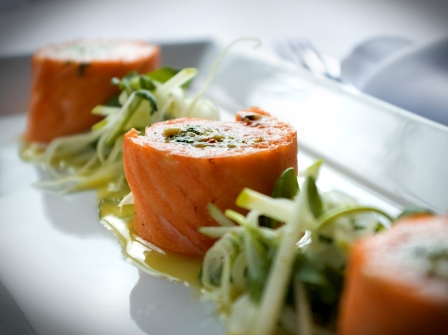
  • Smoked Seafood – Smoked Salmon and Riesling would be my “last meal” request.
  • Chicken (and poultry of any kind)
  • Ham, Pork, Prosciutto, Sausages
  • Asian Flavors, Indian Flavors—Riesling loves the salt, the spice, and even the heat.

 Bridge Ingredients:

  • Jalapeno Peppers, Wasabi – Bubbly Prof says any type of “green heat” is fabulous with Riesling.
  • Cilantro, Lemon Grass, Fresh herbs of any kind
  • Orange, Orange Zest, Lemon, Lime
  • Avocado, Corn, Leeks, Sweet Onions, Tomatoes, Sun-dried Tomatoes
  • Bacon, Pancetta, Green Olives, Capers
  • Ginger, Curry, Cinnamon, Nutmeg, Allspice, Soy Sauce, Salty condiments

Note: When it comes to food pairings, by all means—drink what you like!
The Bubbly Professor is “Miss Jane” Nickles of Austin, Texas


Wine Grape Cheat Sheets: Syrah

Syrah—The Soundbyte: The Syrah grape, also known as Shiraz, is believed to be native to the Auvergne-Rhône-Alpes region of southeastern France. It is the leading red grape variety of the Northern Rhône Valley, and a major player in the (mainly) blended red wines of the Southern Rhône.

There’s a lovely legend that tells of the grape as a native to the city of Shiraz in Iran, transported from its Middle Eastern home to the south of France by a knight returning from the crusades—but, alas, it has been proven untrue and will remain with us as just another good story.

Today, Syrah thrives in many areas across the winemaking world and is the superstar grape of Australia. It is most often made into dry reds of both the single-variety and blended-variety styles.  While it is sometimes used to produce bubbly wines, rosé, and dessert wines; Syrah is mainly known (and widely appreciated) as a powerhouse red.

 Typical Attributes of a Syrah-based Wine:

  • European-style Syrah-based wines tend to be medium-dark in color and concentrated in flavor. European Syrah is often blended with softer grapes to minimize or balance tannin and alcohol levels. These wines are often described as earthy, dense, smoky, and herbal. 
  • Outside of Europe, Syrah/Shiraz-based wines tend to be dark purple, opaque, and inky in appearance.  Other attributes of this style of Syrah include high alcohol, fruit-forwardness, and intense tannins. These tannins are sometimes considered “soft” or “velvety” because they are drinkable when the wines are still young (often a result of winemaking techniques).
  • Australian Shiraz is sometimes described as plush ripey. Who can resist that?
  • The Australians produce sparkling Shiraz.
  • Syrah also makes a lovely, dry rosé.

Typical Aromas of a Syrah-based Wine:

Fruity:  Blackberry, Plum, Ripe Cherry, Currant, Prune, Blueberry, (Dried) Orange Peel

Spicy:  Black Pepper, Cinnamon, Clove, Vanilla, Chocolate, Coffee, Espresso, “Burnt Coffee”

Chemical:  Leather, Burnt, Tar, Smoke, Burnt Rubber, Asphalt, Graphite

Earthy:  Gamey, Smoky, Minty, Barnyard, Garrigue

Floral:  Lavender, Wildflowers, Dried Flowers, Violets

Where The Best Syrah is Grown:

  • Australia.
  • The Rhône:  Syrah stars in the wines of the Rhône, as the dominant variety in the North (in famous wines such as  Cornas, Hermitage, and Côte Rôtie) and as part of the typical Rhône blend in the South (as in Châteauneuf-du-Pape and Côtes du Rhône). The red Rhône Blend is often referred to as GSM (Grenache-Syrah-Mourvèdre); these grapes typically make up the backbone of Rhône blends, but such wines may contain other grapes as well.
  • Syrah also does well in the south/southeast of France (Provence, Languedoc, Roussillon).
  • South Africa, especially the warmer regions such as Paarl and Franschhoek.  For a real treat, try a bottle of “The Chocolate Block” from Boekenhoutskloof Winery (extra credit if you can pronounce it).
  • California, especially Sonoma, Mendocino, Napa, and Santa Barbara.
  • Washington State—a trendy growing region for Syrah—is well-represented; particularly the Walla Walla Valley AVA (which actually extends south into Oregon). The Rocks District of Milton-Freewater AVA (located in the Walla Walla Valley but within the state of Oregon) is also a fantastic (albeit small) region for Syrah.

 Food Affinities – Base Ingredients:

  • Beef, Lamb, Veal, Venison, Pork, Hard Cheeses

Food Affinities – Bridge Ingredients:

  • Garlic, Onions, Mushrooms
  • Walnuts, Pecans
  • Rosemary, Thyme, Bay Leaf, Sage
  • Tomatoes, Eggplant, Fennel
  • Currants, Raisins, Prunes (but go easy on the sweetness)
  • Green Peppercorns, Black Pepper, Coarse Grained Mustard, Chili Spices, Barbeque Flavors

Note: When it comes to food pairings, by all means—drink what you like!

The Bubbly Professor is “Miss Jane” Nickles of Austin, Texas – missjane@prodigy.net .

Wine Grape Cheat Sheets: Sauvignon Blanc

Sauvignon Blanc—the Soundbyte: Sauvignon Blanc is one of the world’s major white wine grape varieties, celebrated for its distinctive aromas and bracing acidity.  Its crisp acidic backbone makes it one of the most food-friendly of all table wines.  Sauvignon Blanc is a highly aromatic white wine, and its distinctive aromas can vary greatly depending on terroir and winemaking.  While generally thought of as a single-varietal or blended dry white wine, Sauvignon Blanc is also used to craft luscious dessert wines.

Typical Attributes of a Sauvignon Blanc-Based Wine:

  • Sauvignon Blanc can be made in a variety of styles, based primarily on fermentation techniques and whether or not the wine is blended or oak aged.
  • Botrytis-affected and late harvest Sauvignon Blanc can be used to produce very sweet, complex dessert wines.
  • Lighter style, dry Sauvignon Blancs are generally stainless steel fermented and aged only briefly (if at all) in stainless steel.
    • The typical attributes of this lighter style wine are: light-to-medium bodied, crisp (quite acidic), delicate, steely, precise, and fruity.
  • The richer style, sometimes called Fumé Blanc in the New World, is often oak-fermented, sur lie aged, and sometimes oak barrel aged.
    • The attributes of this richer style include: medium bodied, rich, complex, smoother, and sometimes showing oak-derived complexity.
  • Sauvignon Blanc is often blended with Sémillon in order to add complexity and tone down its usual razor-sharp acidity.  This style was pioneered in the white wines of Bordeaux.

Typical Aromas of a Sauvignon Blanc-Based Wine:

Fruity:  Green Apple, Apricot, Lime, Lemon, Green Plum, Melon, Pear, Grapefruit, Pineapple, Gooseberry, Kiwi, Papaya

Herbal/Vegetative: Cut Green Grass, Green Bell Pepper, Asparagus, Fennel, Herbs, Lemon Grass, Hay, Straw, Wildflowers

Mineral:  Wet Sand, Wet Stone, Riverbank, Ozone, Fresh Rain (Petrichor)

Chemical:  Ammonia, sometimes referred to as “pipi du chat”

Dessert Wine Styles of Sauvignon Blanc can display aromas of honey, dried apricot, peaches, nutmeg and even curry…botrytis-affected wines will have that inimitable “earthy edge”!

Where The Best Sauvignon Blanc is Grown:

  • The Bordeaux Region of France, notably Graves and Entre-deux-Mers
  • The Loire Valley Region of France, notably Pouilly-Fumé and Sancerre
  • California’s Napa and Sonoma Regions
  • New Zealand, notably the Marlborough Region
  • South Africa, particularly Stellenbosch
  • The cooler regions of Chile and Argentina
  • Australia, notably The Adelaide Hills Region

Food Affinities – Base Ingredients:

  • Raw Shellfish
  • Seafood of all kinds
  • Chicken
  • Acidic Sauces
  • Tomatoes
  • Salads, Vinaigrettes
  • Vegetarian Dishes
  • Avocado
  • Asparagus

Food Affinities – Bridge Ingredients/Flavor Bridges:

  • Citrus
  • Fennel, Bell Pepper, Eggplant, Zucchini
  • Herbs, Mushrooms, Garlic
  • Dijon Mustard
  • Capers, Green Olives
  • Prosciutto
  • Feta Cheese, Goat Cheese

Note: When it comes to food pairings, by all means—drink what you like!

The Bubbly Professor is “Miss Jane” Nickles of Austin, Texas…


Wine Grape Cheat Sheets – Pinot Gris

Pinot Gris—the Soundbyte: Pinot Gris, known to most of the world as the delightful Italian Wine called Pinot Grigio, is renowned for its crisp, fruity, and vaguely floral wines from Northern Italy.  The variety known as Pinot Grigio is the “same grape-different name” as the grape variety Pinot Gris and goes by many other aliases as well.  Pinot Gris (aka Grigio) is successfully grown in France, Germany, Austria, Switzerland, Hungary, Oregon, and California. Its popularity is every-expanding and new plantings seem to know no bounds. The grape acquired the name Pinot Gris (Grey Pinot) in France due to its grayish-white fruit. It is believed to be a natural mutation of Pinot Noir.

Typical Attributes of a Pinot Gris/Pinot Grigio-Based Wine:

  • Light to medium bodied
  • Almost always fruity—lemon-lime-citrus aromas are common in those from Italy, while Alsace, California, Oregon (and several other spots) tend to produce wines with slightly richer, tropical fruit-tree fruit aromas (such as apricot and pear).
  • Very often stainless steel cold fermented.
  • Generally crisp, acidic, and refreshing.
  • Italian Pinot Grigio is often described as Sauvignon Blanc without the grassy overtones.
  • Pinot Gris from Alsace and Oregon tends to have a bit more body and be a tad smoother than those produced in the Italian style. Such wines are often compared to unoaked Chardonnay. (The Bubbly Professor agrees with this comparison, but thinks that Pinot Gris has a “waxier, creamier and smoother” style than some Chardonnay.)
  • A late harvest (potentially sweet) wine called “Vendage Tardive” is made from Pinot Gris in the French Region of Alsace. Sweet Pinot Gris-based wines are also produced in Oregon and California; these might be labeled as late harvest and or vin de glacerie.

Typical Aromas of a Pinot Gris/Pinot Grigio-Based Wine:

  • Fruity: Citrus (Lemon, Lime, Tangerine), Peach, Dried Peach, Apricot, Fresh-cut Pears, Green Apple, Melon, Tropical Fruit, Kiwi, Mango
  • Floral: Wildflowers, Blossoms, Honey
  • Herbal: Thyme, Oregano, Lemongrass
  • Mineral: Wet Stones, Wet Sand
  • Nutty

Where The Best Pinot Gris/Pinot Grigio is Grown:

  • Italy, especially in the Northern Regions of Veneto, Friuli-Venezia Giulia, and Trentino-Alto Adige
  • Alsace
  • The cooler wine growing regions of Europe such as Germany, Austria, and Switzerland.
  • California, especially Napa and Santa Barbara
  • Oregon, where it shines!

Food Affinities – Base Ingredients:

  • Seafood, Smoked Seafood, Seafood Salads
  • Poultry
  • Veal
  • Vegetarian Dishes
  • Fried Foods such as fried calamari, fried clams, and fried zucchini

Food Affinities – Bridge Ingredients:

  • Tomatoes, Mushrooms, Zucchini, Hors d’oeurves
  • Cream Sauces, Sour Cream
  • Citrus, Subtle Vinaigrettes, Capers, Green Olives
  • Basil, Tarragon, and just about all Herbs
  • Bell Peppers, Roasted Fennel, Garlic, Onions, Shallots
  • Toasted Pine Nuts
  • Ricotta Cheese, Mozzarella Cheese

Note: when it comes to food pairings, by all means, drink what you like!

The Bubbly Professor is “Miss Jane” Nickles of Austin, Texas

Tales of the Vine: The Hungry Black Rooster

The wine region we know as Chianti—stretching across Tuscany from Florence in the north to the medieval town of Siena in the south—is one of the oldest geographically defined wine regions on earth.  Winemaking in this region can be documented as far back as the 13th Century, and the first defined boundaries of the Chianti Wine Region were set in place in 1716 by The Grand Duke Cosimo III de Medici.

Within the Chianti district, a smaller area known as the Chianti Classico DOCG represents the original, historic center of the region.  The wines of Chianti Classico are considered to be the traditional wines of Chianti and (most would agree), the best.  Winemakers in Chianti Classico guard the vineyards, the wine, and their region’s reputation fiercely.

In 1924, a group of grape growers and winemakers formed a group to promote and protect the image of the wines of Chianti Classico and took as their symbol the Gallo Nero, or Black Rooster.  In 2003 the Italian government gave the group—now known as the Consortium (Consorzio) of Chianti Classico—regulatory control of the entire production of Chianti Classico, and all the wines of the region now bear the symbol of the Black Rooster.

The story of how this famous wine region became to be represented by a black rooster is one of the best legends of the wine world, and goes like this:

The legend of the Black Rooster dates back to a 14th century boundary dispute between Florence and Siena.   After a long and drawn-out battle, the two Republics decided to settle the issue with a race between two knights on horseback.  According to the rules of the match, each knight would set off from their respective hometowns upon the crow of the rooster. In other words, the race was to commence—you would think—at dawn.  The knights would travel along the road between the two Republics, and the point where they met in the middle would be the official boundary line between Florence and Siena.

The townspeople of Siena chose as their representative a white rooster.  In order to make him a happy, strong singer, they fed him well and pampered their rooster until the appointed day.

The people of Florence chose a black rooster to represent them, but they fed him sparingly. Some say they flat-out neglected him—so much that in fact, on the morning of the contest he was so hungry that he woke up several hours before dawn, and crowed and crowed and crowed until he was fed.  Thus, the knight from Florence began his part of the race in what was basically the middle of the night. Not surprisingly, he covered most of the road between the two Republics before he met up with the Knight from Siena.

As a result, almost the whole of the land of Chianti was annexed to the Republic of Florence and the Black Rooster, or Gallo Nero became the symbol of the newly-expanded area.  Later, the Gallo Nero became the symbol of the original Lega di Chianti in the 16th century. When the Consorzio of Chianti Classico was created in 1924, they chose the black rooster as their symbol as well.

Look closely at any bottle of Chianti Classico….you’ll find the black rooster on the label, proudly representing centuries of tradition.

The Bubbly Professor is “Miss Jane” Nickles of Austin, Texas… missjane@prodigy.net

References/for more information:

Mad Libs for Wine!

It never fails…the first time I stand in front of a new wine class and describe a white wine as having aromas of “lemon, lime, green apple, and apricot” I get either a sea of blank stares or an uncomfortable laugh track.  A few weeks into the class, however, my students are begging me to teach them how to “impress their friends and annoy their enemies” by crafting an impressive sounding wine description.

My response:  “You mean one like this?”

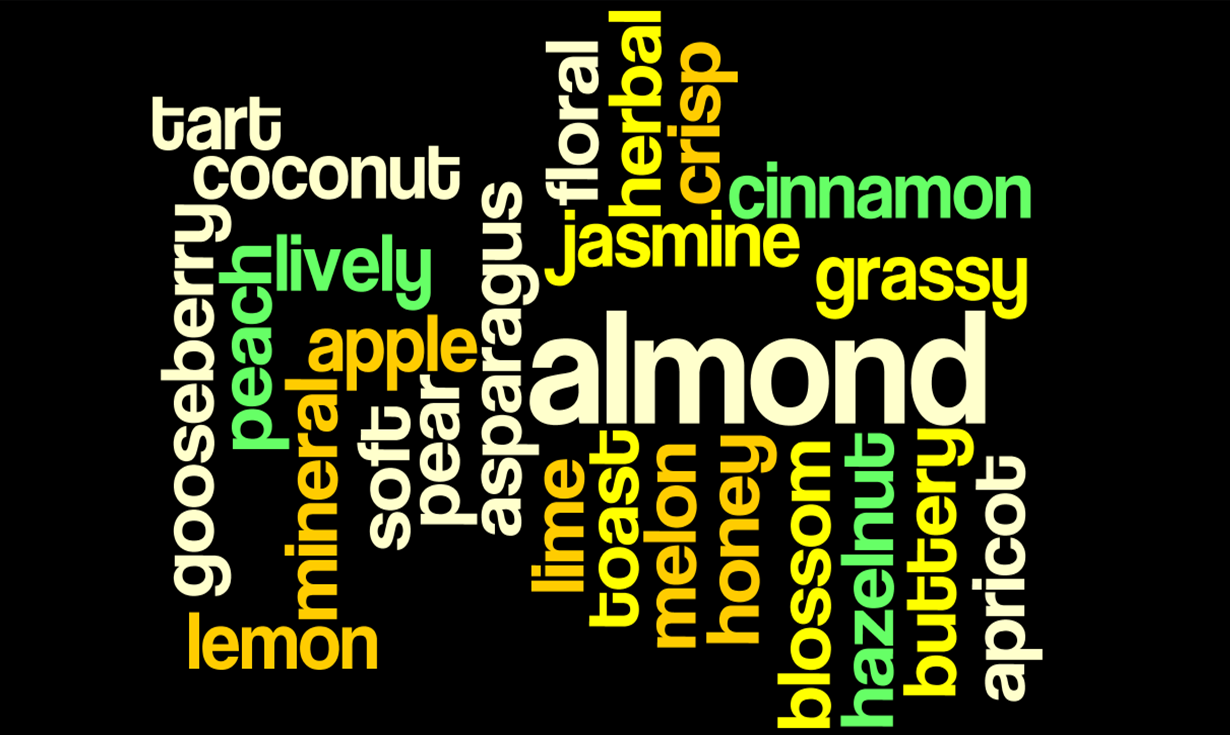
“Craggy Range Sauvignon Blanc 2010 is a dry, medium-bodied white wine.  The nose reveals the fruity, floral, and  mineral aromas of lemon, lime, green apple, gooseberry, orange blossom and wet stones.  This wine is herbal and fruity on the palate, with lively acidity; followed by a refreshing, slightly bitter lemon-peel finish.”

And then, in the course of an hour, I teach them to use “Mad Libs for Wine” – in other words, a fill-in-the blank template (based on my book “WineSpeak 101”) that allows even beginners to create an accurate (and yes, impressive sounding, if you’re into that) description of any wine.  We just take ten simple facts about the wine and string them together into a few sentences.

Try it for yourself!

The WineSpeak 101 Description Template:

To write your own wine description, use the WineSpeak 101 descriptor crib to fill in the blanks on this template.  Your completed description will characterize the wine using the following basic facts:

  • Name of the Wine 
  • Level of Sweetness
  • Mouthfeel – aka “Body”
  • Type of wine (the easiest, but your customer needs to know!)
  • Aroma   Categories
  • Specific  Aromas
  • Flavor  
  • Acidity for white wines, tannin level for reds 
  • Finish  – length 
  • Finish  – description 

 ___________________________________ (Name of the wine) is a _______________ (Sweetness),

 __________________________________ (Mouthfeel) ,   _______________________ (Type of) wine. 

 The Nose reveals the ____________________________________________ (Aroma Categories) aromas 

 of ____________________________________________________________ (Specific Aromas) .

This wine is ___________________________________________________________ (Flavors) and 

____________________________________________ (Acidity or Tannin, or both) on the palate, followed by a  

_____________________ (Finish – Length) , __________________________ (Finish – Description)  finish.

As you can see, it’s not exactly a party trick, but if you know your way around the typical wine vocabulary, it’s easy to put together a meaningful wine description.  My students are amazed at how well they can discuss their impressions of a wine after just a few practice sessions.  This technique works so well that I wrote an entire textbook on “WineSpeak 101” a few years ago, and still use it today in my teaching.

Please…try it for yourself and enjoy your studies!

The Bubbly Professor is “Miss Jane” Nickles of Austin, Texas…missjane@prodigy.net

Tales of the Vine: Bull’s Blood

In the Northern Massif region of Hungary, the famous Egri Bikavér, or “Bull’s Blood Wine” is made in the area around Eger, a beautiful town about halfway between Budapest and Tokaj.

The name of the wine dates back to a Turkish invasion led by Suleiman the Magnificent around 1552.  During the invasion, Suleiman the Magnificent and his army of Turks attempted to siege of the Castle of Eger.  The defending Hungarians, led by Captain Istvan Dobo, were largely outnumbered by the invading army and the situation appeared dim. However, the Hungarian forces, fortified by days and nights of delicious food and large amounts of the local red wine, managed to successfully defend Eger. In doing so, the Turkish army was forced to withdraw, and Turkish westward expansion was delayed for forty years after this battle.

According to one legend, the enemy soldiers were frightened by the fierce fighting and red wine-stained beards of the soldiers.  Among the Turkish soldiers it was rumored that bull’s blood had been mixed into the wine, as otherwise the strength and firm resistance of the town and castle could not be explained.  Another legend states that the swords of the enemy could not cut through the Hungarian blood thickened by the wine.

The wine named for the legendary “bull’s blood” of the siege, Egri Bikavér, is still produced to this day, and is very popular on both the domestic and international markets.  Egri Bikavér is made up of a blend that has varied over the years, although the blend is anchored by the ancient Kardarka grape. Kadarka is a difficult grape to vinify, and has increasingly been replaced by Blaufränkisch, known locally as Kékfrankos.

In modern times, Egri Bikavér must contain at least three of the following 13 grapes: Kardarka, Kékfrankos (known as Blaufränkisch in German), Blauer Portugieser, Cabernet Sauvignon, Cabernet Franc, Merlot, Menoire, Pinot Noir, Syrah, Turán, Bíborkadarka, and the modern Austrian hybrids Blauberger and Zweigelt.

Tales of the Vine: The Evil and Disloyal Plant Gamay

...

The Story of Beaujolais…

Philip the Bold, Duke of Burgundy, was one of the most powerful men in France from 1388 until his death in 1404. Philip managed to keep Burgundy independent from France and doubled the size of his dukedom by marrying the Margaret III, Countess of Flanders. Philip was an excellent capitalist and under his rule the wines of Burgundy became quite fashionable and expensive. Philip the Bold is said to have selected the clone of Pinot Noir that became the mainstay of Burgundy’s red wines and is credited with having chosen the name “pineau noir”, meaning “black pine cone”, due to the shape and size of the grape clusters.

Enamored as he was with the red wines of Burgundy, Philip was infuriated when the wine growers of his region started to plant Gamay grapes in the vineyards of Burgundy. The Gamay vines were vigorous, easy to grow and high-yielding, and their rich, fruity wines were at their best while young, making Gamay a cash-flow wine the growers loved.
 
Philip the Not-so-Bold (anonymous 16th century painter) Currently displayed at Versailles

Philip the Not-so-Bold (anonymous 16th century painter)
Currently displayed at Versailles

Philip felt the presence of Gamay in the vineyards of Burgundy would harm the reputation of the fine wines he had worked so hard to promote, so he banished the grape from his kingdom. He declared Gamay “foul” and “harmful”, and in a royal decree denounced the “tres mauvais et tres desloyaus plant nomme gamay”, translated as, “the very evil and very disloyal plant called gamay”. Philip thus forbade the cultivation of Gamay in Burgundy and banished it from the Kingdom.

 
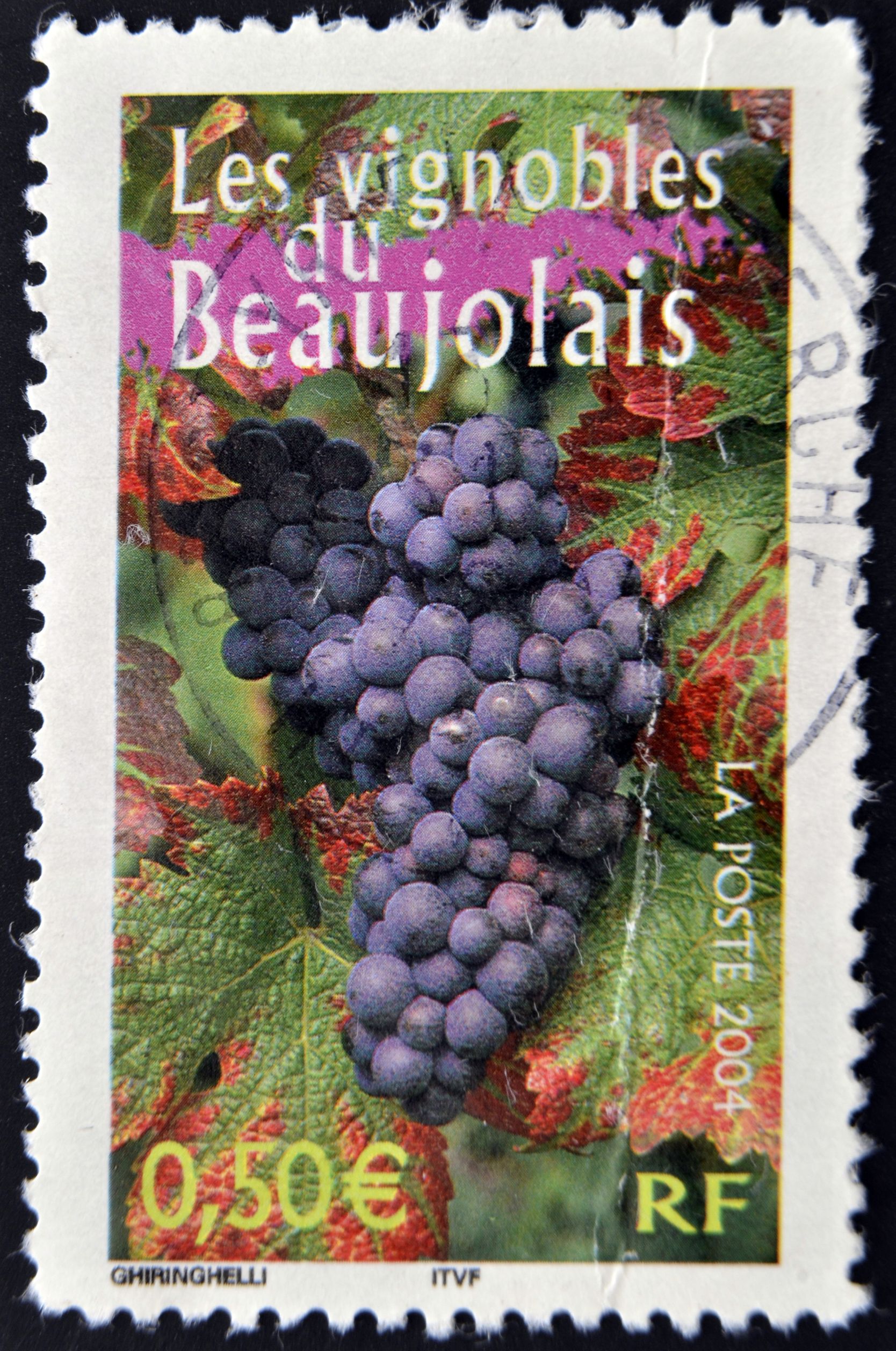
The despised Gamay was down but not out, for it soon began to thrive just beyond the Southern border of Burgundy in the region known as Beaujolais. Beaujolais, with its cold winters, hot summers, and decomposed granite soil is now known to be the one perfect spot on the face of the earth to grow Gamay. One of the wines of Beaujolais, Beaujolais Nouveau, is among the first French wines to be released with every year’s new vintage, and is one of the most popular of all French wines.
The Bubbly Professor is “Miss Jane” Nickles of Austin, Texas… missjane@prodigy.net