Wine Grape Cheat Sheets: Sangiovese

Sangiovese ChiantiThe Soundbyte:  It is widely accepted that Sangiovese was well-known to the winemakers of Ancient Rome, and it is suspected that the grape was known in Tuscany as far back as the time of the Etruscans. These days, Sangiovese is widely grown throughout Central Italy—from Romagna to Lazio—and throughout Italy down to Campania and Sicily.

Outside of Italy, Sangiovese is mainly known as the lead grape of Chianti (in all its variations), but lovers of Italian wine know that it also stars in the majority of the Tuscany’s other red wines—to include Carmignano, Vino Nobile di Montepulciano, Morellino di Scansano, Brunello di Montalcino, Rosso di Montalcino, and Sangiovese di Romagna, among others. In a country growing hundreds (if not thousands) of different grapes, Sangiovese reigns as the number one grape variety in Italy, where it accounts for nearly 10% of the entire wine grape crop.

While increasingly seen as a stand-alone varietal, Sangiovese is often used in blends. In Tuscany it is likely to be blended with small amounts of Canaiolo, Colorino, Trebbiano, or even international varieties such as Cabernet Sauvignon, Cabernet Franc, or Merlot.

Typical Attributes of a Sangiovese Based Wine:

  • The flavor profile is complex, with earthy aromas often overtaking the scent of fruit, spice, flowers, and oak.
  • Sangiovese has a moderate to high level of natural acidity.
  • Medium to full-bodied, with descriptors ranging from supple-and-elegant to assertive-and-robust.
  • The finish tends to have a little bite of bitterness.  I often describe it as “bitter cherry.”
  • Medium to medium-plus tannins, often assisted with a bit of oak contact.
  • Sangiovese can be used to produce a lighter style of red wine, and this approachability has made it a consumer favorite.  Sangiovese also makes a wonderful, spicy rosé, and stars in many an Italian rosato.

Typical Aromas of a Sangiovese Based Wine:

  • Fruity:  Plum, Cherry, Blackberry, Raspberry, Strawberry, Blueberry, Mulberry, Orange Peel
  • Spicy:  Tea, Clove, Cinnamon, Thyme, Anise
  • Floral:  Violet, Dried Flowers
  • Wood-derived:  Cedar, Oak, Vanilla, Sweet Wood, Smoke, Toast, Tar
  • Earthy:  Wet Leaves, Wet Dirt, Forest, Tobacco, Tea, Dusty, Herbal

Where The Best Sangiovese is Grown:

  • Italy—its native home—where it is the most widely-grown red grape variety.
  • Sangiovese BrunelloIt especially thrives in Tuscany, where it forms the base of the wines of Chianti, Chianti Classico, Vino Nobile de Montepulciano, and Brunello di Montalcino as well as many other wines. It is sometimes part of the blend—often alongside Cabernet Sauvignon or other grape invaders—in the wines known as the Super Tuscans.
  • Beyond Tuscany, it is found throughout Italy and is a main grape in Umbria, Marche, Lombardy, Emilia-Romagna, and as far south as Campania and Sicily.
  • Italian immigrants brought Sangiovese to California.  The earliest recorded Sangiovese vineyard in California is the Seghesio Family’s Chianti Station Vineyard, planted near Geyserville in 1910. However, Sangiovese never really took off in California until the Super Tuscan movement of the 1980’s.  Since then, Sangiovese has been gaining popularity in the United States and is now grown in Napa, Sonoma, and The Sierra Foothills.
  • Flat Creek Estate in Marble Falls, Texas (once-upon-a-time in 2005) created a Sangiovese-Cabernet Sauvignon blend they called a Super Texan. The wine immediately commanded world wine attention when it won the coveted Double Gold Medal at the San Francisco International Wine Competition that year.  Sangiovese continues to thrive in Texas.
  • Oregon, Washington State, Virginia, and The Niagara Peninsula now have Sangiovese plantings, as do Australia, Argentina, Romania, Corsica, South Africa, and Chile.

 Food Affinities – Base Ingredients: 

  • Beef, Lamb, Pork, Chicken, Turkey, Duck, Hard Cheeses
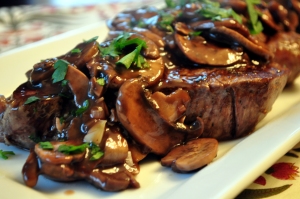
    sangiovese steak

Food Affinities – Bridge Ingredients:

  • Simple, rustic dishes, Grilled Foods, Fresh Herbs
  • Tomatoes, Sun-dried Tomatoes, Tomato Sauces
  • Onions, Garlic, Mushrooms, Eggplant, Fennel, Roasted Bell Peppers
  • Green Olives, Black Olives, Capers
  • Pecans, Walnuts
  • Pasta Dishes, Risotto Dishes
  • Prosciutto, Pancetta, Bacon

Note: When it comes to food pairings, by all means—drink what you like!

The Bubbly Professor is “Miss Jane” Nickles of Austin, Texas….


Wine Grape Cheat Sheets: Chenin Blanc

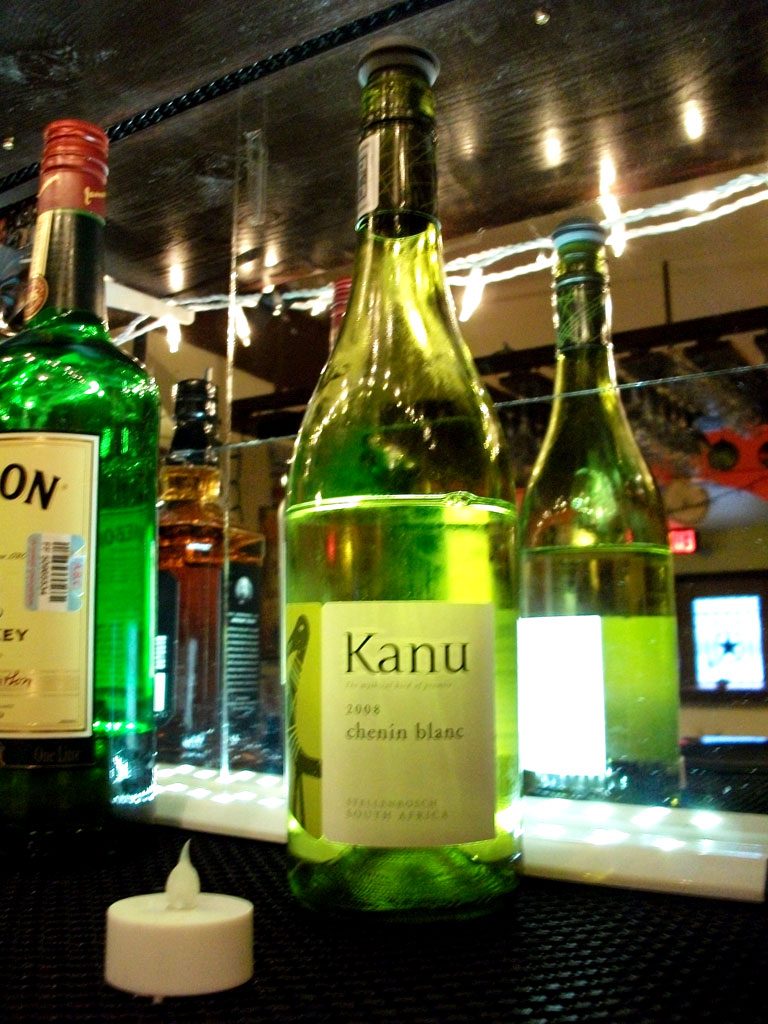
The Soundbyte:  Chenin Blanc is native to the Loire Valley Region of France and is widely grown throughout the Loire Valley. It also thrives in many other regions in Europe and beyond!

Chenin Blanc produces a fruity, floral, easy to drink white wine with clean, fresh flavors and a good zing of acidity.   However, this is no simple little white wine grape—Chenin Blanc can be made into serious, mineral-driven dry wines, traditional method sparkling wines, and decadent botrytis-affected dessert wines in addition to the well-known, and much beloved easy drinking style.

Typical Attributes of a Chenin Blanc Based Wine:

  • Typical, dry (to off-dry) Chenin Blanc wines are generally light bodied with fruity, floral, and nutty overtones. They tend to be low(er) in alcohol and easy to drink.
  • Chenin Blanc has a good deal of acidity. However, this zing is often balanced with the fruity (and sometimes sweet) flavors typical of the grape; as such, it generally comes across as a smooth, easy to drink and easy to love wine.
  • Despite its reputation for producing easy drinkers, Chenin Blanc most definitely has a serious side, as is often seen in the western/middle Loire. For example, the steely, nervy, mineral-driven wines of Savenniéres have been called “the most cerebral wines in the world.” (Imho, this means that the wine steals your attention and makes you think.)
  • Chenin Blanc’s delicate character makes it a good match for delicately flavored foods—there are few chances for the flavors of the wine and the food to clash.
  • Chenin Blanc is also made into Sparkling wines in the Loire Valley and other regions.
  • Chenin Blanc also stars as a dessert wine often produced in a late harvest or botrytis-affected style. Excellent examples of sweet Chenin are produced in the Coteaux du Layon region (in France’s Loire Valley) and South Africa.

Typical Aromas of a Chenin Blanc Based Wine:

Fruity:  Apricot, Melon, Green Apple, Green Plum, Pear, Quince, Lemon, Lime, Grapefruit, Greengage (a light green plum popular in France and England)

Floral/Herbal:  Orange Blossom, Wildflowers, Perfume, Honey, Honeysuckle, Acacia, Grass, Hay, Angelica (na herb that smells somewhat like celery, is often candied, and is used to flavor Chartreuse)

Chalk, Mineral:  Flint, Smoke, “Steely”

Nutty:  Almond, Marzipan

Where The Best Chenin Blanc is Grown:

  • The Loire Valley in France, notably the regions of Vouvray, Coteaux du Layon, Savevnnières, and Saumur.  The Loire Valley is thought to be the native home of Chenin Blanc, and it is used to make just about every type of white wine possible.  The region of Savennières produces bone-dry, steely versions, while Anjou, Montlouis, and Vouvray are made in a variety of styles from dry to sweet.  Saumur and other Loire regions produce sparkling Chenin Blanc from dry to sweet, and world-class dessert wines are the specialty of Bonnezeaux and Quarts-de-Chaume.
  • Chenin Blanc is the most widely planted white wine grape in South Africa, where for centuries it has gone by the name of “Steen.”  The grape may have been one of the original grapes planted by Jan van Riebeeck in 1655, or it may have come to South Africa with the French Huguenots who arrived a bit later.
  • California, Washington, New Mexico and several other states in the US
  • Australia, where it is often blended with Semillon, and New Zealand, where it is grown in small amounts on the North Island
  • Many other wine producing regions and countries—including the emerging regions of Israel, Brazil, Uruguay, and Mexico—have plantings of Chenin Blanc.

Food Affinities – Base Ingredients:

  • Delicately Flavored Seafood, Smoked Seafood, Shellfish
  • Chicken, other types of Poultry, Chicken Liver, Foie Gras
  • Ham, Prosciutto, Bacon
  • Goat’s Cheese
  • Crudities and Dips
  • Potato Dishes, Vegetarian Dishes
Food Affinities – Bridge Ingredients:
  • Curry, Indian Spices, Asian Spices
  • Capers, Herbs
  • Mushrooms, Avocado, Zucchini, Endive, Spinach
  • Honey (go easy on the sweetness with dry wines)
  • Almonds, Hazelnuts
  • Apricot, Melon, Apple

Note: When it comes to food pairings, by all means—drink what you like!

The Bubbly Professor is “Miss Jane” Nickles of Austin, Texas


Wine Grape Cheat Sheets: Gamay

The Soundbyte:  The Gamay grape—officially known as  Gamay Noir à Jus Blanc—can make uncomplicated, easily drinkable, light bodied, light-colored red wines.  It is also capable of producing richly hued, rather tannic, complex, and age-worthy wines.  It’s a vinifera chameleon.

One thing that we can be assured of, though, is that the grape is hearty in the vineyard.  The grape is so prolific and high-yield that long ago it was feared that Gamay would overwhelm the vineyards of Burgundy, and the prolific grapes would damage the reputation of the fine Pinot Noir the Burgundy region was (and is) known for. In order to avoid this messy complication, Philip the Bold—then the Duke of Burgundy—banished the grape from the Kingdom and declared it to be an evil, disloyal plant. In a wonderful twist of fate, grape growers in Burgundy who loved the high-yield, easy-drinking wine made from Gamay were nonplussed and set up their beloved Gamay vines just a bit to the south of the vineyards of Burgundy, where the grape still reigns today.

Typical Attributes of a Gamay Based Wine:

    • Light-to-medium bodied, although it can surprise you at times with a sturdy wine.
    • The tannins in a Gamay-based wine can be quite diverse—some versions are light-to-medium, while some versions have sturdy tannins.  The grapes themselves are considered high tannin, although wine-making traditions often ameliorate their impact.
    • Crisp, lively acidity.
    • Some versions can have a light, cranberry juice-like clear red color; others have a deeper red hue that resembles a dark version of Pinot Noir.
    • Fruit-forward aromas and flavors of ripe berries, red fruits of all kinds, even apples and pears—however, some versions can show more aromatic complexity. Such version may show aromas and flavors such as savory herb, earthiness, and minerality.
    • Many versions are considered picnic wines—uncomplicated and easy to drink.  The fact that Gamay can be served slightly chilled for a refreshing thirst quencher adds to the picnic appeal.
    • Beaujolais is sometimes produced via the fermentation technique known as carbonic maceration.  Because of this unique process, Beaujolais often displays aromas of banana, bubble gum, pear gummies and/or red candy.
    • Many Gamay-based wines are highly drinkable when young. However, Gamay is capable of producing age-worthy wines. The Beaujolais Crus are all good examples of age-worthy Gamay.
    • We can’t forget the very popular “nouveau” style wine made from Gamay that is intended to be consumed just a few months after harvest.  Look for Beaujolais Nouveau to be released every year on the Third Thursday of November, along with a good deal of publicity and many excellent parties.

Typical Aromas of a Gamay-based Wine:

  • Fruity:  strawberry, raspberry, cranberry, cherry, red plum, red currant, ripe pear, red apple
  • Floral:  lavender, wildflower, violet, rose 
  • Herbal: dried herbs, white pepper, crushed black pepper
  • Earthy/Mineral: wet stone, crushed rock, dried leaves, wet dirt
  • Oak-Derived: oak, cedar, vanilla, sweet spice, licorice, nutmeg
  • Sometimes found as a result of carbonic maceration: pink bubblegum, banana, pear drop, red candy

Where The Best Gamay is Grown:

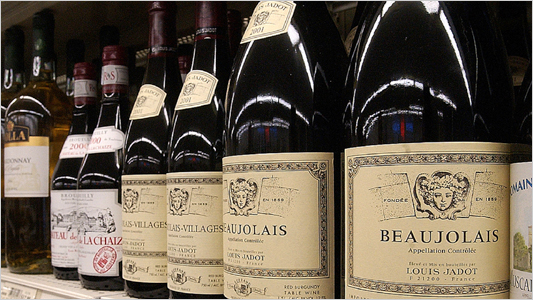
  • The Beaujolais Region of France, just south of (and somewhat overlapping) the Burgundy Region.  The wines of the Beaujolais Region include Beaujolais AOC Beaujolais-Villages AOC, and the highest quality wines—the ten Beaujolais Cru. Each of the ten Beaujolais Cru has its own AOC and will be labeled with the appellation name (such as Saint-Amour, Juliénas, Chénas, and Moulin-à-Vent.
  • We can’t forget the fun-and-fruity Beaujolais Nouveau, which accounts for almost 50% of the entire output of the region.
  • It’s kind of a well-known secret, but Gamay is still permitted to be used in in certain parts of Burgundy such as the Mâconnais, and just may be surreptitiously tucked in amongst the Pinot vines—even in some of Burgundy’s higher-ranking vineyards.
  • France’s Loire Valley, particularly Anjou, Touraine, and Cheverny, where the grape may turn up in red wines, rosé, or sparkling wines.
  • The Niagara Peninsula and other parts of Ontario (Canada).
  • California grows some Gamay, but there was confusion in the past about a wine called Napa Gamay or Gamay Beaujolais.  It is now known that these wines were made from a grape known as Valdiguié, which has its own history and style.  However, you can find true Gamay in California and Oregon these days.
  • Australia and New Zealand have a bit of Gamay.

Food Affinities – Base Ingredients:

Seafood of all kinds – try Mussels, Lobster Rolls, Crab Salads, Snapper Veracruz, or fried shrimp.  This might work best with the lighter versions, but if you are looking for a red wine with seafood match, Gamay will be among your best choices.

Chicken (hot or cold), Duck, Poultry of any kind.  Try duck with cherries.

Just about anything made from Pork:  Ham, Prosciutto, Sausages, Charcuterie, Roasted Pork Loin, Pork Chops

Picnic Food, Cold Food, Cheese Plates, Sandwiches (think Prosciutto on a Baguette with a slice of Brie…)

Food Affinities – Bridge Ingredients:

  • Tomatoes, Capers, Dijon Mustard
  • White Cheeses, Sharp Cheeses such as Feta
  • Salty Foods – maybe chips and dips, pretzels and hummus?
  • Onions, Garlic, Green Bell Peppers
  • Green Olives, Black Olives
  • Mixed flavors such as an array of appetizers or finger foods

The Bubbly Professor is “Miss Jane” Nickles of Austin, Texas…


Wine Grape Cheat Sheets: Viognier

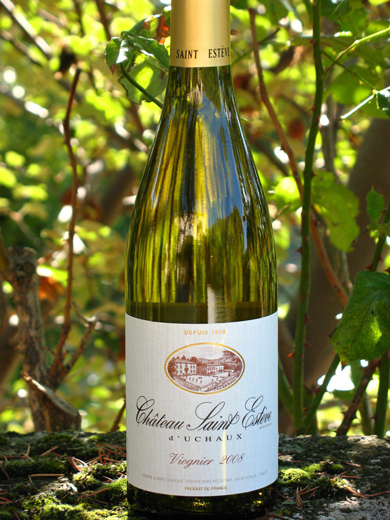
The Soundbyte:  Just a generation ago, Viognier was close to extinction. These days, this richly scented white grape has made a full recovery in terms of fame, popularity, and acreage. Viognier makes unique white wines that will bowl you over with their outrageous floral aromas and peach-pear-apricot fruit flavors. While Viognier will beguile you with its gorgeous scent and yellow-gold hue—make no mistake, this wine can pack a punch in terms of body, flavor, and alcohol. Proceed with caution!

Typical Attributes of a Viognier-Based Wine:

  • Intriguing floral scent combined with apricot, peach, and pear aromas
  • Rich fruit flavors (tree fruit, tropical fruit, ripe citrus) and a creamy mouthfeel
  • Even without oak aging, Viognier can be as full-bodied as an oaky Chardonnay
  • Deep golden color
  • Rich and over-the-top intense in flavor
  • Very often, this tips the scales for high alcohol (in the context of a white wine), although the overall richness of the wine often masks the perception of the heat of the alcohol content
  • Viognier is quite low in acid, but it may contain a bit of a bite of bitterness on the finish
  • The typical low acid often comes across as smooth and velvety on the palate
  • I have had a few late-harvest dessert wines made from Viognier, and they are delicious!

Typical Aromas of a Viognier-Based Wine:

Fruity:  Apricot, Over-ripe Apricot, Mango, Pineapple, Ripe Citrus (Tangerine, Mandarin Orange), Apple, Pear, Peach

Floral:  Honey, Acacia, Orange Blossom, Violet, Honeysuckle, Wildflowers

Spicy:  Anise, Clove, Cinnamon, Nutmeg, Vanilla

Herbal:  Mown Hay, Tobacco, Mint

Butter, Cream

Where the Best Viognier is Grown:

  • The Northern Rhône appellations of Condrieu and Chateau-Grillet produce amazing white wines from 100% Viognier.
  • In the Southern Rhône and throughout the south of France, Viognier may be produced as a single-variety wine or used in an eclectic “white Rhône blend” alongside Marsanne, Roussanne, Piquepoul, and/or Muscat (among others)
  • Also in the Southern Rhône (and elsewhere), Viognier is known to be used in teeny-tiny amounts to add fragrance and a soft side to the red G-S-M or Syrah-based wines of the Rhône.  Even if you wouldn’t know it from looking at the label, a red Southern Rhône blend may contain up to 10% Viognier in the mix.
  • California, particularly the warmer regions such as Lodi and the Sierra Foothills.
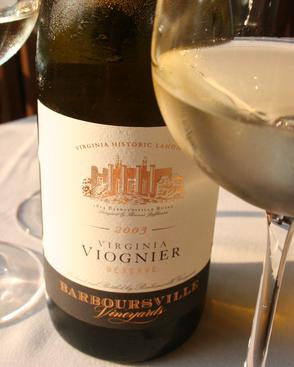
  • The State of Virginia is beginning to make some excellent Viognier, and Texas makes some nice versions as well!
  • Australia makes some excellent versions.
  • Plantings in France’s Languedoc, Roussillon, and Provence regions are expanding.

Food Affinities – Base Ingredients:

  • Pungent Cheeses
  • Crab, Mussels, Shrimp, Salmon, Smoked Salmon
  • Smoked Food, Poultry, Turkey, Pork

Food Affinities – Bridge Ingredients:

  • Curry, Ginger, Clove, Cinnamon
  • Sweet Onions, Garlic, Coconut, Honey
  • Herbs, Corn, Polenta, Walnuts, Hazelnuts
  • Butter, Cream, Fresh Cheeses

Note: When it comes to food pairings, by all means—drink what you like!

Wine Grape Cheat Sheets: Riesling

The Soundbyte: Often misunderstood due to those overly sweet, bright blue-and-pink bottles resting on the bottom shelf at the supermarket, Riesling is one of the leading white wine grapes in the world.  Riesling produces some of the finest, most complex, and longest-lasting white wines in the world.  It is considered to be native to Germany, where its cultivation can be traced back thousands of years.

The Riesling grape is renowned for its ability to walk a tight rope balancing act in its combination of sugar and acid, resulting in wines that somehow manage to be both delicate and complex.  As for the pronunciation of the name, in order to say it correctly—REE-sling—you have to smile!

Typical Attributes of a Riesling Based Wine:

  • Riesling has the amazing ability to be both very fruity and very acidic at the same time.
  • Riesling’s acidic backbone and complex, balanced flavors give it the ability to age (when produced in an age-worthy style).
  • The greatest Riesling vines in the world are grown in cool growing regions and often made into dry white wines renowned for their bracing acidity. Terms like steely, nervy, racy, tongue-curling, zingy, and precise come to mind as good ways to describe the potential acidity of a Riesling in all its glory.
  • Despite my devotion to the dry Rieslings of the world, it is true that much of the Riesling you may find on the shelf does indeed have a degree of residual sugar. This sweetness may or may not be detectable due to the balancing acidity in the wine.

In a German or Austrian wine, the term Kabinett on the label indicates a low level of ripeness at harvest. The terms Auslese and Spätlese refer to grapes with a higher level of sugar at harvest—these wines may be dry, or they may contain a small degree of residual sugar (this depends on the winemaking process).

Dessert wines made from Riesling have their place among the best dessert wines in the world.  Such wines may be labeled as Late Harvest Riesling, Botrytis-affected Riesling, and Riesling Ice Wine.  German-speaking regions may refer to these wines using terms such as Beerenauslese,  Trockenbeerenauslese, or Eiswein.

Typical Aromas of a Riesling Based Wine:

Fruity:  Peach, Dried Peaches, Apricot, Apple, Green Apple, Baked Apple, Pear, Orange, Orange Peel, Lime

Floral:  Jasmine, Rose, Orchid, Juniper, Honey, Perfume, Wildflowers, Orange Blossom, Lime Blossom

Mineral:  Flinty, Steely, Wet Stones, Chalk, Ozone (the scent of the air after a rainstorm)

Chemical:  Petrol, Gasoline, Rubber Bands, Varnish, Wet Paint, Paint Remover

Late Harvest Riesling and Riesling Ice Wine (Eiswein) can take these aromas to the extreme…I’ve found that the lime aromas transform into a quick scent of pickle juice or green olives (sounds weird, I know, but give it a try). Sweet Riesling may evoke the aromas of dried peaches rubbed on a wet stone.  Just try it for yourself!

Where the Best Riesling is Grown:

  • Riesling is native to Germany and grown throughout Germany’s wine regions.
  • Austria
  • The Alsace Region of France.
  • California, Oregon, Washington State (Bubbly Prof really likes the Washington State Rieslings)
  • New York State’s Finger Lake Region
  • Canada, especially the Niagara Peninsula
  • The cooler regions of Australia such as the Eden Valley and the Clare Valley

Food Affinities – Base Ingredients:

  • Sushi…it’s the best match in town so I had to list it first.  It’s crave-worthy.
  • Seafood of all kinds
  • Smoked Seafood – Smoked Salmon and Riesling would be my “last meal” request.
  • Chicken (and poultry of any kind)
  • Ham, Pork, Prosciutto, Sausages
  • Asian Flavors, Indian Flavors—Riesling loves the salt, the spice, and even the heat.

 Bridge Ingredients:

  • Jalapeno Peppers, Wasabi – Bubbly Prof says any type of “green heat” is fabulous with Riesling.
  • Cilantro, Lemon Grass, Fresh herbs of any kind
  • Orange, Orange Zest, Lemon, Lime
  • Avocado, Corn, Leeks, Sweet Onions, Tomatoes, Sun-dried Tomatoes
  • Bacon, Pancetta, Green Olives, Capers
  • Ginger, Curry, Cinnamon, Nutmeg, Allspice, Soy Sauce, Salty condiments

Note: When it comes to food pairings, by all means—drink what you like!

The Bubbly Professor is “Miss Jane” Nickles of Austin, Texas


Week One, Day One: The Introduction to Wine Class

Next week starts a brand new semester and among the classes I’ll be teaching this block is my sentimental favorite – The Introduction to Wine Class.  I offer Professional Wine Studies, Wines and the Culinary Arts, and Wine and Food Pairing as well as semester-long looks at both Old World Wines and New World Wines, but the introductory class remains my favorite.

It’s great to see wine newbies go from “What is Wine” to “The Legend of Sassicaia” in just over 12 weeks.  I always like to start Week One/Day One simply enough with “Wine, Defined.”  I am sure that every wine educator out there has their preferred version of the answer to the question, “what is wine”?   My is quite simply, “Wine is a beverage produced by the fermentation of fruit, mainly grapes”.  Of course this answer leads to many questions and further disucssions…what is fermentation, why grapes, and “can you make wine from Welch’s Grape Juice”?  Of course, the answer is yes…it just won’t taste very good!

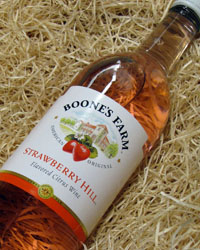
And it never fails, within the first ten minutes of class someone will mention the following subjects:  Boone’s Farm, Four Loko, Sangria, Hellow Kitty Wines, Prison Wine, Mad Dog 20/20, Saké, Arbor Mist Blackberry Merlot, Thunderbird, Mimosas, Cristal, and Ace of Spades.  Fellow wine educators, I bet you have your own list, I would love to hear about what your students ask on day one!

And somehow, we get through it all.  I like to have a basic “learn how to taste” session on Week One/Day One as well, both to get the class off to an engaging start and also to lay the ground work for the more detailed, directed tastings we will have as the class progresses.

My introduction to sensory evaluation class is admittedly quite technical.  I tell the students what the wines are, but I ask them not to focus on that one particular wine but rather to use the wine at hand to learn about the sensory evaluation of  “every wine or any wine.” 

I use just three wines; an unoaked, crisp Chardonnay (A Macon-Villages is ideal), followed by a simple yet sweet white wine (I’ve been using Flat Creek Estate Muscato D’Arancia), and finish with Sterling Vineyards Napa Valley Cabernet Sauvignon. 

The basics of sensory evaluation class that I teach on Week One/Day One does not follow the basic steps of wine tasting.  We will get to all the expected steps (sight, swirl, sniff, snort, whatever…) in the course of the session, but not exactly in that order.  I tell the students that we are going to do approach the wines in the proper order (dry before sweet, white before red, light before heavy) and that we will let each wine “reveal” its secrets to us – in other words, each wine has something special to teach us. I choose my flight of three to include a wine that perfectly shows acidity, one that has sweetness, one with bitterness and tannin, and make sure that within the set of three, each of the major aroma families is there in an easy-to-recognize manner.  I want the class to be chock-full of “a-ha moments.”

Then I launch right in, teaching what I call “The Nine Elements of Wine Flavor.”  The nine elements are: Acidity, Sweetness, Bitterness, Tannin, Umami, Aroma, Body, Balance, and Alcohol.  I told you it was technical!  It does start off quite scientific, with discussions of pH, IBU’s, R.S. and ABV, but by the time we add aroma to the mix I make sure the step off the path of “paralysis by analysis” and let the students just relax and enjoy the flavor of the wine.  And somehow, it all comes together in the end.

If you’d like a copy of my handout about “The Nine Elements of Wine Flavor” just send me an email request to”  missjane@prodigy.net .

The Bubbly Professor is “Miss Jane” of Austin, Texas.

Train the Trainer: Teaching to the Whole Brain

I always find it amusing when I get bored in a wine seminar.  After all, there is nothing I am more fascinated by than wine.  I have spent my entire adult life learning about and enjoying wine.  I teach wine for a living, and then in my free time go to wineries, wine tastings and wine stores.  And yet, I find myself falling asleep at a wine seminar!

What gives?  I am extremely interested in the subject at hand, and yet the speaker can lull me to sleep.  Most likely, I am being subject to a speaker that is only engaging a a mere segment  of my mind.  Most seminars include speaking (zzzzzz……………) which only engages a little area on the left side of my brain called “Wernicke’s Area.”  If you have ever heard the (not quite true) cliché that we only use 10% of our brain power, this is one situation where it makes sense.  Anyone sitting and listening to a speaker is only about 10% engaged, and the other 90% is probably either falling asleep or writing a grocery list.

To approach maximum engagement, we need to teach to the whole brain.  Luckily, modern science has given us the tools to do so.  We know now that we can teach to six separate-yet-connected parts of the brain, each controlling a different aspect of attention, cognitive processing and memory.  We also know the specific teaching techniques to use to keep all six of these areas of the brain firing on all cylinders. 

To be a practitioner of Whole Brain Teaching, work on including these six elements in your teaching:

Listening –This one is easy, as just about all teaching involves a speaker, which forces our audience to listen.  Listening is controlled by Wernicke’s area on the left side of the brain. This one is a given…however, to be a whole brain teacher, you need to move well beyond listening.

Visual – The visual cortex uses over half of the brain’s energy and is a powerful tool for both learning and engagement.  Most teachers and speakers these days use what they consider visual elements in their teaching with power point slides, white boards, and handouts.  However…words on a screen or a written handout are not true visuals!  Words on a screen or written documents are not “processed” by the brain in the same way a picture is.  When you see words on a screen you read them to yourself, and the data is processed by the verbal (listening) side of the brain.   To enhance learning and not distract the learner, make sure your visuals are true visuals – meaning pictures or graphs.  

Critical Thinking – Our brains are kind enough to give us a pleasurable “rush” of dopamine when we solve a problem.  It’s the reason that so many people like to do crossword puzzles and play Sudoku. It’s also the reason why you feel so good when your figure out how to stop the faucet from leaking or change the battery in your car.  The real rush comes from not just getting it done but the fact that you figured it out.  To put this in an educational context, remember that just sitting and listening can get very boring…but you can keep your students in the flow of what scientists call “reward-driven learning” by stimulating their pre-frontal cortex…that part of the brain that handles thought processes that involve decision making, compare and contrast, explanations, examples, and schema.  The point is to allow your students to solve a “mental puzzle” related to the subject at hand.

Movement – You can stimulate the very powerful motor cortex by adding gestures and movement to your teaching.  It may seem a bit silly, but kinetic memories are among the strongest memories.  You never really forget how to walk or ride a bike!

Speaking – Let your students talk! Adding active speech to your classes, whether from discussion or recitation, spark’s the brain region known as “Broca’s area” and is an excellent tool for engagement.  Breaking the students into small groups or even teams of two and having them relate back key points of the class, quiz each other or even “teach” each other for one or two minutes is an excellent way to bring speaking into class as a directed activity.

Emotions – The limbic system, at the center of the brain, controls emotions and emotional memories.  If you leave out the emotions, you have “hollow brain teaching”!  Use emotionally competent stimuli to invoke humor, curiosity, outrage, awe, nostalgia…any emotion will do!

Remember, the more you can use these six activities…the more you will be teaching to the whole brain…and the more your students will enjoy and remember your class.  Good Luck!


Miss Jane’s Top Ten Tips for Wine Lists

I was surprised to learn yesterday that “Miss Jane’s Top Ten Tip for Wine Lists,” posted back in January of 2011, is my “most viewed” post of the blog’s history.  So…just in case you missed it, I re-post it again for you today.  Enjoy!!

Miss Jane

One of the most important classes I teach in my professional wine classes is on how to write a wine list.  After a lecture (hopefully not too boring!) on my “Top Ten Tips for Wine Lists”, I divide the class into teams, and set them free to construct a wine list featuring a dozen wines that I provide to t hem. I am always amazed at how good a job they do!

Just in case you ever need to write a wine list of your own, here are my lecture notes.  Enjoy!

Miss Jane’s Top Ten Tips for Wine Lists!

1.  A good wine list should be easy to read and use.

  • No guest enjoys pulling out reading glasses and squinting in the dark, yet many wine lists squeeze too information and tiny print much onto each page.
  • Make certain wine lists can be read in low light. Choose legible fonts and reasonable type sizes.
  • Avoid italics, which run letters together.
  • Resist the temptation to fill negative space. Overly dense pages hurt the eyes and the brain. Leave enough space between lines for comfort, and start new sections on a new page.
  • Provide enough signposts on every page for diners to orient themselves quickly.
  • Title pages and sections clearly. Guests may be distracted and multitasking when using the list, so repeat headings and subheadings on every page and identify broad sections in the headers.
  • A good wine list should communicate well, make servers and customers comfortable, and sell a lot of wine!

2.  A good wine list assumes no prior wine knowledge.

  • Wine labels tend to speak of grape and region, but customers care more about flavor and style. Adding simple style indicators can boost sales and turn the wine list into a training tool for your service staff.
  • Whether or not you provide full-blown descriptions on the wine list itself is a matter of choice. However, indicating the primary grape or grape varieties will help create interest in and sell proprietary wines, blends and regionally labeled wines.
  • Indicating if a wine is sweet or dry, full-bodied or light, and other basic information will be greatly appreciated by the wine-loving novice.
  • Consider using my “5-word review” for a tiny bit of supporting information:
    • French Pinot Noir – Light and Dry.
    • Off-dry, fruity, great with sushi.
    • Light, delicate, fruity and crisp.
    • Pink bubbly, but don’t call it sweet.
    • PLEASE…even if your wine list style of choice is minimalistic, PLEASE provide detailed wine notes and descriptions to your staff, either in “wine class” style or in printed training materials! Nothing defeats the purpose of a perfectly designed wine list faster than an untrained service staff.

3.  A good wine list groups wines by style, weight, or flavor intensity…or some         other category that makes sense!

  • You can follow the tried-and-true “progressive wine list” philosophy and group your wines according to taste categories:  “Light and Delicate Whites”, followed by “Slightly Sweet Whites” followed by “Dry, Full-Bodied Whites”.  The progressive wine then lists the wines in each category from lightest to heaviest, driest to sweetest, or some other easy-to-follow variable.
  • Consider grouping your wines by food affinities, such as “Crisp, Dry Whites for Seafood” followed by “Full-bodied Whites for Roast Poultry” followed by “Big, full-bodied Reds for Steaks”…or something like that.
  • You can get creative and group wines by special interest, such as “Organic and Biodynamic Whites”, “Exotically Scented European Whites”, or (my favorite) “Cheap Thrills”. (Just be sure and see item #10, below.)

4.  A good wine list avoids “concept blur” by being appropriately priced.

  • There are many different versions of the following rule, and many organizations lay claim to the idea….but…it has been proven that wine sales increase if at least 50% of your wines-by-the-bottle are priced between 1 and 2 times the price of an average entrée.
  • For instance, if your average entrée is priced at $20.00, customers will not flinch at a bottle of wine priced between $20.00 and $40.00.  This technique keeps wine and food prices on an even keel…preventing “concept blur.” Nobody expects to drink a $200 wine with a blue cheese burger. And, for that matter, nobody wants to drink Yellowtail Shiraz with Foie Gras en croute!
  • As long as some (preferably at least 50%) of your wines fall within the “no more than twice the price of an average entrée” rule, it makes sense to offer something for person who really wants to spend more!  Customers celebrating a special occasion, trying to impress (think first dates) or on an expense account have money to burn, so you should help them burn it! Having two Pinot Noirs on the list – one at an “entry level” price point and one at a “splurge” price is a good idea.
    • For wines by the glass, it’s a good “rule of thumb” that one 4- or 5-ounce glass of wine covers the wholesale cost of the bottle.  Any additional glasses poured from the bottle are pure profit.
      • For instance, if a bottle of Kim Crawford Sauvignon Blanc has a wholesale price of $8.00, a good price for a glass is…you guessed it, $8.00.

5.  A good wine list offers customers variety, but not necessarily quantity.

  • A great wine list doesn’t have to be big, nor should it require a translator.
  • As a matter of fact, a wine list big enough to double as furniture will intimidate and confuse both servers and customers. Many customers are likely to lose interest after a page or two.
  • Confronted with a wine list the size of a phone book, most diners are going to limit their reading to a particular grape, style, or region.  Thus, it’s possible that simply having a few interesting, delightful, and well-priced wines in each category will accomplish the same sales – without the intimidation factor.
  • Balance is the key.  A good wine list should have delicious white, red, rosé, and sparkling wine as well as wines that are light and crisp or rich and heady and every style in between.
  • A good wine list should have wines that are imported and American and wines at every appropriate price point. Geography creates style, so a bit of regional diversity ensures a good balance of wines, from the flavor point of view.

 6.  A good wine list focuses on wines that enhance the food on the menu.

  • This sounds like such a no-brainer I almost left it off the list.  However, I am more convinced than ever it needs to be said, especially after my recent visit to a famous sushi restaurant (that will remain anonymous) that had five Chardonnays, ten Cabernets, and no Riesling on their wine list. What’s a girl to do when confronted with that choice? Drink Diet Coke?  (Yes.)
  • So, here goes…make sure every food item on your menu has at least two “perfect pairings” among the wines on your list.  Make sure that you either denote these on your list, train your staff to suggest them, or both.
  • Make sure you enhance your restaurant’s theme or concept by your choice of wines.  Certainly you can list a variety of wines, and not everything has to be a “cut-and-paste” thematic match, but the overall feel of your list should be the same as your overall concept and food style.

7.  A good wine list denotes four things about every wine:

            The name of the producer.

            The name of the wine itself (including any modifiers such as “Reserve”).       

            The region of origin (unless it’s a regional wine).       

            The vintage date.

  • Here’s a perfect example:  Robert Mondavi Winery Cabernet Sauvignon Reserve, Napa Valley; 2009
  • Or – Cabernet Sauvignon, Robert Mondavi Winery, Napa Valley, 2009.
  • It doesn’t really matter the order or the format….but to properly identify a wine, you need to list those four very important pieces of information!
  • Nothing will send me running for the hills faster than a wine list that just reads “Kendall-Jackson Chardonnay.”  Diet Coke, please!

8.  A good wine list visually distinguishes wine titles from supporting information.

  • Consider the following entry…from an actual wine list at an actual self-proclaimed temple of wine:
    • Cava Segura Viudas Brut Reserva Heredad, Cataluna, Spain; N/V
    • There’s nothing wrong with this entry….it follows rule #7 quite well, however, differentiating the name of the wine itself, followed by cascading hierarchies of typeface makes scanning the list faster and easier:
    • CAVA Segura Viudas “Brut Reserva Heredad”, Cataluna, Spain, N/V
    • Another good tip when listing your wines is to list the “easiest to understand” component of the wine first.  For instance:
      • CHIANTI CLASSICO Ruffino “Aziano,” Tuscany; 2007 Is easier for the customer to read and decipher than the following entry: AZIANO Ruffino Chianti Classico, Tuscany; 2007.

 9.  A good wine list differentiates your operation from the competition.

  • A good wine list should offer something different than every other restaurant, grocery store, and retail wine shop in town.
  • As a matter of fact, if a customer knows the very popular wine “7 Deadly Zins” can be purchased at the corner liquor store for $10.00, they are highly unlikely to pay $30.00 for that same wine, even in your fancy restaurant.  In the mind of the consumer, it’s a ten dollar value!
  • You can avoid this issue by offering unique wines, presenting them properly on your list, and training your staff to discuss and describe them.

10.  A good wine list should project your brand and a professional image.

  • Think of your wine list as “advertising,” and apply the same standards for presentation.
  • Use fonts, paper, and graphics consistent with your business identity. Wine lists should look similar to your other menus and restaurant promos and incorporate logos and branding.
  • Please don’t let your wine list look like an “afterthought” or a final resting place for your white-out collection.  With designer computers and fancy printers on every desk, there’s no excuse for a wine list that isn’t up-to-date and pristine every night.
  • Adopt a zero-tolerance policy for typos and errors. Learn where the symbols for umlauts (ü) and accents (é) are on your keyboard.  While wine names can be utterly confusing, nothing destroys your credibility faster than menu mistakes.
  • Proof each and every item against the label – not the website, not the invoice, not the salesman – before printing.

Train the Trainer: There’s More to Class than just the Glass

There’s More to Class than Just the Glass

As a full-time wine educator, I have found myself teaching classes and leading wine tastings in some unusual spots.  Many of my classes are held in my super-comfy, perfectly designed, high-tech enhanced wine lab college classroom.  This setting is as conducive to learning as a setting can be. Wine and food conferences, and in my case mostly wine and food education conferences are also good situations for teaching and learning…at least people are sitting down, facing the speaker, and we can assume the audience wants to listen and learn.

However, part of a wine educator’s life is spent on the road, and I have also taught classes in winery barrel rooms, in restaurants during the dinner rush, and at wine bars in the midst of happy hour.  Add to the list the seminars I have led outdoors at wine festivals, trade tastings, womens’ retreats and rock concerts. (You will note I did not include private homes…Miss Jane does not do private homes.)

Let’s face it:  it can be hard to engage and actually teach students about wine when they are outside, at a rock concert, or even at a wine bar; and my educational philosophy and practice is all about engagement.  I want my students to be not just at attention but fully engaged.  Attention is great – you need to have a full repertoire of attention grabbers.  Once you have gotten your audience’s attention they should be listening, observant, and interested in what you are about to present.  Attention is valuable but it only lasts for a few minutes until minds start to wander.

Engagement, on the other hand, goes deeper than attention.  When your class is fully engaged, they are physically energized, emotionally connected, and mentally focused on the subject at hand.  Engagement in the material at hand should be one of the main goals of instruction, and “points of engagement” should be pre-scripted into your lesson plan just as carefully as your course objectives and class material.

Obviously, a wine class has a few built-in advantages when it comes to student engagement.  First of all, it’s about wine (a fascinating subject and one with broad appeal.)  Secondly, we usually have a built-in activity (also very appealing) when we lead a tasting.

The challenge for me, I have found, in leading a tasting class is not in just keeping the audience engaged, but keeping them focused on learning and not merely engaged in the tasting itself – in other words, enjoying the wine more than the class.  As we all know, this type of “tasting” can devolve into “drinking” quickly if not managed.

I am sure that we have all found that during an instructor-led tasting, students tend to get excited and chatty.  Left unmonitored, it gets louder and louder – which is great if you are at a party, or maybe if you are leading one of those tastings at a wine bar or rock concert.  However, if you want to balance fun with serious learning, this can be a challenge.

Over the years, I’ve developed my own system for walking this fine line.  When leading a tasting activity,  I generally let the students taste and talk amongst themselves for a few minutes – after all, talking is the ultimate engagement – and then try bring them gently back to attention for further instruction. To do this effectively, you need an abrupt attention grabber.  Most teachers whistle or scream or bang a spoon on a glass. There’s nothing really wrong with this technique -it certainly does work – but it can also leave students unfocused, annoyed, or even angry.  (Note:  nothing halts learning quicker than anger.)

What I do to avoid this backlash is this:  I introduce the wine, tell the class I am going to give them five minutes to taste and talk amongst themselves and will then bring them back to attention for group discussion and further instructor-led content.  Then I play some background music appropriate to the theme and setting.  When the time for tasting and talking is over and I want to turn their attention back to my presentation, I turn up the volume briefly and then turn it off.  Works everytime, and no one shoots me a dirty look or complains!

Here’s my advice to you:  try to develop a your own signature style of focusing the class after a tasting break or other group activity.  You might use a call and response, flick the lights, have everyone stand up, or use music like I do.  In a pinch, you can always bang a spoon on a glass.